
News


Within the walls of the house (cinema) that love built, the first edition of the Fujifilm Short Film Festival came to life in Dubai. Spanning from December 12 to 14, Cinema Akil, in collaboration with Gulf Photo Plus, presented a festival programme that fulfilled a long-felt need in the region: spaces that treat short films as a complete language. Not a prelude, not a training ground, but as a form capable of sustaining critical inquiry, reflection, and cultural resonance.
Conceived as a regional platform for short-form filmmaking, the festival brought together emerging voices from the Middle East, Africa, and Central Asia — regions rich in stories, yet too often overlooked in spaces where work can be judged on its own terms, assessed on its merits, and given the attention it deserves.
The public’s response further reinstated just how needed such a space had been. Over 2,000 submissions were received from filmmakers across 22 countries, a scale that immediately positioned the festival not as an experiment, but as a long-awaited point of convergence. Unlike many festivals where short films are relegated to side programmes, the Fujifilm Short Film Festival centred short films as the main event, treating it as a complete language rather than a precursor to feature filmmaking.
Developed in collaboration with Cinema Akil and Gulf Photo Plus, the festival’s aim was both precise and expansive: to spotlight new voices, to provide support through mentorship and equipment, and to create a space where regional stories could be encountered with care. Screenings sold out, workshops filled quickly, and audiences stayed. Not just for films, but for the conversations that followed.
“We see this Festival as an alliance of partners, all three who have long placed their bets on regional storytellers both in photography and the moving image. Our proud collaboration on the Fujifilm Short Film Festival is not only a reaffirmation of that belief, but a way to tangibly support the continuity of that storytelling.”
Butheina Kazim, Founder of Cinema Akil
The festival programme was structured around four core categories. Spanning Narrative, Documentary, Experimental, and Student. Each reflecting a different mode of engagement with the world from exploring themes of a daughter reconciling with her father riddled with Alzheimer’s, a couple arguing on whether to stay in their homeland or wish it goodbye, to a young boy discovering his disabled father’s struggle and striving to restore hope. The selected films explored human experience with care, precision, and resonance.
What made the selections stand out was not a singular aesthetic, but their shared attentiveness. These were films shaped by intimacy rather than spectacle. At a moment when images circulate endlessly yet rarely settle, the films insisted on honesty— on staying with difficult realities rather than brushing past them. Filmmakers navigated personal and political fractures simultaneously. These films did not attempt to speak for their contexts, but from within them. Shaped by the textures of everyday life, loss, and persistence. In that sense, the festival functioned not only as a showcase of films, but as a communal site of witnessing.
Beyond the screenings, the festival included workshops and mentorship sessions hosted at Gulf Photo Plus, reinforcing the idea that cinema is sustained through dialogue and shared practice. A jury composed of filmmakers, producers, programmers, and cultural leaders from across the region and beyond; including Mohamed Tarek, Gianluca Chakra, Hawa Essuman, Kaveh Farnam, Shannon Ayers Holden, and Nasri Atallah, brought diverse perspectives to the evaluation process.
The Winning Films
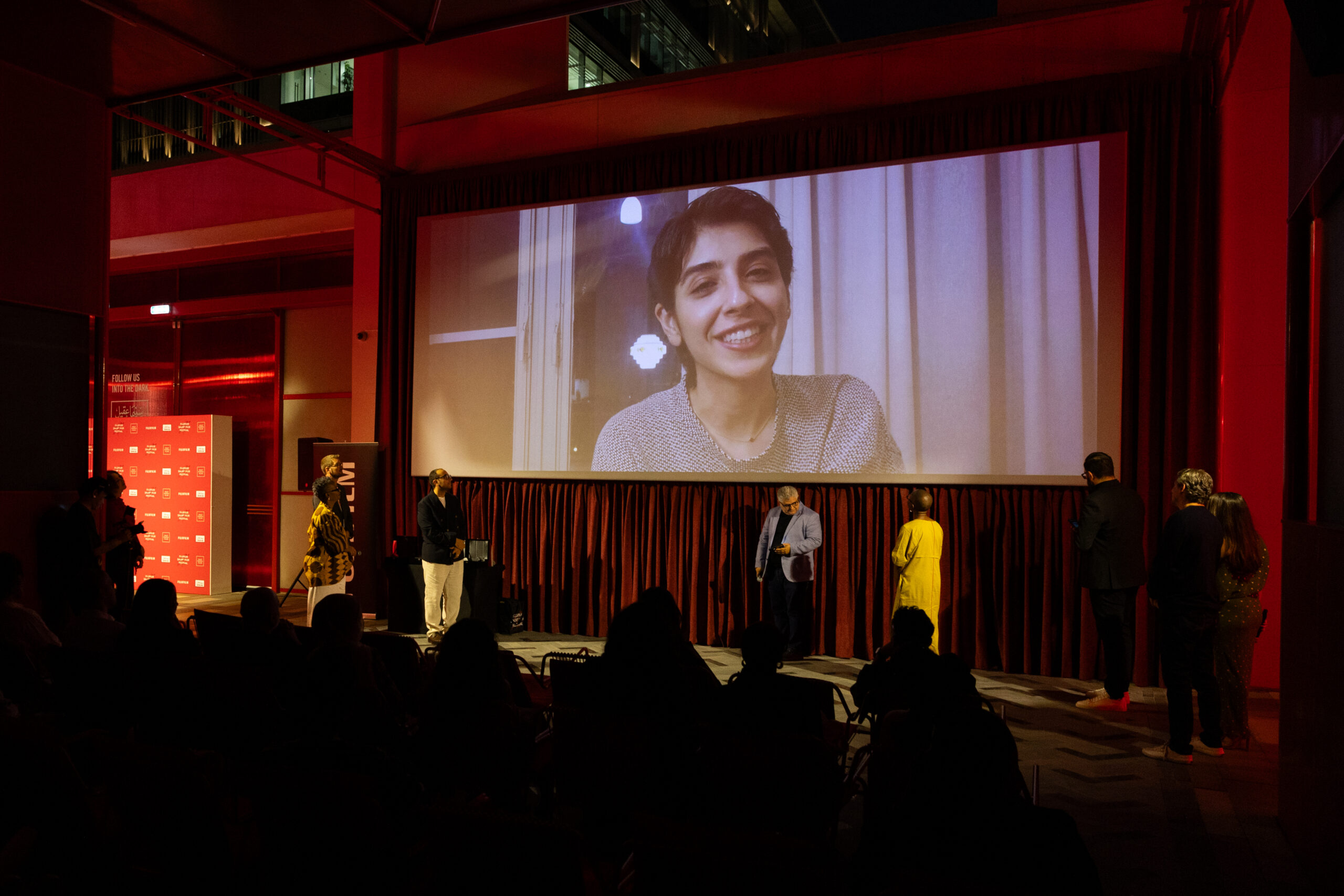
Student & Best Film: Almost Intangible (2024, Iran) — Dir. Taraneh Esmailian
Directed by Taraneh Esmailian, Almost Intangible received both the Student Award and the festival’s top honour. Set almost entirely within an audition room, the film follows a husband and wife whose improvised performance gradually reveals the fragility of their relationship. With tightly controlled framing and minimal dialogue, the film uses silence as its primary instrument, allowing emotional shifts to unfold with precision. Its strength lies in what it withholds, trusting the audience to sit with discomfort rather than offering resolution.
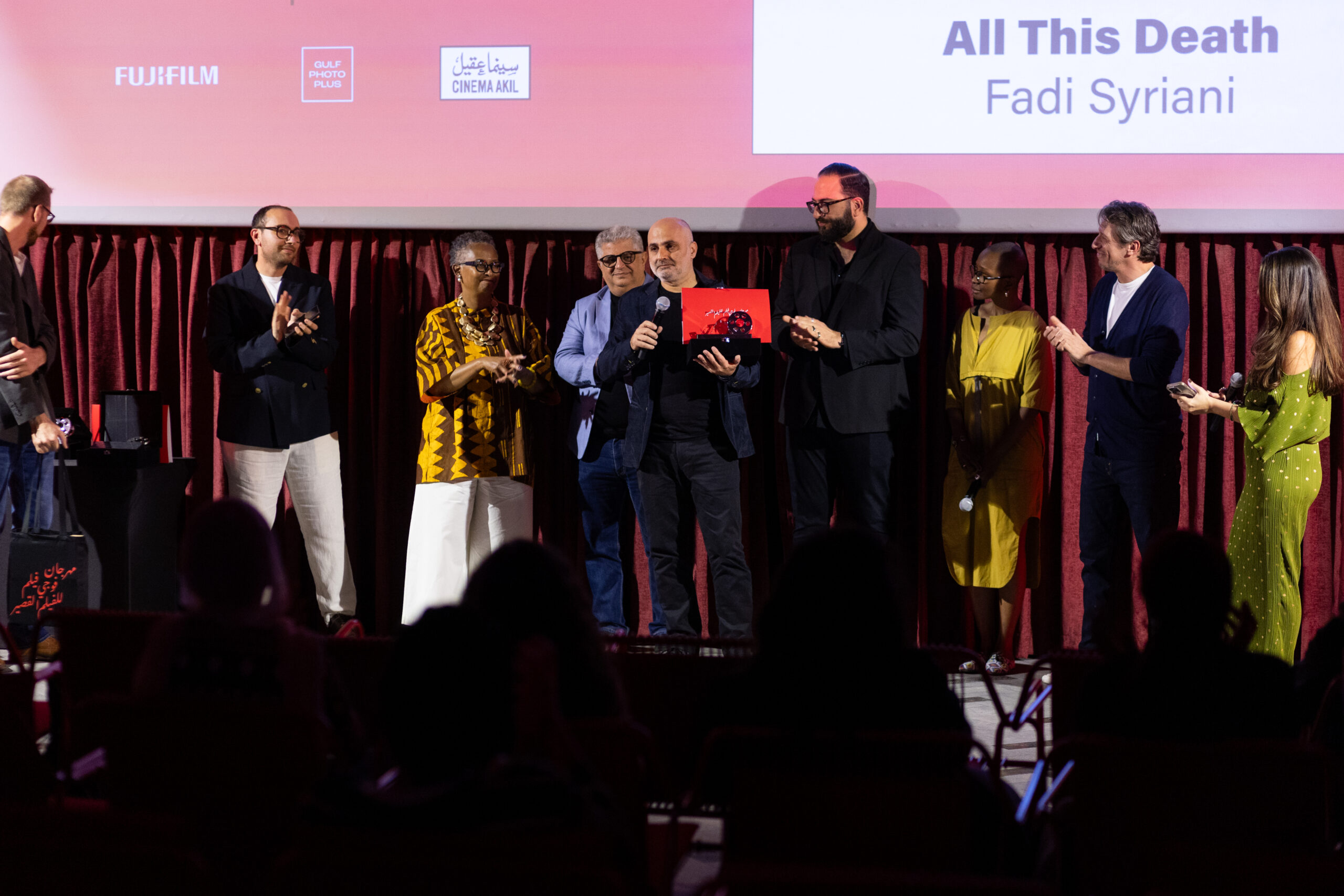
Narrative: All This Death (2025, Lebanon) — Dir. Fadi Syriani
Directed by Fadi Syriani, All this Death follows an elderly Beirut resident whose daily routine of reading obituaries and attending funerals becomes a reflective journey through grief and acceptance. The jury praised the film’s emotional depth, careful pacing, and controlled narrative, noting its distinctive use of animation to immerse viewers in the protagonist’s liminal space.
“I hope it resonates with people and makes them think of the time we are going through,” Fadi Syriani shared his hopes in conversation with ICON MENA. “I was really happy that we got the award. We are not asking for help, just for this film to grow into a seed for someone else at some later point.”
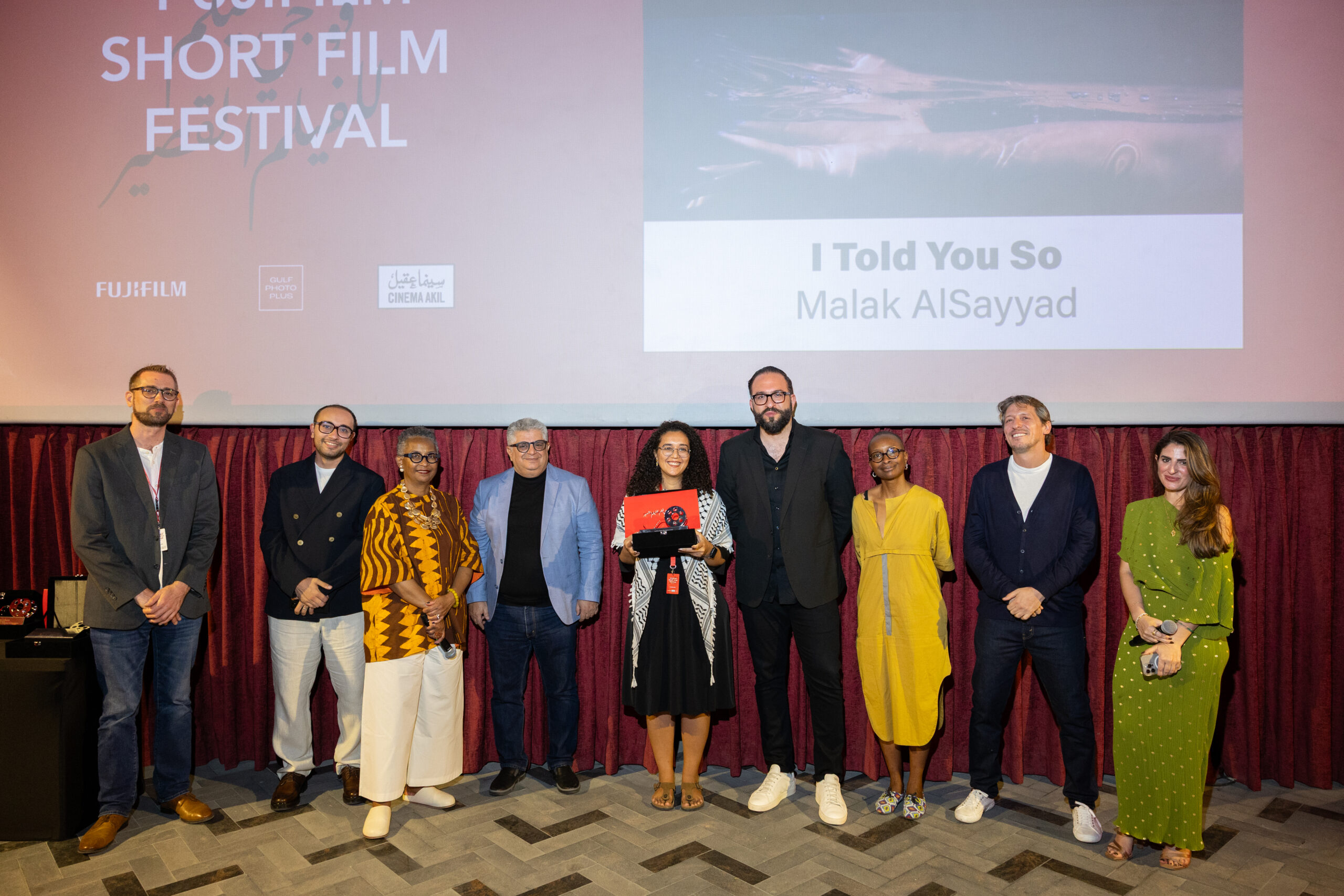
Documentary: I Told You So (2024, Egypt) — Dir. Malak AlSayyad
Directed by Malak AlSyyad, I Told You So traces Malak’s journey after being diagnosed with endometriosis, a chronic condition affecting one in ten women and menstruating individuals worldwide. Confronting pain, doubt, and societal misunderstanding, she engages with the community of “Endo Warriors” to explore ways to reclaim her body, ambitions, and voice.
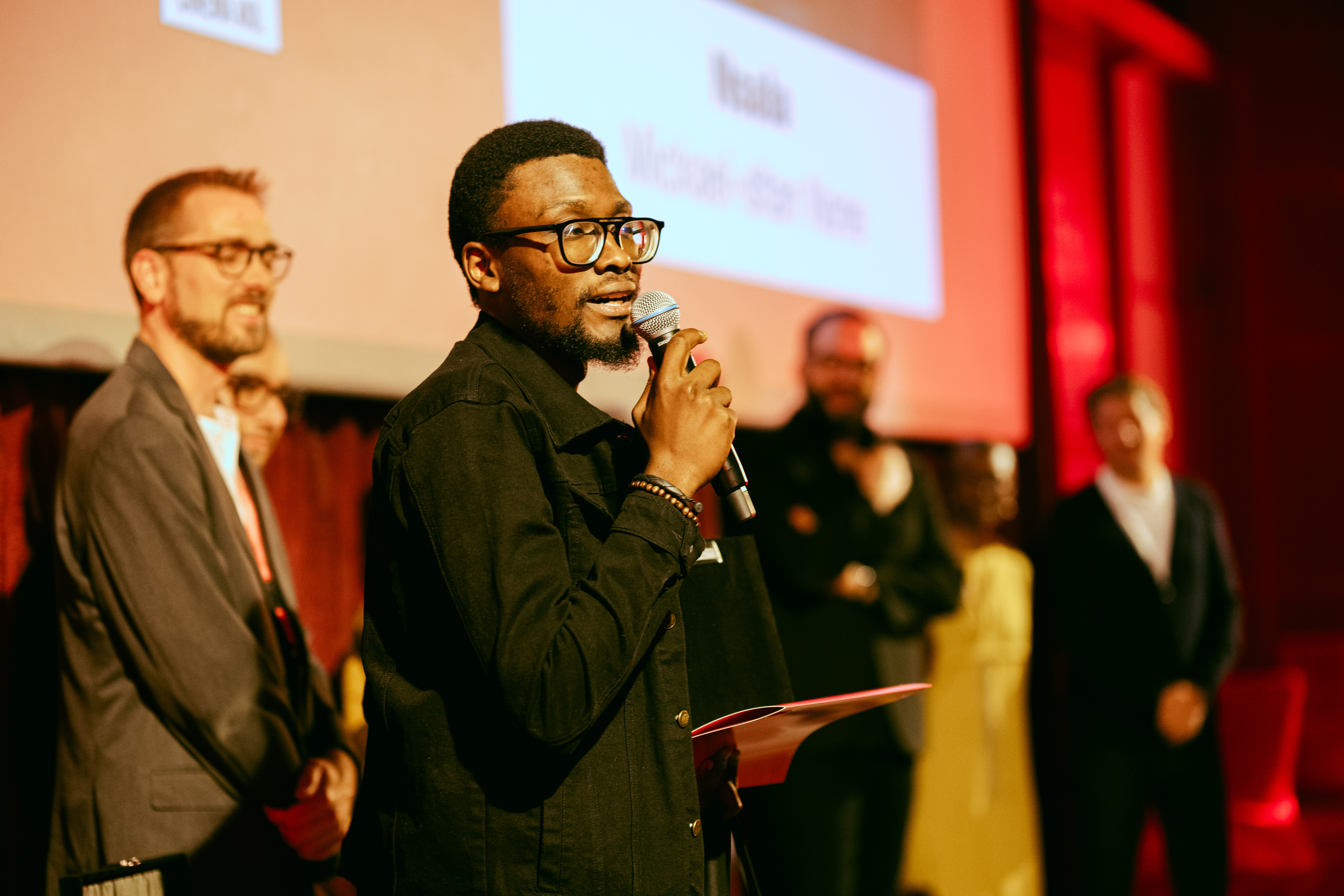
Experimental: Nsala (2025, Democratic Republic of the Congo) — Dir. Mickael-Sltan None
Mickael-Sltan None’s Nsala merges colonial archival material with contemporary footage to construct a silent meditation on labour, extraction, and erasure. Stripped of narration, the film confronts viewers with the continuity between colonial violence and present-day capitalist systems. Its stillness becomes its force, refusing explanation and demanding attention.
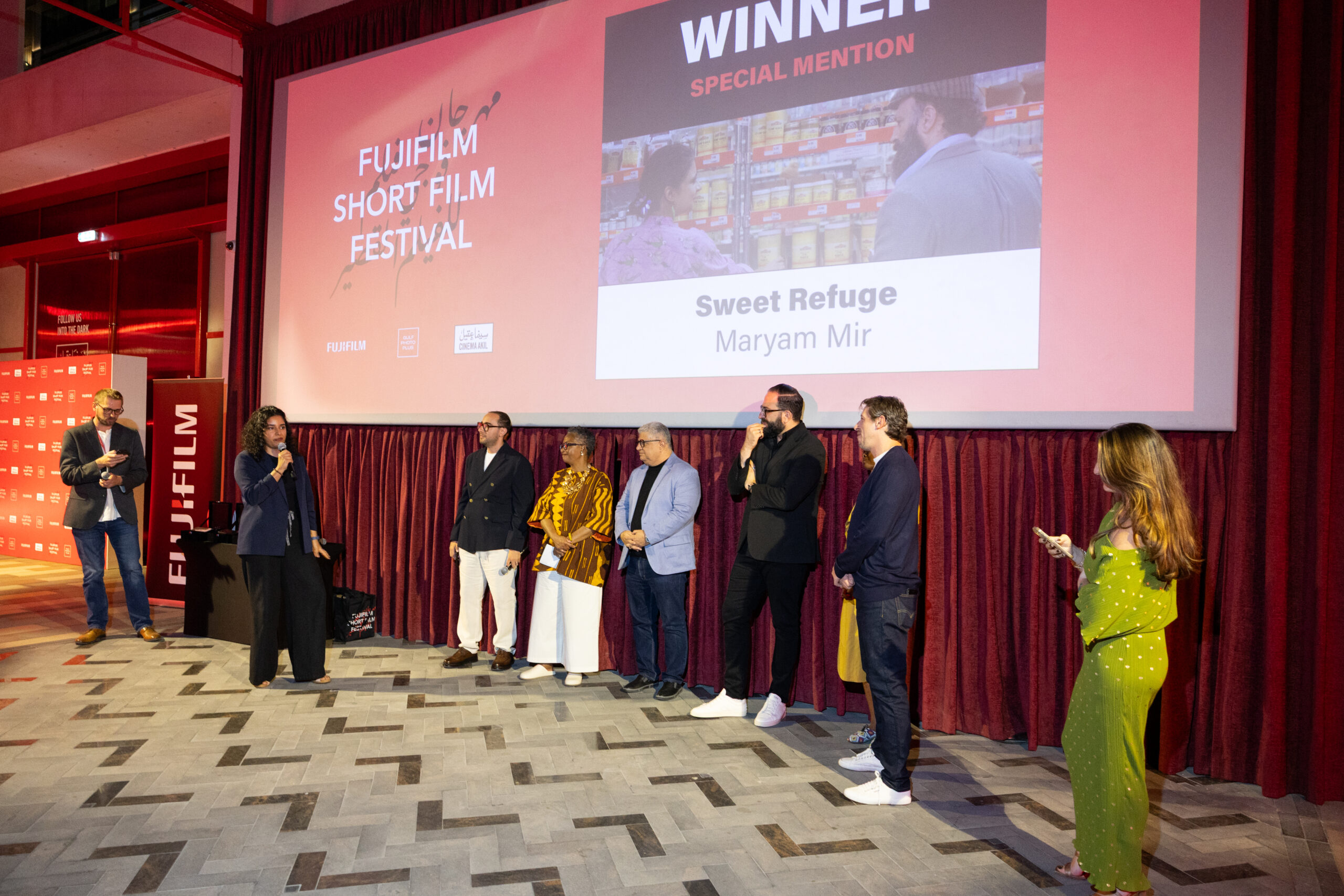
Special Mention: Sweet Refuge (2023, Bahrain / USA) — Dir. Maryam Mir
Maryam Mir’s Sweet Refuge offers a gentle portrait of a Syrian baker spending his first Eid in New York. Through small encounters and shared rituals, the film reflects on displacement with warmth and humour. The jury highlighted its quiet reminder of what connects people across cultures; dialogue, empathy, and everyday acts of tenderness.
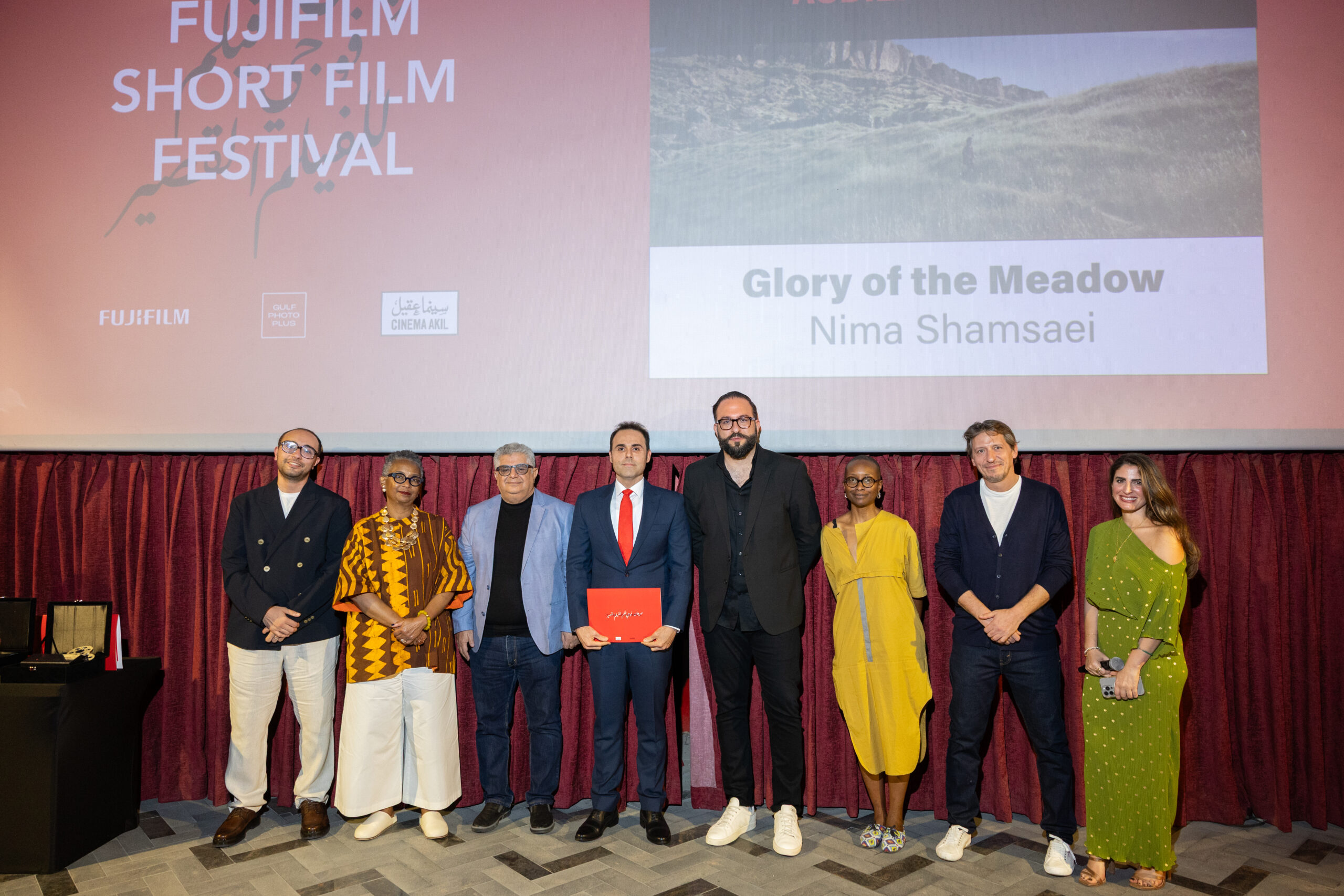
Audience Award: Glory of the Meadow (2024, Iran) — Dir. Nima Shamsaei
Chosen by festival-goers, Nima Shamsaei’s Glory of the Meadow follows a young boy navigating his father’s failed suicide attempt. Through Cyrus’s steadfast care, the father gradually accepts his support, and a renewed sense of family and connection emerges.
What lingered most after the festival was not just the films, but the atmosphere around them. Sitting in the cinema alongside others collectively struck by the images on screen, sharing a collective sense of attentiveness that feels increasingly rare. Outside, conversations flowed easily, unhurried, as strangers compared responses and exchanged reflections.
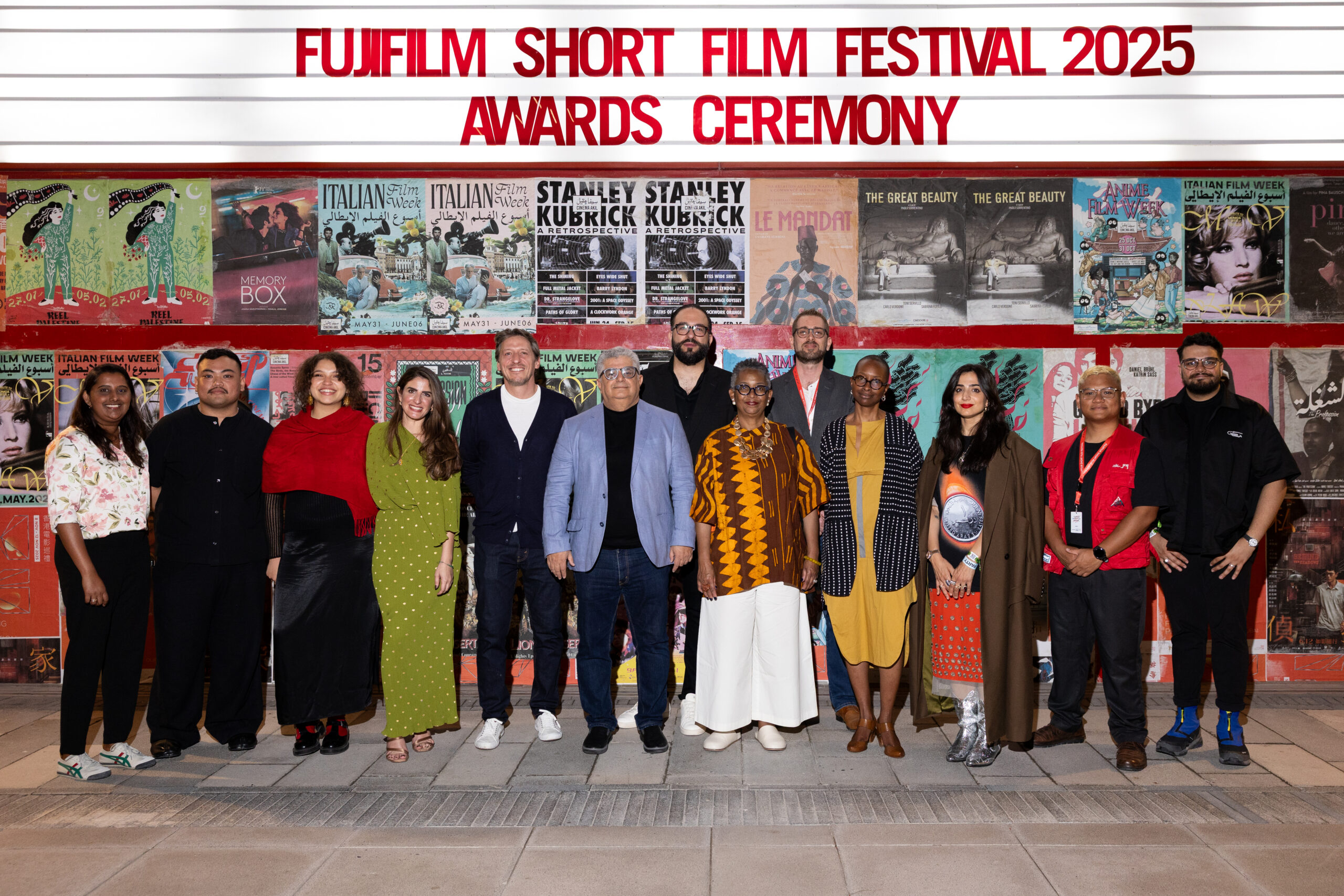
This is where Cinema Akil’s role becomes most visible. Over the years, it has expanded beyond walls, formats, and geographies, and the Fujifilm Short Film Festival felt like a continuation of that philosophy.
The festival’s life is not ending in Dubai. The winning films are now touring, with another screening at Cinema Akil on January 8, travelling to Unseen Nairobi on January 7, and to Metropolis Cinema in Beirut on January 7 and 8, Zawya Cinema on January 8, and to Jeddah on January 12 (Location TBA). All screenings will be free and open to the public, a gesture that reinforces the core belief that cinema should remain accessible, especially in places where it is needed most.
The Fujifilm Short Film Festival did more than celebrate cinema. It created a moment of shared attention, one thats expanding from Dubai to Nairobi to Beirut, carrying stories shaped by care, tenderness, and urgency. In the dark, together, cinema once again reminds us to look anew at our own lives, to rejoice and welcome the world as if it’s our first day living. As all forms of crafts, it steers us towards reinventing a magnitude of the hope needed in such times of grief and loss.


