
News


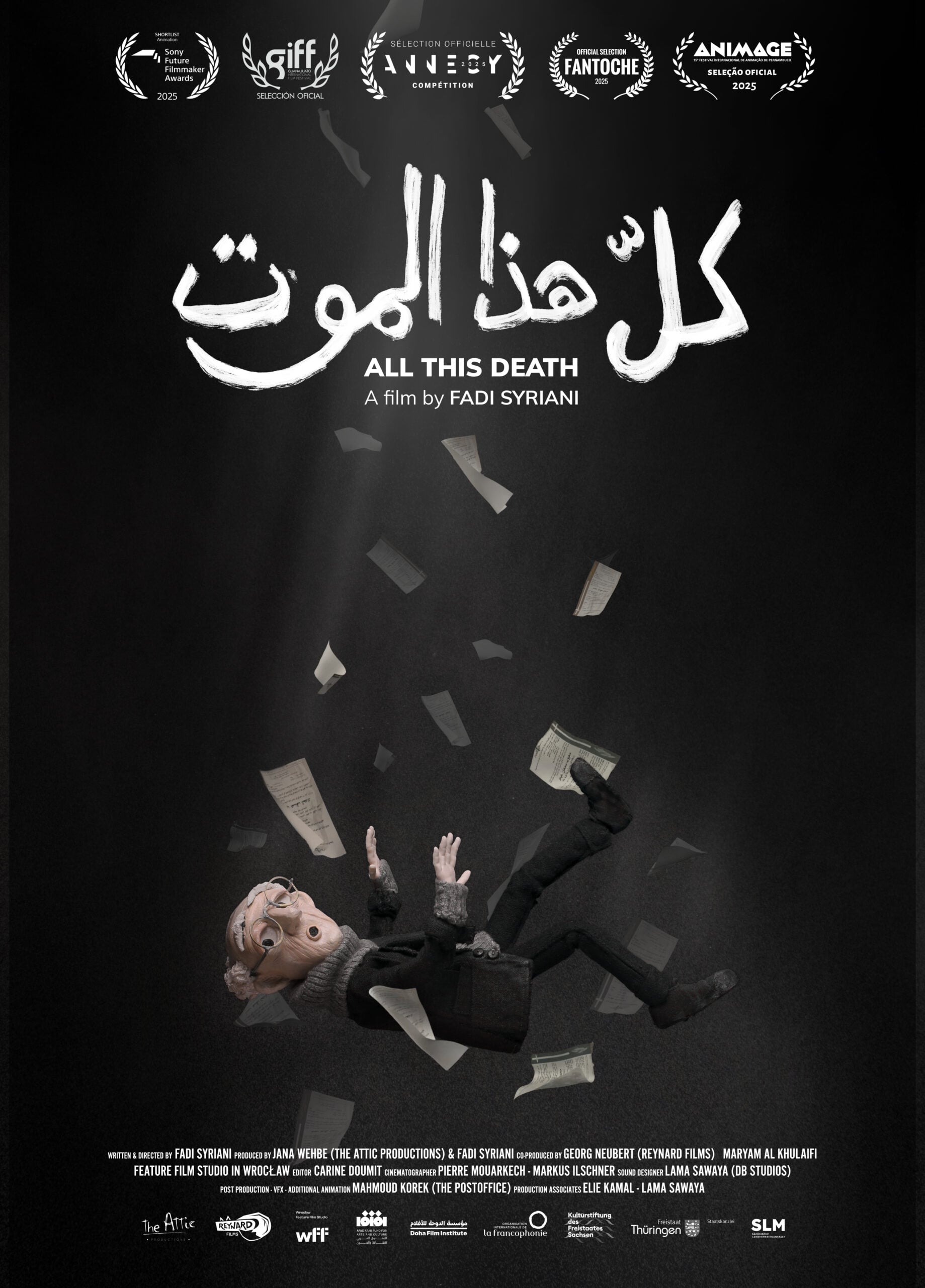
One cannot separate life from death. In the world of matter, they are violently entangled states. It does not take reading a book, witnessing a spectacle, or undergoing a singular experience to understand this. For many of us, this knowledge arrives early, uninvited, and never leaves. This is where All This Death begins.
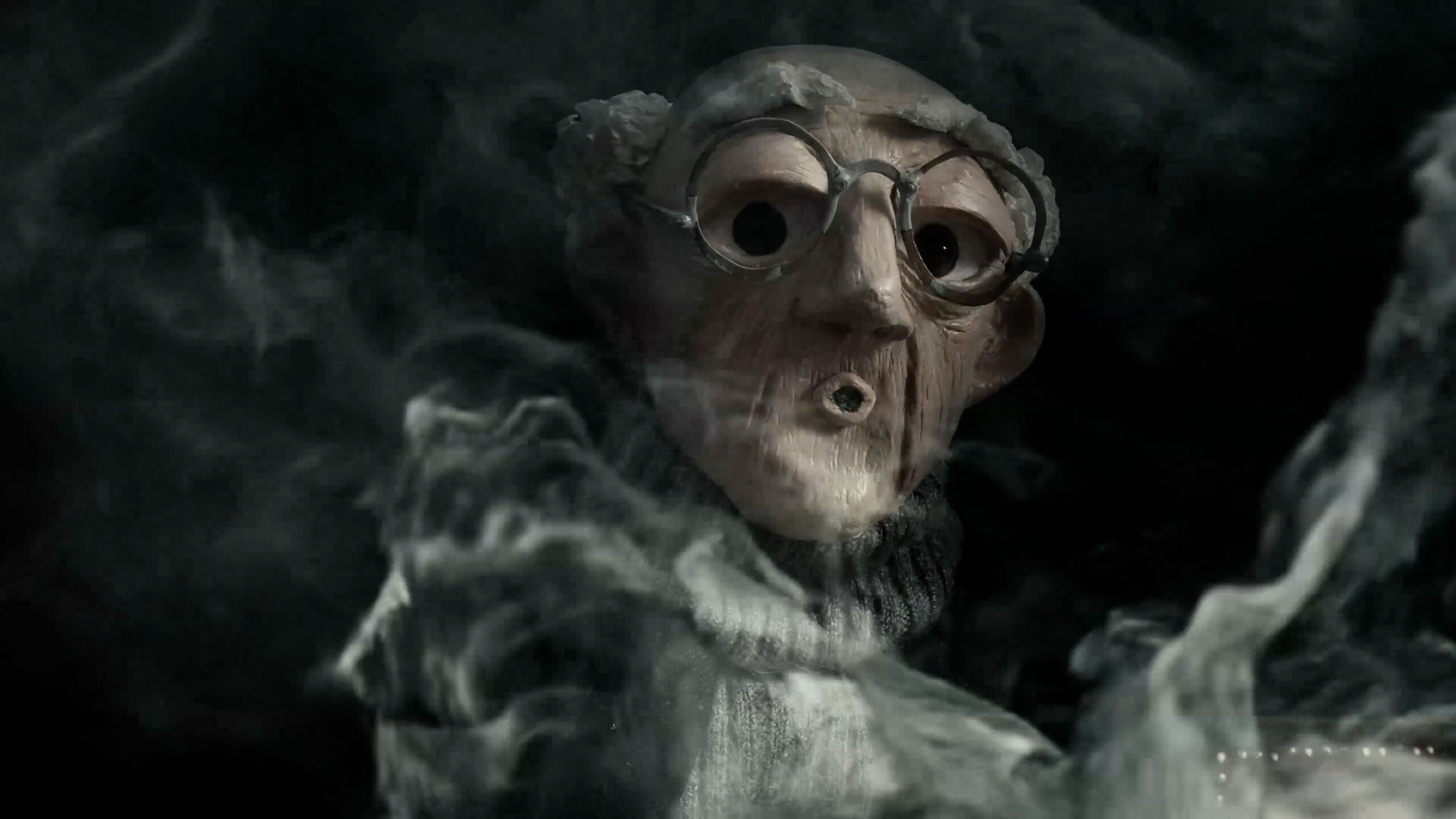
Fadi Syriani’s 16-minute stop-motion animated short film, developed over five years across Beirut and Denmark, follows Vladimir, an elderly man, through his daily ritual of reading obituaries and attending strangers’ funerals. What initially reads as routine slowly reveals itself as ritual mourning as survival mechanism, repetition as a lifeline. Through this quiet, almost absurd structure, Syriani constructs a meditation on grief: not only for a lost loved one, but for a homeland, a city, a future that is being violently eroded.
His family’s neighbor in Beirut, Vladimir, used to dress up to go to funerals, weddings, receptions, and any social events just to meet people. This became the initial inspiration for the film. “I was sure I wanted to tell the story of a character who would only go to funerals. That was the starting seed. And then I started looking at his life, exploring questions such as ‘What would this person do when he’s at home? What is his routine? Why is he going to these funerals?‘”
Each morning, Vladimir leaves his apartment to attend another stranger’s funeral, passing the same streets, the same decaying flower shops, the same city caught in permanent suspension. Every time he steps outside, there’s a little girl waiting for him, perched on his porch. She’s seen playing with her doll, always attempting to speak to him. However, he refuses to acknowledge her. He walks past her again and again, sealed inside the rituals of his mourning.
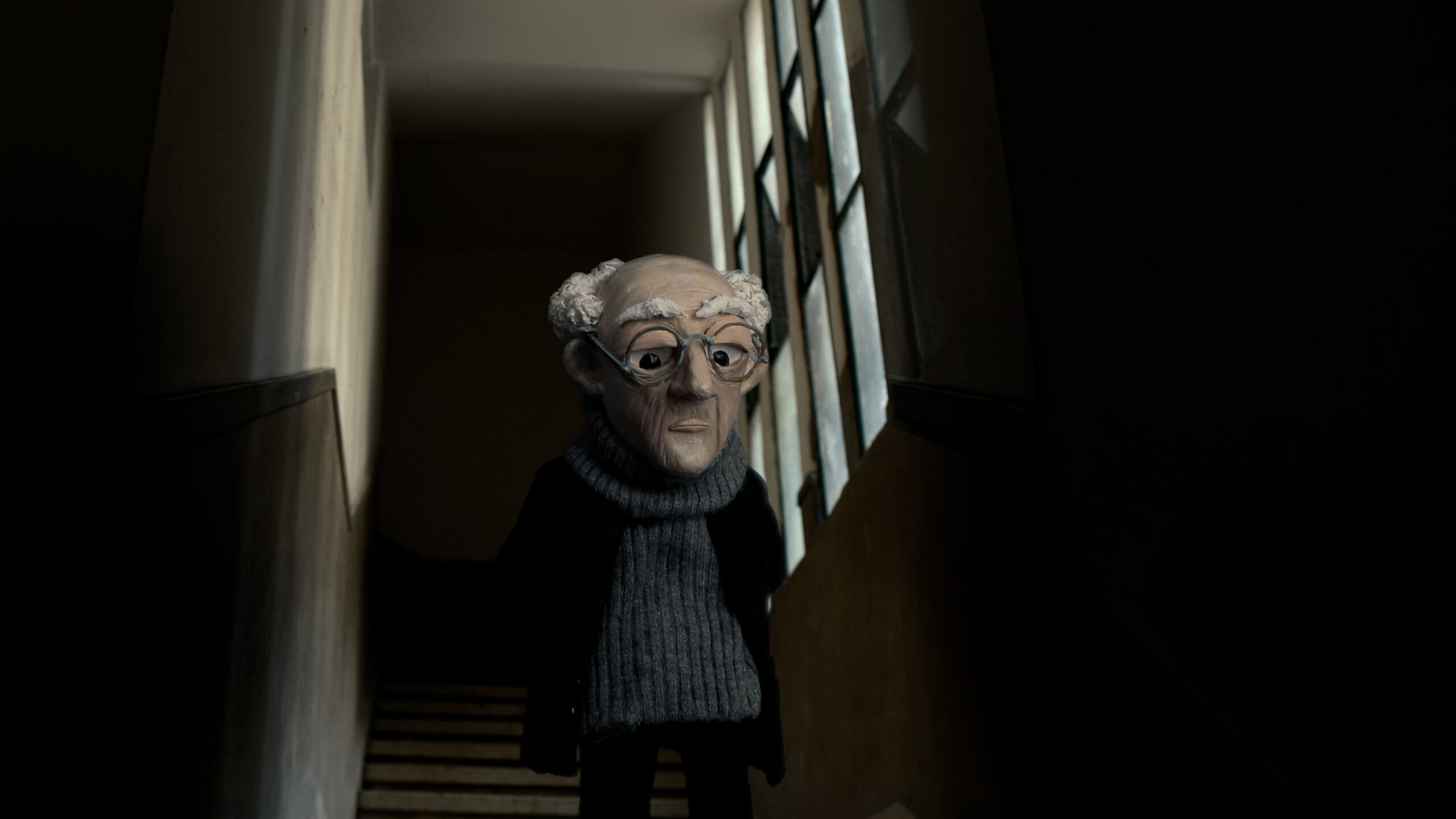
Initially, while watching the film, I read him as the brooding old man — a figure we’ve seen again and again in the stories we tell; the taciturn elder in Iranian films like Mamiroo (2015), and in quieter, existential dramas such as Pookkaalam (2023), or the distant father figures that populate Arabic television dramas and Gulf films.
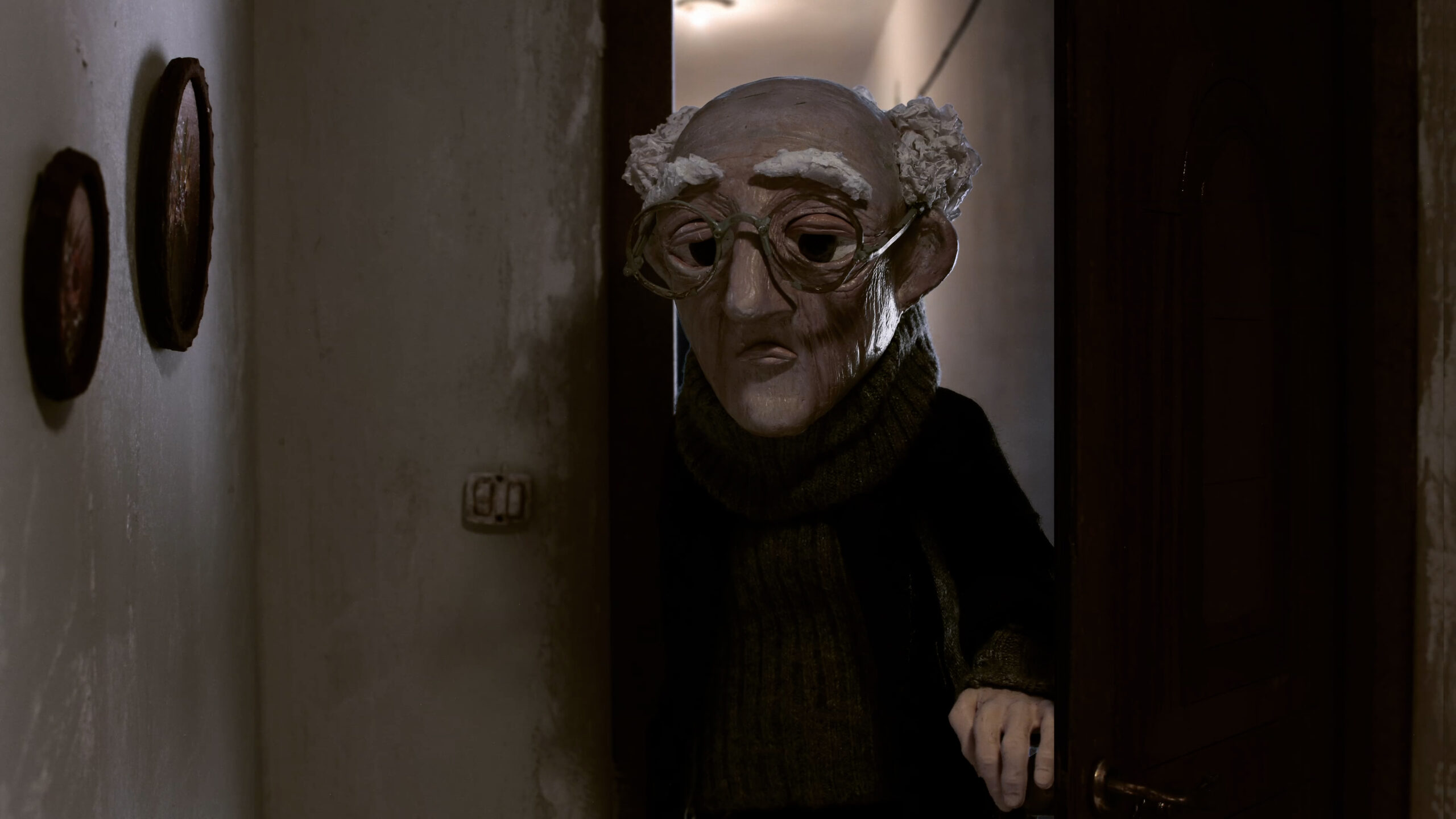
Syriani however slowly unravels the surface of these characters, often portrayed as hostile and distant. Midway through the film, it becomes clear that Vladimir is not purposelessly attending funerals; he is grieving his dead wife. At home, he opens door after door: some flood the room with blinding light, others collapse into suffocating darkness, as if he is repeatedly crossing a threshold he cannot fully enter or retreat from. In one quiet sequence, his dead wife appears beside him, tending to flowers in a pot.
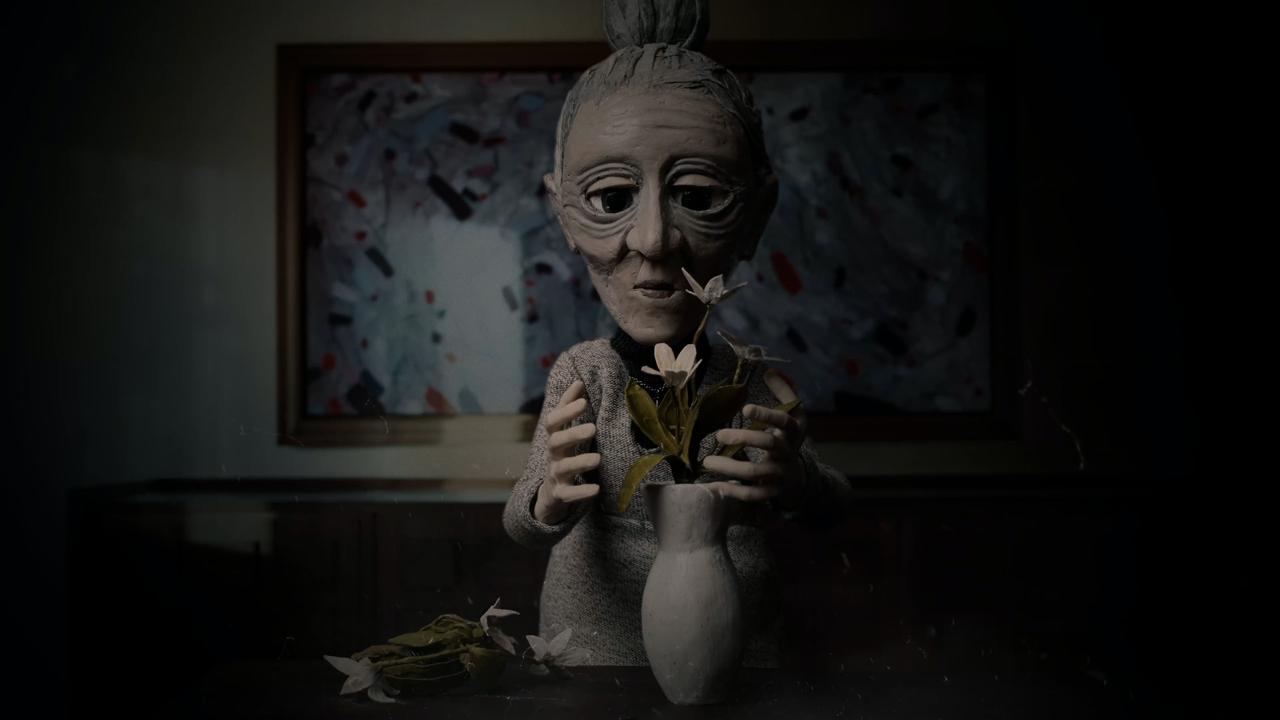
As the audience, we sit through this ritual with Vladimir. We move through his days quietly, alongside him. I remember my confusion at the endless visuals of caskets, most empty. And then, the third time he ignores the little girl on his way to a funeral, I break down. To love, to want to comfort those around you — children, parents, friends is perhaps the most primal, fundamental human instinct. How easy it would be to label him a cruel old man. And yet, I feel my solidarity with him.
I see my grandparents, forced into exile from their town to escape genocide, building lives in a foreign city, going to work every day. Folding themselves into routines that never let them pause, never let them mourn. I see my friends attempting to navigate loss under systems that leave no room for our grief. Sick days are measured, work schedules dictate our existence, and yet the machinery of capitalism and imperialism insists we carry on. Our bodies, rendered instruments of production, have no time to feel, to grieve, to simply be human. Loss accumulates like balls in a slot machine. Routine is presented as comforting, as control, all an illusion. Imperialism, war, and systems of extraction seek to erode what is fundamentally ours: the ability to love, to inhabit our grief, to nurture human connection.
Syriani’s animated short film is perhaps the most devastating articulation of this condition I have encountered. The film uses stop-motion animation and hand designed puppets to explore these themes of loss and memory, while portraying a quiet mourning for a lost loved one, homeland, and poignant in its attempt to hold our collective grief. I find myself wondering whether audiences whose eyes are trained to scroll past horror might be more destabilised by the fragility of handmade puppets, by loss rendered tactile, intimate, impossible to ignore. For some, reality is encountered through films, articles, and screens. Something they can close, exit, and move on from. For others, grief violently becomes a next-door neighbor, rupturing into daily lives. There is a particular violence in how devastation from the SWANA region is consumed: packaged into festivals, panels, screenings — flattened into a spectacle that allows the privileged viewer to leave feeling informed, ethical, even proud of their awareness.
The film took five years to reach the screen. By 2020, the script was complete. Then came the Beirut port explosion. For nine months, filmmaking stopped. Survival took precedence: mourning friends, repairing homes, holding what remained of the city together.
“Gradually I understood that the loss I was addressing with the film was too small. The story had to expand. The grief was no longer just personal. It belonged to everyone. From Palestine, Yemen, to Sudan. It’s never-ending.”
Transforming accordingly, All This Death became an attempt to hold the weight of collective loss. In one sequence, obituary pages fall endlessly. The protagonist tries to remove them, erase them, deny their accumulation, but they become overwhelming. The gesture is futile. “He’s lucky,” Syriani adds. “He can still mourn. In Gaza, people cannot even bury their dead.”
How many of us move through life with that degree of awareness: conscious, visceral, that we could meet our end tomorrow, today, in a minute? For some of us, no singular trauma is required to confront the inevitability of death. No philosophical revelation, no grand turning point. Our environments, our conditions, our histories have made sure that loss remains a neighbour. To live untouched by death is not innocence but privilege. A byproduct of distance, geographical luck.
We would not have All This Death without Destin Animé (2007), Syriani’s first animated film. Made shortly after graduating, the film follows a man trapped in cycles: waking, commuting, attempting to function, returning home. Its production was as fragmented and obsessive as the life it depicts. The film was not born from inspiration but from fixation. Syriani’s long-standing obsession with life, death, and what follows.
Destin Animé offers no overt social commentary. Capturing a graduate’s anxiety around corporate doom and the suffocating routines of hyper-capitalist life. It simply observes: wake, commute, attempt, return, repeat. A life of ritual until said ritual ends. How labour colonises our days, our rhythms, our identities. Nothing is defined: no dialogue, no biography, no profession. “I didn’t want him to have a specific job. He is simply trying to do something right before he dies.” Looking back, it reads almost prophetically: infused with end-times unease, echoing the apocalyptic sensibilities that those in the SWANA region recognise instinctively.
Syriani, architect-turned-filmmaker, animator, and educator, landed his first architectural role around that time simply because his boss liked that he played the saxophone and had animated short films. Twenty years later, after leading international projects across Dubai and Doha, he quit. He handed in his resignation with his first animated short film. “I’m becoming this guy,” he told his boss, referring to the Sisyphean protagonist. “I need to go and do something about it.” What he did was return home — to Beirut, and to animation.
“Going back to Beirut,” he tells ICON MENA, “I understood that beyond aging parents and friends, I was returning to a city where I had to face a loss no one should be subjected to: the sudden disappearance of people, of spaces, of an entire fabric of life. We’re still in danger. Just yesterday, Trump and Netanyahu gave each other the green light to bomb Beirut again. We were never safe. It never stops. It’s not an exceptional tragedy. It’s become our routine.”
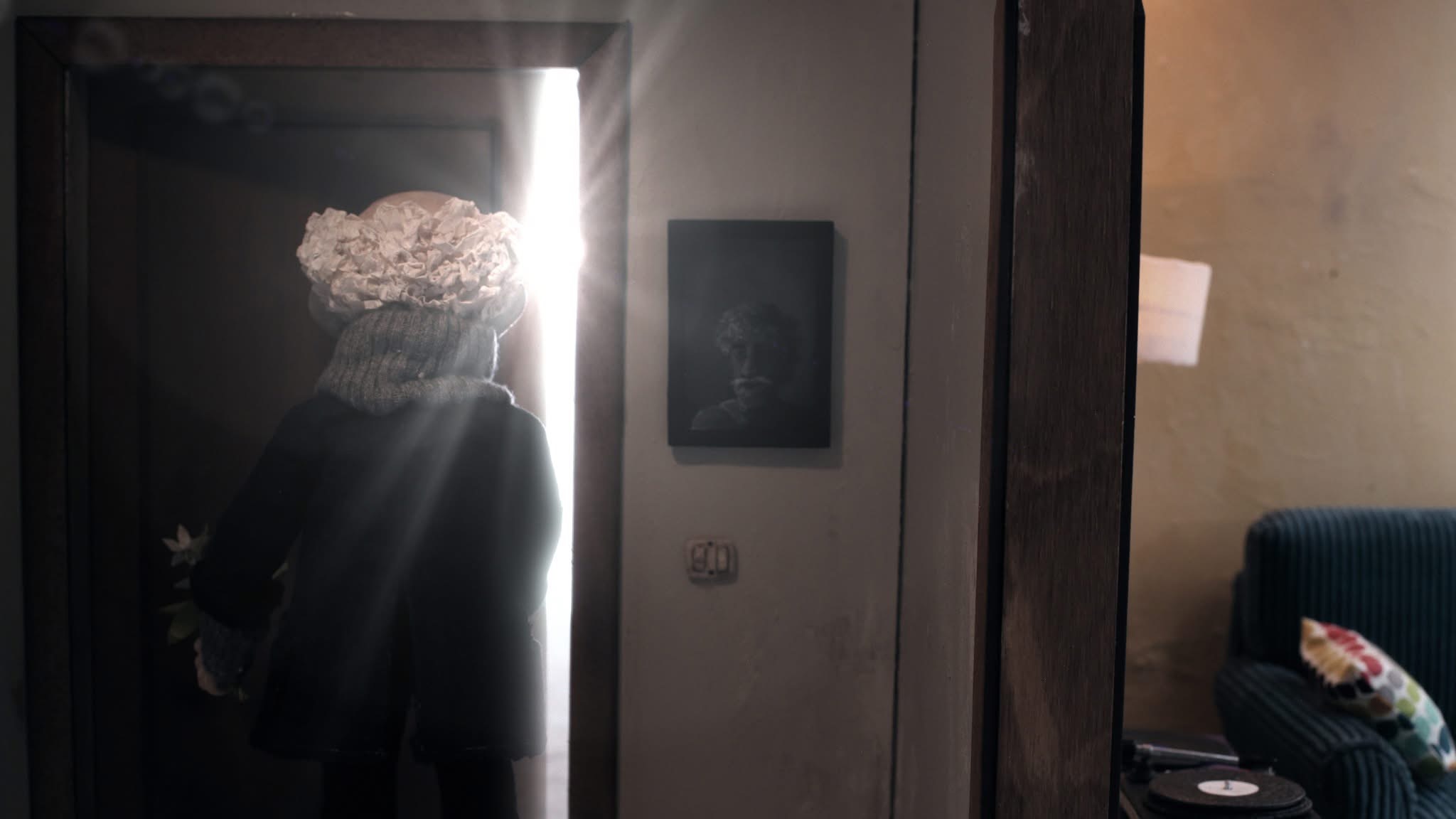
With the script almost completed, Syriani still remaind uncertain and unsatisfied with the ending. He decided to take part in a writing residency. Traveling to Denmark, he developed his own ritual: wake, shower, breakfast, walk, return, shower again, work. During one of these walks, he remembered an old woman he had met twenty years earlier in Beirut. She lived in a deteriorating house. Each year, one room would become uninhabitable. The ceiling would collapse. She would lock the door. Close it. Move on to the next space.
This image entered the film. The protagonist repeatedly opens doors into blinding light. He opens others into suffocating darkness. Each door becomes a threshold: between denial and acceptance, between memory and forgetting, between life and what comes after. “He’s crossing a threshold,” Syriani explains. “Almost dying every day.”
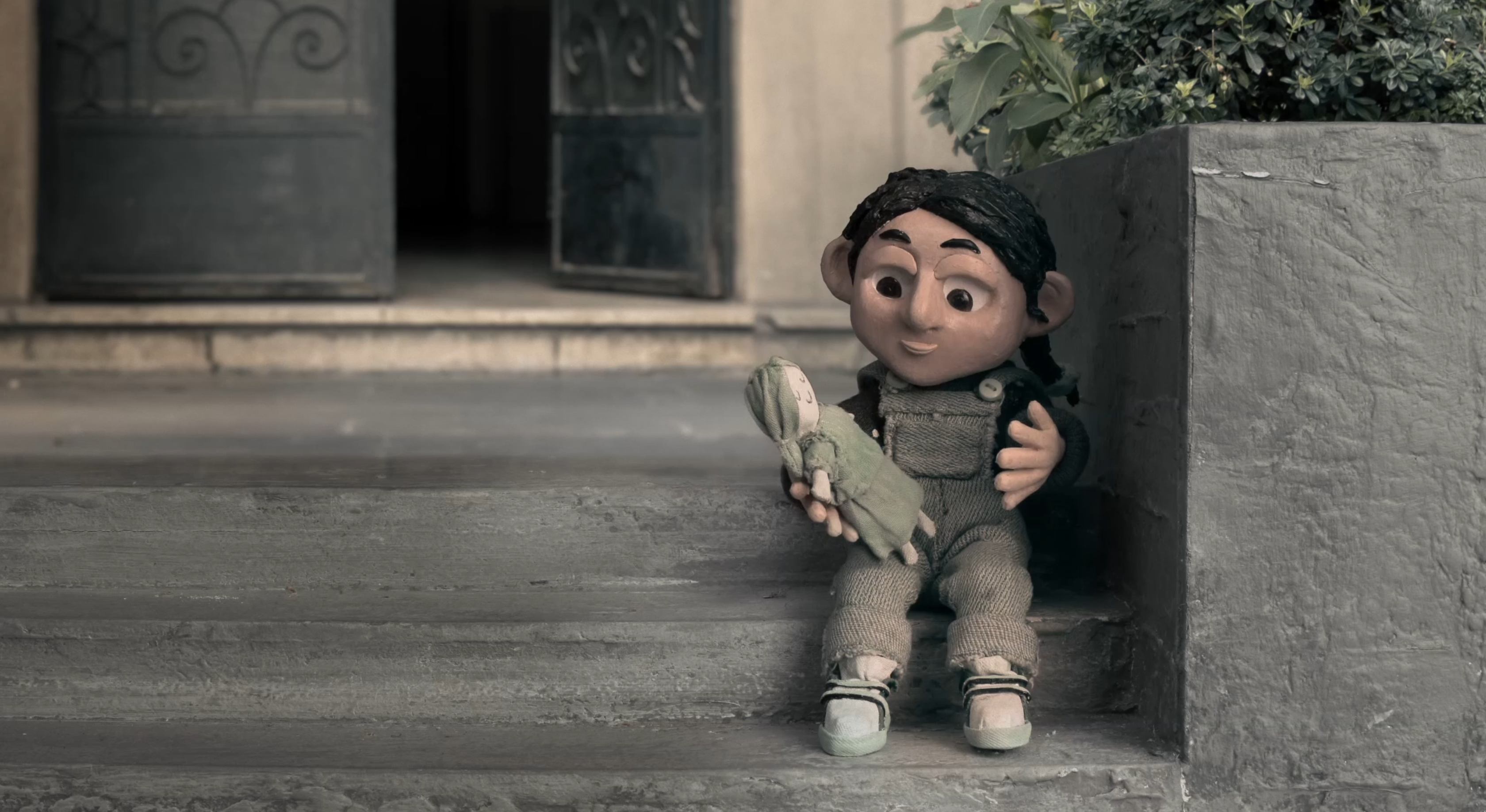
Early drafts contained multiple characters representing fragments of the protagonist’s grief for his lost wife. Over time, only one remained: the little girl. Each time Vladimir steps outside his home to attend another funeral, she is already there, waiting on the porch. A small figure holding a doll, trying again and again to speak to him, to make herself known, to establish some fragile line of connection. Throughout the film, she attempts to connect with him again and again. He never responds. He passes her daily, absorbed in the rituals of his mourning, sealed off within his own interior world. Children do not abandon connection as easily as adults do. Perhaps we should learn from them.
In the beginning, she plays with a doll, trying to make it fly. By the end, we understand she was rehearsing all along. Preparing for the final meeting. For both the filmmaker and the character, she becomes a way to imagine what comes after. “She knew he wasn’t ready yet, but she never left. It was a way for him and for me to understand that whatever happens in this realm and wherever we’re living now, despite it all, the end is sweeter,” He tells ICON MENA. “She’s trying to tell us, the afterlife is not so bad.”
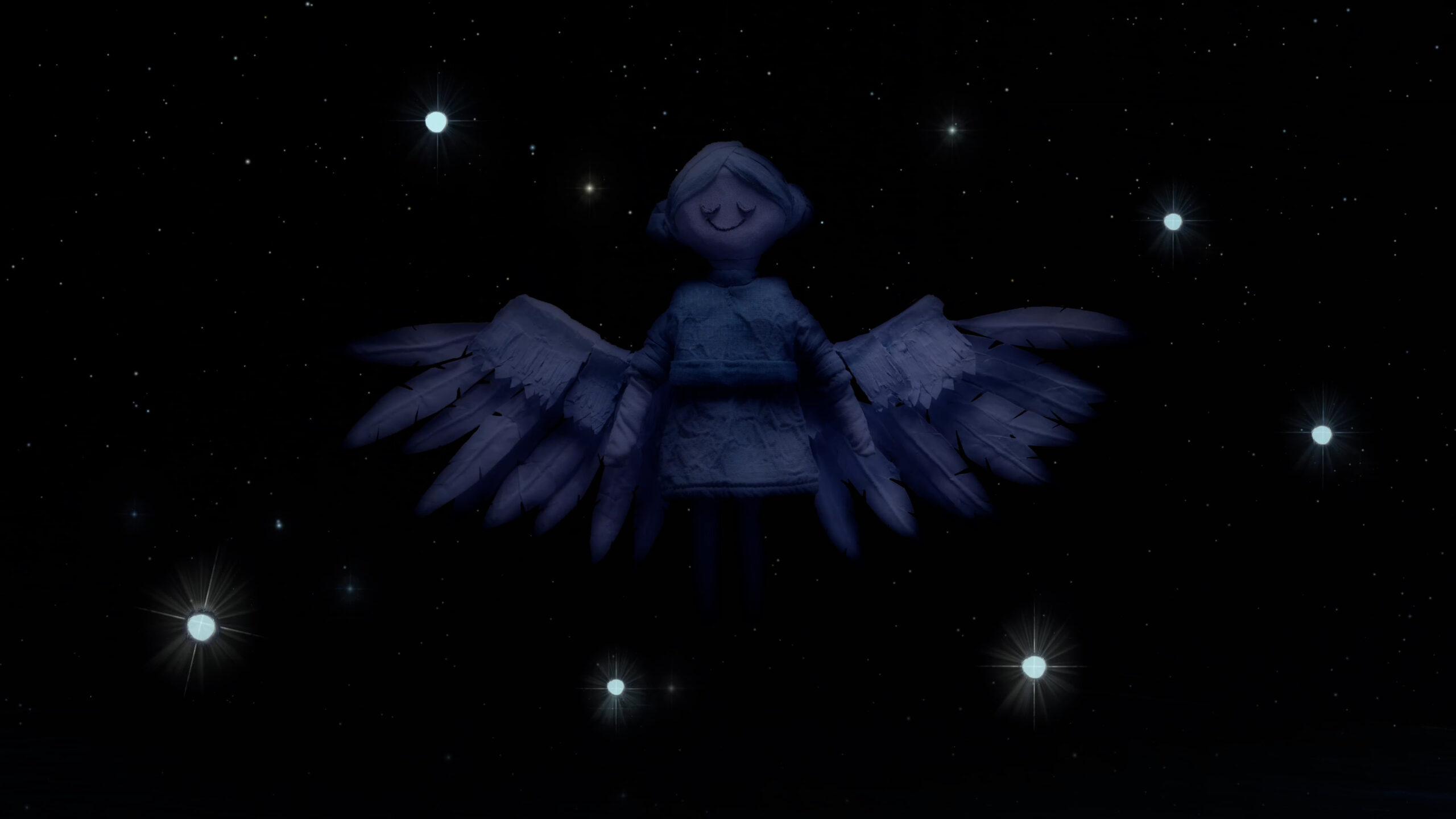
During the final moments, she throws her doll toward the sky, where it transforms into an angel. It is a disarmingly simple image, yet one weighted with intention: Syriani’s refusal of grand theology in favour of something more comforting — an imagined afterlife shaped by our innate need for consolation.
He recalls something his four-year-old son once said: “When we die, we get wings. We fly into outer space. And then we die again.” In the middle of so much destruction, devastation and loss, the girl becomes a fragile reminder that perhaps those we have lost are not lost in the way we fear, that they are in a better, warmer place. “It’s a very childish, poetic way of comforting ourselves.”
During Syriani’s conversation with ICON MENA, he repeatedly stresses, “I insist that the younger generation needs to read. They need to sketch, they need to write, they need to take pictures, they need to listen to music, and they need to be attentive to everything around them outside of this small screen. Reading helps a lot, and so does watching films, such as Amour (2012), Father and Daughter (2000), and short stories like Simone de Beauvoir’s A Very Easy Death (1964). Just a lot of research on death and what happens next, and not just for the sake of references. I think it’s important to go on this journey fully.” Most sequences in the film also come from stories Syriani had heard when he was five, when he was eight, when he was twelve.
“When you have ‘lived’, telling a story isn’t a decision you get up one day and make. It is as simple as following an instinct; it just happens.”
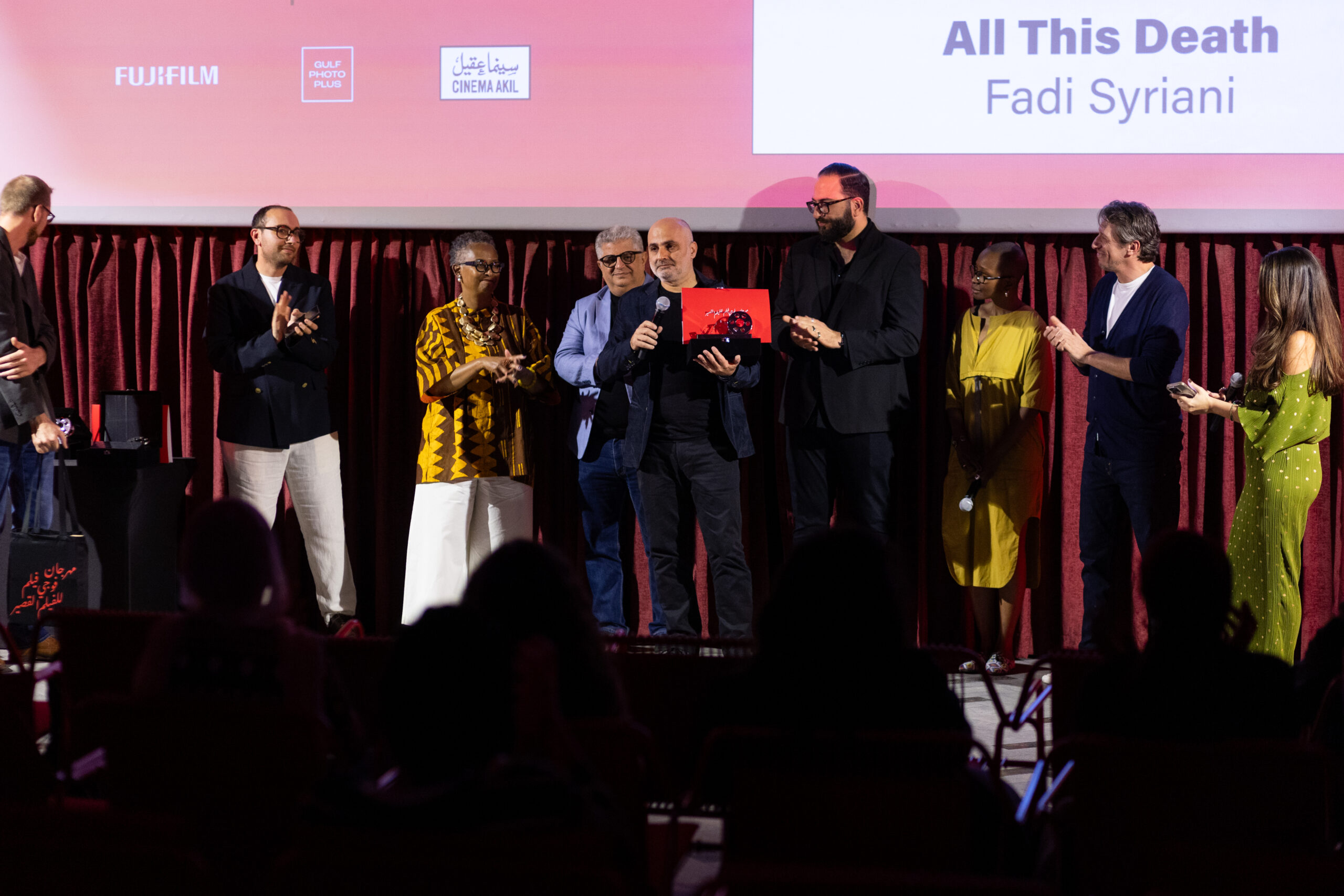
After winning the Fujifilm Award, Syriani struggled to speak. “I was happy, of course. But the only thing I found myself saying was: cinema doesn’t help.” Even after years of researching death, animating it, thinking through it, and mourning it did not render him immune. When his father died, the process did not shield him. “I cannot say this was healing. I only hope it resonates. That it makes people consider the scale of loss we are living through. Maybe my work can be the seeds for something, someday. The awards, the prizes, and the recognition is nice, but that’s not really the purpose of what I’m trying to do. And if it becomes the purpose, then I think I lose,” Syriani is telling these stories out of necessity.
Fadi Syriani is not just attempting to answer what happens after we die. He is asking something more urgent: how do we survive while living inside such a continuous catastrophe? What comes next after such shameless collapse? What comes next after All this Death?
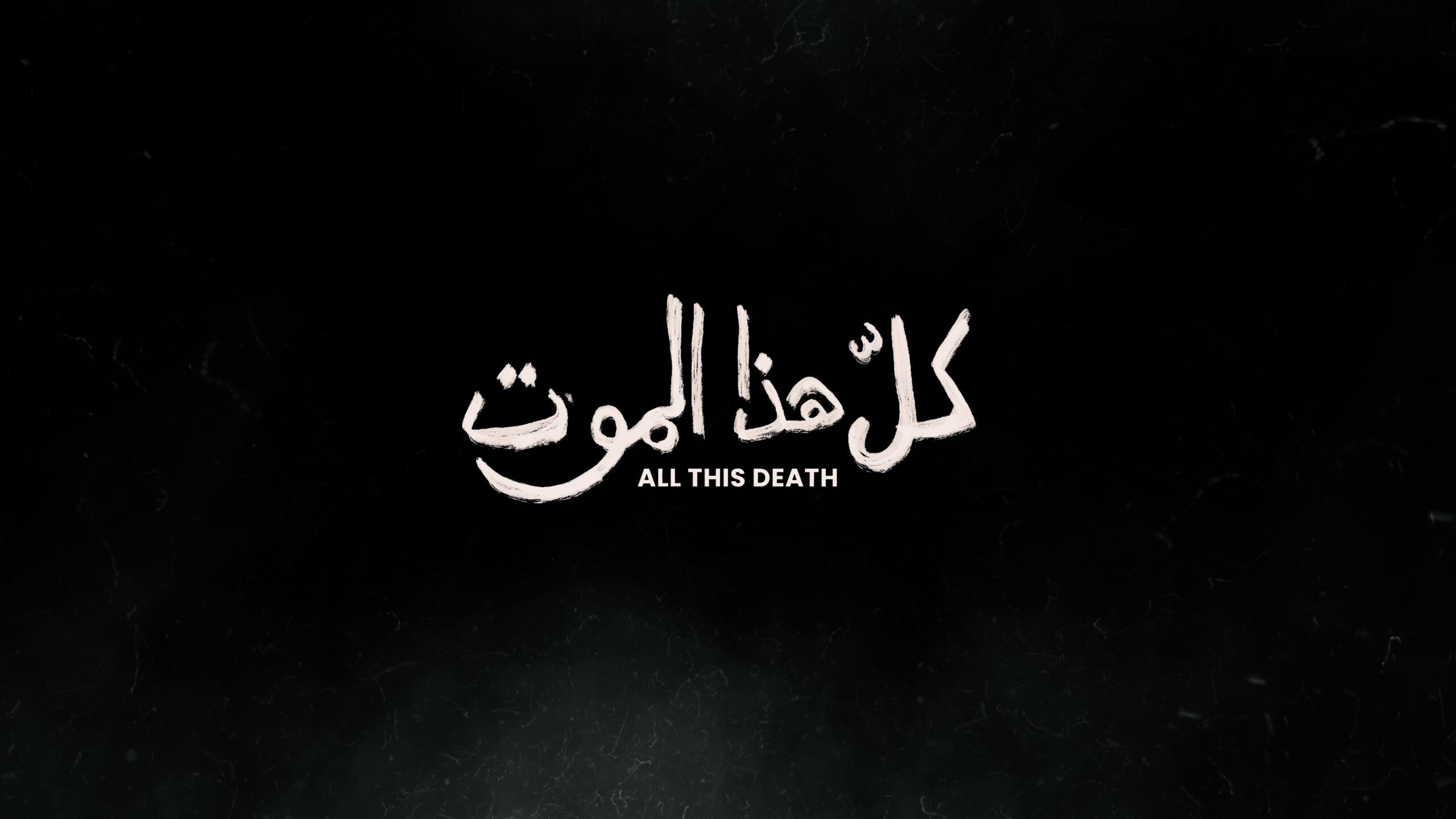
All This Death is an award-winning short film that made its world premiere at the Annecy International Film Festival in June 2025 and went on to screen at major festivals across Europe, the Middle East, and the Americas, including Guanajuato, Fantoche, Animage, Beirut Shorts, and Doha. The film garnered significant recognition, winning Best Director, Best Film, and Best Sound at the Festival du Film Libanais in France, the Audience Choice Award at Beirut Shorts, and Best Narrative at the FujiFilm Short Film Festival in Dubai.
Artistically led by Fadi Syriani, the film was produced by Jana Wehbe (The Attic Productions), Georg Neubert (Reynard Films), and Maryam Al Khulaifi in collaboration with the Wroclaw Feature Film Studio in Poland. Puppets were crafted by Cécile Paysant and the animation was completed in Leipzig by an experienced animation team—Marcus Grysczok, Mona Keil, and lead animator Albert Radl—over more than 100 days, achieving an average of 5–6 seconds per day. Cinematography was handled by Markus Ilshchner and Pierre Moarkesh, with sound design by Lama Sawaya. Post-production, including compositing, VFX, and grading, was completed by Mahmoud Korek (The Postoffice) across more than 3 months in Beirut, Lebanon.
The film continues its festival journey this year, screening at Animatex in Cairo from 11–15 February and Kaboom Animation Festival in Amsterdam from 13–22 March.


