
News


Act by act, for the past two decades Alserkal has been setting the stage, building the infrastructure, shaping the backdrop, and creating the conditions for Dubai’s cultural ambitions to unfold on a global scale. Now, it moves to cement that legacy through a multi-year collaboration with Design Miami, bringing one of the world’s most influential collectible design platforms to Dubai and positioning the city within a powerful new triangle linking Miami, Paris, and the Middle East.
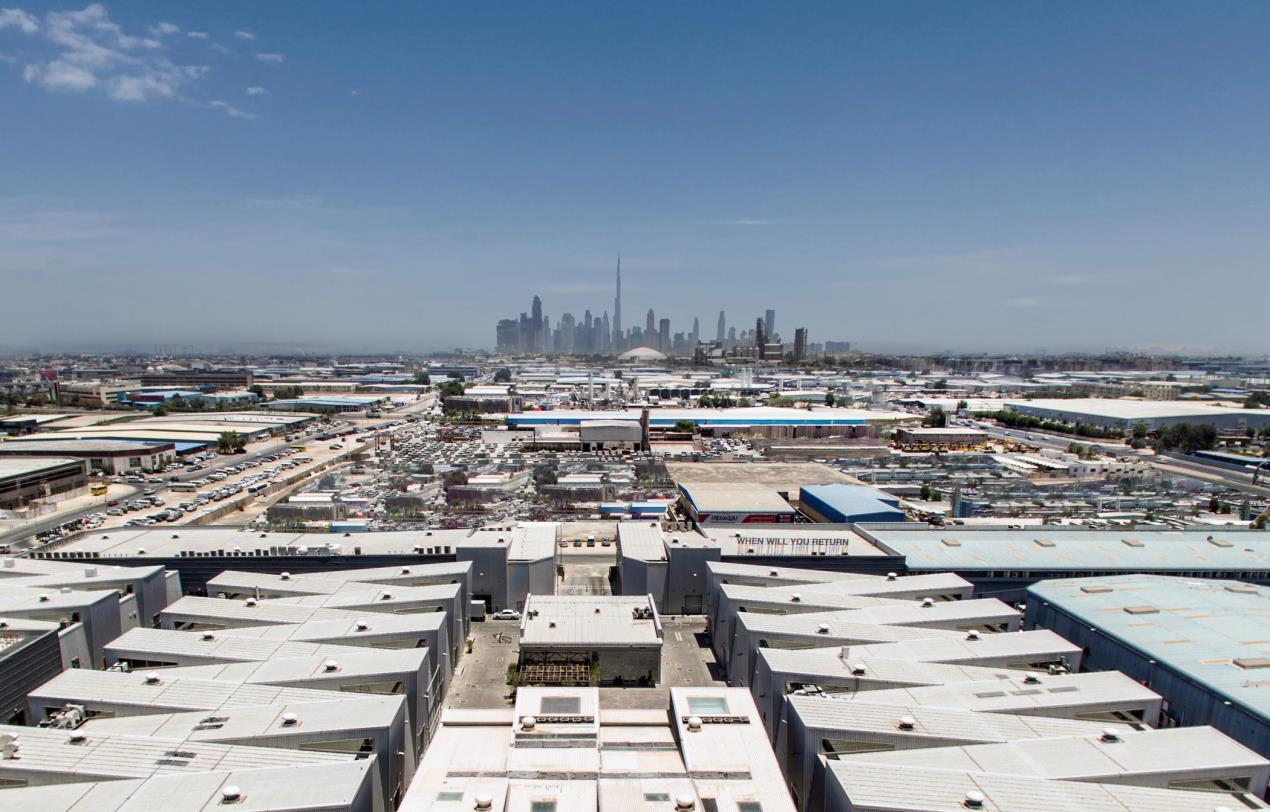
What began as a family-led commitment to creative practice evolved into a blueprint for how an arts ecosystem could take root, expand, and sustain itself in the MENASA region. From repurposed warehouses in Al Quoz to a district that now draws nearly two million visitors a year, Alserkal has spent the past seventeen years proving that cultural infrastructure matters and that it takes patience to make it last. At its core, Alserkal has never been about a single discipline. Contemporary art, performance, film, education, and design each has been given space to develop organically, supported by a belief that experimentation and public engagement are inseparable.
That ethos now sets the stage for its most significant design-led chapter yet.
For those less familiar, Design Miami occupies a very particular place in the global design landscape. Since its founding in 2005, the fair has been instrumental in defining collectible design as a serious cultural and commercial category — one that sits between art, architecture, craft, and innovation. With annual editions in Miami and Paris, Design Miami has become a meeting point for museum-grade galleries, designers pushing the limits of material and form, and collectors shaping the market itself.
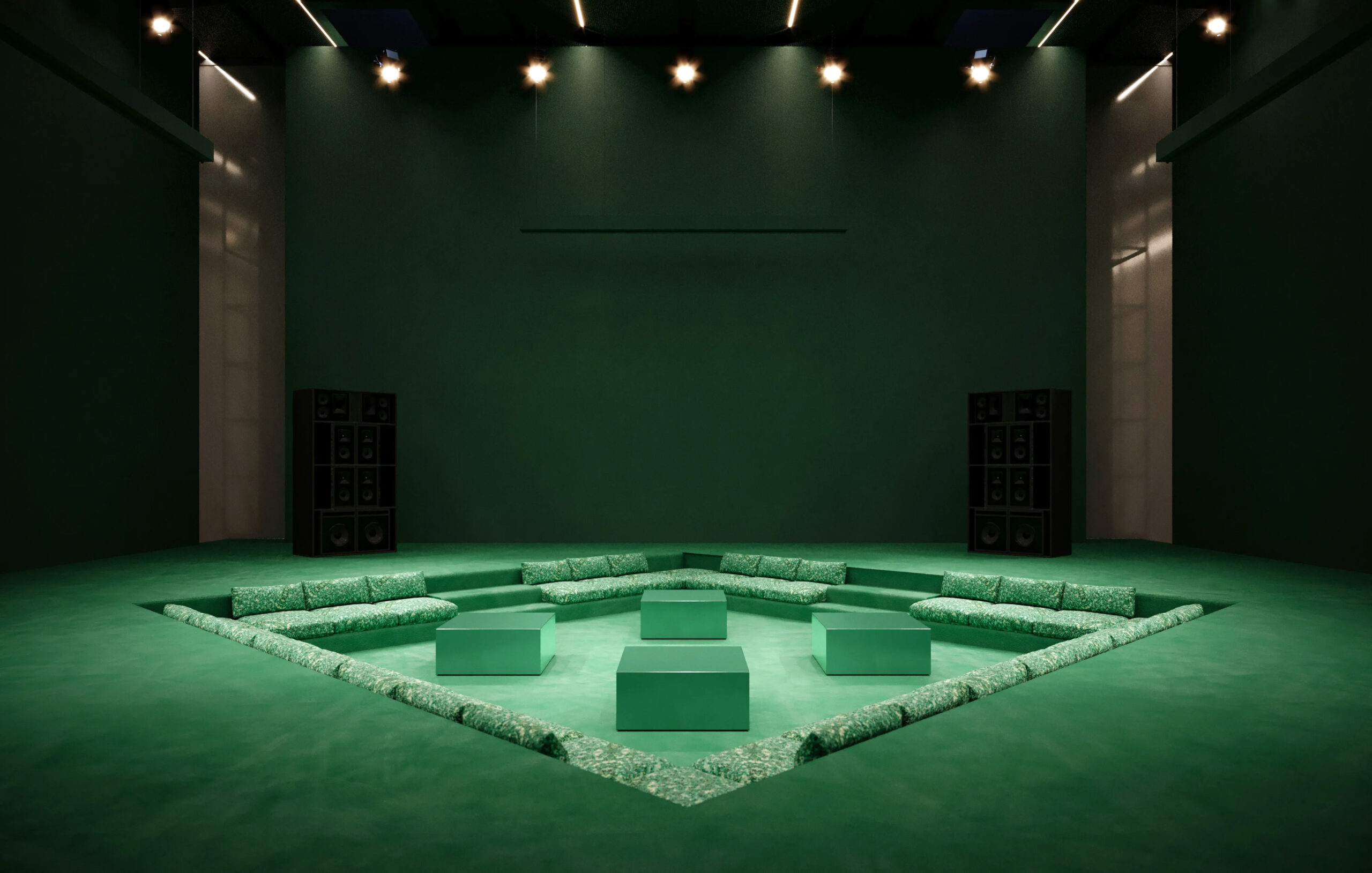
Unlike traditional trade fairs, Design Miami has always leaned into pushing ideas as much as objects. Its platforms are curated, discursive, and often experimental, foregrounding design as a cultural language rather than a decorative afterthought. Over the years, it has helped propel emerging practices into international visibility while maintaining a dialogue with established names. In short, it is not just where design is shown, but where design conversations are re-invented.
Design Miami, landing their platform in Dubai for the first time feels unsurprising. The decision to expand beyond its existing geographies was never going to be incidental. Dubai has spent the past decade steadily cementing itself within the global design conversation, and this partnership sets the wheels in motion for a broader regional dialogue centred in the city. Together, the two institutions are forming a new axis: Dubai, Miami, Paris. A triangulation that connects the Americas, Europe, and now the Middle East through a shared commitment to design that is both culturally grounded and globally engaged.
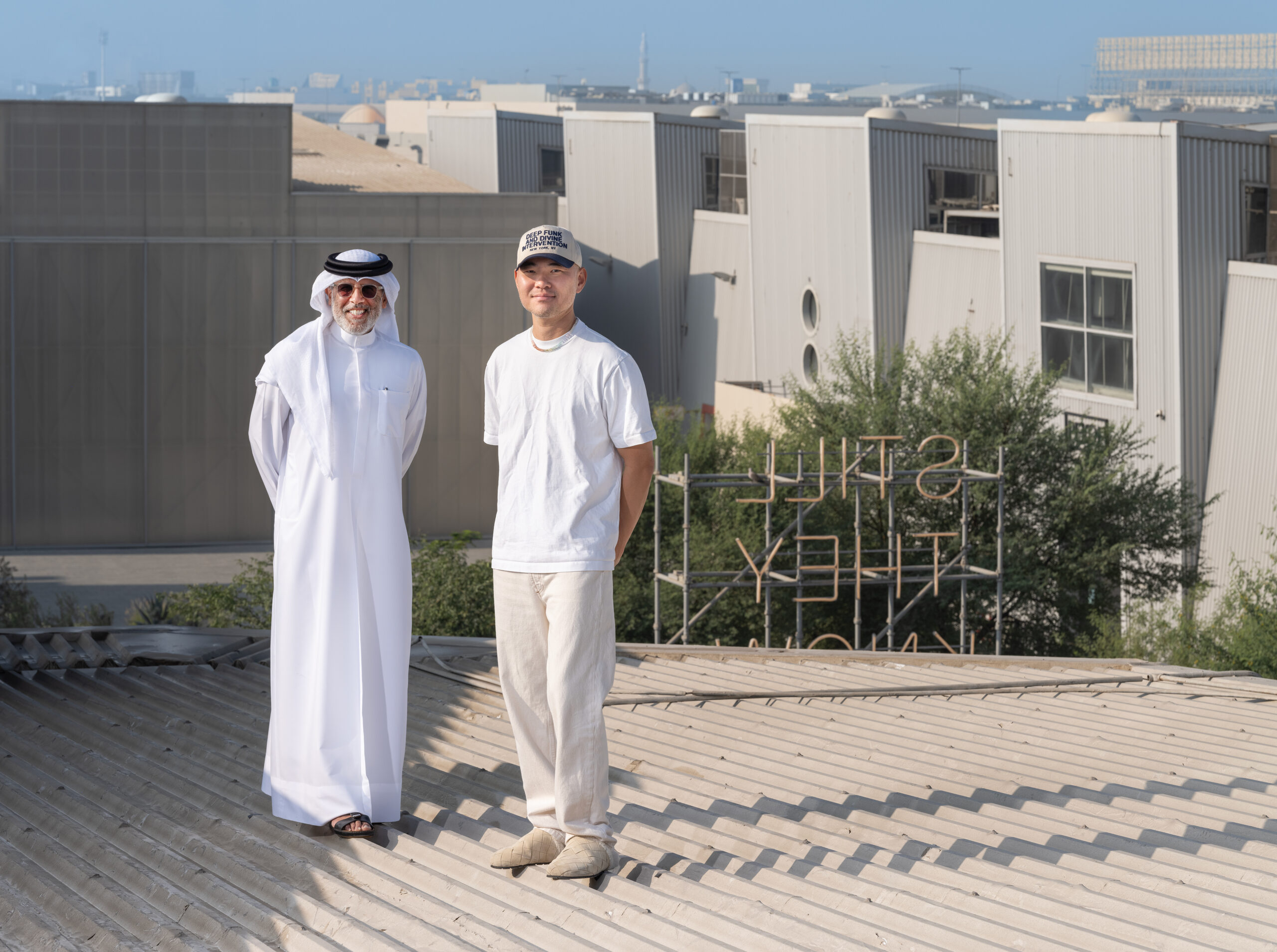
“Alserkal’s partnership with the Design Miami brand is of global significance: by triangulating Dubai with Design Miami’s platforms in Miami and Paris, we have created a powerful network driven by our shared values,” Alserkal founder Abdelmonem Bin Eisa Alserkal described. “From today onwards, we are united in a single, forward-looking design vision.”
Set to launch in early 2027, the collaboration will introduce a flagship collectible design fair in Dubai, accompanied by a year-round programme of design-led activations. Anchored in the city but conceived with a wider regional scope in mind, the platform is intended to grow across the Middle East, creating opportunities for designers, collectors, and cultural producers to connect. Crucially, this is not a case of importing a ready-made format. From the outset, the partnership has emphasized that the Dubai iteration of Design Miami will be shaped through Middle Eastern perspectives — informed by local histories of making, material culture, and contemporary practice. The aim is not to mirror Miami or Paris, but to develop a distinct identity that honours where it is placing its roots, Dubai.
The timing matters. Dubai is no longer positioning itself as an emerging cultural centre; it is asserting itself as a global one. Designated as UNESCO’s first Creative City of Design in the Middle East in 2017, the city has since doubled down on policies that place creativity at the heart of its economic future. With creative industries contributing significantly to GDP and ambitious targets to expand both the workforce and the number of creative enterprises, the arrival of a permanent collectible design platform feels less like an addition and more like an infrastructure upgrade.
Design shapes how a city breathes — present in the objects people use, the spaces they move through, and the rhythms of everyday life. By bringing Design Miami into partnership with Alserkal, Dubai is bringing the conversation home.


