News


On December 16, the Academy of Motion Picture Arts and Sciences announced the 15 shortlisted films for the International Feature Film category. For the first time in the award’s history, four Arab films have made the shortlist. Three female directors—from Tunisia, Palestine, and Jordan dominate this conversation, joined by Iraqi filmmaker Hasan Hadi, whose remarkable depiction of childhood also marks his directorial debut.
Three of these films: All That’s Left of You, directed by Cherien Dabis; Palestine 36, directed by Annemarie Jacir; and The Voice of Hind Rajab, directed by Kaouther Ben Hania tell Palestinian stories across decades, generations, and histories. Each was submitted by a different country: Jordan, Palestine, and Tunisia yet they are bound together by a shared urgency to confront the world’s failure to tell Palestinian stories fully, honestly, and with care. Good cinema does not shy away; it explores what must be told. It is, in itself, an ode to storytelling, a testament that truth prevails.
1. All That’s Left of You (Jordan) — DIR cherien dabis
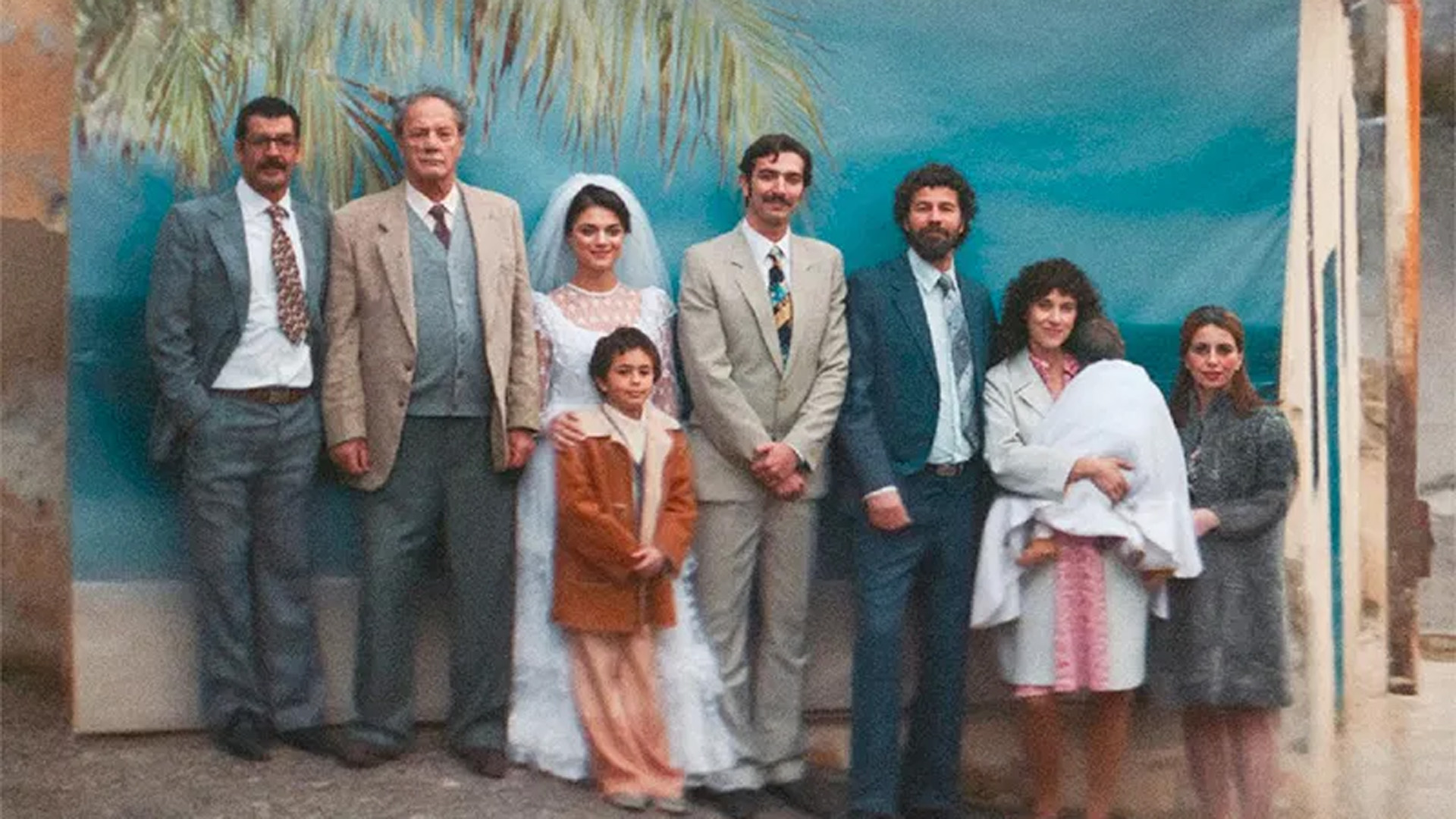
Told through the eyes of a mother, Cherien Dabi’s third feature traces the life of a Palestinian family living under Israeli occupation across three generations and nearly eight decades. When a teenage boy is swept into a protest in the occupied West Bank, a moment of violence fractures his family’s present prompting his mother to recount the personal and political histories that led them there.
Moving between past and present, the film bears witness to inherited loss, erasure, and survival, beginning in 1948 and unfolding through decades of displacement, exile, and quiet endurance. What emerges is an intimate portrait of family life shaped by dispossession, where hope is fragile yet persistent, and survival itself becomes an act of resistance. All That’s Left of You is a deeply moving meditation on memory, courage, and the legacies we pass down, even when everything else is taken.
2. Palestine 36 (Palestine) — DIR Annemarie Jacir

Set in 1936, as British colonial rule tightens its grip on Palestine, Palestine 36 unfolds against the backdrop of a country on the brink of revolt. Yusuf, a young man from the rural village of al-Basma, is caught between the land that raised him and a precarious life in Jerusalem, where he works as a chauffeur for a wealthy Palestinian businessman. As tensions rise between colonizer and colonized, city and village, privilege and dispossession—Yusuf begins to grasp the forces reshaping his world.
Yusuf moves uneasily between identities while witnessing how the suffering of farmers is dismissed by those insulated from its consequences. His work in the city strains his relationship with his father, who urges him to remain close to home to protect their land as encroachment intensifies. When violence strikes his family and his younger brother is imprisoned by British authorities, Yusuf is propelled toward political awakening, his personal grief giving way to collective resistance.
The film widens its lens through figures like Khalid, a laborer whose simple desire to provide for his family is thwarted by systemic injustice, drawing him into the uprising. As the revolt unfolds, Palestine 36 captures the brutal machinery of colonial repression while resisting easy moral binaries. Instead, it offers a layered portrait of a society pushed to its limits, tracing how ordinary lives are radicalized not by ideology alone, but by the cumulative weight of dispossession, humiliation, and denied futures.
3. The Voice of Hind Rajab (Tunisia) – DIR Kaouther Ben Hania

The Voice of Hind Rajab emerges from a single, devastating moment. On January 29, 2024, Red Crescent volunteers received an emergency call from Gaza: a six-year-old girl trapped inside a car under Israeli fire, pleading for rescue. Her name was Hind Rajab. The film takes shape around that call—its urgency, its waiting, and the unbearable silence that follows.
According to director Kaouther Ben Hania, the project began not as a planned work but as an immediate moral rupture. While in transit during the awards campaign for Les filles d’Olfa, she encountered the audio recording of Hind’s voice as it spread online. The experience was physical, destabilising, and inescapable. Unable to continue with any other project, Ben Hania sought out the Red Crescent, listened to the full recording, and spoke directly with Hind’s mother and the volunteers who remained on the line that day. From their testimonies, she constructed a fictional framework that retains the original audio, anchoring the film in lived reality.
“I cannot accept a world where a child calls for help and no one comes. That pain, that failure, belongs to all of us. This story is not just about Gaza. It speaks to a universal grief. And I believe that fiction (especially when it draws from verified, painful, real events) is cinema’s most powerful tool. More powerful than the noise of breaking news or the forgetfulness of scrolling. Cinema can preserve a memory. Cinema can resist amnesia.
May Hind Rajab’s voice be heard.”
Set almost entirely within a single location, the film keeps violence off-screen by design. Ben Hania resists reproducing the imagery that already saturates news cycles and social feeds, choosing instead to focus on what is less visible but no less devastating: the waiting, the fear, the procedural paralysis, and the emotional toll on those listening helplessly. The absence of images sharpens the experience, forcing the audience into a position of witness—unable to look away, pause, or disengage. The raw power of Hind’s recorded voice carries an emotional weight that needs no embellishment. The film walks a fragile line between amplification and intrusion, raising difficult questions about how fiction can engage with real, irreparable loss.
At its core, The Voice of Hind Rajab is driven by a refusal to accept a world in which a child calls for help and no one arrives. While rooted in Gaza, its grief is not geographically contained. The film insists on cinema’s ability to preserve memory, resist erasure, and hold space for a voice that must not be forgotten.
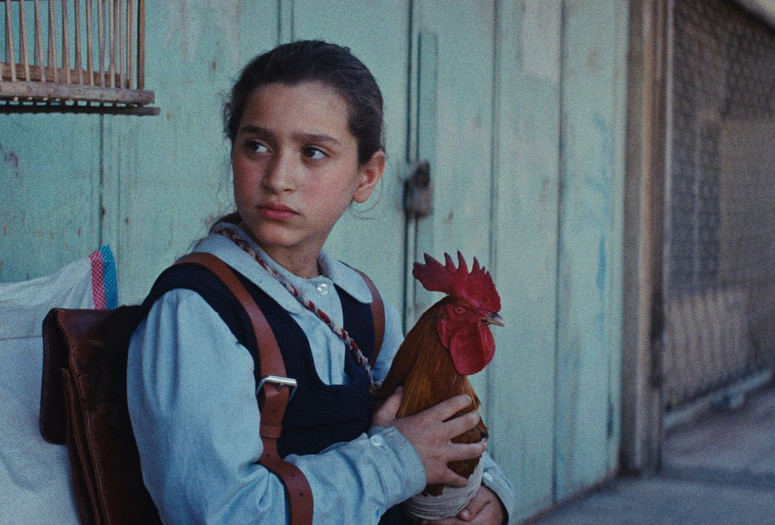
4.The President’s Cake (Iraq) — DIR Hasan Hadi