News


When Rahim is introduced in Netflix’s Sex Education, it’s in a slow-motion shot that glides through the bustling halls of Moordale Secondary School, immediately framing him as a heartthrob. Played by ICON MENA cover alumnus French-Moroccan Sami Outbali, Rahim’s allure is not just visual but socially constructed: one of the gossiping students murmurs, “I heard he’s the son of a Middle Eastern prince.” The line does more than signal privilege. It subtly encodes the exoticisation of Arab and Muslim characters, positioning Rahim as simultaneously desirable and other, a trope that threads through Western teen narratives and shapes how audiences are primed to perceive characters from these backgrounds.
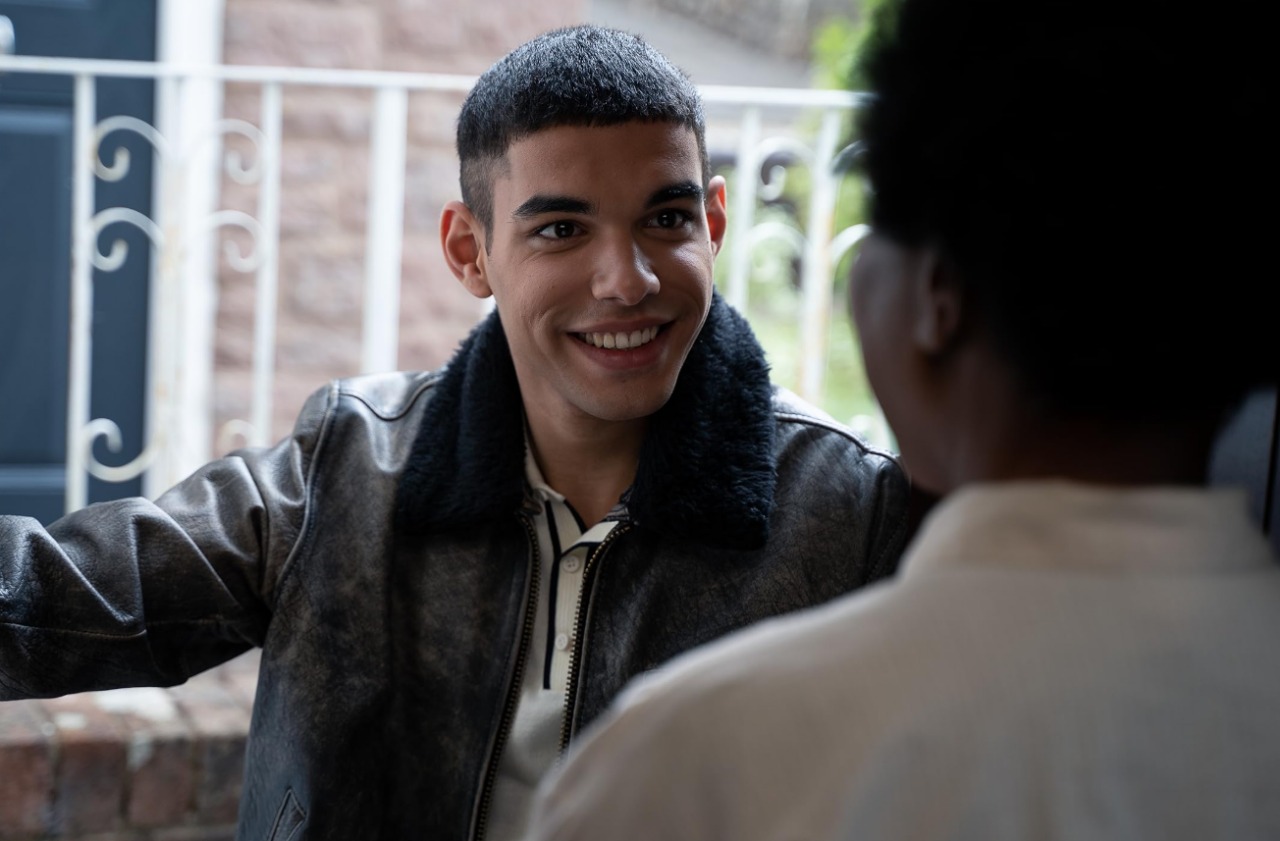
I remember watching that episode, and that line immediately caught me off guard, probably because it leaned into the familiar stereotype linking Arabs with royalty and “Arab money”, or because it casually conflates North African and Middle Eastern identities as if they are interchangeable.
For a show otherwise lauded for its nuanced portrayal of coming-of-age characters across different backgrounds, gender identities, psychologies and sexual expressions, Rahim’s backstory feels surprisingly flat. There’s no exploration of his heritage or family context, reducing him to the new “hot” guy entangled in a love triangle. By omitting a distinctive background, the show effectively casts him as a generic brown or “Middle Eastern” character, which then opens the door to exoticisation, mirroring how the other characters treat him. Even now, I’m torn: would it have been better for the show to anchor him with a specific country and risk misrepresentation, or to leave him stateless, hovering in ambiguity, avoiding any missteps but also denying him depth?
There is an extensive discourse on the representation of Arab and Muslim characters in media post-9/11, but that is not the focus of this piece. Here, we’ll look at the various ways Arab and Muslim coming-of-age characters are portrayed in both Western and non-Western shows. The coming-of-age genre in literature has deep historical roots, with examples long predating its codification as a distinct category in film. These narratives, often referred to as bildungsroman (German for “novel of formation”), centre on a young protagonist’s transition from youth to adulthood, exploring psychological, moral and emotional development. Crucially, it is important to recognise that Western psychological frameworks do not automatically map onto Arab experiences: differing values, cultural traditions and social structures mean that even the process of coming-of-age, including puberty, constitutes a distinct rite of passage within these contexts.
To be fair, “Arab” is a leaky term, impossible to generalise, a trap many writers and producers consistently fall into. Across 22 countries, the Arab world encompasses a vast array of cultures and subcultures, and even within a single country, hundreds of ethnicities coexist. We cannot be reduced to a single character, yet that does not excuse misrepresentation. It remains misrepresentation, plain and simple. It may be too early in the article to announce the thesis explicitly, but the principle is clear: representation only matters when it is done properly. Either commit to it with nuance and care, or don’t bother at all. We are more than fine.
Before Sex Education, there was Elite, the hit Netflix Spanish teen crime drama set at Las Encinas, an exclusive private high school in Spain, where a recurring murder mystery drives the plot. Among the main student ensemble are siblings Nadia and Omar Shanaa, Palestinian Muslims played by Mina El Hammani and Omar Ayuso, both of Moroccan descent. Their mother is Moroccan, their father also of Moroccan heritage. (The family then could easily have been written as Moroccan rather than Palestinian.) Positioning a “conservative” Muslim family within a show saturated with sex, drugs and violence is a curious choice, particularly as the two teenage characters are framed around a “struggle” with their identity. This framing seems less about authentic cultural exploration and more about producing dramatic tension through the lens of difference and othering.
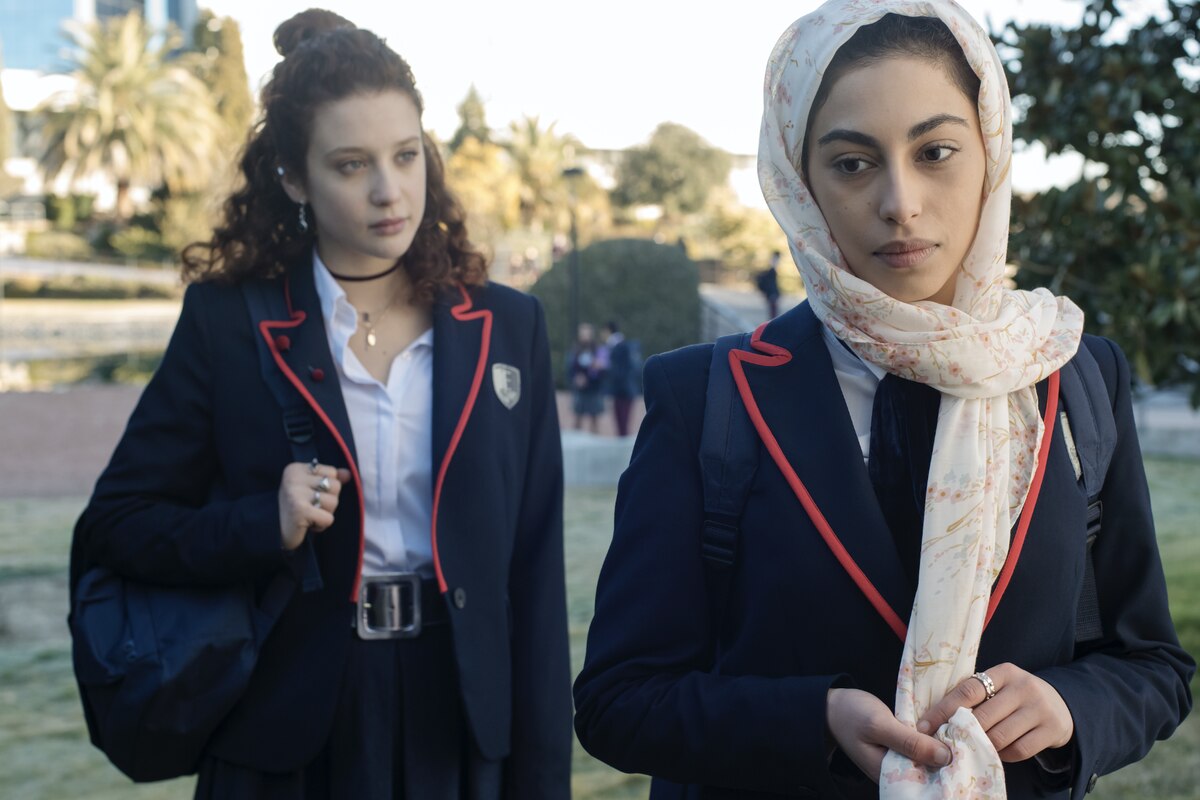
Nadia Shanaa’s storyline in Elite centres on her experience as a scholarship student at Las Encinas and her attempt to navigate the tension between her Palestinian Muslim identity and the pressures and freedoms of her elite school environment. Her conflicts with her conservative parents, particularly around wearing the hijab, become a recurring narrative device, and as she gradually gains independence, the show frames her assimilation into the school’s culture as coming at the expense of her Muslim heritage. Her romantic relationship with Guzmán, one of the wealthy students, reinforces this dynamic: he effectively “frees” Nadia from her strict father, a trajectory that slips into the familiar white-saviour trope.
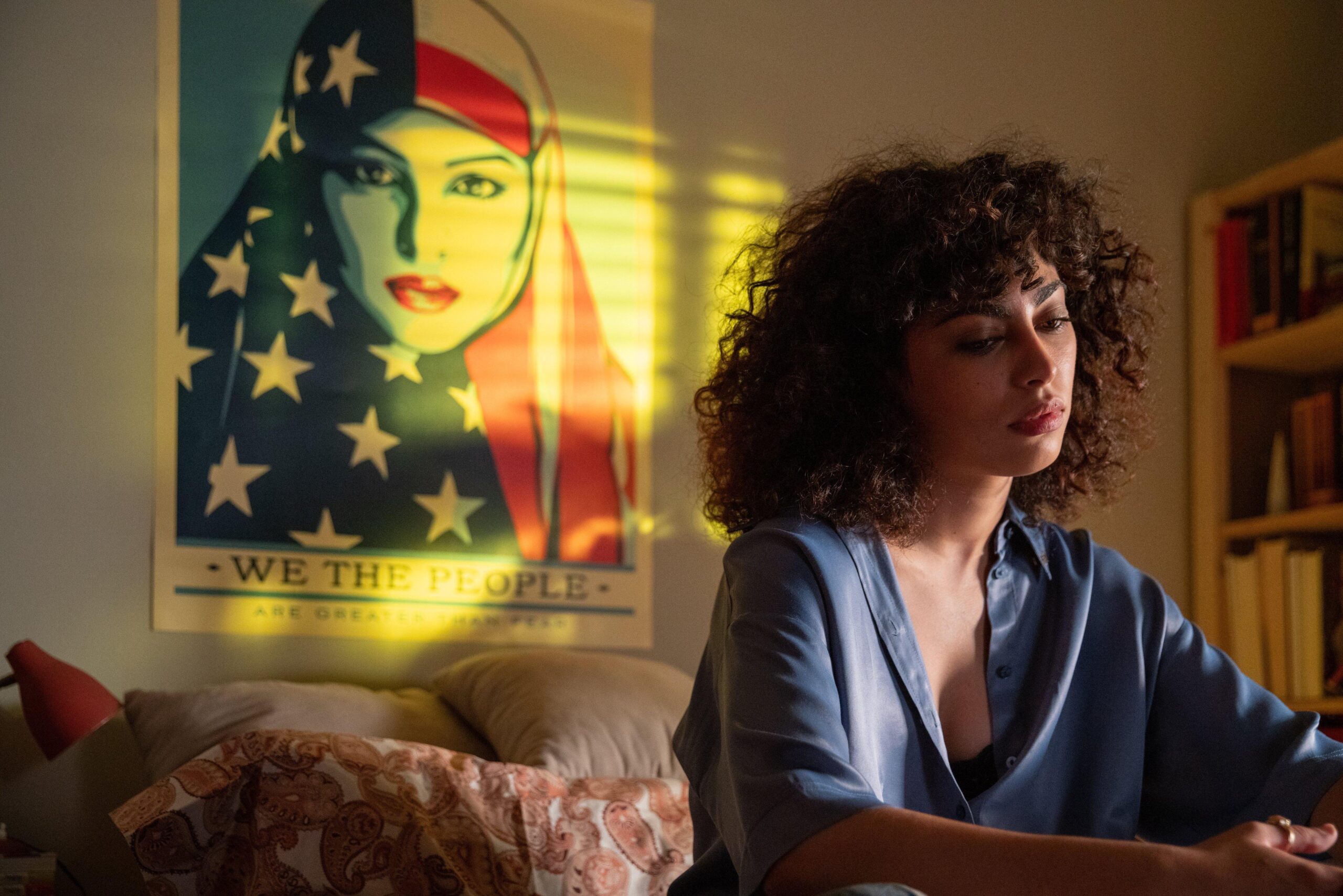
Initially introduced as a hijabi, Nadia is later compelled to remove her hijab at school due to a rule banning accessories, a decision that immediately raises questions, not least because it contradicts how other students’ self-expression is handled. As the series progresses, she wears the hijab less frequently and eventually removes it voluntarily outside her family context. Yet this shift unfolds with minimal interrogation of her internal religious struggle, prompting criticism that the choice reads less as a thoughtful exploration of faith and more as a narrative device to signal assimilation and amplify her perceived “sex appeal”. The hijab remains nominally part of her cultural identity, but its diminishing presence within her school and social life reflects the show’s broader tendency to prioritise dramatic and aesthetic arcs over a nuanced portrayal of Muslim womanhood.
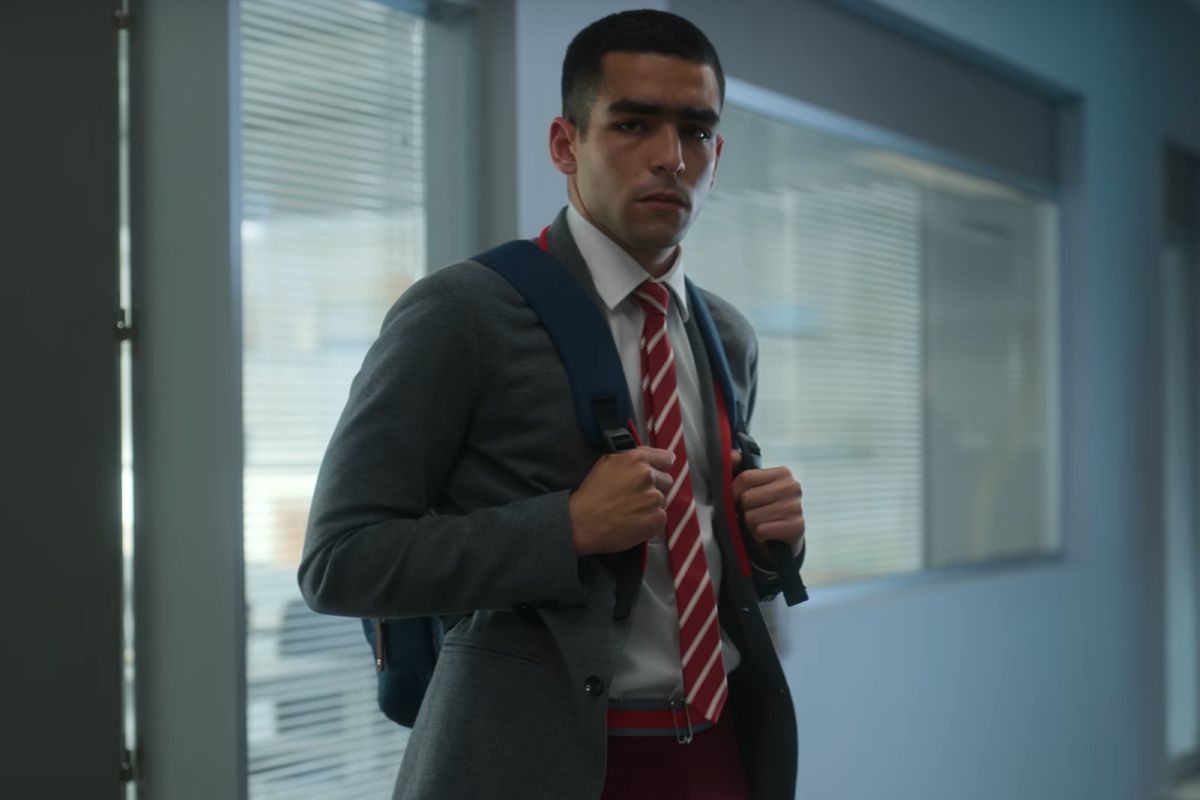
On the other hand, Omar Shanaa, Nadia’s brother, grapples with his non-heteronormative identity as a Muslim man within a strict, conservative household. His storyline revolves around the tension between his sexuality, his religious upbringing and his parents’ expectations, particularly his father’s initial, forceful disapproval. Omar falls in love with Ander, and in parallel begins engaging in risky activities, including dealing drugs, in an effort to secure financial independence and eventually leave home.
In both siblings’ cases, religion and family are framed as burdens, sources of regret or confinement that prevents them from becoming their “true” selves against the backdrop of a supposedly freer Western school environment. Their parents are portrayed almost exclusively as conservative antagonists, with repeated scenes of conflict across seasons that reinforce this dichotomy rather than interrogating it.
At a time when Islamophobic hate crimes were spiking in Spain and across several European countries, Élite premiered into an environment already charged with xenophobic sentiment towards Muslims.
According to the Spanish Ministry of the Interior, 1,419 hate crimes were recorded in 2017, 524 of them driven by racism or xenophobia; 1,598 in 2018, with 531 tied to racism or xenophobia; and then a sharper rise after 2019, reaching 1,706 hate crimes. Against this backdrop, Élite could have used its platform to interrogate the stereotype of the homophobic, sexist, “barbaric” Muslim father, an archetype that remains deeply entangled with these broader social anxieties. Instead, the series leans into a familiar dynamic: the white-saviour complex, where the wealthy students of Las Encinas attempt to “free” Nadia and Omar from their father and, by extension, from their religion. Rather than challenging the narrative, the show reproduces it, framing liberation as something bestowed upon them rather than something they author themselves.
The show’s co-writer stated on the Islamophobia Nadia faces throughout the show, “We wanted to work with this character because it’s something that is happening in Europe. This is the reality that we see every day,” Dario Madrona explained. Yet even with the best of intentions, writing an othered character who ultimately reinforces familiar stereotypes carries risk. The social commentary you aim to deliver can easily fall flat when the audience already holds preconceived assumptions about the group in question, especially when media literacy is uneven. What is intended as critique can instead read as confirmation.
It is almost as if the long-standing portrayal of Muslims in Western media – as barbaric, demonic figures who are simultaneously vilified and exoticised, positioned as a threat to the West – has simply been redirected inward. In this newer iteration, the supposed danger no longer lies in how Muslims threaten Western society, but in how their own culture allegedly threatens their ability to become their “true”, freer selves. The focus of threat shifts from the cultural other to the self, and the narrative implication is the same: someone else must save them, someone else must interpret their struggle, and someone else gets to tell their story.
This is not to suggest that such experiences do not exist in real life or within the Arab world, but setting them against a backdrop of glorified Western liberty inevitably amplifies the contrast. Third-generation characters in cinema and television are frequently portrayed as individuals caught between dual identities, burdened with the implicit demand that they must choose between their roots and their “Europeness”, as though integration requires the shedding of origin. By conforming to Western standards of self-value and self-expression, these characters are essentially asked to reformat their identities, to sanitise them.
Coming-of-age narratives traditionally follow a young protagonist navigating significant life shifts, dilemmas, or awakenings. Yet for Arab characters, these dilemmas are repeatedly framed through a reductive binary: the choice to remain tethered to religion and heritage, coded as restrictive, moralistic or regressive, or to embrace the West, framed as synonymous with freedom, individuality and possibility. The stakes are exaggerated to the point where the subtext feels almost theological: choose heaven, or choose Europe.
Coming-of-age media in the Arab world comes with its own set of issues, but it often feels as though we are confronting the opposite end of the spectrum. While Arab and Muslim characters in Western television are pushed to become more Westernised and to conform, their counterparts in Arab productions seem, in many cases, to have already conformed.
Perhaps the most prominent example that comes to mind when thinking about an Arab coming-of-age high-school drama is Al Rawabi School for Girls, a Netflix original set in Jordan, which was an undeniably bold choice given the backlash faced by the streaming platform’s first high-school series set in the country (more on that below). Yet Al Rawabi School for Girls proved to be a major hit.
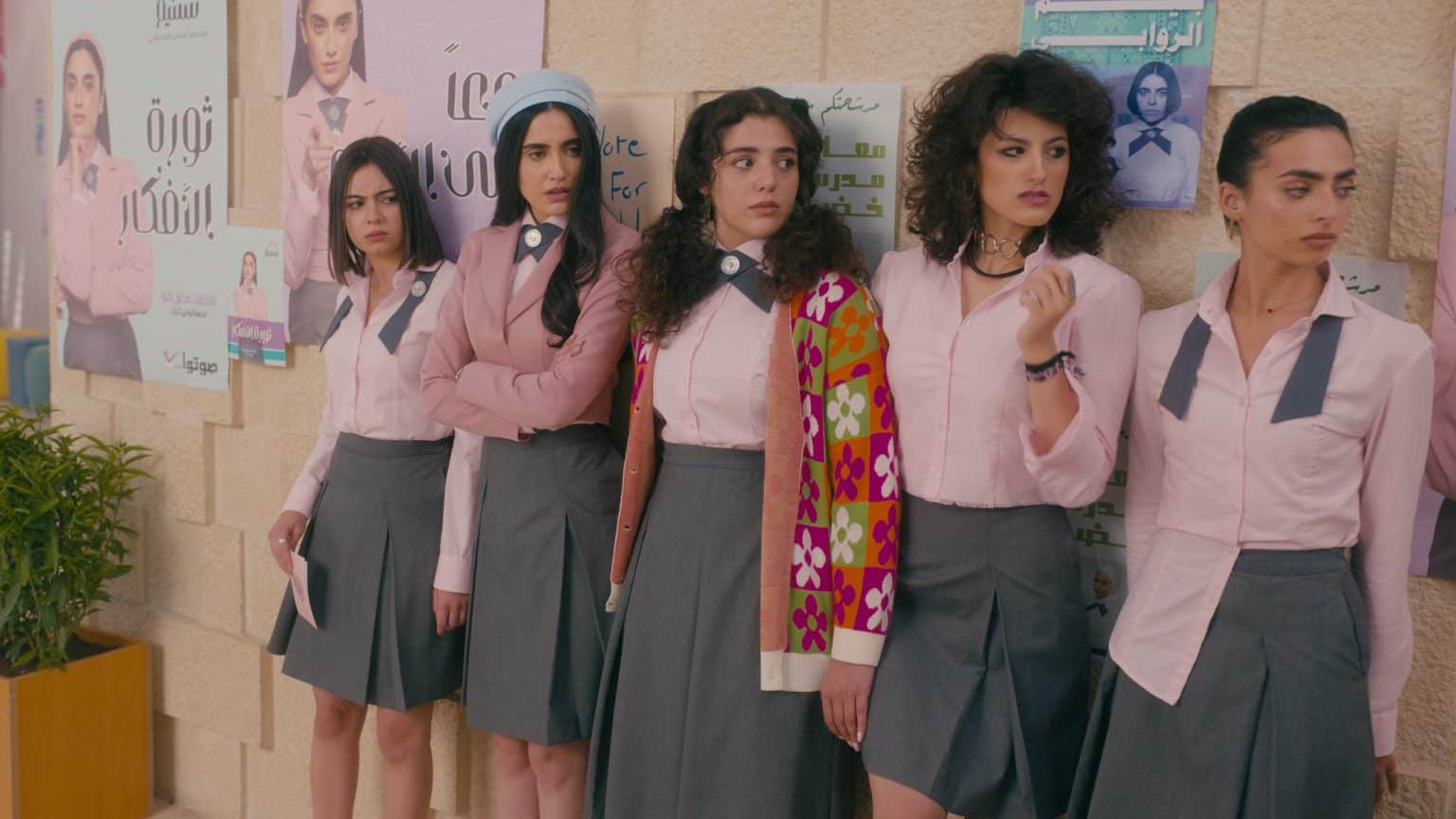
Across its two pink-tinted seasons, the series tackles subject matters that remain sensitive within many Arab societies, from bullying and body image to honour crimes, and once again includes a hijabi character from a conservative family who is publicly shamed when images of her without the hijab circulate online.
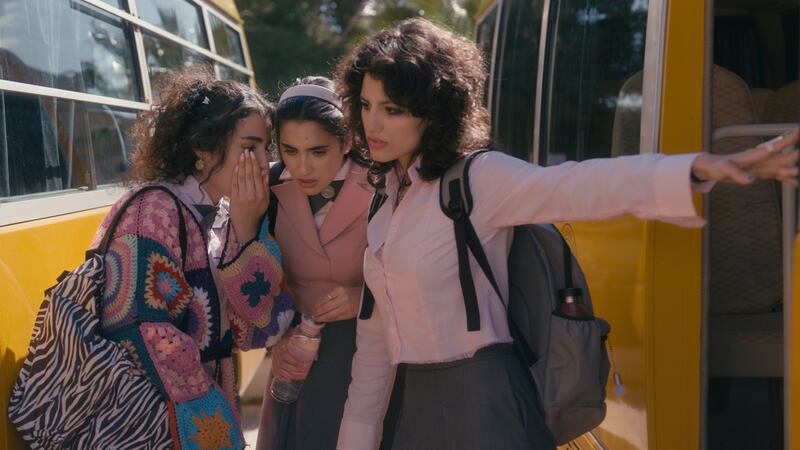
While the show deserves credit for its willingness to confront issues that genuinely affect our communities, its format is, at times, painfully Westernised, ultimately resonating most strongly with the elite of Amman. Much of the time, Al Rawabi School for Girls feels like an American high-school script translated into an Ammani dialect that belongs almost exclusively to a specific upper-class bubble; one that, speaking personally, I have never encountered in real life. The result is an amalgamation of imported narrative tropes layered onto a local setting, creating a cultural friction the show never fully resolves.
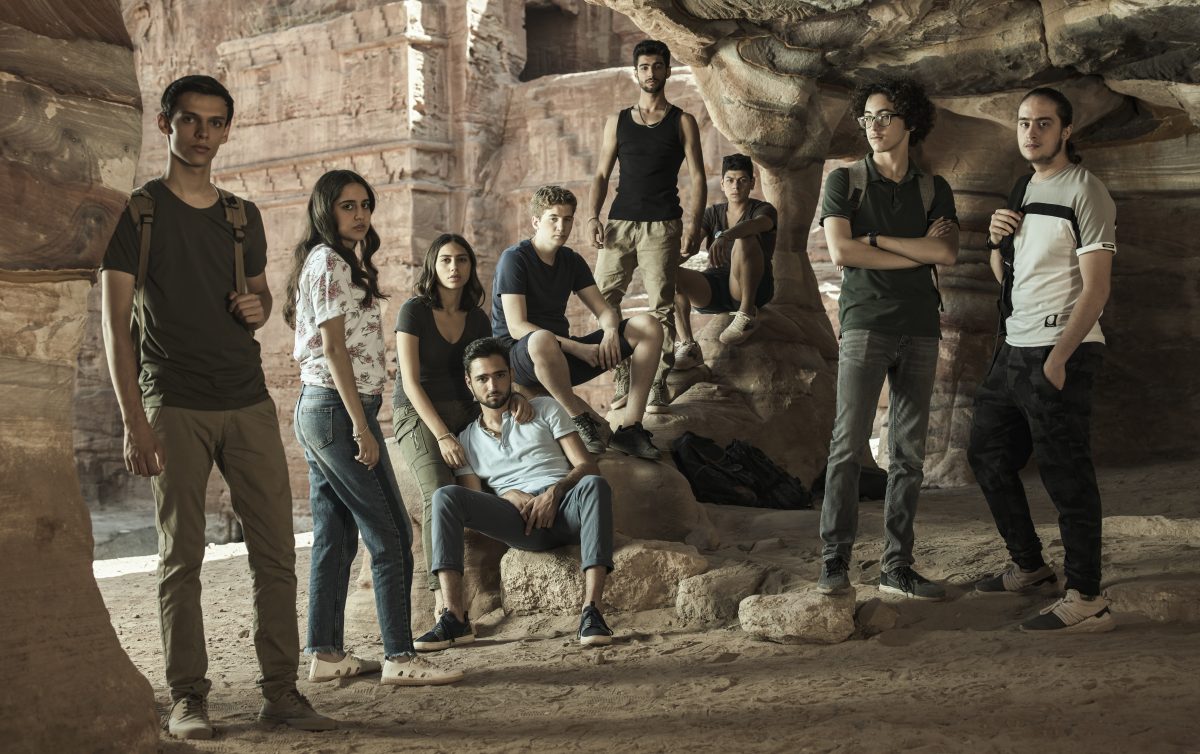
The same critique can be extended to its predecessor, Jinn, Netflix’s first original Arabic series. This supernatural teen drama follows a group of high school students from Amman who encounter mystical forces during a field trip to Petra, blending coming-of-age themes with Middle Eastern folklore about jinn – mysterious supernatural beings in Arabic mythology. The series quickly became controversial both in Jordan and across the Arab world. Criticism largely focused on its depiction of teenage behaviour, including kissing scenes, mild profanity and partying (things all teenagers do worldwide) which were deemed inappropriate or unrepresentative of local culture. Jordan’s top prosecutor even called for the show to be censored or banned. The controversies sparked heated debates on censorship, generational change and media representation, with the cast receiving threats and abuse online.
Netflix prides itself on championing and producing new content from the region, yet its original Arabic-speaking productions often adhere to familiar formats and themes, courting controversy while targeting either a Westernised Arab audience or a Western viewer. In 2022, Netflix released The Swimmers, a film based on the inspiring true story of sisters Yusra and Sarah Mardini, competitive swimmers who fled war-torn Syria in 2015. The sisters undertook a perilous journey to Europe via Egypt, with Yusra ultimately competing as part of the inaugural Refugee Olympic Team at the 2016 Rio Olympics.
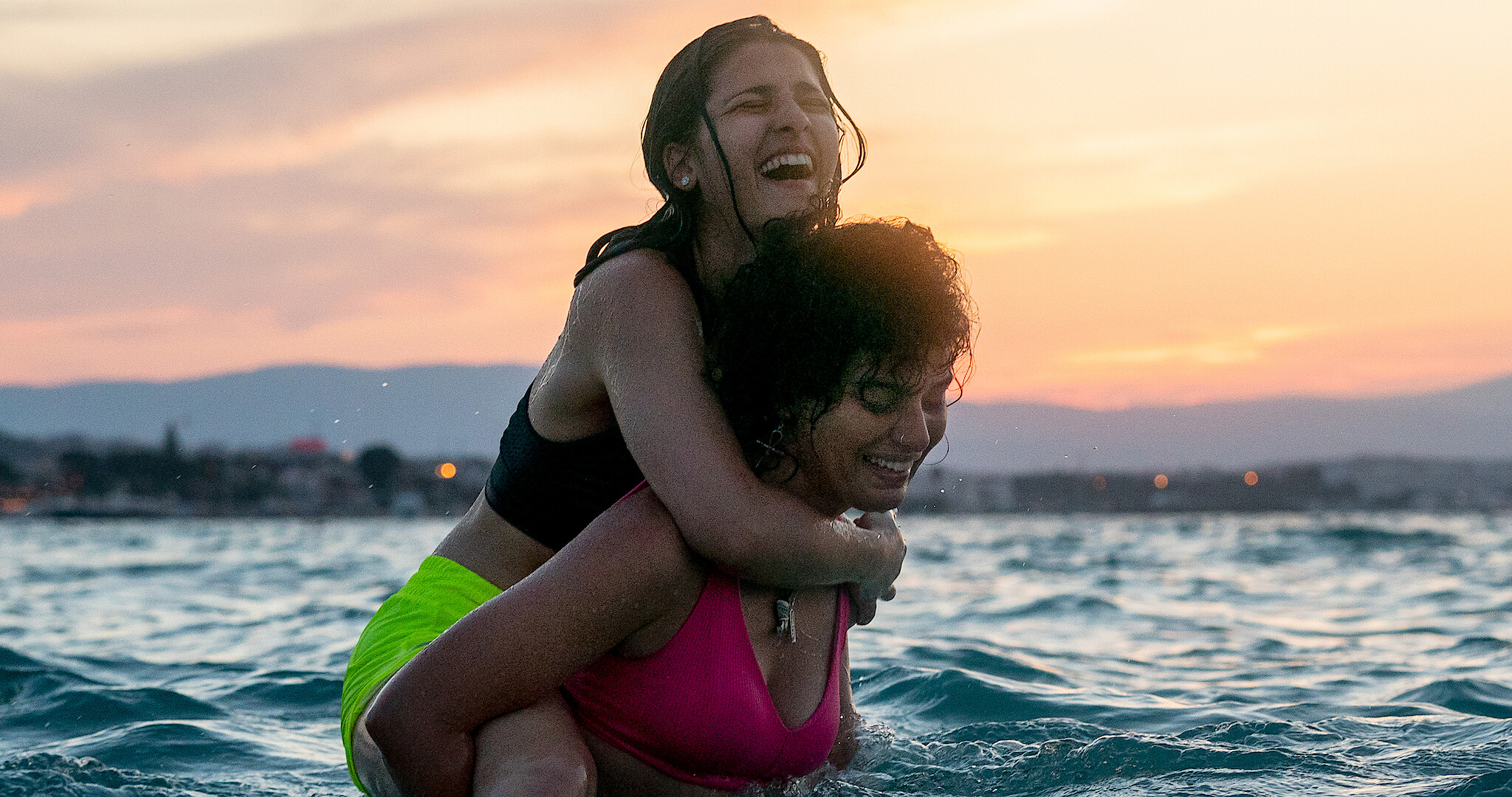
It is undoubtedly a story that needs to be told, yet it has barely made an impact in Syria itself, where much of the film is supposedly set. Although the cast is Arab (Egyptian, Lebanese and Palestinian rather than Syrian), the majority of the script is in English, even in scenes taking place in Syria, for no apparent reason. When Arabic is spoken, it is a fractured approximation of Syrian dialect, reflecting the fact that none of the actors are Syrian. Netflix is hardly a space to look for authentic Arab film representation.
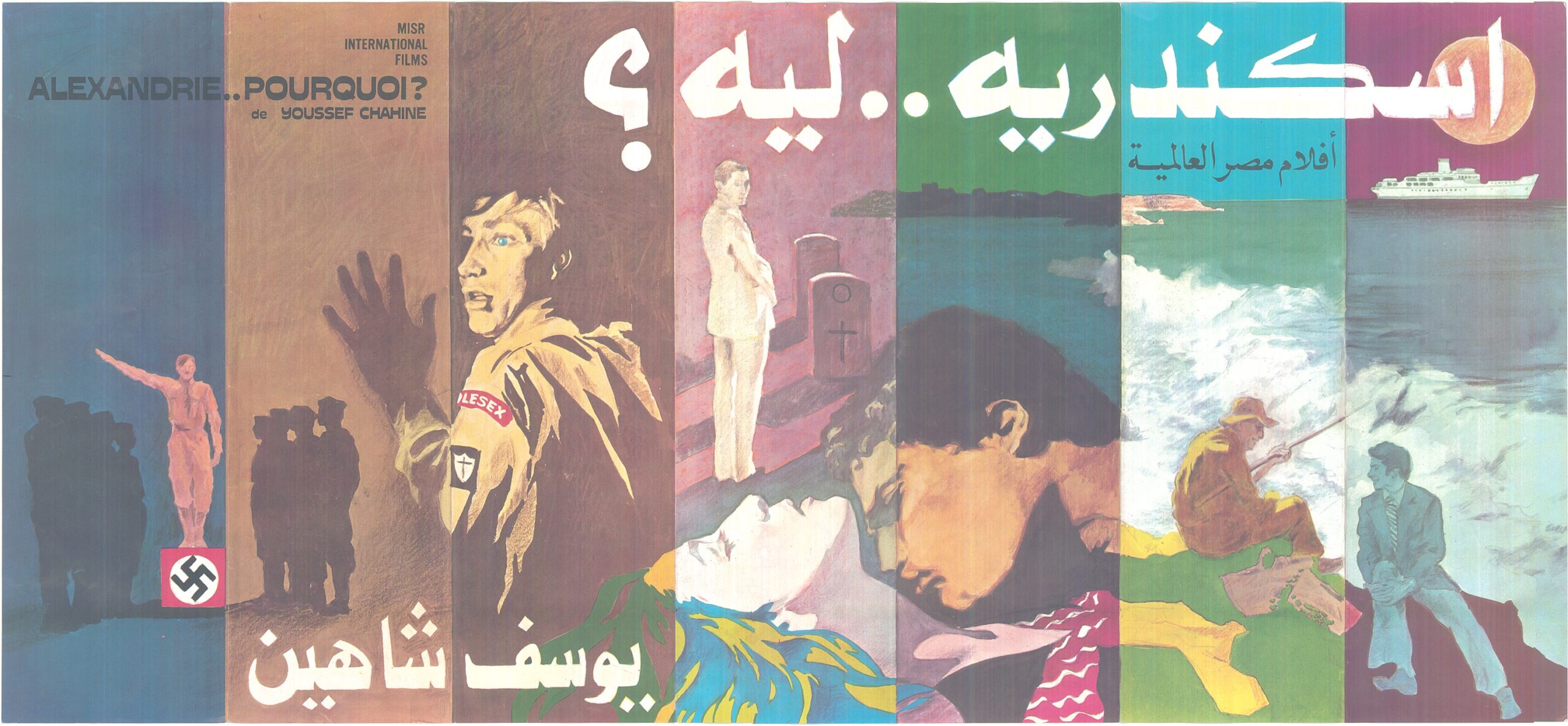
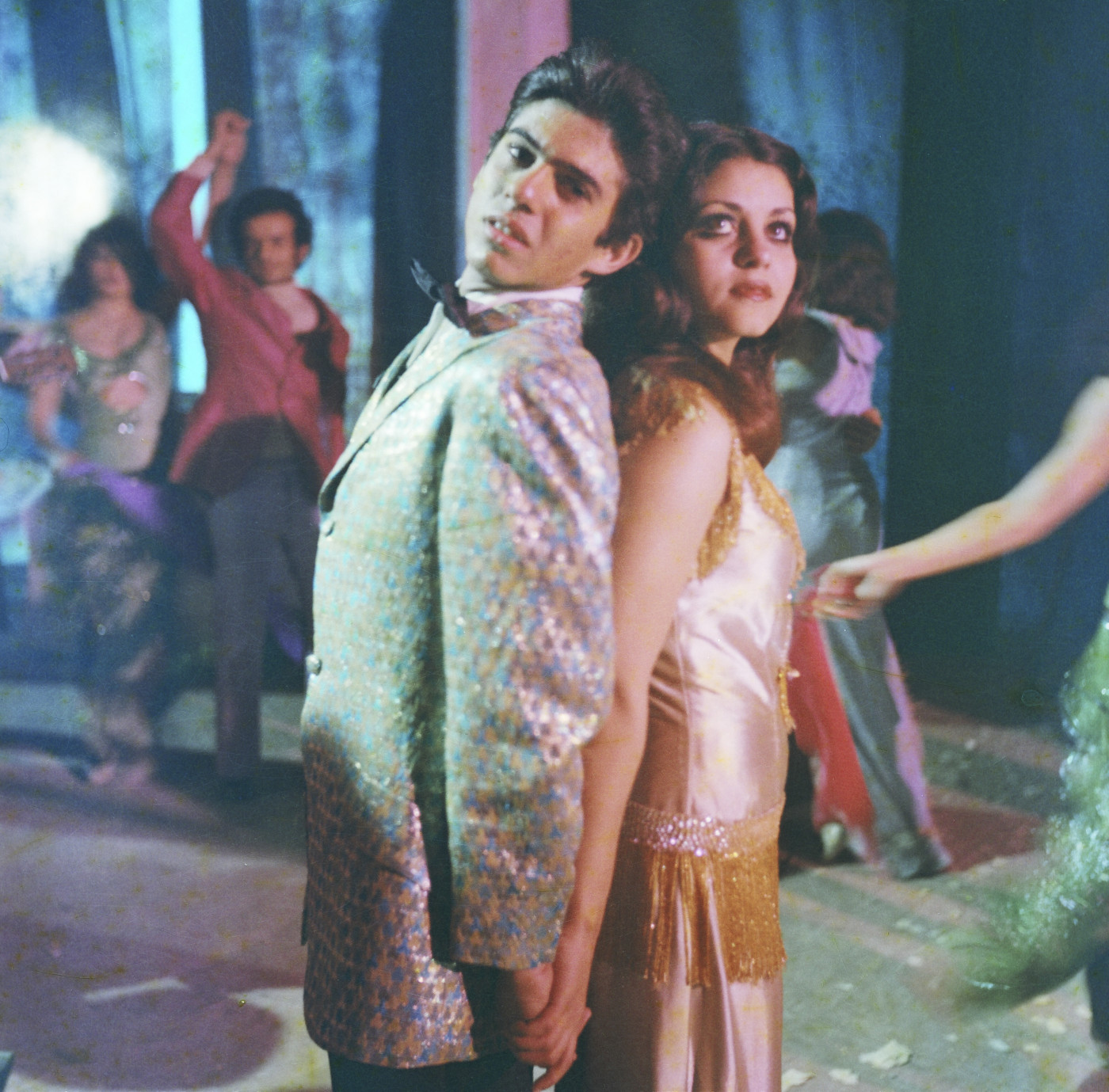
After speaking with friends and peers about coming-of-age TV shows and films featuring Arab characters, most expressed frustration, feeling neither represented nor able to relate to the characters. It’s crucial to consider who is writing these characters, who is producing them and who is cast in the roles. There is a pressing need for “normal” Arab characters – those whose ethnicity or religion is not automatically the focal point of their identity. This is not to suggest that such characters don’t exist in real life, but it would be refreshing to see Arabs simply being. An ordinary Arab teen: flawed, braces and acne included, speaking in their own dialect, navigating the psychological and emotional shifts of adolescence, and discovering their voice and place in the world. A film that accomplishes this for me is Alexandria… Why? by Youssef Chahine, a semi-autobiographical work following his cinematic alter ego, Yehia, as he negotiates personal, familial and political struggles in Alexandria during World War II. Yehia dreams of studying filmmaking in America, particularly Hollywood, reflecting both his fascination with cinema and his desire to become a filmmaker. Throughout the film, he escapes into fantasies of Hollywood and the cinematic arts as a means of coping with the challenges of growing up amid wartime and socio-political upheaval.
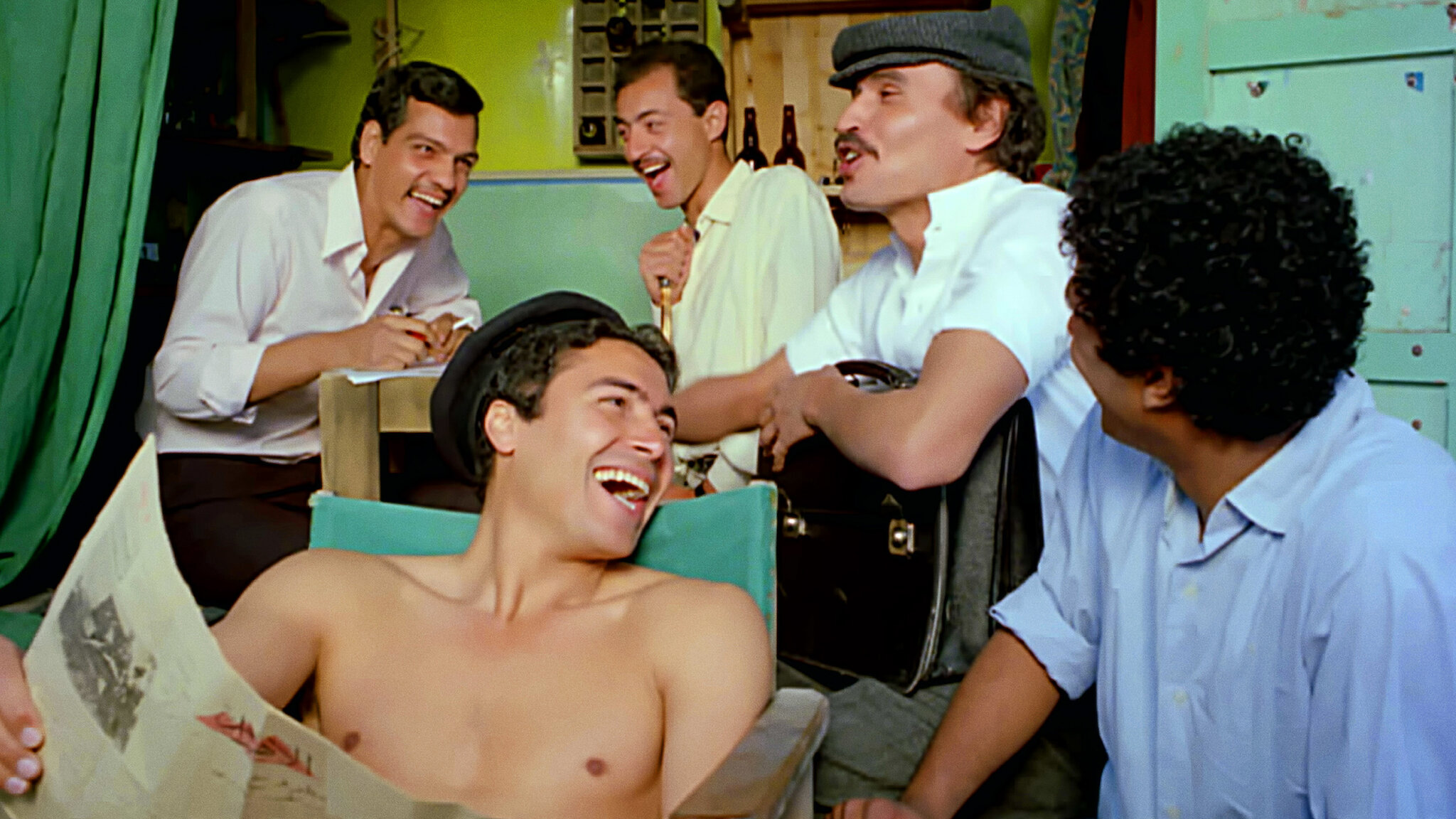
In one now-iconic scene, Yehia cries and dances after a failed theatre performance. Performing for an almost-empty house, with the Princess and much of the audience gone, he dances on stage, overcome with emotion, tears streaming down his acne-bumped cheek. This moment vividly captures the emotional turmoil of adolescence, the collision of dreams and reality, the disillusionment and vulnerability inherent in coming of age.
Coming of age is a universal experience: we grow into changing bodies, hair sprouts in unexpected places, emotions run high, independence is pursued, and we claim to know ourselves before we truly do. Likewise, casting agents and scriptwriters often assume they know who we are, but too often, they do not.