
News


Every jewel begins with a story, long before it finds its way onto a wrist or around a neck. For the wearer, that narrative might start at purchase or as a gift, but for the designer, it begins in memory, in culture, and in imagination. From the streets of Cairo to the studios of Beirut and Brussels, a new generation of Arab jewellers is reshaping the way adornment carries meaning. These creators fuse heritage, craft, and contemporary vision, transforming metal, resin, and found objects into pieces that are at once intimate, daring, and deeply personal.
Scroll down to meet the MENA designers redefining jewellery across the region, from bold architectural statements to delicate, talismanic keepsakes.
Jude Benhalim
Jude Benhalim has always known her path. In 2011, at just 17, she launched her eponymous brand from Cairo. Since then, her work has graced the pages of Vogue Italy, appeared on Netflix’s Emily in Paris, and adorned fashion icons including Kendall Jenner.
Yet, success has not come without its challenges. Integrating a distinctly personal and culturally rooted vision into global markets requires balance. “[It] gives us a unique position between fashion jewellery and art objects,” Jude reflects. “Beyond product, our brand voice emphasises authenticity and values, allowing us to connect deeply with our community rather than just following trends.”
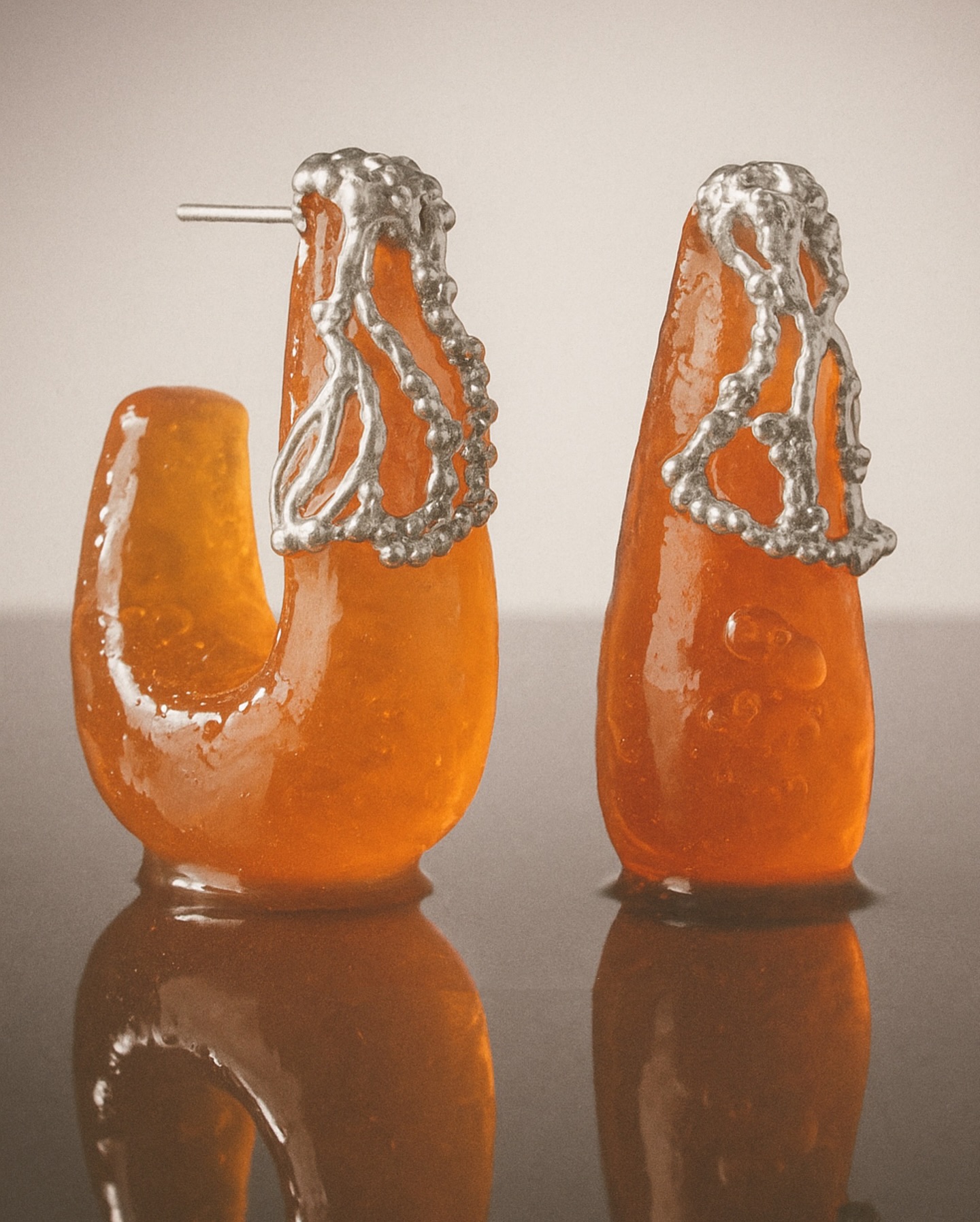
Jude’s designs are as daring as they are intimate. Each collection is a dialogue between craft, culture, and personal narrative, often drawing inspiration from architectural forms and the contrasts of contemporary life. “I’m fascinated by contrasts — organic vs. structured, delicate vs. bold — and I often draw from art, urban textures, and contemporary women’s stories. Ultimately, the inspiration is always about capturing strength and individuality through design,” she explains.
The brand’s latest collection, Aura, is a continuation of this philosophy. Centered on the concept of inner light and personal energy, the collection pairs luminous resin in vivid hues with sculptural metalwork. “It is a celebration of personal energy, each piece reflecting the wearer’s unique aura.”
Obdgect
Beirut-based brand Obdgect was founded by Aly Saab, a photographer whose eye for whimsy and detail translates seamlessly into jewellery design. The spark for the brand came from a childhood memory: clowns at birthday parties transforming simple balloons into fantastical creations. “That inspiration led to my first design: the Inflated Daisy Ring,” Saab recalls. “Now, as I continue developing the collection, my goal is to create pieces that feel fresh and playful, capturing the magic of childhood with a perfect mix of innovation and joy.”
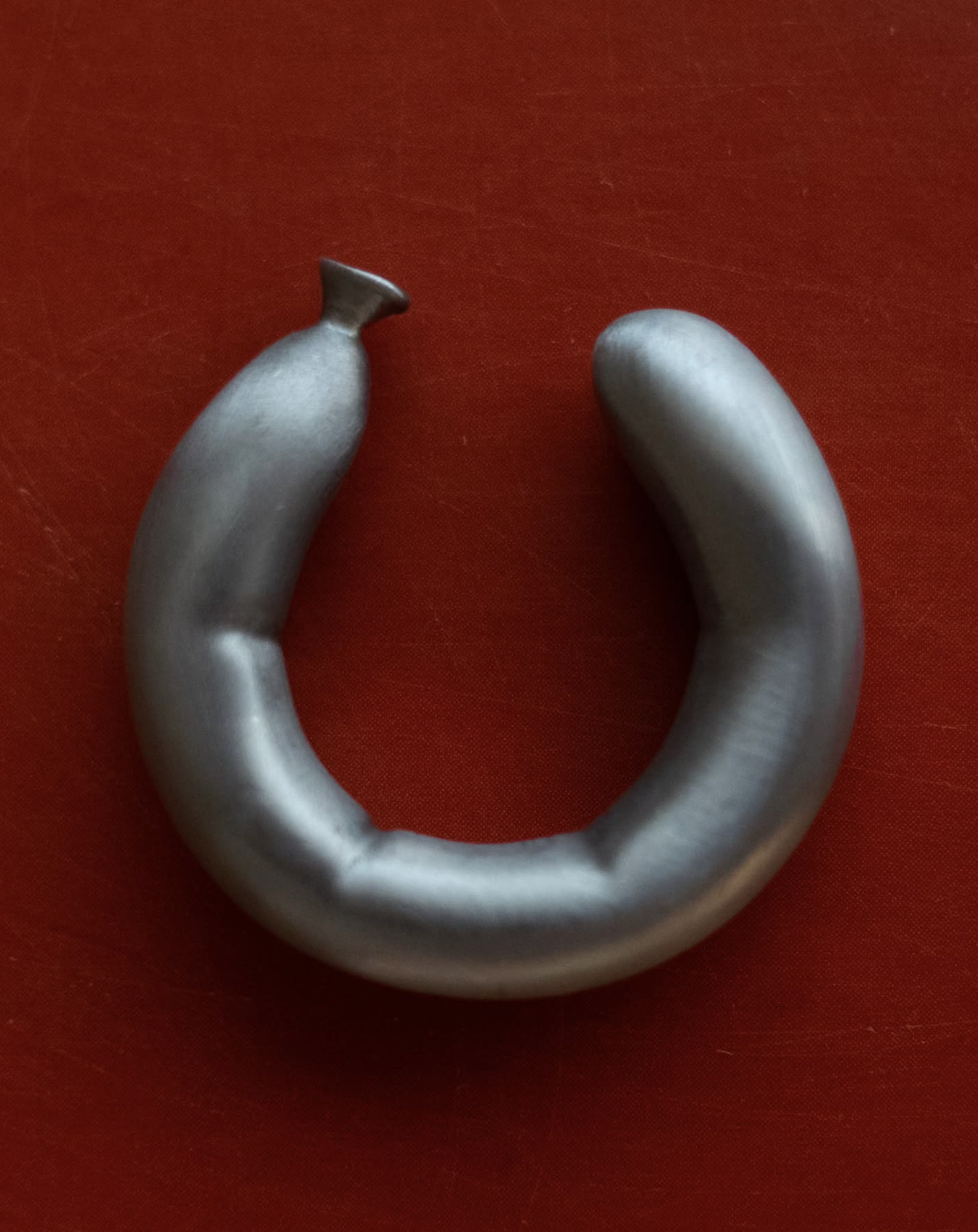
Saab introduced the world to Obdgect with the Balloon Ring, a piece as captivating as it was audacious, instantly turning heads. “When your first design is as innovative as the Balloon Ring, the pressure is real. The market is big and saturated, for sure. But I am not here to compete with anyone. I believe a strong product will always stand out,” he says.
For Saab, Obdgect is a vehicle for creative expression, where playful concepts meet meticulous design. While details on his next collection remain under wraps, he teases that it will explore “everything inflatable… fun, versatile, and full of life.”
Amolune Fine Jewellery
Amolune Fine Jewellery was born. Founded by Laila Shahee, the brand is a reflection of her cultural heritage and global upbringing. “I feel that my pieces are an expression of my unique upbringing and life,” Shahee explains. “I grew up across four continents, so I was exposed to so many cultures and ways of being from such a young age that they influenced my worldview and how I see life. I would say Amolune Fine Jewellery is a collection of memories reimagined for the modern contemporary woman.”
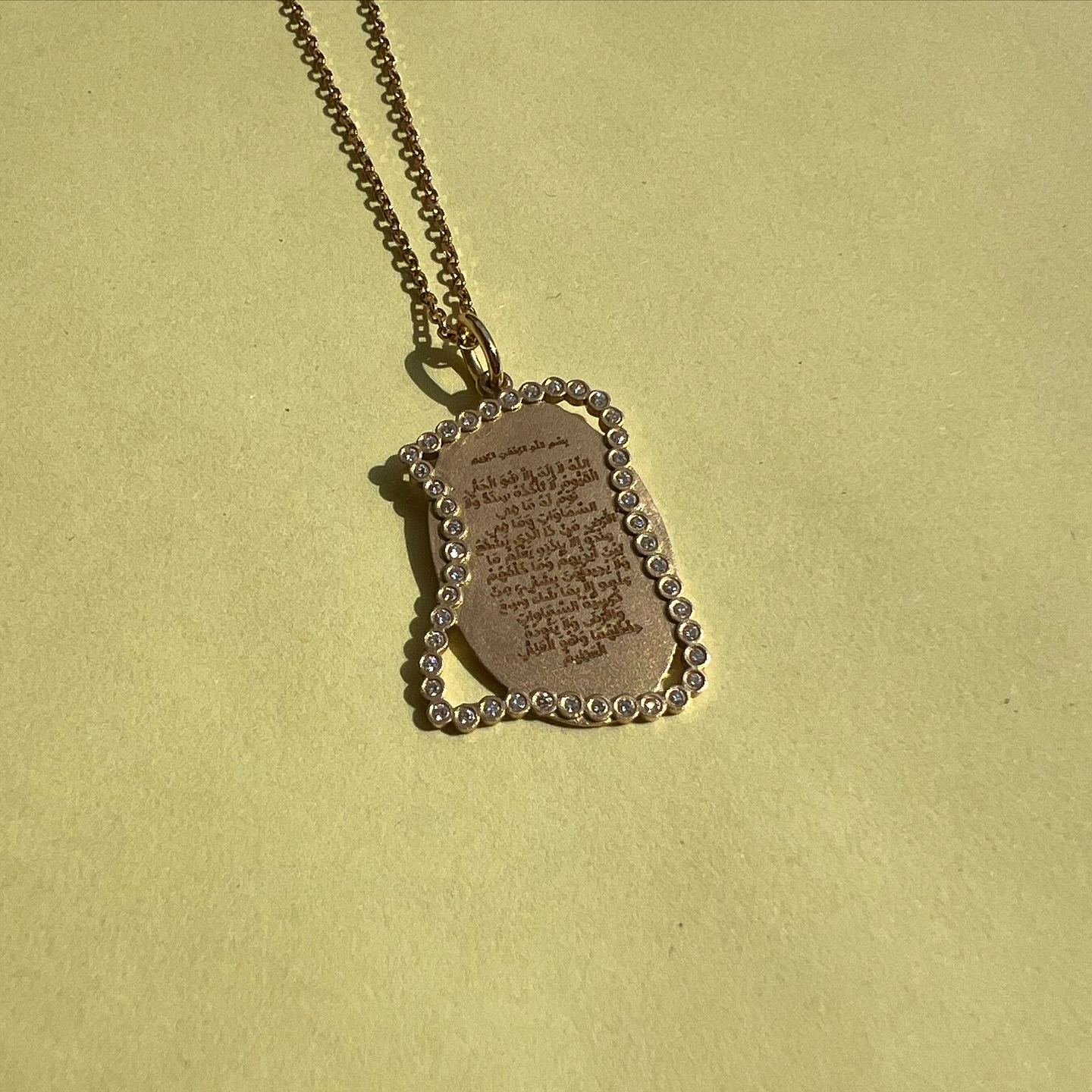
Amolune recently opened its first physical boutique in Dubai, marking a new chapter for the brand. Its debut collection, Arc Beads, draws on Shahee’s childhood, transforming friendship bracelets and hand-strung beads into elevated pieces in 18k gold. Despite the intimacy and personal significance of her work, Shahee admits the vulnerability of putting herself, and her vision, out into the world. “Launching anything on your own tests your faith. You build resilience, and it gets easier over time, but the challenges continually evolve,” she reflects.
Through her jewellery, Shahee seeks to embrace and preserve her Arab roots. “I think our Arab heritage has often been suppressed by history, so every collection becomes a release, an expression, a remembrance.”
Jewellery by Nad
Making art by hand is the ultimate expression of devotion to craft, and Nadeen embodies this philosophy fully. More than a designer, she is a true “maker”, meticulously revisiting traditional Palestinian techniques to breathe new life into them, infusing each piece with her personal vision. The result is jewellery that feels artisan, eclectic, and subtly mystical.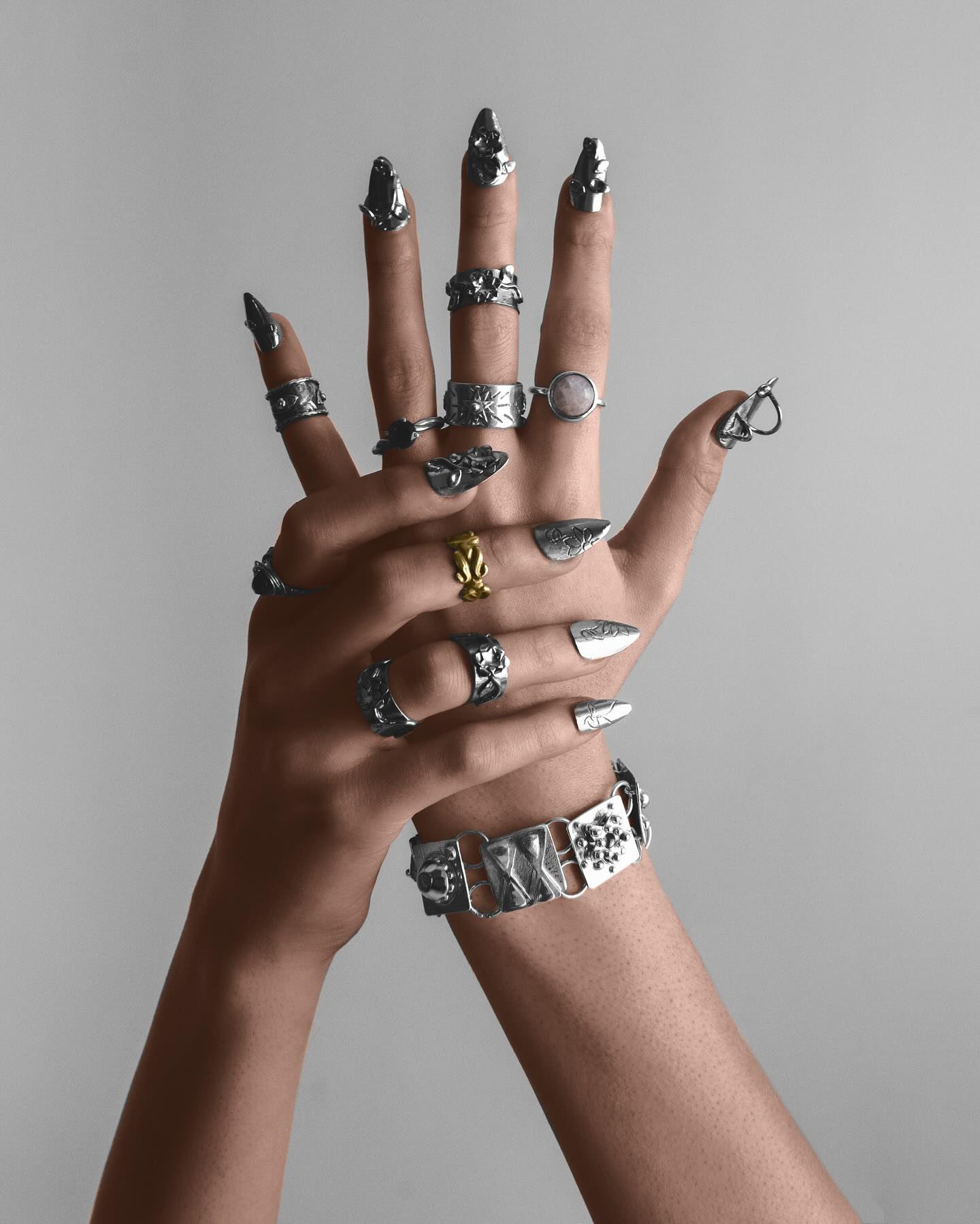
Palestinian-born and Jordan-based, Nadeen seeks through her collections to craft tangible expressions of her heritage. Our culture is so rich, andit’ss difficult not to be inspired by it constantly,” she explains. Her own journey began with a single antique silver bangle, passed down from her great-grandmother to her grandmother, to her mother, and finally to her. “Once I wore it, I felt a connection through my heritage and thought this is something I want others to feel. To give a feeling of community and belonging. Since Palestinians are one of the biggest diasporas in the world, I acknowledge the importance of carrying the culture with you and the need for a strong cultural connection.”
Looking ahead, Nadeen’s upcoming collection, set for release in March, promises a new layer of storytelling. “Growing up in Ecuador, what distinguished me from everyone else was my eyes,” she recalls. “They always tell people where I come from. I like how eyes can be used to symbolise many different things, and they can be interpreted in many different ways, and I wanted to leave some of my work up for interpretation, so that’s why I use a lot of eye symbology in my work.”
Usfuur
Meaning “bird” in Arabic, Usfuur is a jewellery brand that carries narratives of freedom, hope, and beauty across borders. Inspired by the world around us and the idea of movement and flight, each piece reflects a meditation on life’s quiet magic. “I believe there is beauty and magic in the ordinary, in the simple, everyday moments,” explains the founder, Yara Tlass. “I’m deeply moved by artists and their stories, by colours and landscapes, forms and structures, and their ability to convey emotions that resonate deeply and connect us to the more intimate parts of ourselves. Each piece is a reminder of hope, and of the beauty found in life’s little things.”
At its core, Usfuur sits at the intersection of art, culture, and social impact. “Each piece is inspired by a story, crafted with meticulous care, and tied to causes that matter. We are not only offering jewellery, but also a philosophy of conscious luxury, intentional, human-centred, and truly designed with meaning,” the founder explains.

The brand began with a single sketch of a bird and has since evolved into a universe of jewellery, objects, and cultural projects. Usfuur seamlessly blends craftsmanship with storytelling, weaving Middle Eastern heritage into a contemporary global perspective. Each collection invites the wearer to carry a fragment of hope, love, and a gentle reminder to pause and savor life’s greatest, and simplest, pleasures.
Throughout its evolution, Usfuur has earned its place in leading global retailers and publications. Yet visibility does not erase the obstacles that come with building an independent, niche brand in an industry long dominated by heritage houses. According to its founders, this remains one of Usfuur’s greatest challenges. “From navigating production hurdles to carving out a distinctive narrative that resonates,” they share. “But with the right support, community, and clients who believe in the brand, we can continue evolving and creating. And in difficult moments, remembering why we started has always been our strongest motivation.”
Judas Mordache
Judas Mordache is a brand shaped entirely by passion. Its founder, Judy Mordache, makes it clear that, regardless of market demands or shifting industry expectations, her work is not created to please anyone but herself. Her creative foundation was formed early: “My father was a civil engineer with a fascination for architecture and construction, which I absorbed at a young age,” she recalls. “Later, when civil engineering wasn’t doing well in Syria, he opened a textile firm. He often involved me in the process, asking my opinion on fabrics, fitting prototypes on me, which made me fall in love with the atmosphere and the manufacturing process.”
Her father approached fashion commercially, choosing the path that promised stability rather than creative fulfillment. My father was more commercial than creative when it came to fashion. He chose the path where he could succeed, not necessarily the one he loved, and he often warned me about how consuming this world can be. But I always told him that our reasons are different: I do it because it’s my passion. I learned a lot from him, but I chose the opposite spectrum: his focus was on the masses, while mine is rooted in selectivity and not attempting to please everyone. Whether it’s accessories, products, or architecture, the desire to create my own brand was always there; it was more a question of having the resources and skills to bring it to life.”
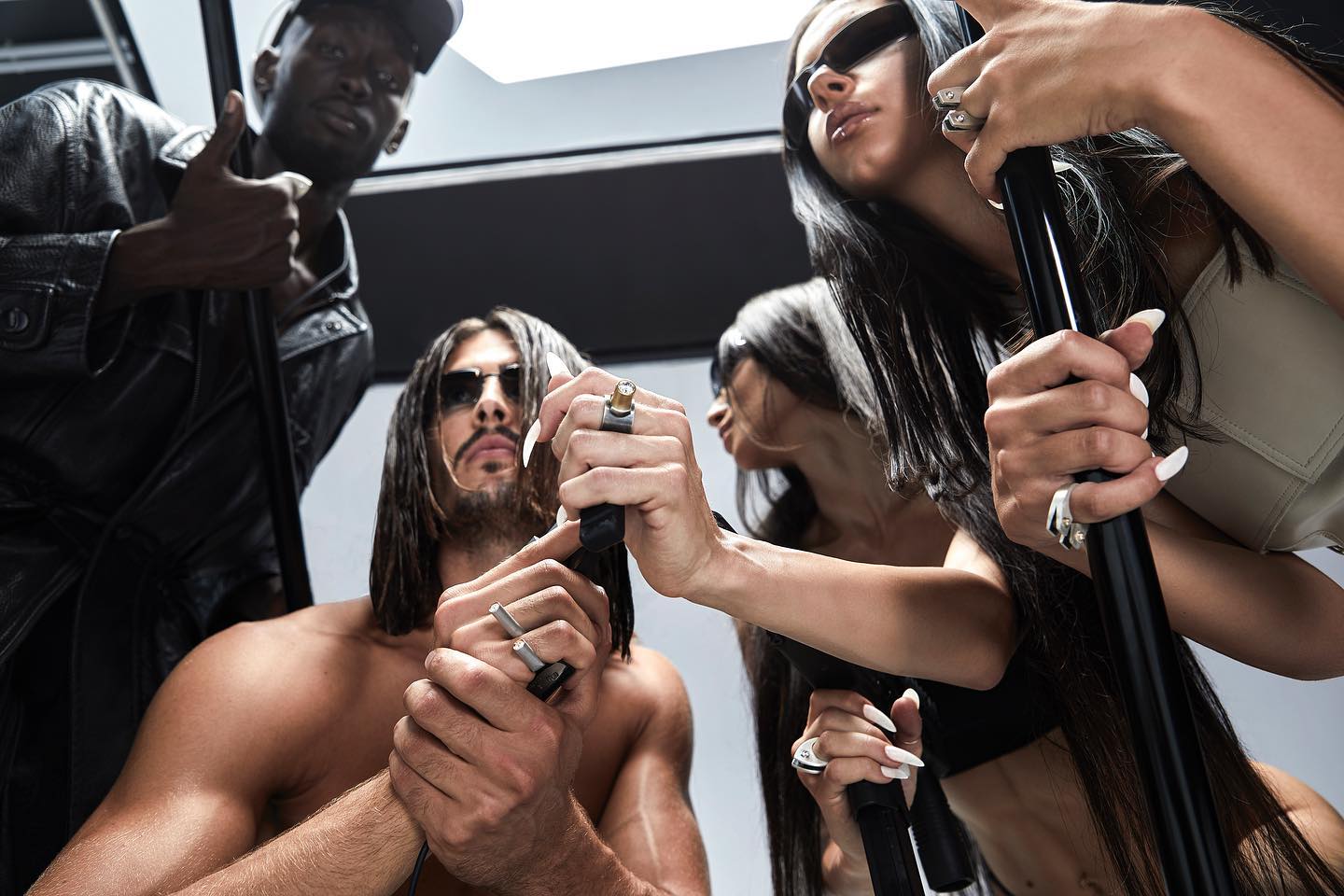
Despite its ability to stand out, Judas Mordache has navigated its share of challenges. “I initially launched and manufactured the brand in Lebanon, where I had lived for ten years and felt deeply connected to the creative community,” the founder explains. “I spent a considerable amount of time finding the right places and partners, and had just begun preparing for production. This was right after COVID and in the aftermath of the Beirut explosion, which made everything extremely difficult. By the time I launched, the situation in Lebanon had become increasingly unstable. Sourcing the materials I needed became challenging, let alone shipping.”
Seeking stability and the conditions necessary for long-term growth, she eventually relocated to Paris. The transition inevitably slowed the brand’s momentum, but it was a strategic step, one that allowed Judas Mordache to rebuild on a more sustainable foundation. Since then, the brand has experienced several milestones, from being featured in a prestigious concept store in central Paris to appearing in publications such as Kaltblut, C41, Gata Magazine, Elle, and Marie Claire Arabia.
Today, Judas Mordache continues to carve its path, embracing a dystopian, futuristic aesthetic rooted in architectural precision. “The brand was conceived around the idea of making functionality alluring, combining technological innovation with architectural influences,” the founder says. “Each piece is designed with careful attention to materials, construction, and craftsmanship.”
The next collection, currently in development, centres on the tension between form and utility, a dialogue at the heart of Judas Mordache’s design language. And while the founder remains discreet about the details, the exploration promises a continuation of the brand’s bold, forward-facing vision.
KRIKOR JABOTIAN JEWELRY
Born in Lebanon and shaped by Armenian heritage, Krikor Jabotian introduced his jewelry line earlier this year as an extension of his eponymous couture house, and as a tribute to his family’s legacy. “I launched my jewellery brand as a continuation of a family story,” Jabotian shares. “My father spent over fifty years perfecting the quiet art of jewellery-making, teaching me that patience and precision speak louder than headlines. I carry that forward, translating the discipline and eye for detail I honed in couture into pieces that are as personal as they are timeless.”
Krikor Jabotian’s creations form a dialogue between past and present, each piece a wearable fragment of history. Yet, despite the passion driving the brand, its founder admits that translating couture instincts into jewellery comes with its own complexities. “Another [challenge] has been positioning our work in a market where many pursue fast jewellery as a quick investment in gold or costly materials. In our case, the true value lies not only in the material itself, but in the creation, a lasting piece that carries intention, detail, and meaning beyond the trend. Excellence takes time, and patience has been both my hardest and most rewarding teacher.”
Still, the rewards remain profound, especially in the intimate connection built with clients. “Every time a client connects with a piece on a personal level, it feels like an achievement. International recognition is wonderful, but my pride lies in sustaining a vision of craftsmanship, storytelling, and individuality. That only comes from stubborn attention to detail and refusing to compromise.” Memory, heritage, character, Armenian craftsmanship, Baroque influences, and the poetry of imperfection form the creative backbone of the house.
YAAR2K
In recent years, the monobloc chair, a ubiquitous cultural icon, has been reimagined across art and design worldwide. For Yaar2k, it became a ring. “No matter how full the lunch table is, you pull up a reserve monobloc and there’s always room for more,” Yara reflects. “We all have a story with the plastic chair, long before we even knew its name.”
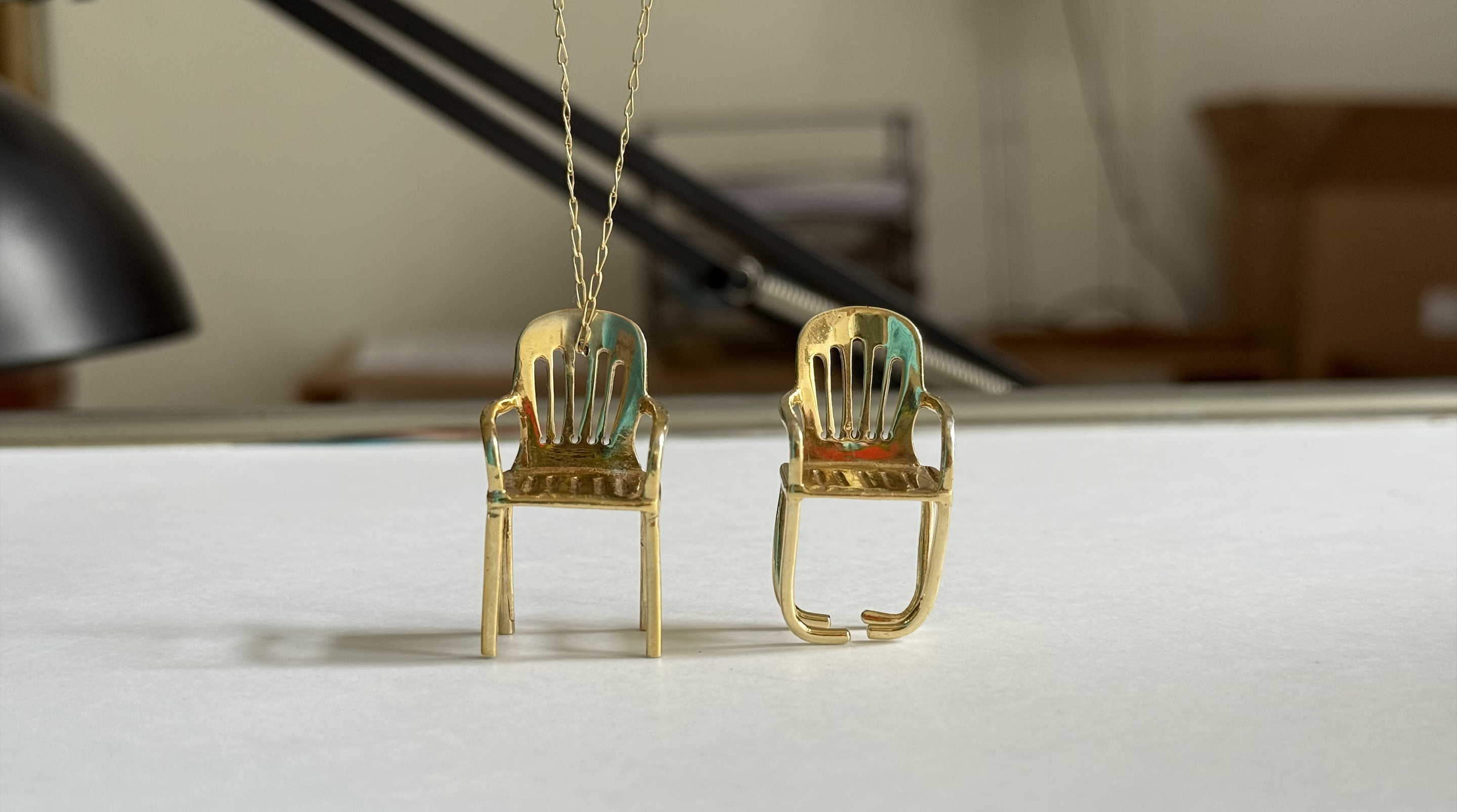
The idea took shape last year when Yara was invited to design a chair for Milan Design Week. Amidst a sea of installations, she paused and asked herself, “Do we really need another chair in the world?” Her answer was right in front of her, in Beirut, in the form of the monobloc. Simple, omnipresent, and overlooked, it struck her as a vessel for both memory and design ingenuity.
The result was the Yaarring Monobloc, a piece that celebrates the chair’s universality. Yet translating plastic form into wearable jewellery proved far from simple. After approaching several master artisans in Beirut, most refused, deeming the project impossible. Then she met Jamal, a skilled artisan who embraced the challenge. “I drew a sketch, and based on our visual memory, we began constructing it like architecture,” Yara recalls. From a solid 925 silver slab, they heated, scored, folded, and bent the material, carving out the seat and welding on handles.
Looking ahead, Yara’s next ring aims to celebrate the invisible love that binds us. She plans to invite collaborators into her creative playground, crafting pieces that extend the story of the Monobloc. The new design will debut just in time for the holidays, promising another blend of wit, craftsmanship, and narrative-driven design. “I’m so moved and inspired by the immensity of love on this planet despite all the challenges and
horrors we are facing.”
KAYS MASOOD
Born and raised in Syria and now based in Brussels, Kays Masood has spent the past decade moving between cities, absorbing cultures, and exploring mediums, each experience shaping his distinctive approach to jewellery design. After completing his master’s at La Cambre and a series of internships, launching his eponymous brand became a natural progression: a way to articulate his own voice and vision as a designer.
Masood’s collections are deeply personal, rooted in emotional memory, belonging, and the stories objects can carry. His graduation collection, All the Hope in the World, exemplifies this approach; created during a transitional period after years of living between cultures, the pieces capture fragments of home and the intimate objects that anchor us when everything else feels temporary. The collection explores hope as a delicate balance between holding on and letting go, embodying the tenderness of rebuilding oneself through what we choose to keep close.
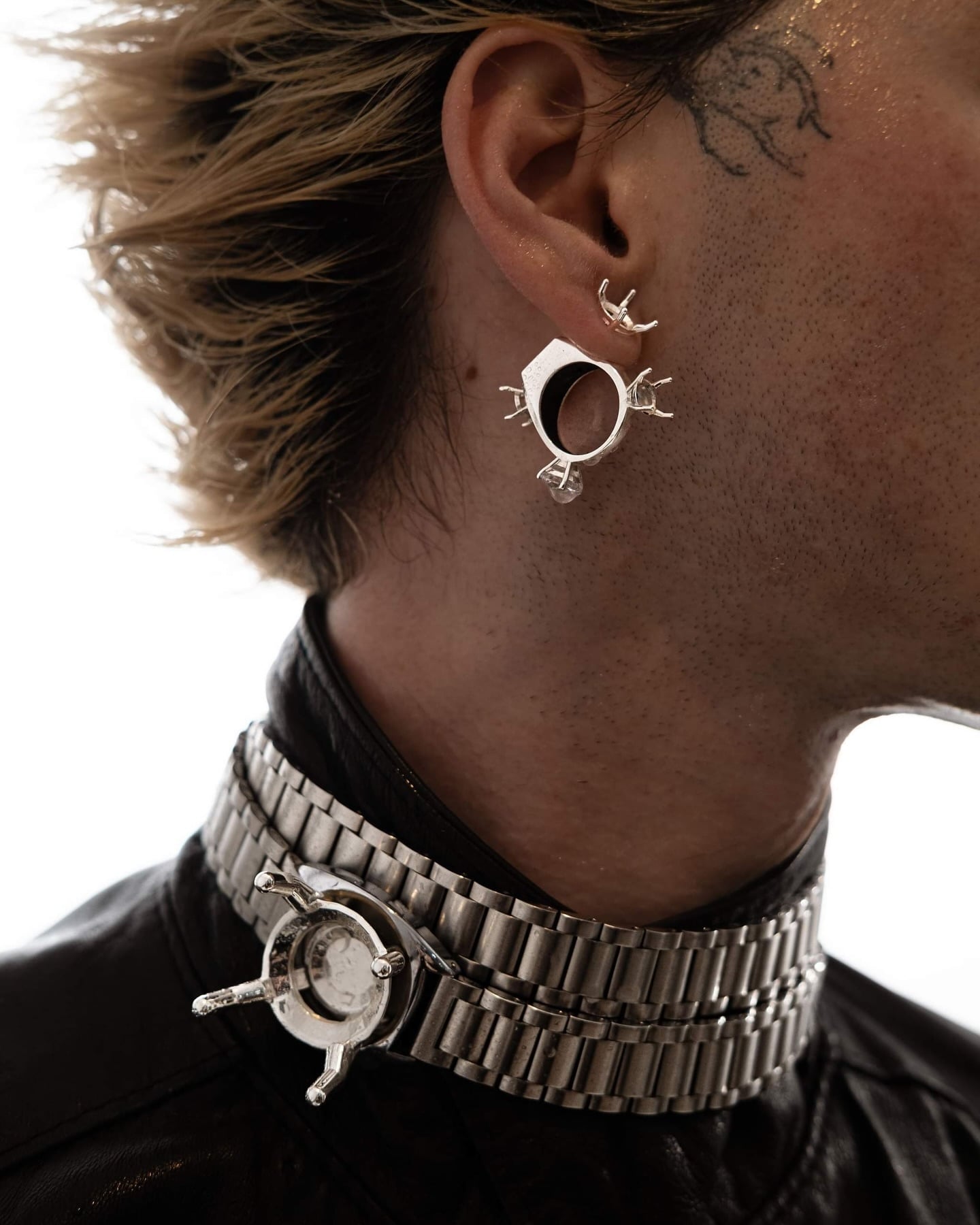
Navigating the business side of design has been a challenge for Masood, who learned production, budgeting, pricing, marketing, and administration largely on her own. “At times, it feels like I’m doing a second degree, teaching myself everything from scratch while simultaneously trying to establish a creative identity,” he reflects. However, authenticity remains central to his practice. Masood does not design to compete; he designs to remain true to his vision. Extensive research, concept development, and iterative prototyping ensure that each piece is thoughtfully made. “When the work is honest and thoughtfully made, it stands our on its own,” he says.
His efforts have already garnered recognition: he was a finalist at the 40th Hyères Festival, collaborating with Hermès on a pair of gloves, and a finalist for the Louis Vuitton Accessory Design Graduate Initiative, presenting his work directly to the brand’s design team.
At its core, KAYS MASOOD is a study in poetic subversion, where design, fashion, and craft converge to question identity and beauty. Grounded in craftsmanship, sustainability, and cultural storytelling, Masood merges traditional silversmithing with experimental processes and upcycled materials. Rather than referencing specific cultural motifs, his Arab roots inform the emotional life of her objects, not only the visual. The sensitivity toward ornamentation, the notion of carrying fragments of home, and the creation of talismanic, intimate pieces that bridge past and present.
WORDS: FARAH MASSADEH


