
News


Ahead of the eve of the Oscars, Motaz Malhees was speaking from a place he knows too well: being close enough to the moment to feel its heat, but yet kept agonisingly outside the room.
Malhees is one of the leads in The Voice of Hind Rajab, the film nominated for Best International Feature Film at the 98th Academy Awards, centred on the story of Hind Rajab, a Palestinian child whose final emergency call, recorded as she waited for help that never came. As the Academy Awards approach on March 2nd, Malhees will not be in Los Angeles. He says he has been unable to travel to the United States because of his Palestinian passport.
“It’s painful, of course,” he told ICON MENA. “After years of dedicating your life to storytelling, to reach that moment and be stopped because of your passport is a hard reality.”
There was no self-pity in the way Motaz spoke about it. It came across as a hard fact, something he has had to carry with him. But instead of dwelling on the hurt, he moved toward what it revealed. “But it also reminded me why we tell stories in the first place,” he continued. “Borders can stop a body, but they cannot stop a voice. My presence is in the work.”
That line — my presence is in the work — sits at the centre of his relationship to this film. Not because he’s trying to make absence sound poetic, but because he’s naming something practical about Palestinian art: it is often expected to reach the world even when Palestinians themselves can’t.
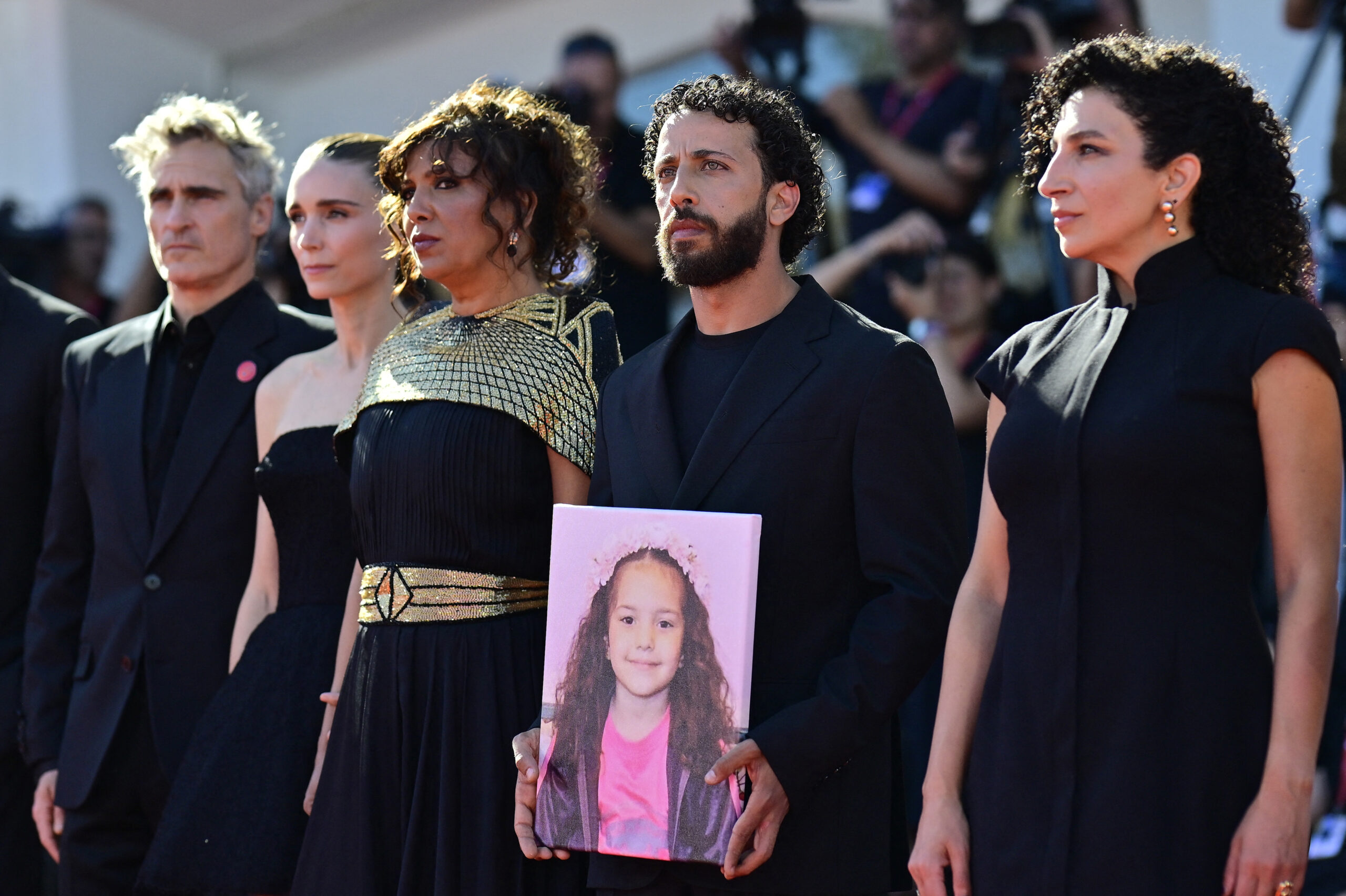
“There’s a bittersweet feeling because you want to share that moment with our film family,” he said. “You want to stand with the people who carried this with you — the director, the crew, the cast — and to have that shared recognition, in the flesh, in one room.”
Then he paused. “But it also sharpened my belief that stories like this must be told,” he continues. “If a story can reach the world even when one of its actors cannot, then it proves how powerful storytelling really is.”
In The Voice of Hind Rajab, Malhees plays Omar A. Alqam, a first-line responder with the Palestinian Red Crescent who takes Hind’s emergency call. It’s a role that demands a particular kind of acting, not an outward performance, but a controlled presence. A person listening, staying steady, trying to keep a child alive with nothing but voice, focus, and time.
That is where Malhees’ approach matters most. This is not a film that offers easy catharsis. It is not the kind of story an actor can move through on instinct without risking something uglier: turning real suffering into spectacle.
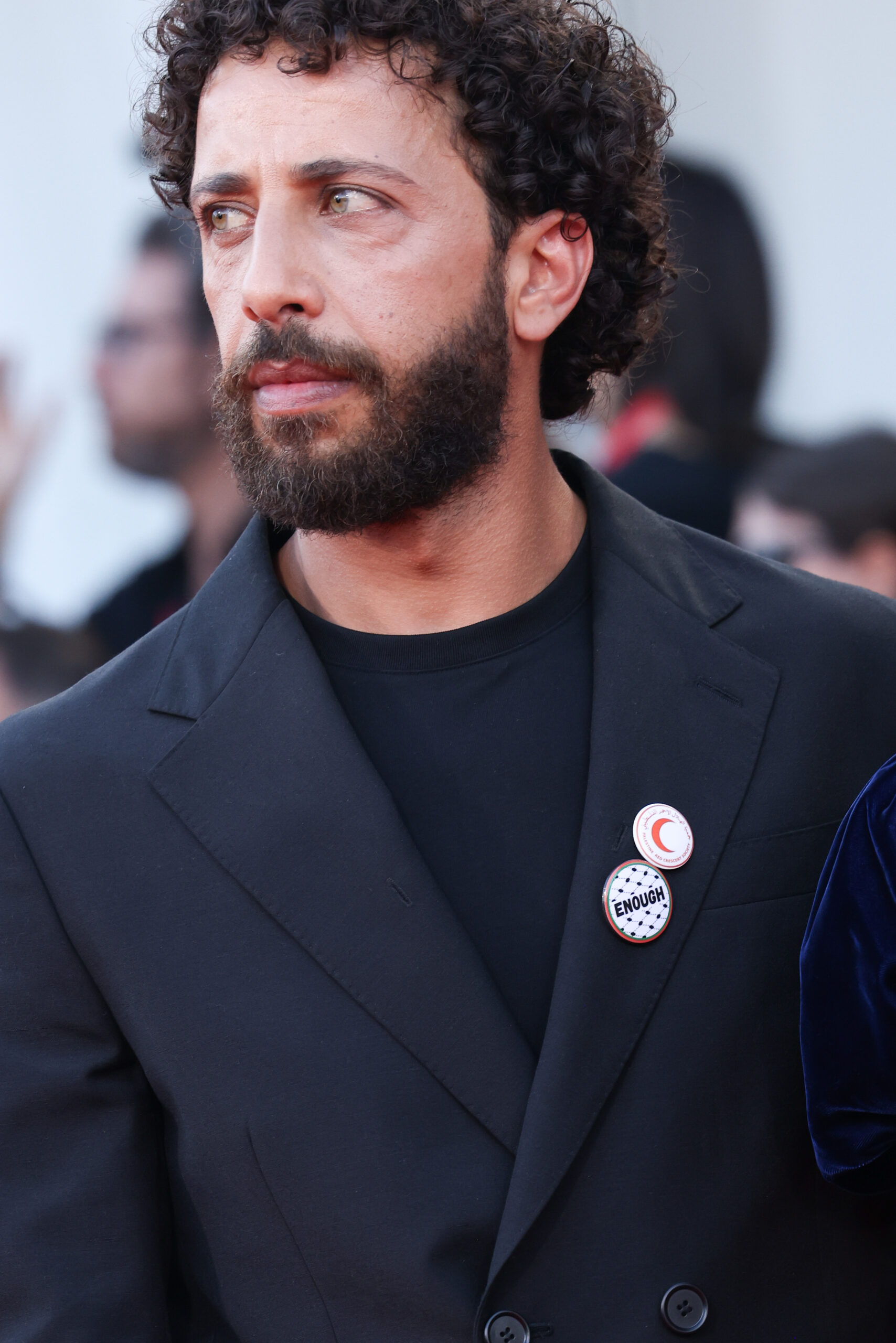
When asked how he approaches grief and violence without flattening real lives into tragedy, he was measured. “My job is not to perform pain,” he said, “but to understand the humanity behind it. I try to remember that these stories belong to real people, real families,” he said. “The goal is not to dramatise suffering but to carry it truthfully and with dignity.”
Malhees didn’t “arrive” via one awards-season title. His artistic grounding comes from Jenin, from theatre, from a place where performance is inseparable from witness, and where storytelling is sometimes one of the few ways to insist that people are more than what is done to them. When I asked what he wants viewers to carry after the credits roll, he went straight to the risk that Hind becomes a headline, an emblem, a talking point, anything except what she actually was — a child.
“I hope people remember that this was not a headline,” he said. “It was a life. If the film can make someone pause and see the human being behind the news, then it has already meant something,” he said. “And I hope it reminds people not to forget these children. Even the smallest act of humanity, the smallest thing within our hands can matter.”
There’s a temptation, with stories like this, to talk about “timeliness” as if the film is arriving at the right moment in the news cycle. Malhees rejects that framing. I asked when the role stopped feeling like a role, “very early on,” he answered, “When you work on a story like this, it stops being just a character very quickly. You realise you’re carrying a memory. A life that existed. That awareness changes how you approach every scene.”
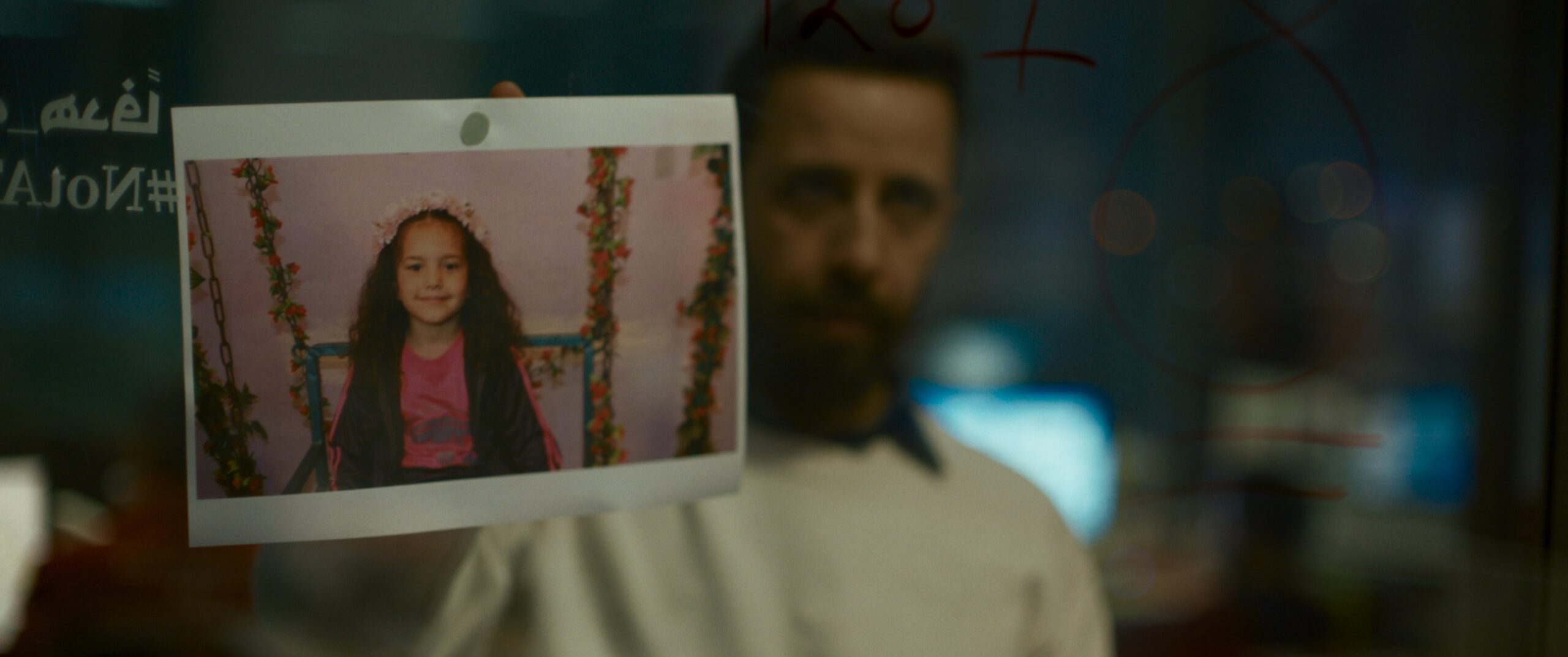
An Oscar nomination is a cultural amplifier, and whether the film can break through the deadening effect of repetition: the endless footage, the endless numbers, the way atrocity becomes something people learn to scroll past.
“When humanity disappears from the conversation, suffering becomes statistics. What is happening is not just politics or headlines,” he said. “It is the loss of human lives on a devastating scale. Stories remind us that behind every number there is a child, a family, a life, a dream, a future that mattered.”
That’s the contradiction at the heart of this week: a film about a child’s voice reaching beyond the rubble, paired with an actor being told his own voice must remain outside the room. Awards season loves symbolism, but this is symbolism with consequence. And Malhees’ response is not to plead for entry. It’s to insist on what can’t be banned. “Borders can stop a body,” he told me again, “but they cannot stop a voice.”
On Oscars night, there will be the familiar choreography: red carpets, speeches, polished applause, the industry celebrating itself. Malhees will be elsewhere, in London where he’s based, in memory, in the long afterlife of a story that refuses to end when the credits do.
If The Voice of Hind Rajab does what it’s meant to do, his absence won’t go unnoticed. It will be understood as part of the story, too.


