
News


In the wake of the internet’s collective nostalgia and its current fixation on 2016 (and all that era’s questionable fashion choices), we look back at how fashion shapes us growing up.
There is a quiet threshold we all cross, often without realising it. It is the moment when clothing stops being chosen for us and begins to reflect something from within. Before that shift, our wardrobes mirrored the people who raised us, their intentions woven into every piece we wore. Even then, without knowing it, we were learning the visual language of presentation. The transition arrives in small gestures. The first outfit we choose for ourselves rarely matches the taste we grow into, yet it marks the beginning of authorship. Those early combinations feel clumsy in retrospect, but they carried a sincerity that mattered.
For those who came of age in the early 2000s, this shift unfolded within an atmosphere of fast-moving influence. The people and images that shaped us often became the first mirrors we tried on. Some looked toward artists whose presence defined cool for an entire era, studying the ease and confidence of figures like Kanye West, A$AP Rocky, or A$AP Nast, or the grounded charisma of someone like Bob Marley. Others found their earliest reference much closer to home, absorbing style intuitively from a parent whose elegance set the tone long before they understood why it mattered. And for many, identity crystallised through the pieces that held emotional weight. A single pair of Jordans could anchor a whole sense of self, turning an outfit into a declaration. Whether it was the joy of putting on a fresh pair that instantly changed how the day felt, the pride of waiting in line for a pair that symbolised commitment or the connection formed through the high-tops tied to one’s own community and passions, these items marked the first moments when clothing shifted from something worn to something understood. Looking back, none of it was a phase. It was groundwork. A visual education built from instinct, environment, access and the desire to claim a place in the world.
ICON MENA speaks to six voices whose aesthetics now stand fully in their own language, each returning to the beginnings of their style to uncover what remains.
Daniel Edwards (@kingdaje)
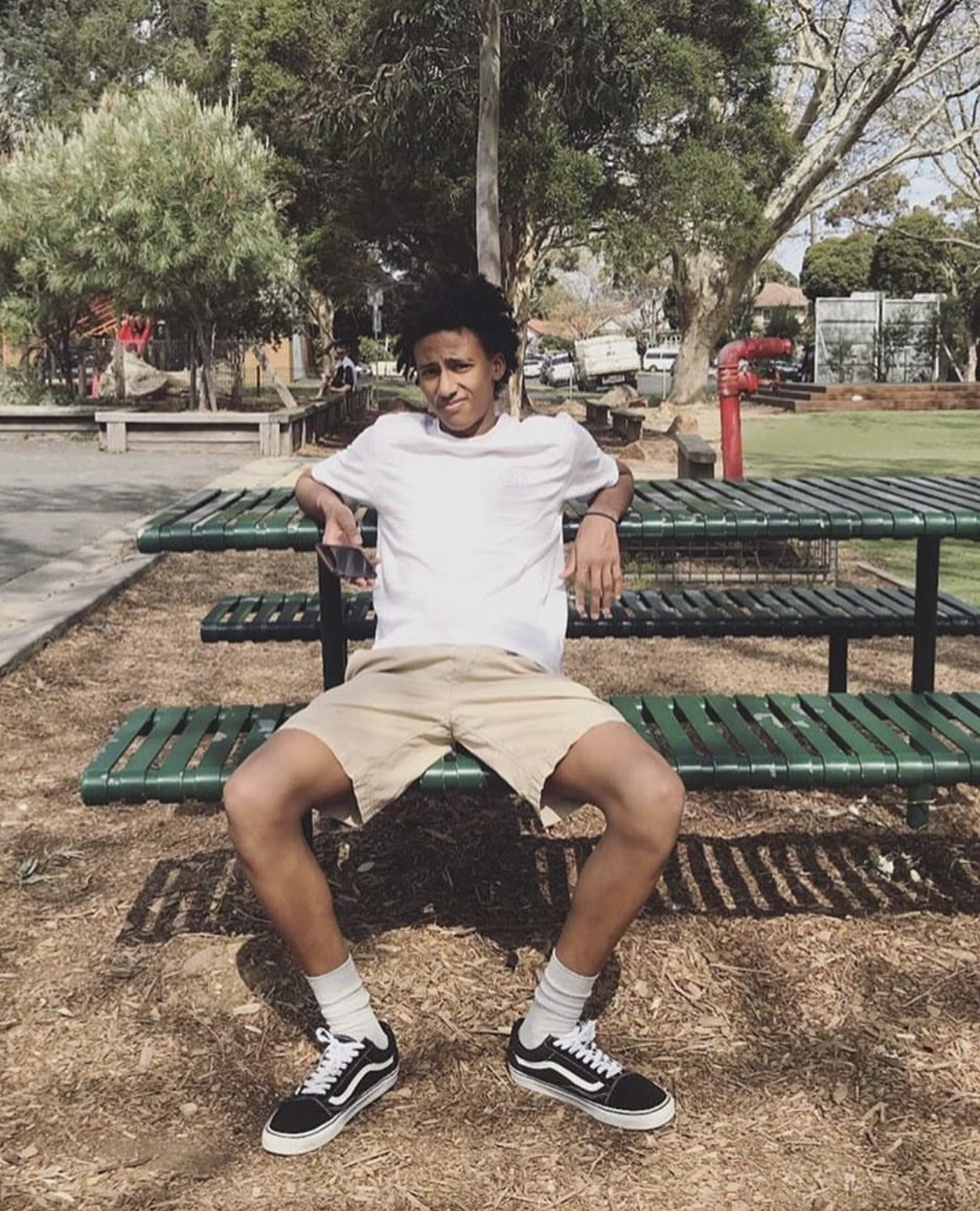
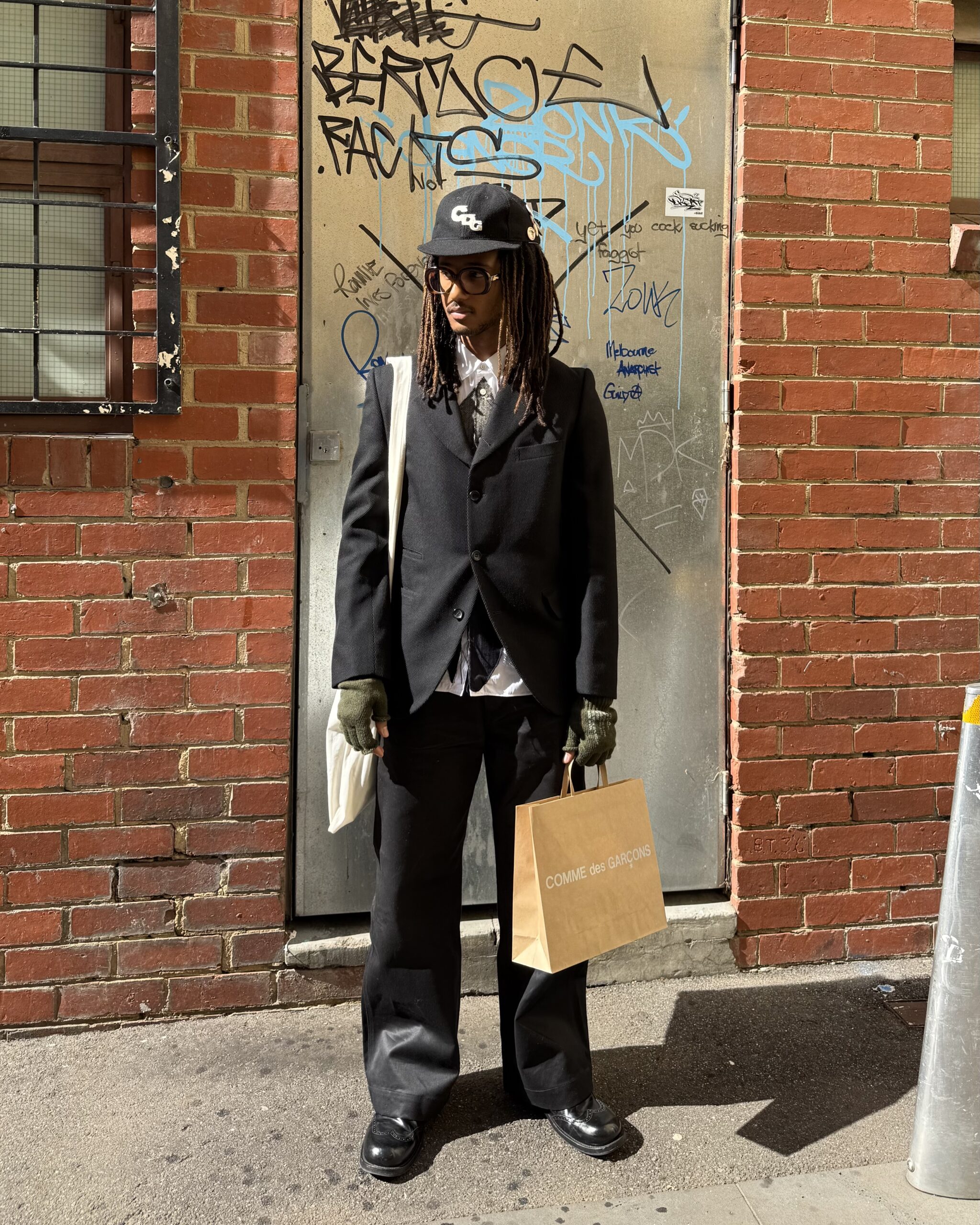
Daniel Edwards is a graphic designer and content creator whose work sits at the intersection of fashion, food and visual culture. His approach blends traditional menswear with an avant-garde sensibility, shaped by his Jamaican and Sri Lankan roots. He carries the perspective of someone who once observed luxury from a distance and learned to reinterpret it through resourcefulness and precision. His style feels expressive, culturally anchored and intentional.
“I was desperately trying to keep up with the rich kids on a budget. I can’t say any of my teenage pieces survived but I’d say no matter what, I always kept my confidence with whatever I put on, and that’s definitely remained.”
Jay Tagle (@jayytagle)
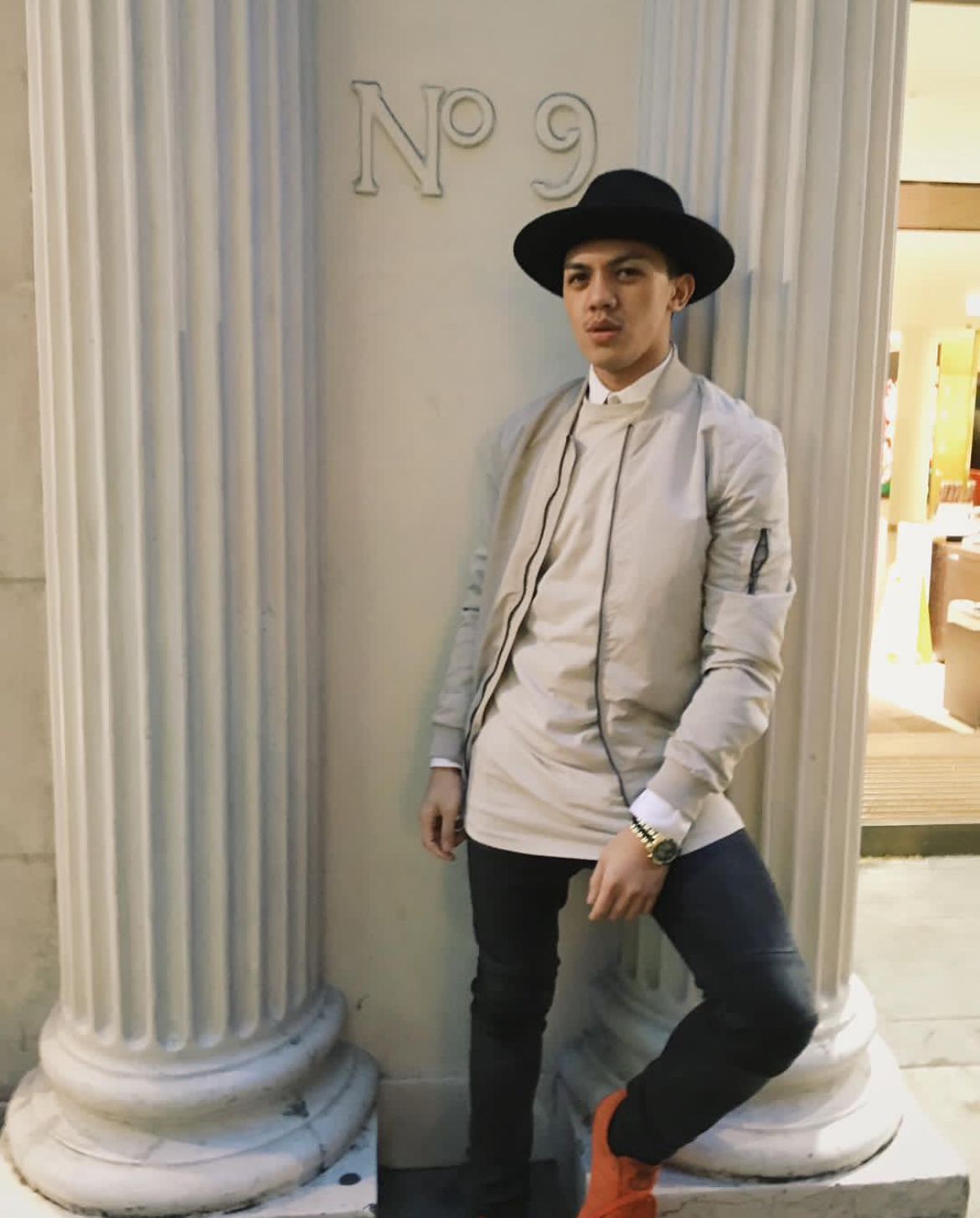
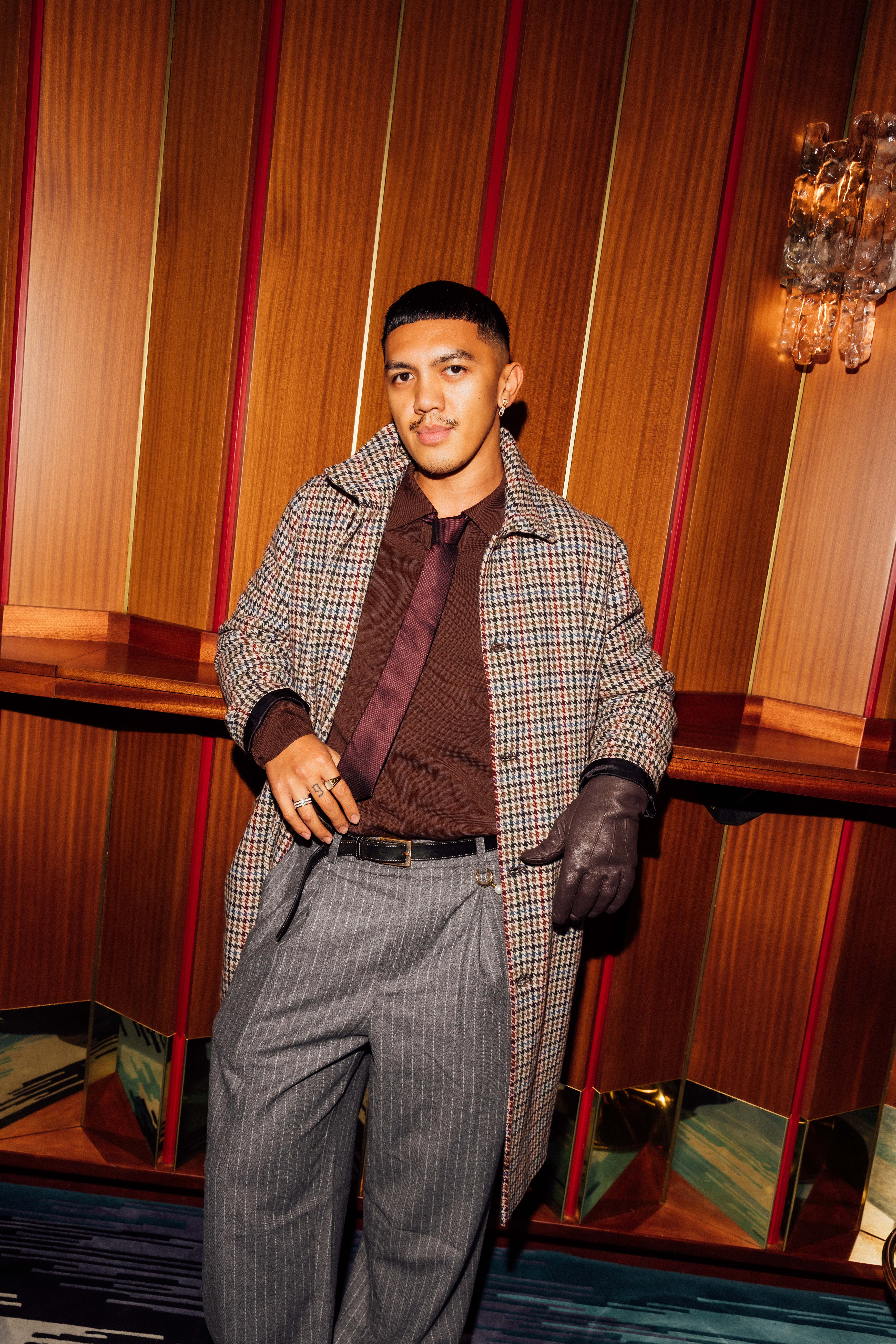
Based in London, Jay is an image consultant, stylist and creative working across fashion, culture, lifestyle and wellness. His practice spans talent identity, editorial styling and campaign direction. His aesthetic merges refined tailoring with a street-informed sharpness, grounded by his belief that accessories are the architecture of a look.
“I remember in high school I thought the hi-top Fila’s were the one and different.”
Mulham Maher (@mulhammaher)
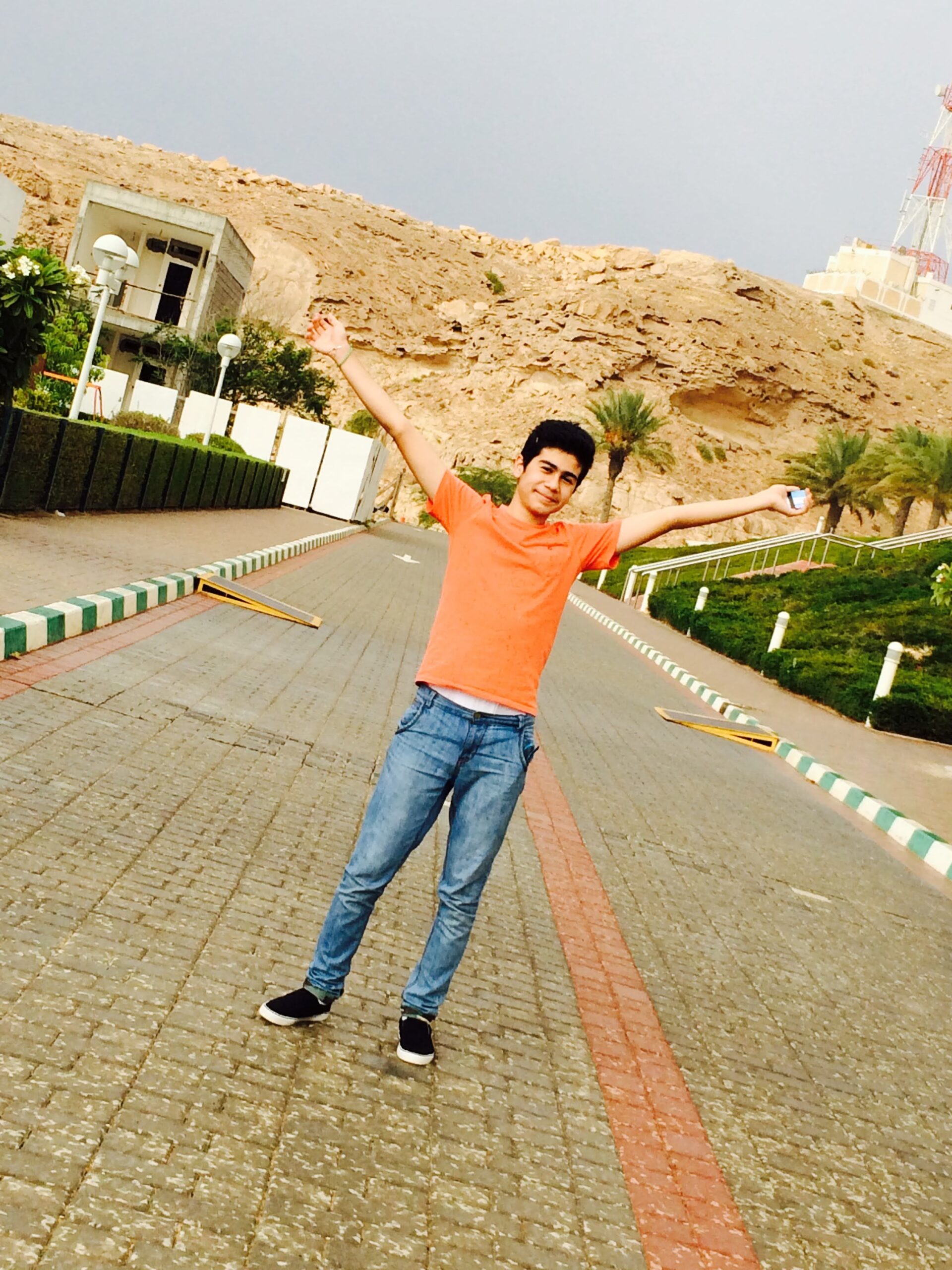
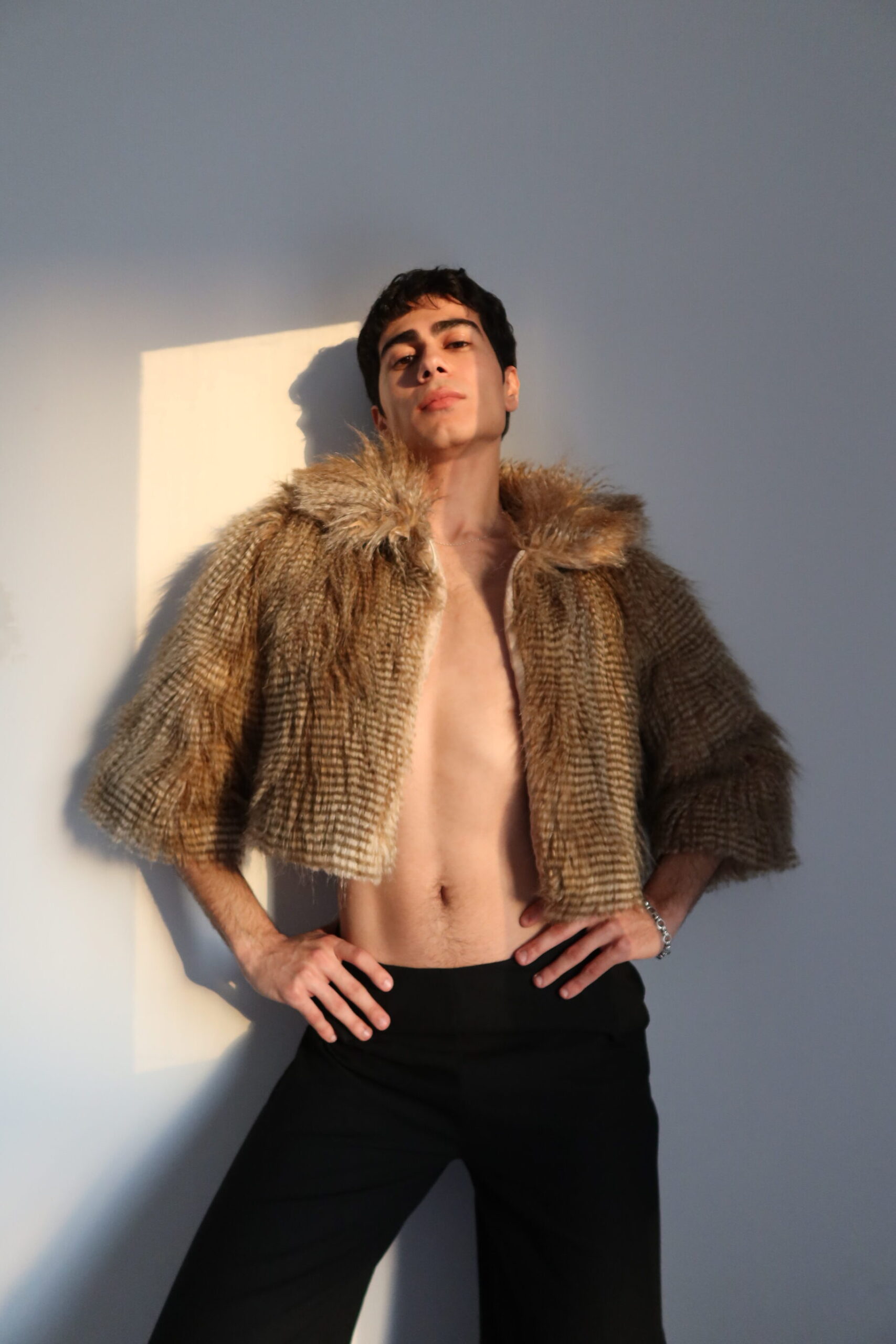
Born and raised in Abu Dhabi, Mulham is a 25-year-old Syrian multidisciplinary creative whose work spans digital creation, modelling and social storytelling. His style mirrors the fluidity of his craft: youthful, polished and constantly evolving. Rather than fix to one aesthetic, he prioritises growth and reinvention, allowing his wardrobe to shift with his sense of self.
“I looked like I was always on my way to a park, which was relatively true. I had these skinny jeans that I ripped myself. For some reason, I wore them 24/7, and I loved them so much because I was the one who did them, and ever since then, I’ve been altering my clothes.”
Nasir Figueroa (@nassnyc)
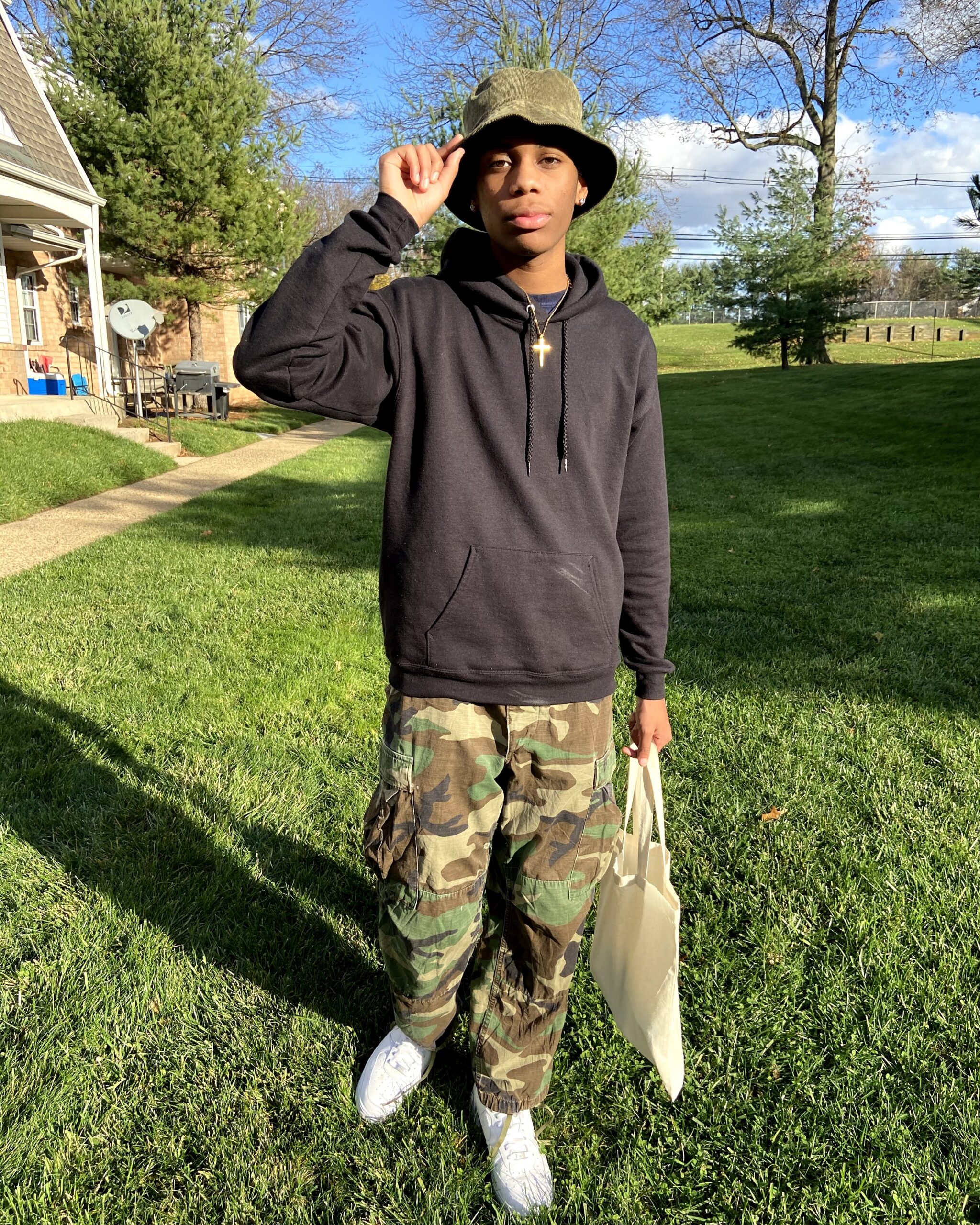
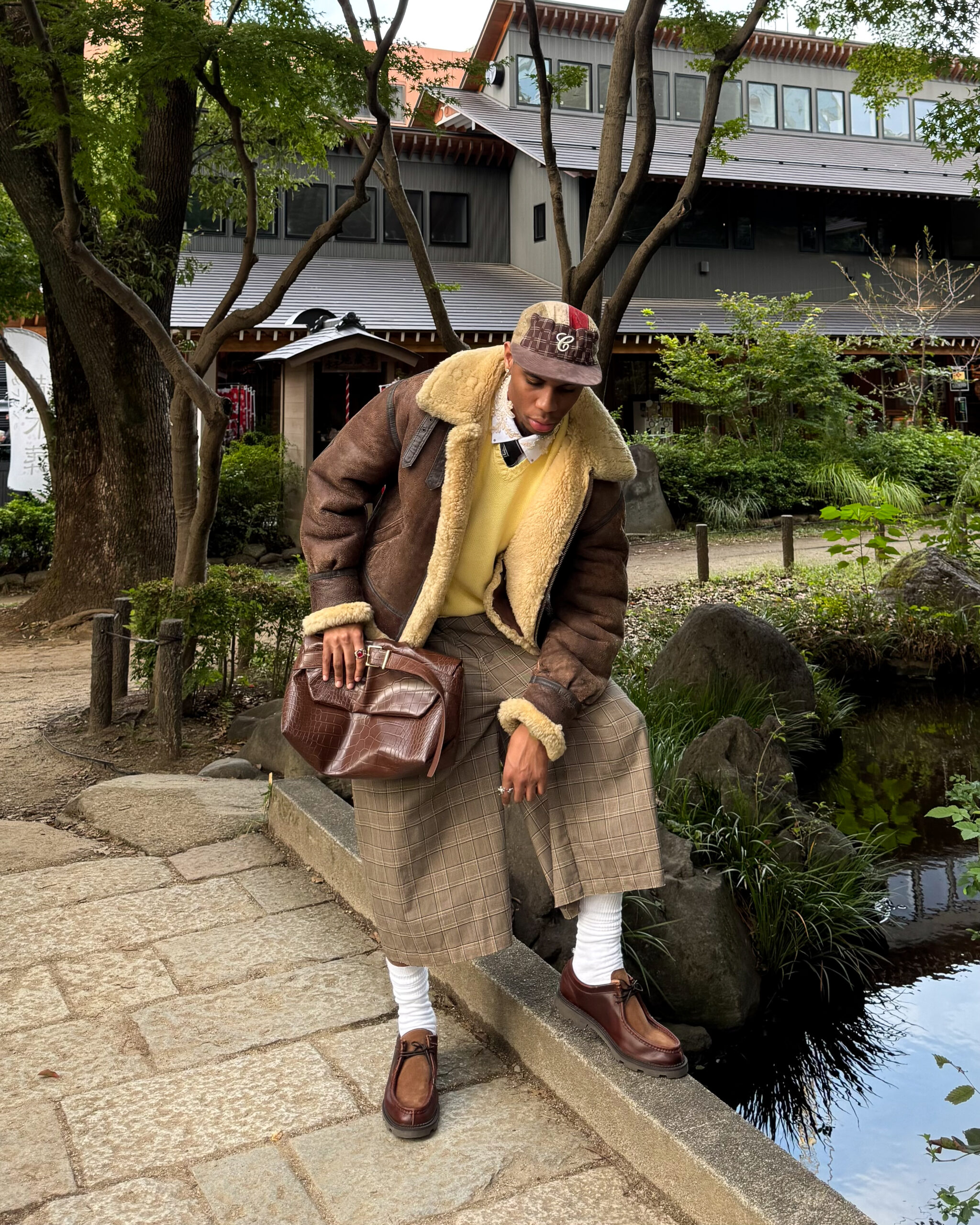
Artist and storyteller Nasir Figueroa works across mediums, guided by the same references that inform his fashion. Growing up in the Bronx shaped his sensitivity to expression and his instinct for visual impact. His style is intentionally chaotic, marked by unexpected combinations of shape, pattern and colour. He gravitates towards pieces others overlook, transforming them into something new with a New York sense of urgency and creativity.
“I tried so hard to fit in and follow all the trends, but I just ended up looking like everyone else. But if I had Jordans on, no matter the rest of the outfit, I just felt like I was the flyest. By the grace of God, I’m able to afford my sneakers now, so I try to wear them whenever I think they look best with an outfit. I don’t think I’d ever fall out of love with a good pair of sneakers.”
Omar Almahri (@aswatomar)
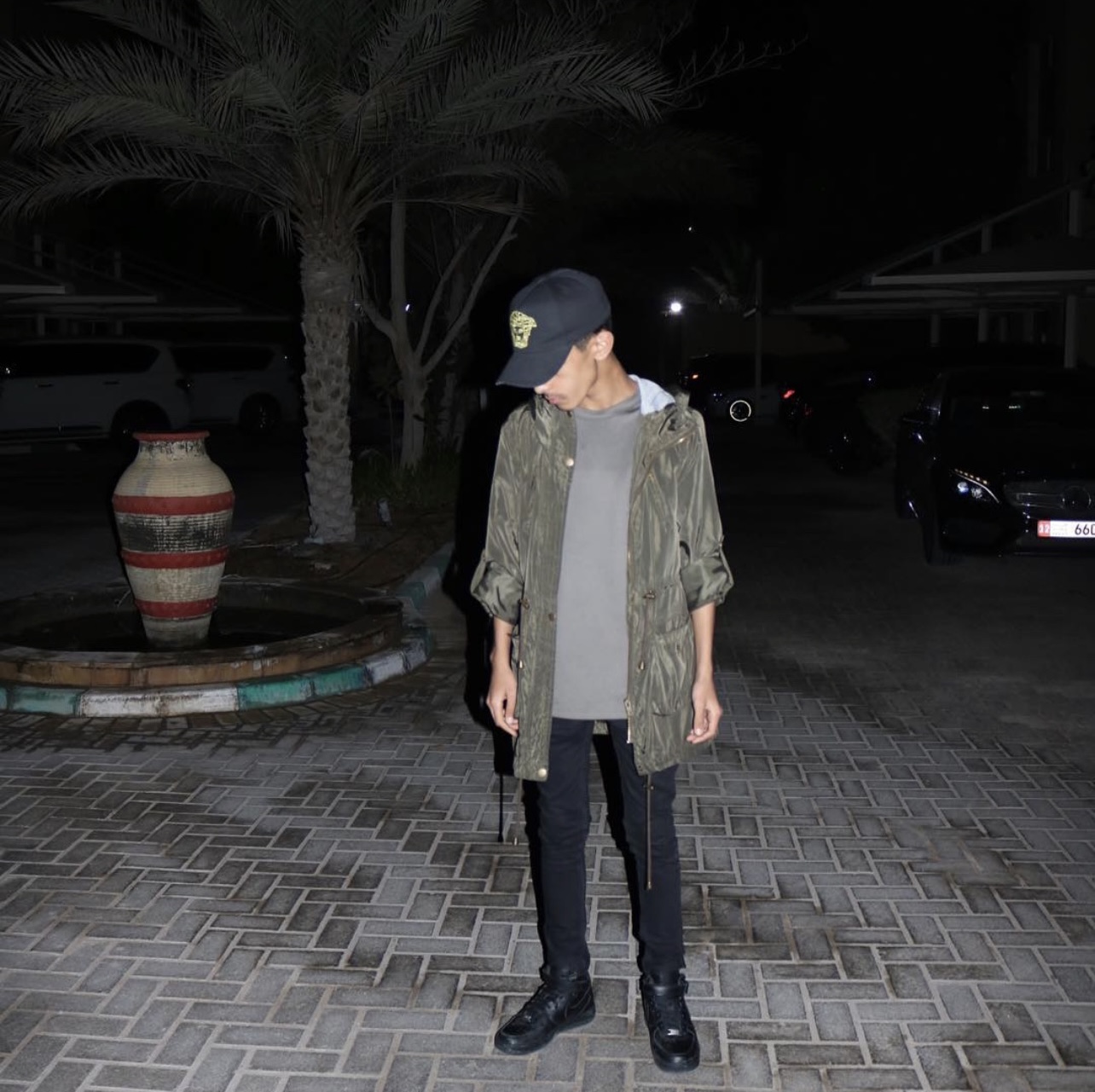
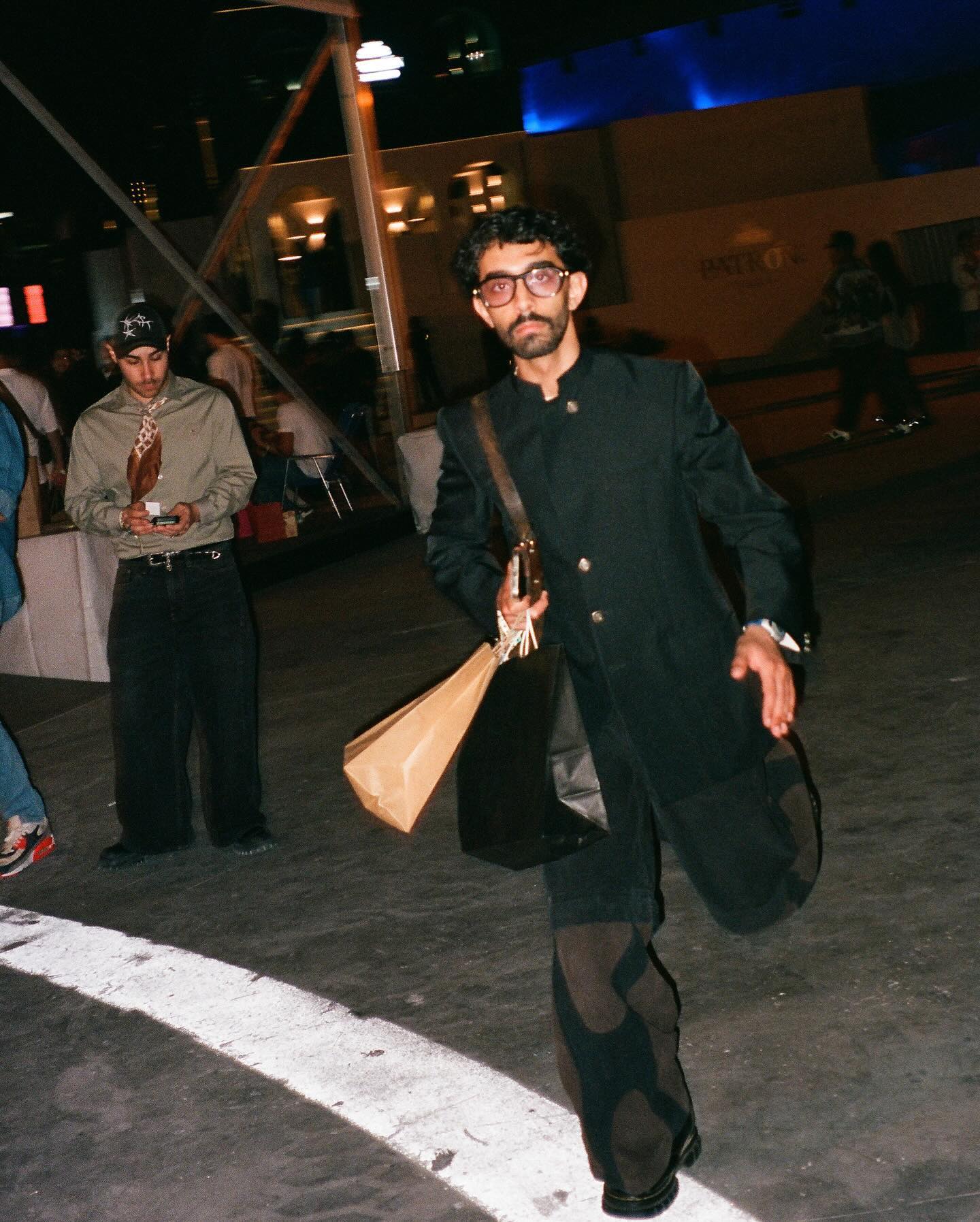
Omar Almahri is a film director and artist working in moving image, photography and design, united by an interest in emotional narrative. As the founder of Studio Haraka, he studies movement and the textures of feeling. His personal style draws from heritage and detail-driven comfort, especially in his contemporary interpretations of the kandora. Beyond traditional wear, he looks to old Arabian elegance and the 1970s, mixing flared trousers, refined silhouettes and pieces that hold history. His palette shifts between deep blacks and measured uses of colour, depending on mood.
“Justin Bieber really influenced how I dressed growing up. I was obsessed with his streetwear phase, the oversized hoodies, the sneakers, the beanies, all of it. I think a lot of my teenage outfits were just me trying to recreate that energy.”
Omer Elsarrag (@omer.elsarrag)
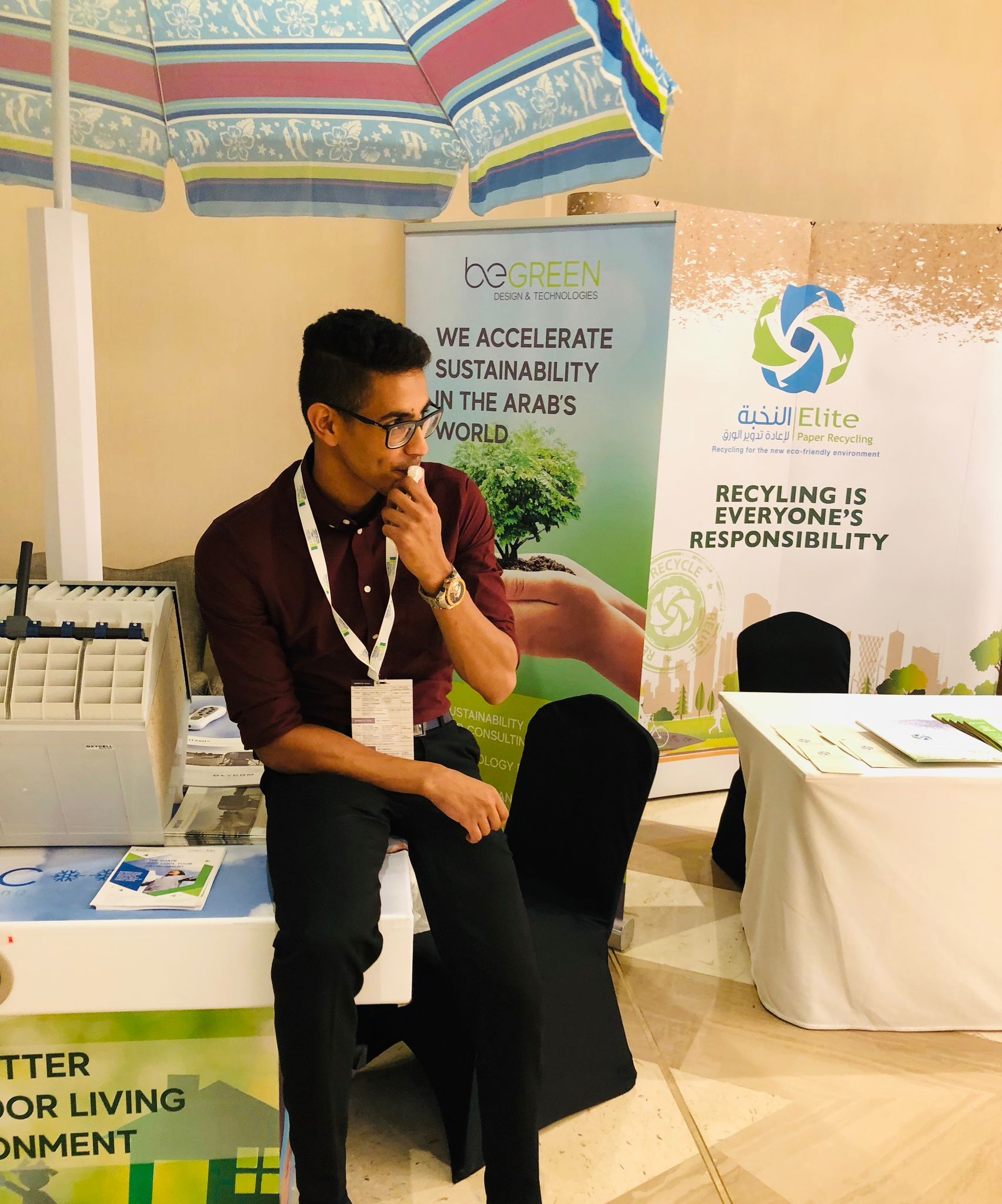
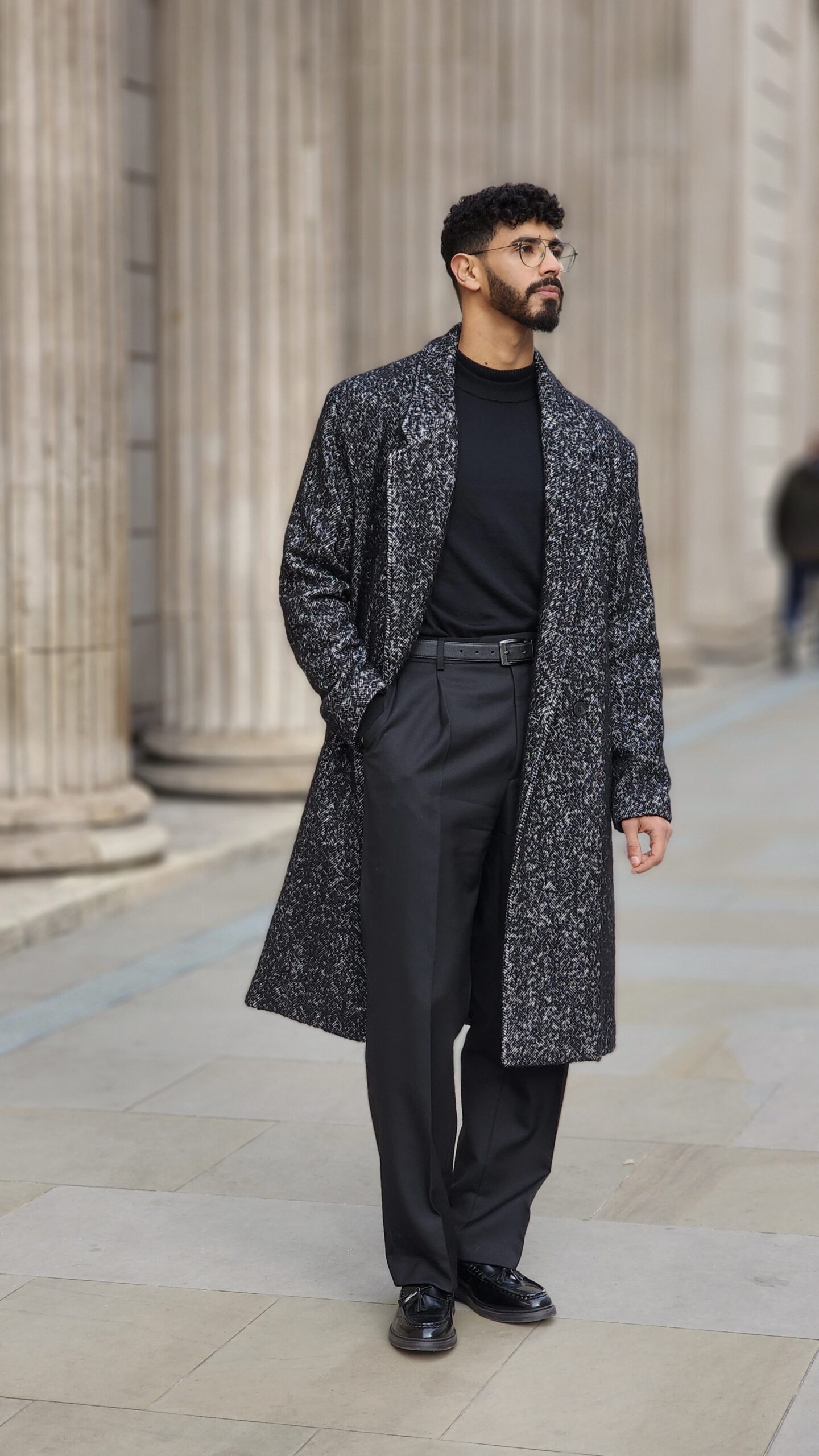
London-based fashion creator and storyteller Omer Elsarrag blends cultural depth with cinematic precision. His background in aircraft maintenance engineering informs his instinct for structure, detail and visual clarity. His early style was expressive to the point of excess, driven by a desire to communicate everything at once. With time, he shaped that energy into intention. His aesthetic now remains experimental but focused, grounded in narrative rather than noise.
“My style was confused, messy, throwing all the pieces I like together hoping to express what I like, but that was noisy. It’s like screaming in someone’s face the first time you meet. Purple shoes, puffy khaki green jacket with logos, tight bright chinos, a T-shirt with as many logos as possible.”
Wilfred Cissé (@wilfredcisse)
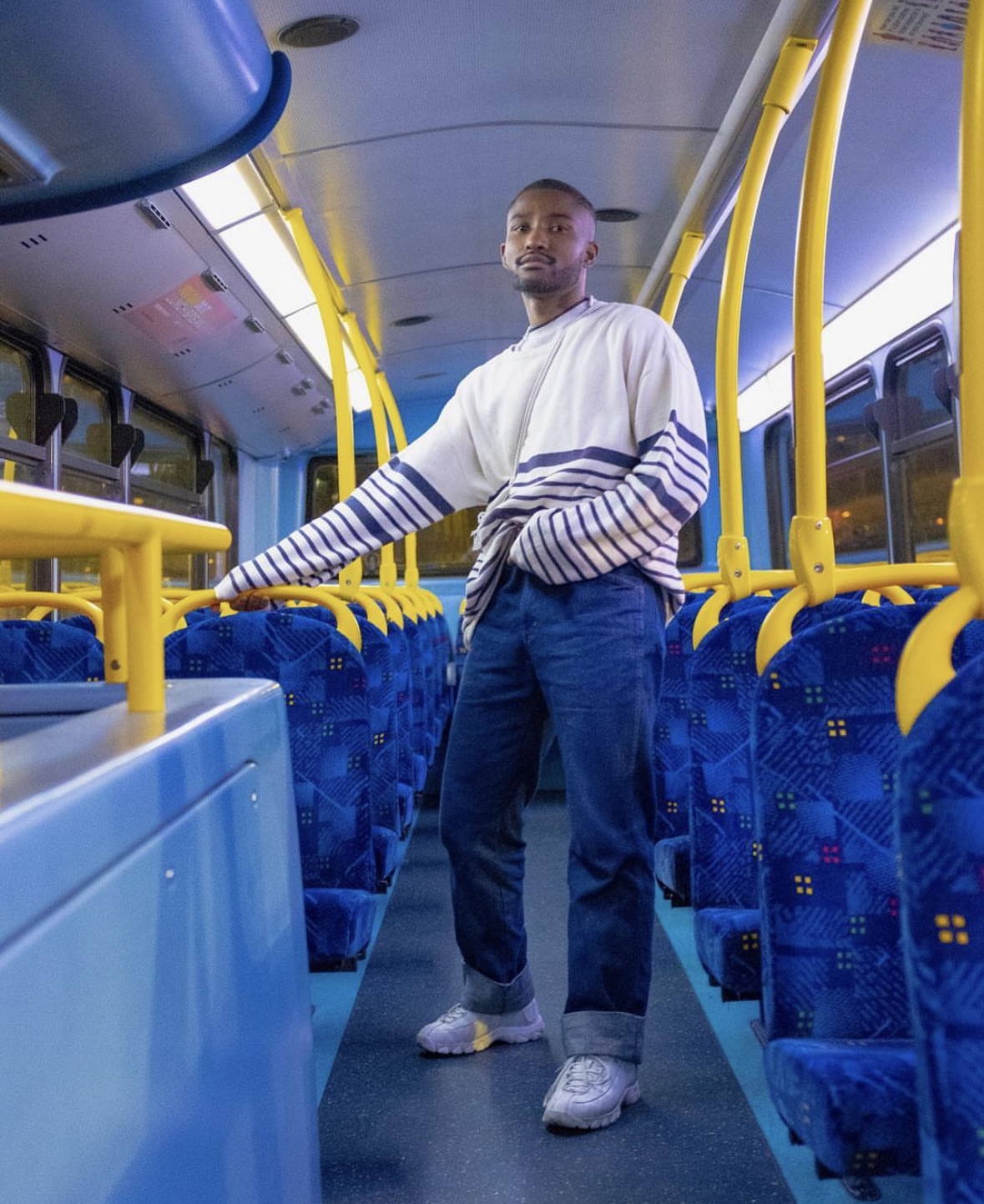
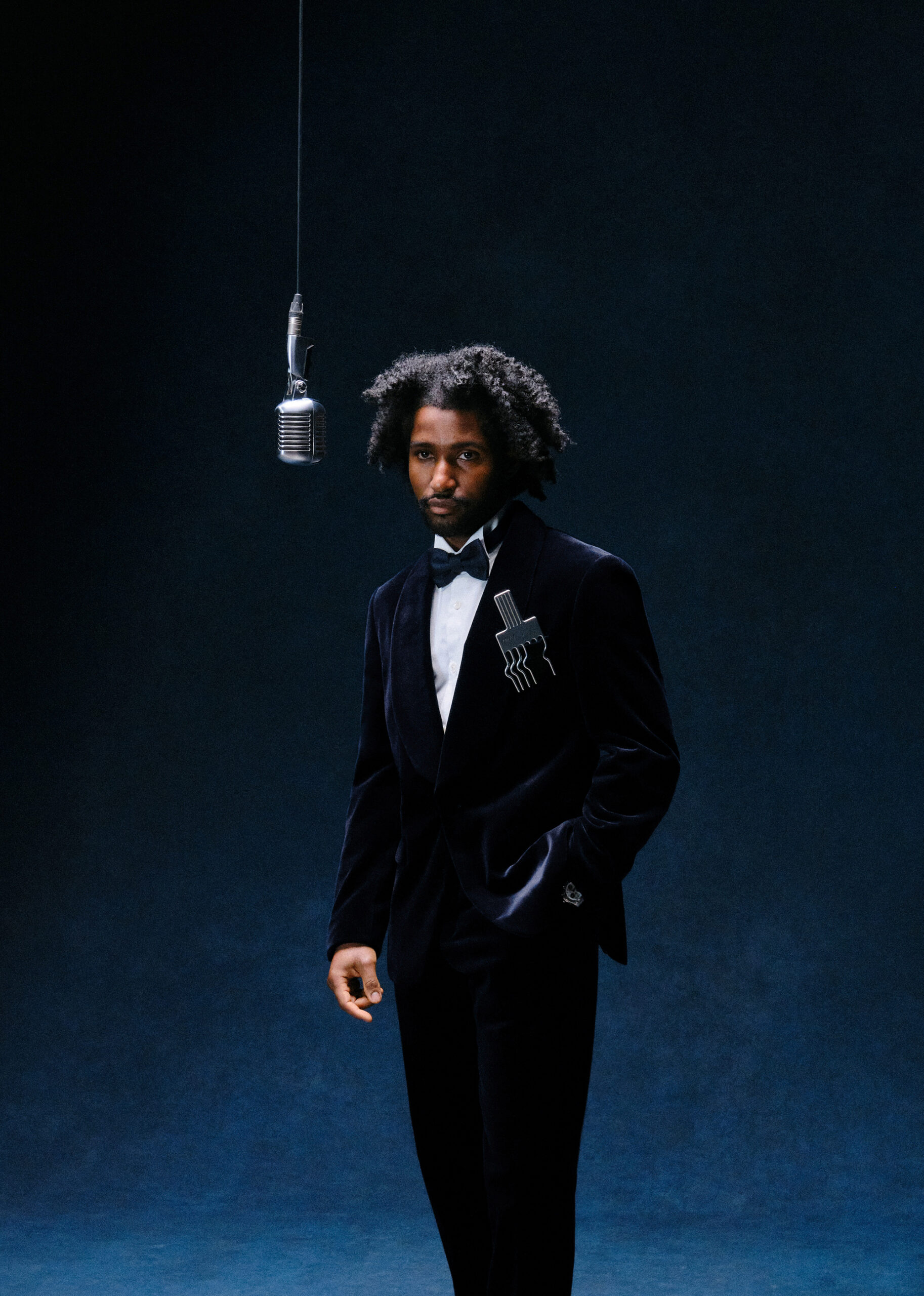
Wilfred Cissé moves fluidly between fashion, sound, and image, shaped by his origins in the Ivory Coast and his London base. Trained on Savile Row, his tailoring background informs a multidisciplinary practice spanning music, style, and visual direction. His upcoming film Smile More is a light-hearted comedy with a subtle psychological edge, following three friends whose casual catch-up turns into a playful exploration of heartbreak and coping. The dynamic between a grounded “angel” and a chaotic “devil” reflects the tension between vulnerability and deflection in male friendships. Across music, fashion, and film, his work is defined by intention, originality, and a quiet confidence that threads through everything he makes.
“I think fashion/style is a language and sometimes you just don’t have the right vocabulary to express yourself. The cringiest thing I did as a teen was feeling the need to cut my hair every two weeks because that’s what I was told was ‘appropriate’ and ‘neat’.”


