
News


Valentine’s Day arrived in the nineteenth century as one of the earliest event-marketing holidays in the Western world. Now year after year, on the 14th of February, flowers, small heart-shaped gifts, and plastic ornaments, once distant dreams of luxury commodities, bombard local markets at affordable prices. Love, in its commodified form, became something you could carry home in a plastic bag.
Yet love itself has never and will never be so easily contained. As hyper-capitalist industries tighten their grasp on the world and its land chokeholds, suspended in a battlefield of imperial empires, our bodies, our selfhoods, and our identities are becoming increasingly politicised. It is incessant to remind ourselves that the act of loving, democratising care, practising radical intimacy, and strengthening our interpersonal ties is what our indomitable human spirit must reassert its claim to. Love, at its core, is the necessary precursor to reimagining a new world.
Our histories of celebration are rooted in symbols and motifs — in the democratising leisure of plastic chairs strewn across courtyards, in the Byzantine-influenced geometric patterns we look up to during prayer, in the colours thrown during Holi, in jasmine bracelets (گجرا) carefully tied across wrists.
It only felt right, then, this Valentine’s Day, to turn to our community and ask: What iconic symbols, motifs, or archetypes remind you of our urgent need to celebrate love?
Yasmin Alrabiei, writer
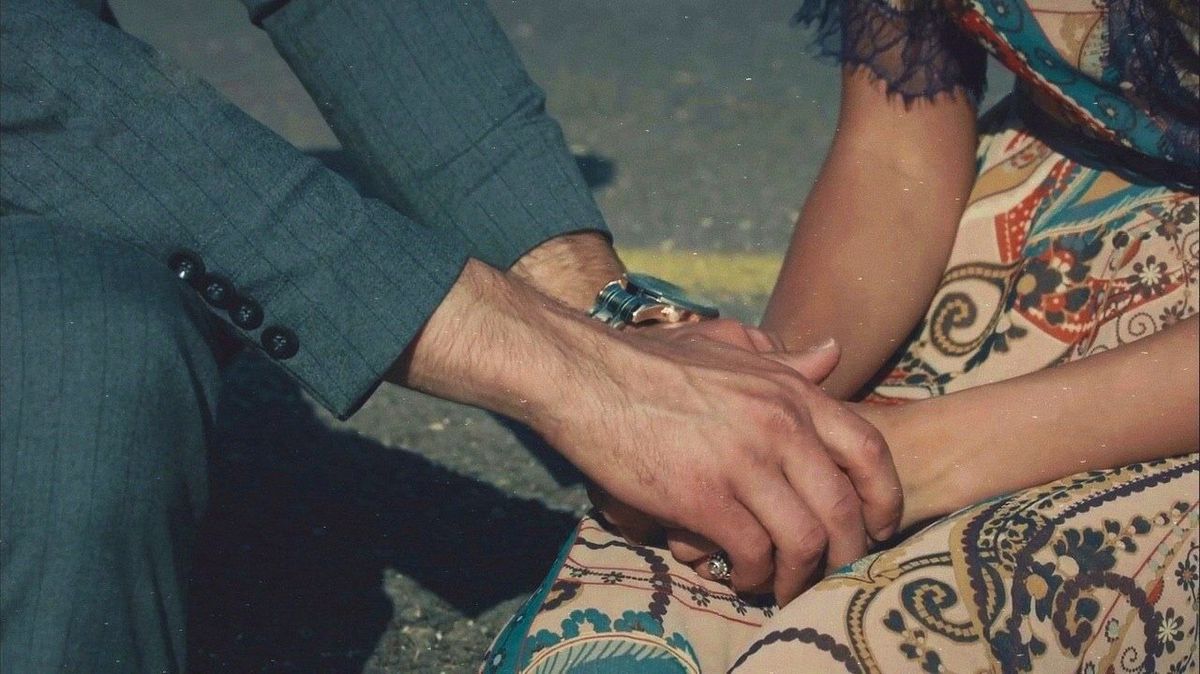
I love hand holding. I think it’s so sweet that we intuit locking fingers when we like someone because it’s tactile and fleshy but not in an erotic way. It’s tender and of course like most gestures in love it’s voluntary but I do think there’s something more primal about it. And when you hold hands, you’re sharing heat which I think is passionate and caring. Because you’re both changed by that warmth of skin-to-skin contact, it reminds me of magnets. If we’re close enough, our hands will just hug each other like that. So cute!
Joey Chriqui, Creative Director of Khajistan
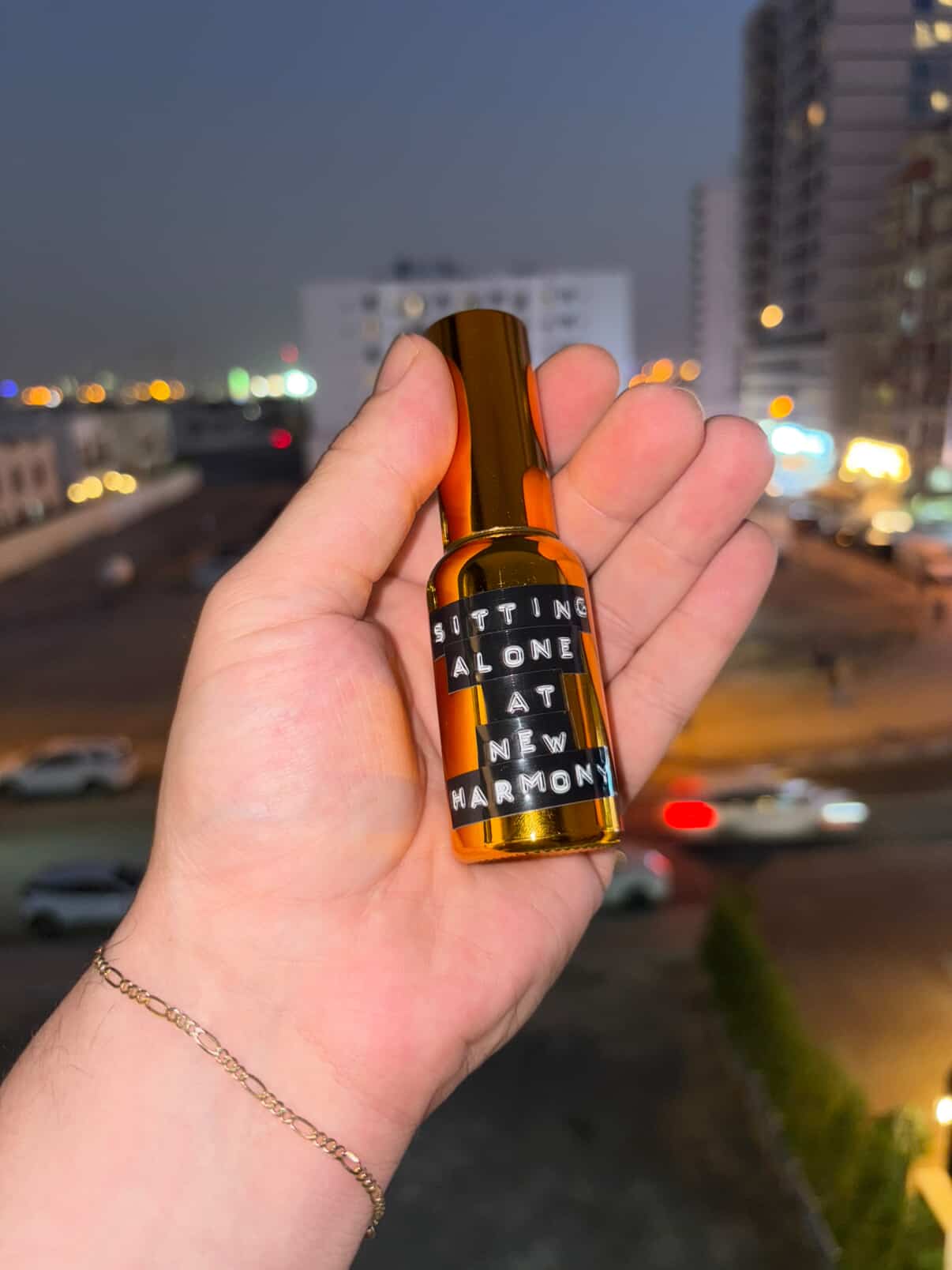
As a child I had a recurring nightmare of being trapped inside a decaying kosher Chinese restaurant my family used to go to in Philadelphia. I would be fused to a leather armchair, surrounded by empty booths with untouched table settings. I could see an exit sign but there was no door. The dread returned night after night. I remember being afraid to sleep.
Years later, I began making perfume. I have spent a decade trying to recreate the scent of that dream: worn leather, jasmine tea, steamed greens, hot plastic, honeyed wheat, vanilla, fried vegetables, electrical dust.
Rebuilding the scent became like a love letter to my child self, a way to release myself from a quiet form of self-punishment. For me, love is returning to that dreamscape and staying, without asking to be freed.
Vaneeza Sohail, Writer and Poet
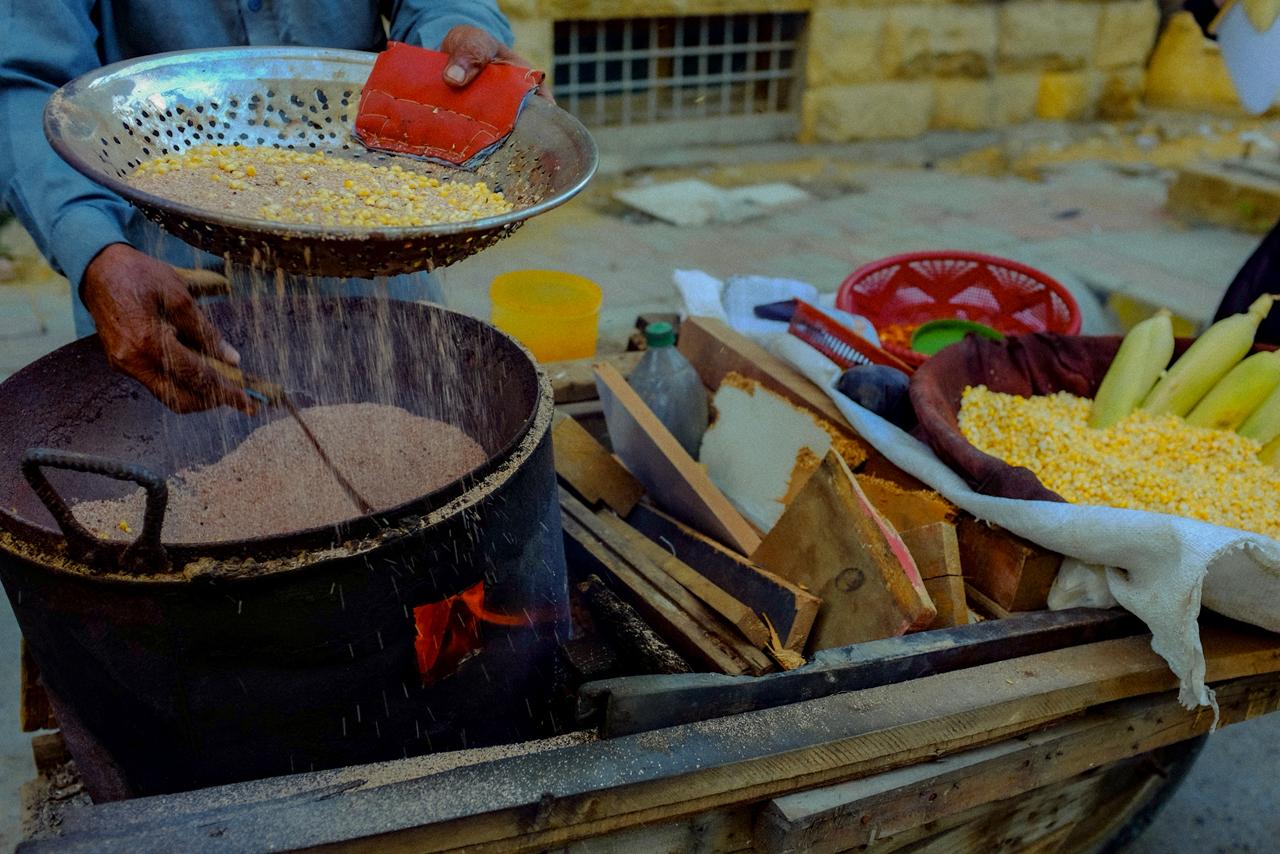
With Karachi, the biggest archetype of love I find are hands. Hands holding hands, hands opening doors, hands putting makai into paper bags, hands helping fix cars, hands pushing cars from the back to help start it, hands touching trees, hands sifting through postcards and old books at bazaars, hands lighting cigarettes, hands holding faces when we cry – the city’s holding us in her palm and when we can, we all hold each other.
Hadi Afif, writer and photographer
Love has always been imagined as violent because it is an act of rupture. It wounds, it pierces, it maims, leaves a mark. In tarot and myth, the blade symbolizes cruelty, but also the fact that intimacy is invasive. To love someone is to let them pierce your defenses. The sword externalizes that act. Think of the heart pierced by blades, of lovers tested through trials, of devotion proven through sacrifice. Love hurts because it rearranges you. It cuts away old selves, old loyalties, old illusions, and paves the road for new ones. There is a violence in binding yourself to something that can undo you. The sword is honest about this, cutting through the comfort of love only being a net for warmth and safety.
Dalia Al-Dujaili, writer, editor and curator
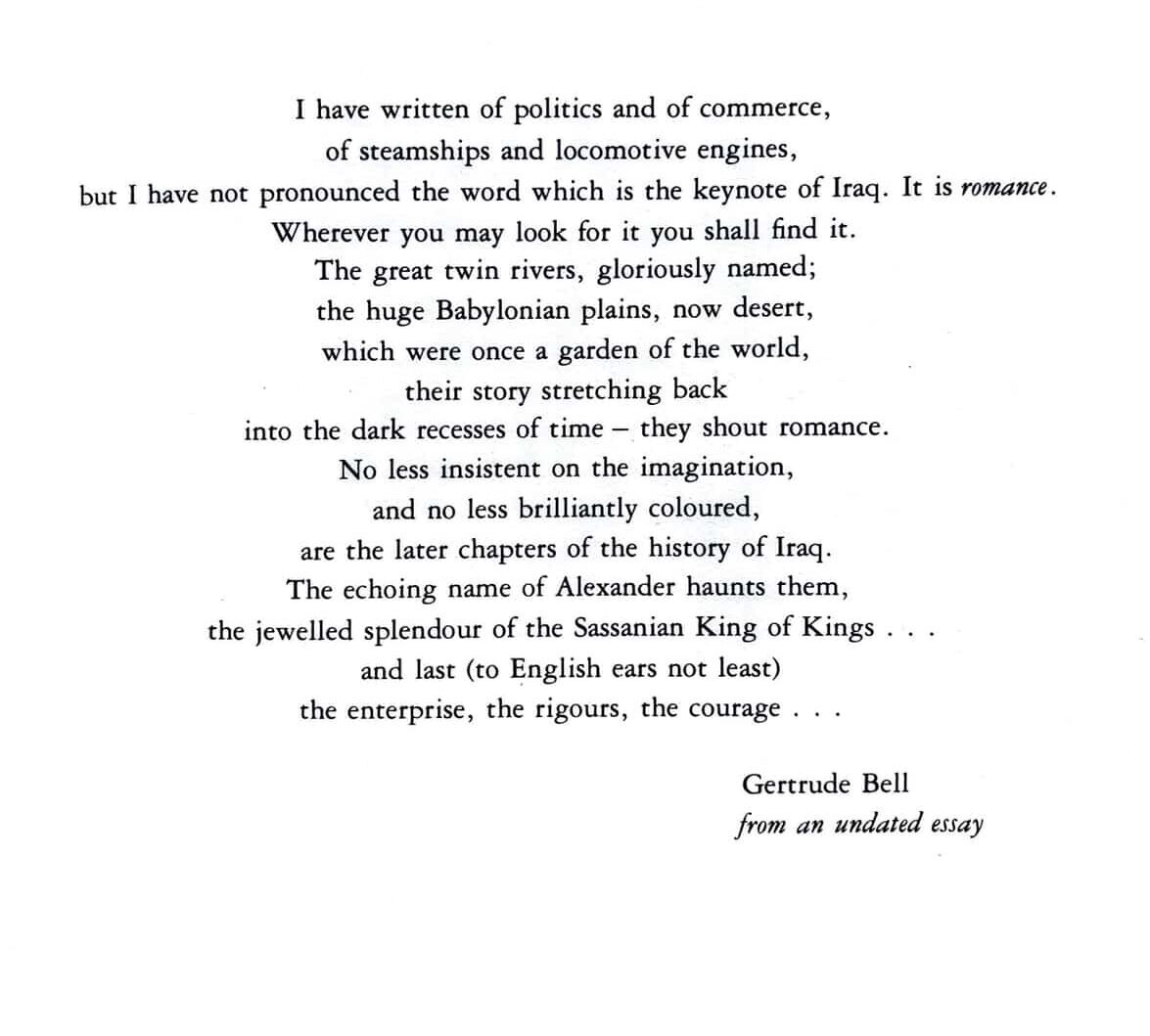
I truly believe not all forms of romance have to be shared between people – my first and greatest love is my motherland Iraq and her ancient history. Not in a nationalist sense, but in a sense of ancestral reclamation. I adore my Iraqi identity and heritage more than anything; this is a love which has inspired me, charged me and motivated me to begin my practice as a writer and as a creative. It is unconditional love, because Iraq cannot love me back, Iraq has broken my heart and hurt me time and again, Iraq has cheated me and fooled me. And yet, I will fall into her ‘gharama’ (as we say in Arabic) a million times over (sounds a bit toxic!). I love this quote by Gertrude Bell, a British traveller who also adored Iraq and devoted her life to the preservation of its artefacts; she reminds us of the romance of Iraq, something the world has asked us to forget and tried to destroy, but very much remains as long as Iraqis persist in their cultural identity.
AMIR HAZIM, photographer
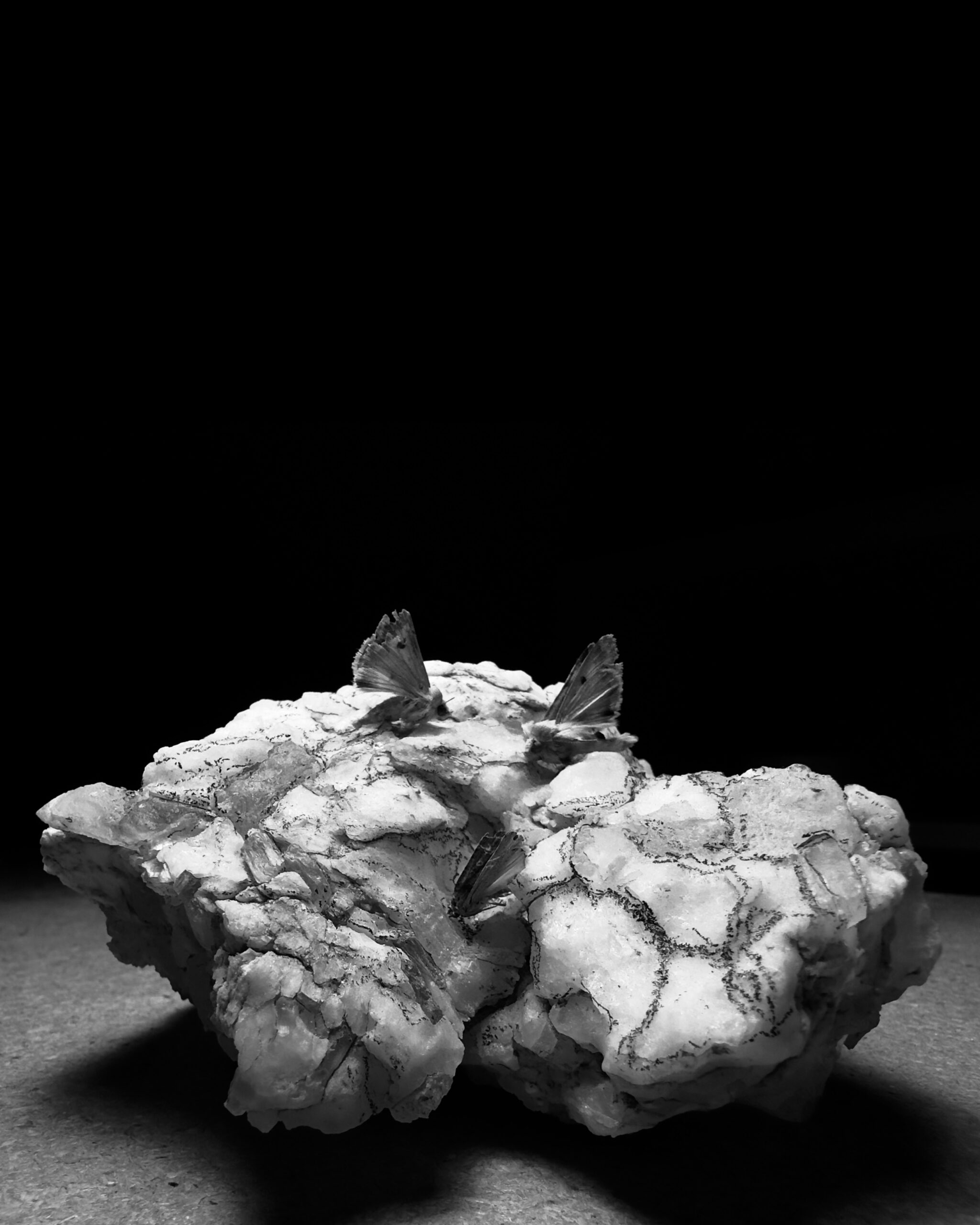
Love is the space between you and your desires, a moment of clarity that does not solve the mystery,
but gently rearranges your feelings into something that remains alive within you, long after it has passed.
Celine Salibi, Creative
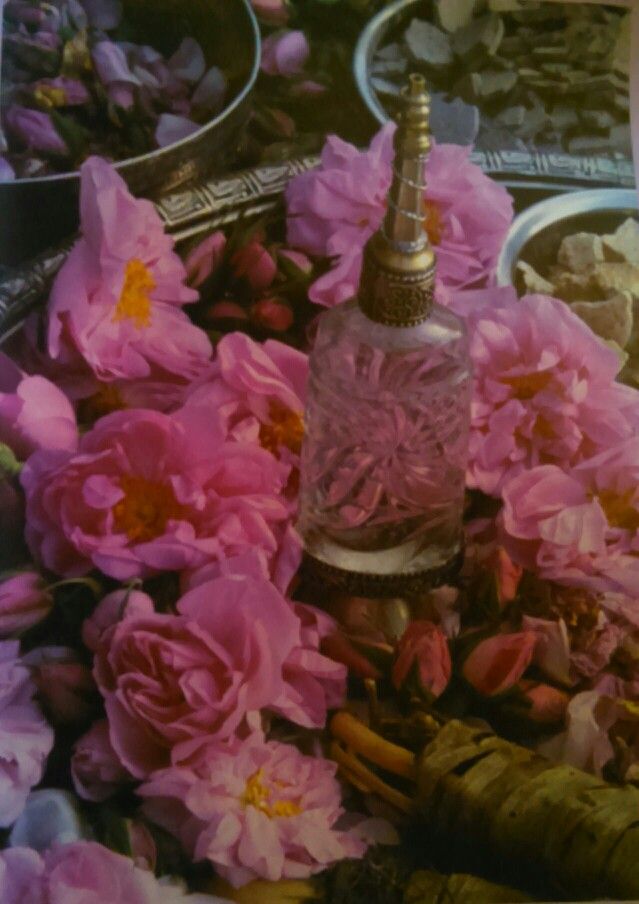
To me it’s white coffee, also known as ماء زهر, and the act of serving it. I love that it’s both ritualistic and sensory, something we offer our loved ones after a meal or when they’re feeling unwell. It’s simple yet so fragrant, and carries so much care, hospitality, and the instinct to soothe. In our culture, love often looks like tending to someone’s comfort, with acts of service being one of our greatest love languages. It lives through small gestures that are warm, fragrant and attentive, like a cup of rose water in hot water.
Hayat Aljowaily, CULTURAL PROGRAMMER
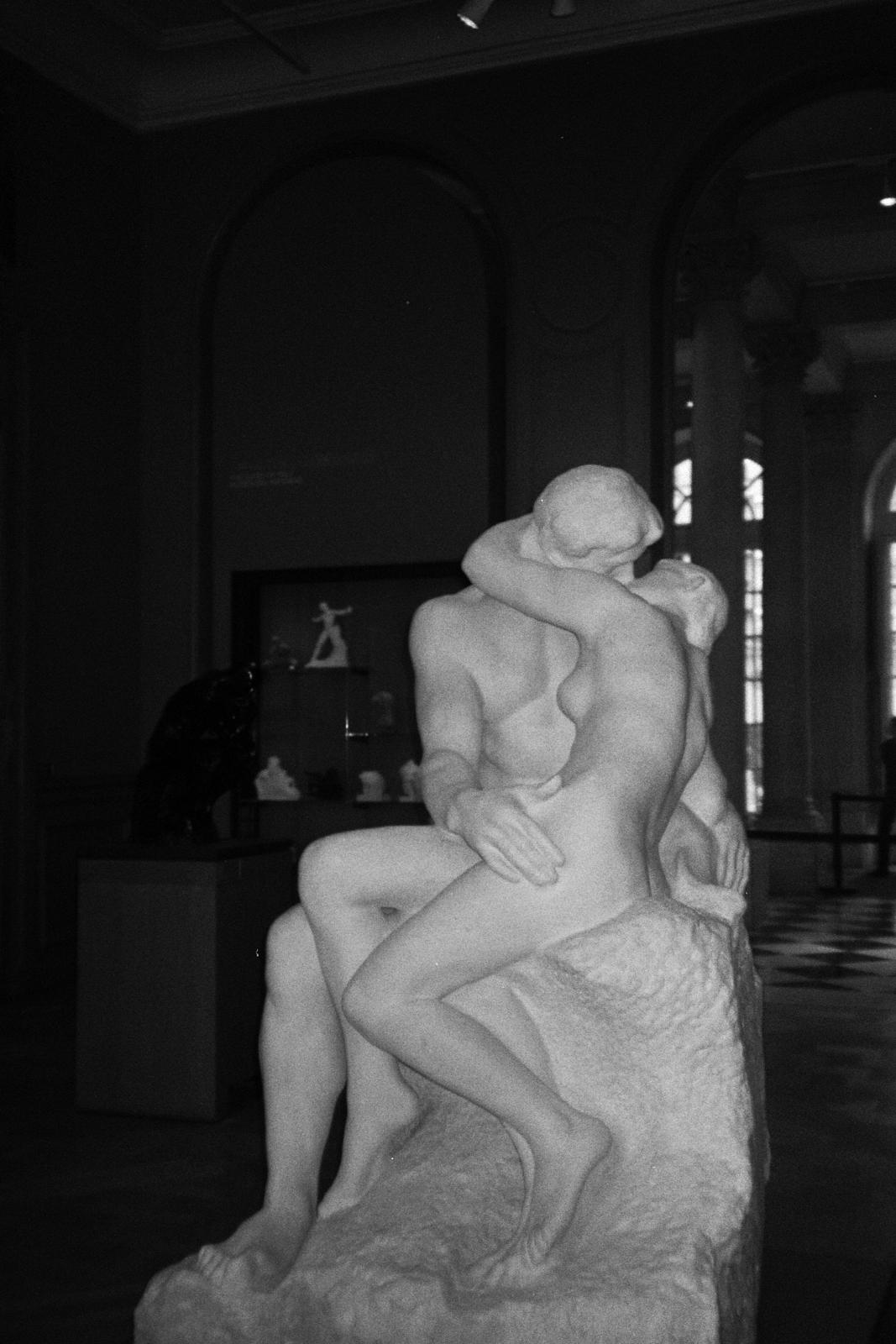
Love, to me, is in the moments where it feels like nothing but divine intervention could’ve made them happen. It’s running into your crush on your way home from a party, walking in empty streets, with headphones in and TLC playing. It’s being out with your friends and the DJ playing the song you love to dance to together at home while getting ready. It’s standing at the back of a Kalam Aflam event in Paris and hearing the crowd break out into chanting ‘Free Palestine.’ It’s catching a glimpse of parents holding hands, or a baby cousin asking you to braid your hair before school. It’s the lights coming on in the cinema, in the moments before you walk back out into the real world, knowing that something inside of you has been changed forever. Love is in all these moments, in the in-betweens. I’ve asked myself many many questions about Love – and not seemed to find many answers, but one: which is that love is an energy, a force, which once created, never disappears. It only transforms. Love’s presence everywhere, and its indestructibility, makes it the essence of revolution in of itself: as it cannot be colonized, stolen, appropriated, tamed, or erased. Love – in all its forms, the love we have for our friends, our partners, our family, our homelands, our purpose – is something that belongs us, each and every one of us, and that links us together, and most importantly, that cannot be taken away from us.
Dania Dawn, Writer and Poet
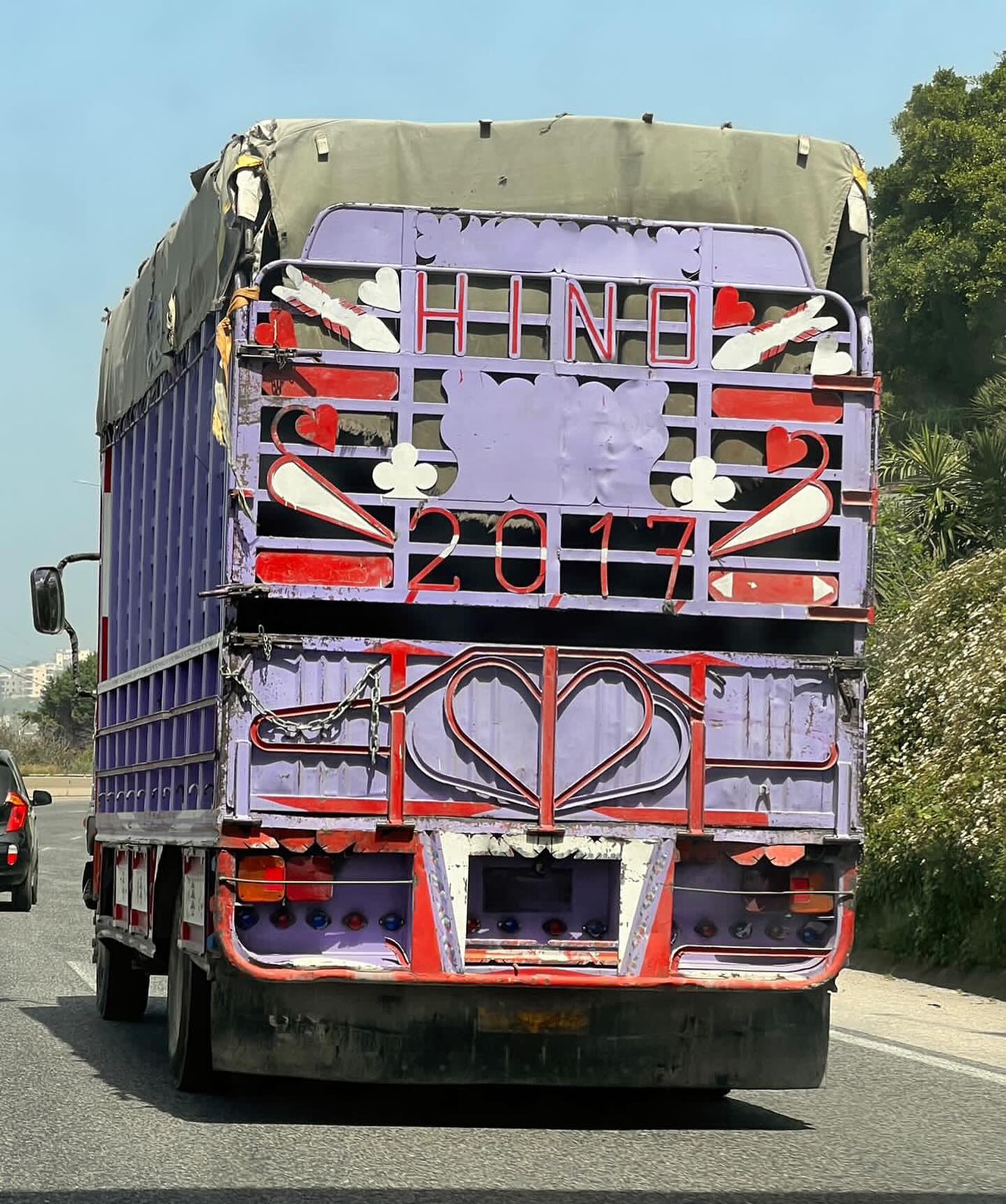
My favorite, truly favorite love symbol recently that I’ve been looking for everywhere would be the drawings behind big trucks, they’re hard to miss but if you’re for them you will find them
I have seen hearts, swans, other symbols too and for them to exist on pickup trucks that (basically) have nothing to do with those motifs is just so comforting.
Gayathri Krishnan, Musician
For me I think about my parents, the orange colored walls in my childhood house and my grandparents house, my mother’s hands, a silver plate that I eat on, seeing my mother light a lamp, or my father sing.
karim el atrache, artist
الحنان
That the attention paid to you is special to only you. The strong sense that eternity is being actively spent with this somebody; the transfiguration of somebody else and yourself with them, and only with them. In short; the feeling of being especially special to someone that is especially special to you.
KEVIN BREEN, EDITOR-IN-CHIEF
Airport Arrivals: Airports are full of anticipation. People wait just beyond the sliding doors, clutching flowers, signs, or nothing at all, scanning for someone familiar. There is a pure happiness in those moments, in the reunion itself and in the brief suspense before it. Parents greet children, friends embrace after years apart, couples reunite. Across languages, ethnicities, and creeds, the emotion is the same: joy: a reminder of connection, of love returned, of the people who make life feel whole.


