
News


A rolling car tire cuts through the frame, pulling the camera with it and dragging our gaze to a kid with a buzzcut staring straight into the lens. He lip-syncs a mantra that anchors the entire song: “Allah, family, me, business.” The pillars of Mond’s life, or anyone’s for that matter. The boy continues until, without warning, he’s punched and dragged away by two kids who look just like him. The tire keeps rolling in the background.

In the same take, the camera cranes upward to an abandoned building where Mond appears in one of the windows, rapping. The opening is seamless, executed as a single, fluid take that immediately sets the grammar for “BZNS”, the latest music video from Egyptian rapper Mond, directed by French-Egyptian filmmaker Ahmed Razeek and shot by Cannes-nominated cinematographer Mostafa El-Kashef.
Over the years, Mond, previously releasing music under his real name Muhab, has built a loyal following through work that’s consistently raw, emotionally exposed, and visually deliberate. His songs rarely arrive without images attached to them. There’s a coherence to his output that feels instinctive, often black-and-white, occasionally theatrical.
“Whenever I make a song, I always visualise it,” Mond says. “I picture an image in my head when I’m coming up with flows in general. All my songs are like that for me. Any song that I can’t visualise, I don’t complete it at all. I don’t even record it. I feel like all my songs can be put to images, put to videos. “BZNS”, however, was a pure coincidence.”
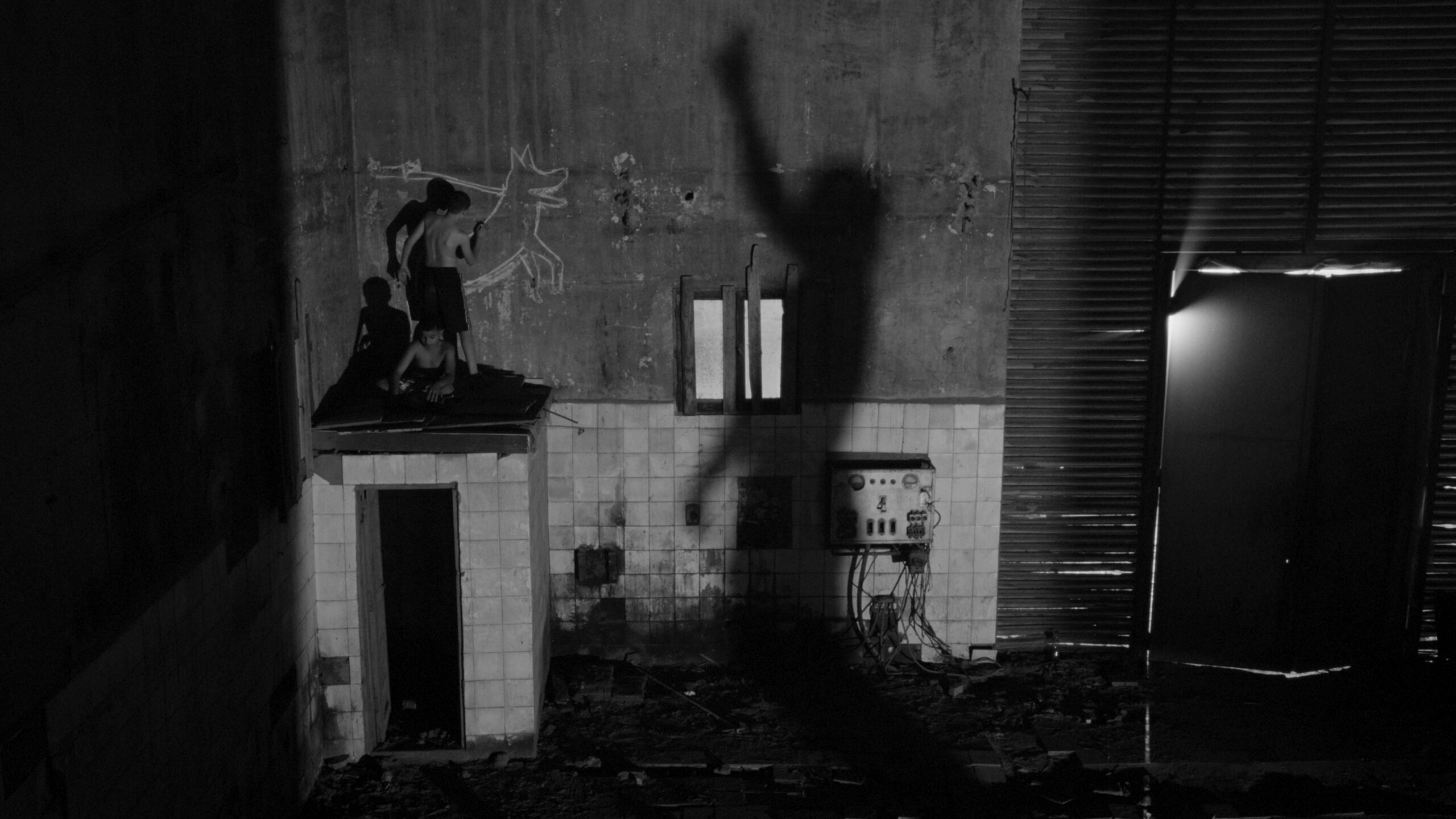
That coincidence came through proximity. “It started from a relationship,” Razeek adds. “Friends who want to work together.” The duo had already been working closely together on other material when “BZNS” emerged as a kind of afterthought, the last thing made after a substantial portion of the album (and its visuals) was already complete. Rather than treating it as an isolated release, they pulled a thread from what they had already built, developing a spin-off that could function as an entry point into their shared universe and an announcement of this new partnership.
That’s why “BZNS” feels less like a standalone clip and more like a fragment from a larger narrative. It’s seeded with details, reoccurring faces, gestures, spatial cues, that read as easter eggs, waiting to be contextualised by future releases.
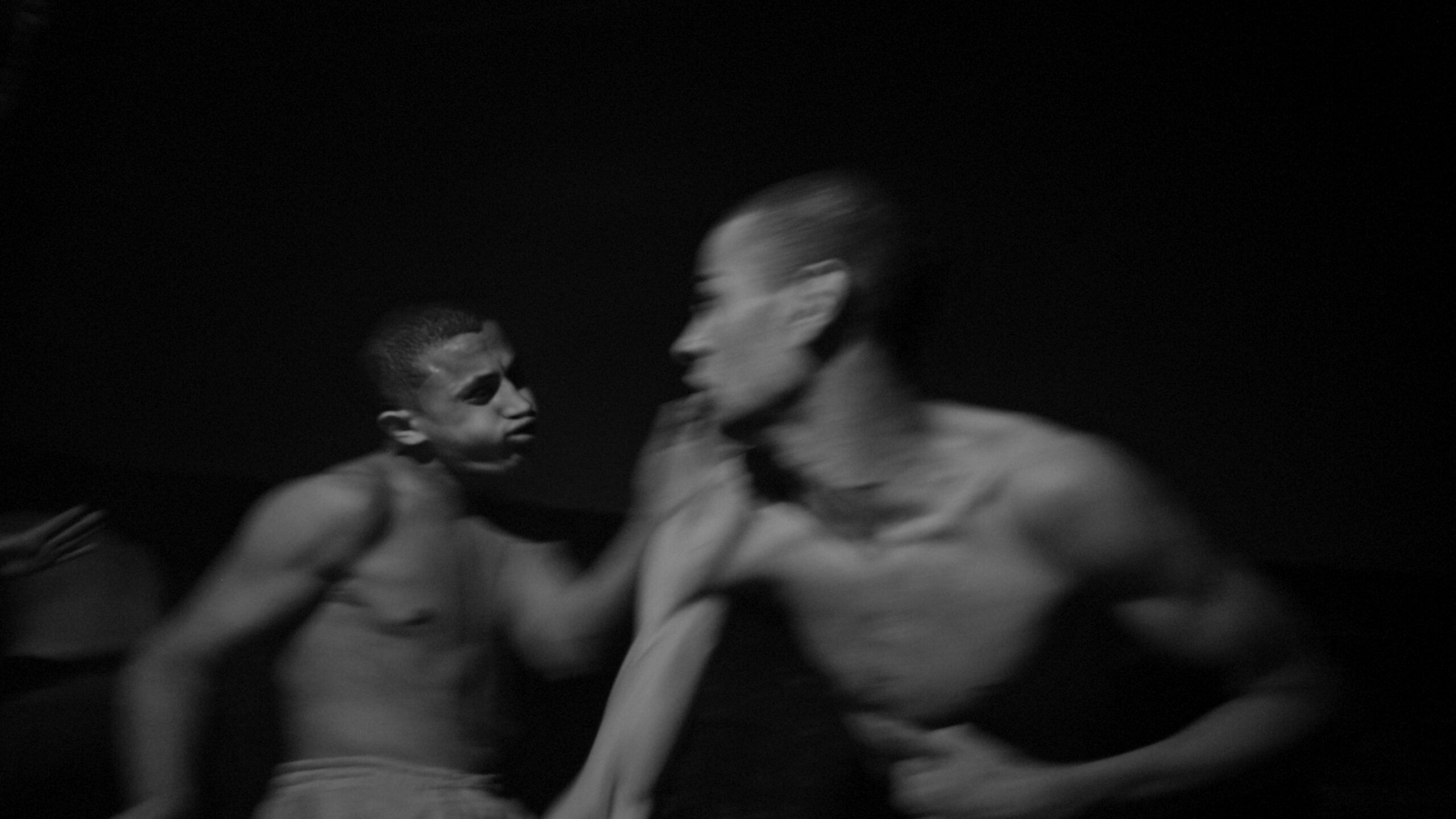
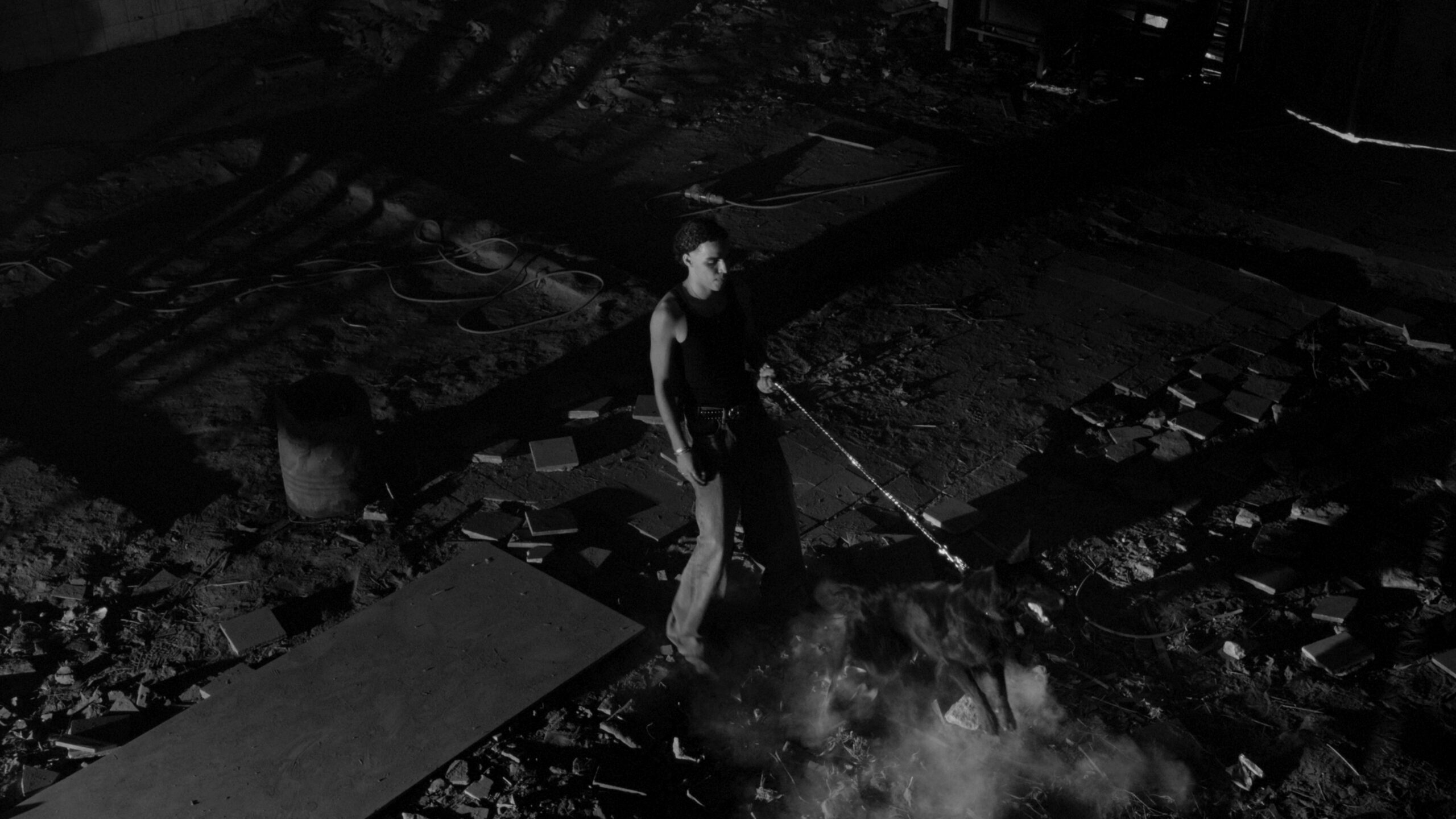
The music video follows a fast-paced, brutalist vision populated by Mond, a rabid dog, and around fifty young men, all non-actors, who fight, shove, chase, and collide.
“My requirement was that I didn’t want actors,” Razeek tells me. “I wanted people with a background in street-fighting, boxing, parkour, any physical sport, so they could live inside these events in a very natural way. We spent about a month and a half locking the cast.”

In a one scene, the tire motif resurfaces with a heap of rubber transformed into a makeshift mountain. The boys claw their way upward, hauling and yanking one another back in a frenzy of struggle, some fall, others don’t. Each grasping for the top claimed by Mond, turning the scramble below into a study of desire, rivalry, and our relentless pursuit in life.
The film escalates relentlessly, clash after clash, until the music suddenly drops out. Instead of a conventional payoff, the climax arrives as stillness: a 50-second sequence of the boys embracing one another under pouring rain. The camera lingers on close-ups of wet skin and tightened grips, refusing to rush the moment.“You see people hugging each other without seeing where, you just see love. Then we reveal the place they’re in, so you understand the structure of the feeling and the structure of the place,” Razeek explains. “That scene is purposely long. I want you to feel like you want to go to the next shot, but we don’t. I want you to stay in this love a little longer.”
This love is what carried the shoot off-screen as well. With that scale of production, and such technically demanding camerawork, disorder would seem inevitable, especially during a nearly 24-hour shoot. Yet the chaos remains contained entirely within the frame. Off-camera, the process was held together by something simpler. “The energy felt like they were doing this for me,” Mond says, as many of the young performers were already fans.
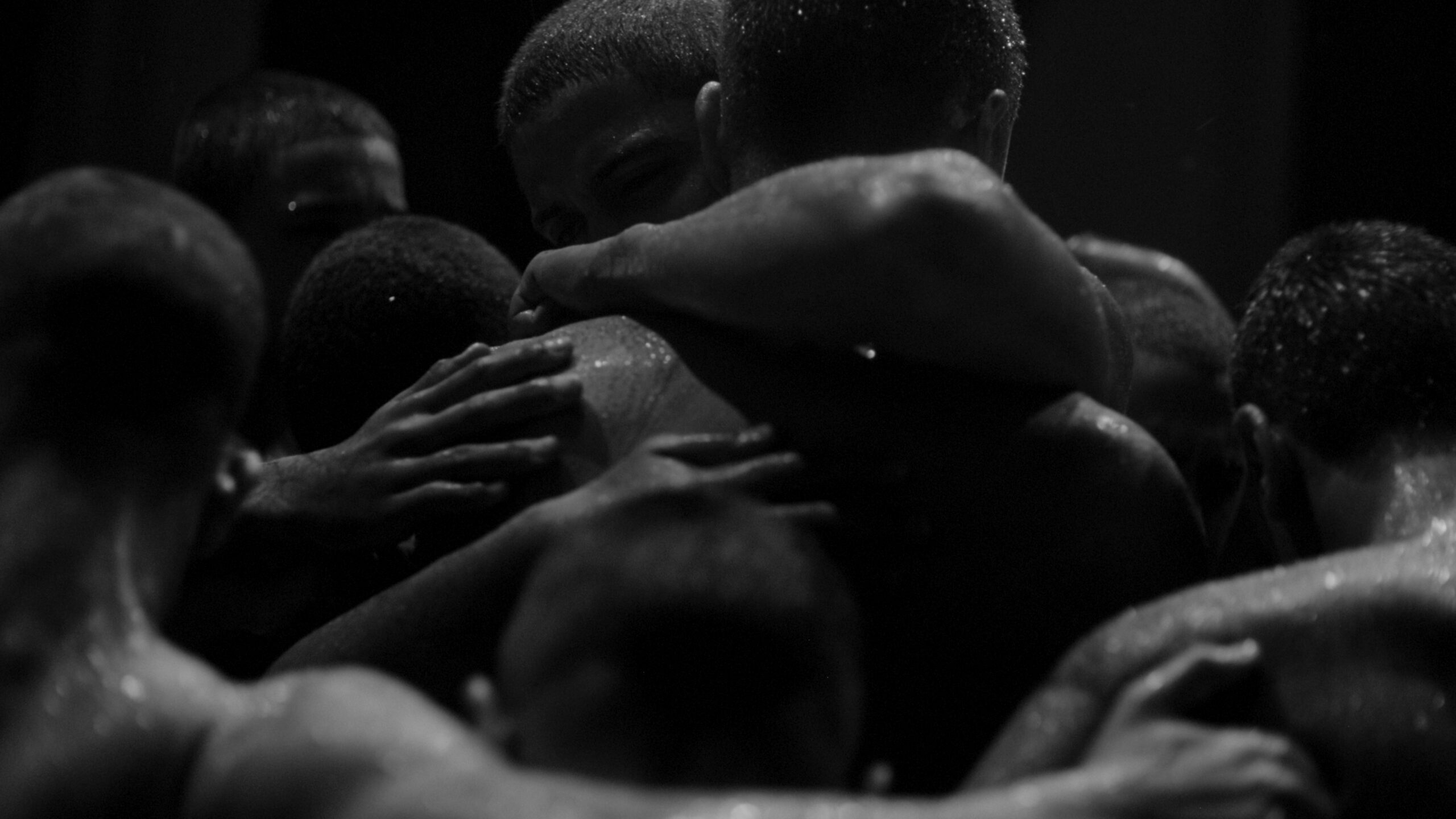
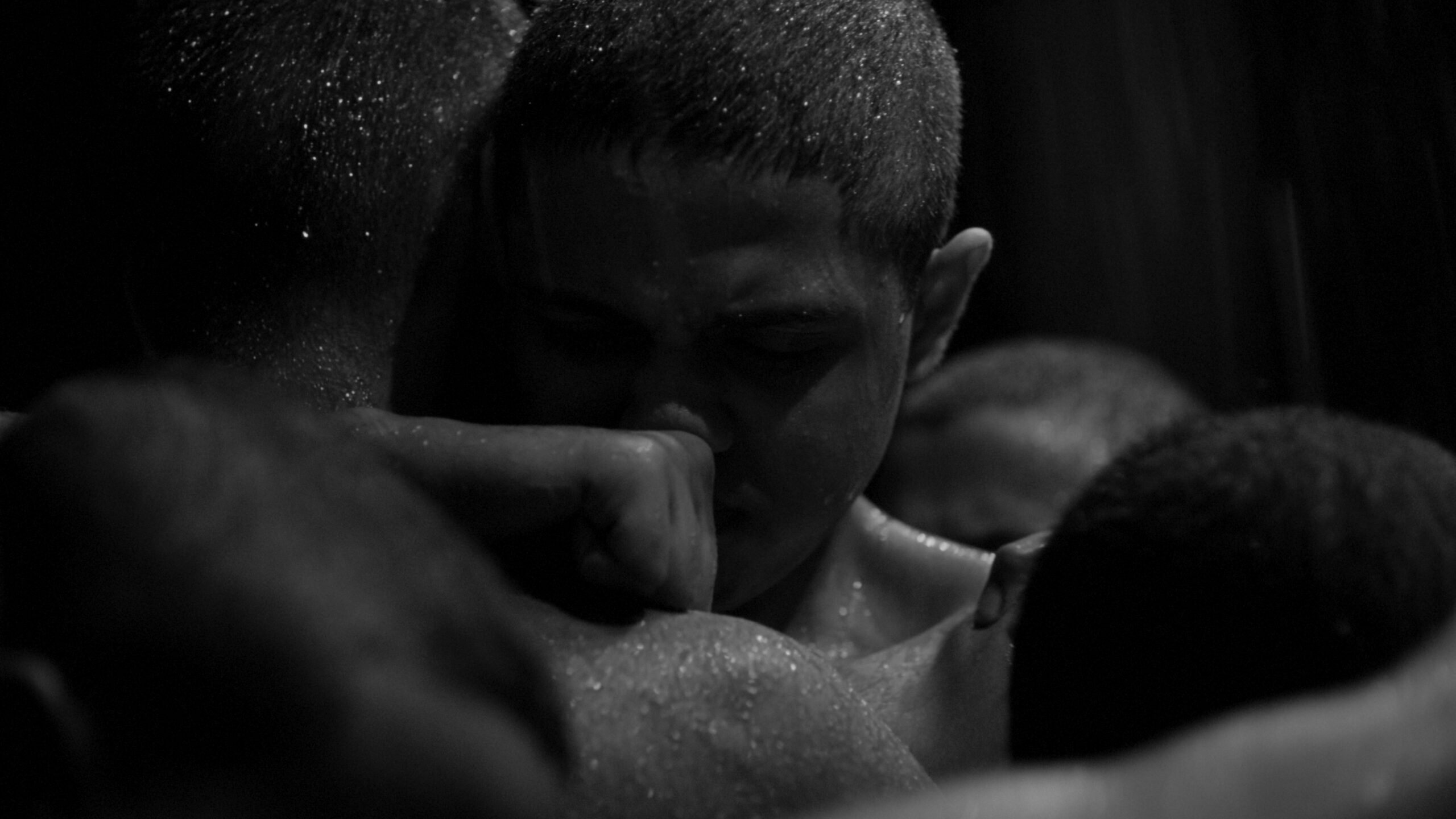
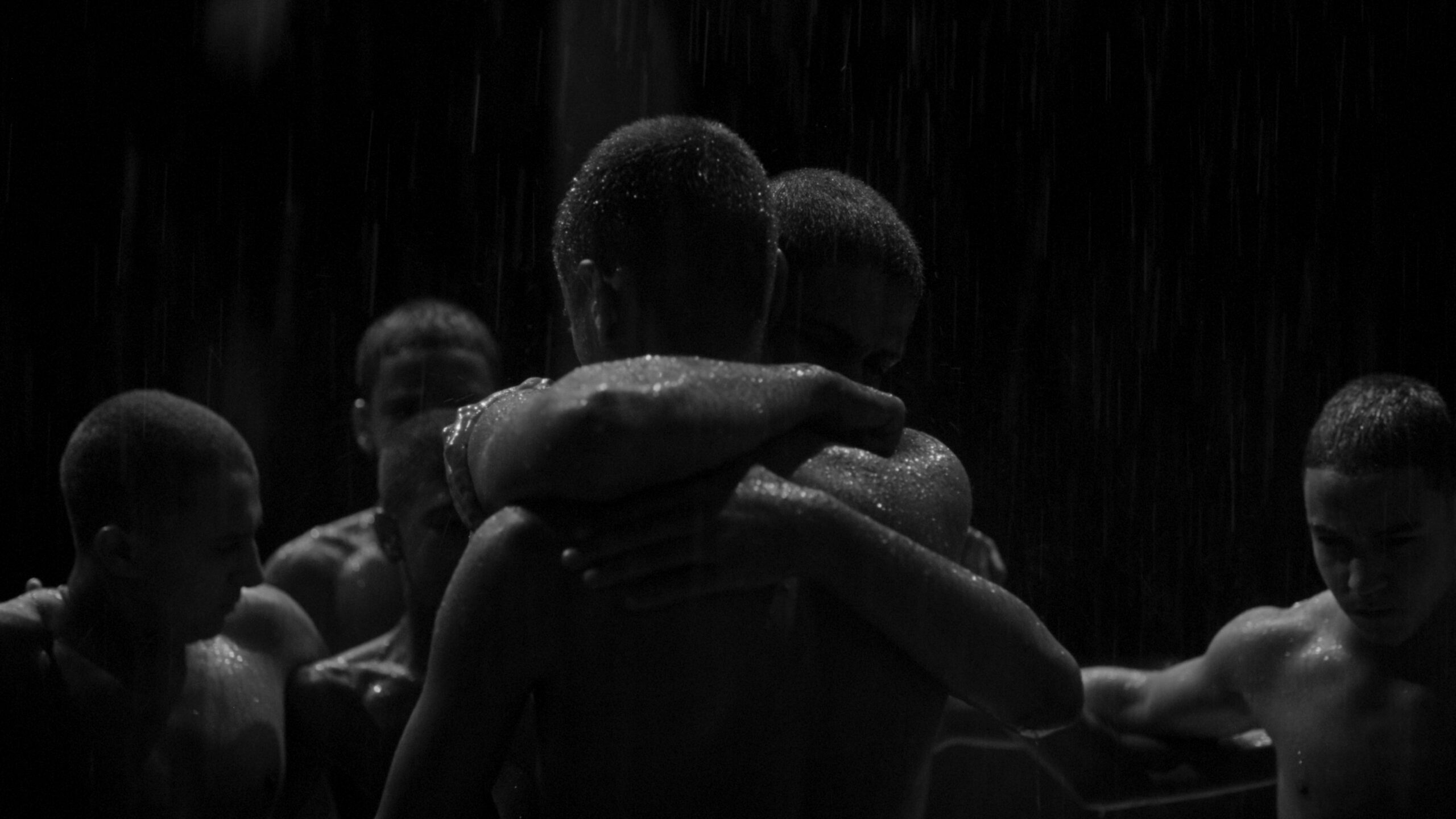
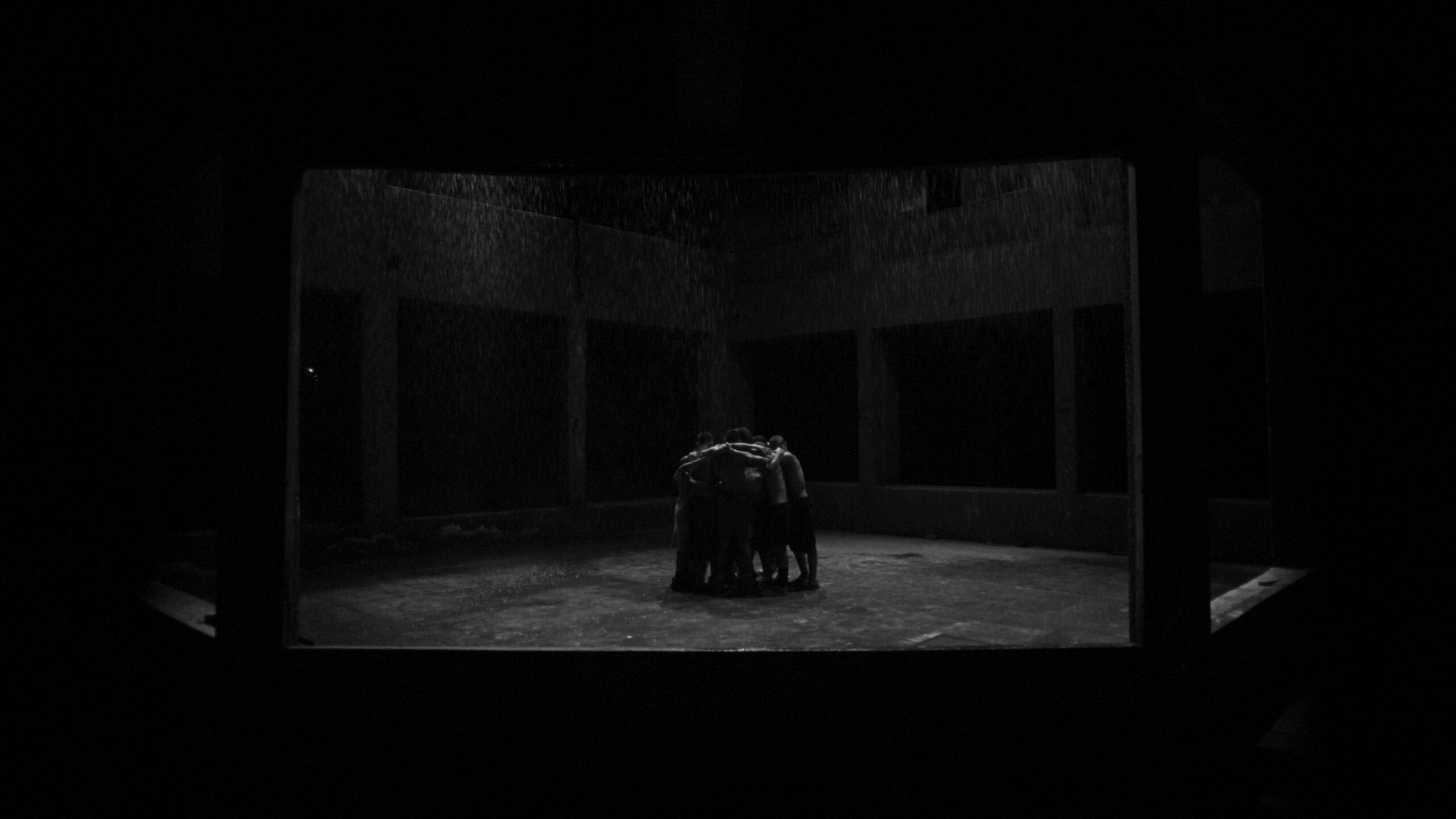
The same kid from the opening returns, lip-syncing as the music is back again. Mond is now surrounded by the group’s energy. The video closes with them walking away, revealing the same boy left alone on the ground beneath their feet, breathing, still alive. The cycle completes itself.
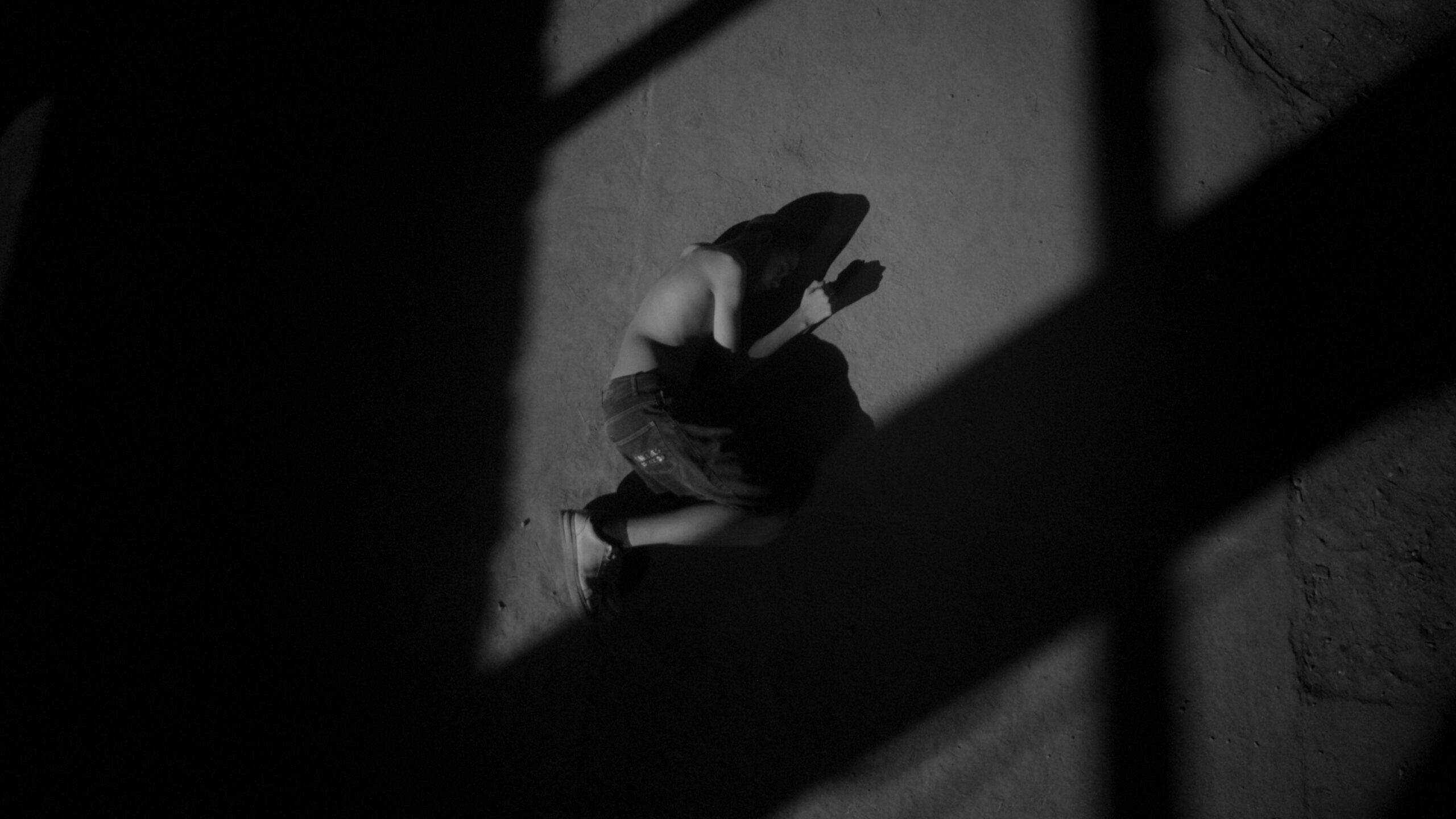
“No matter how much we fight each other and climb over each other, it’s because everyone has their own agenda,” Razeek explains. “But in the end, when we’re all together, something happens. When everyone leaves, the boy who’s breathing is the same one who took the hit at the beginning, even if life came at him hard.”
Though the video flirts with the language of arthouse cinema and a cinéma vérité style, Razeek is fully aware of the balance he’s walking. He knows it might read as “an art-house festival-oriented work,” but insists it was conceived with accessibility in mind. “That’s the dilemma we achieved,” he tells me. “It comes from a festival-oriented art-house place, but it’s made in a way that touches everyone and could be mainstream.”
It would be futile to attempt to analyse or dissect “BZNS”. The video resists interpretation by design, with Razeek urging the viewer to feel rather than decode. It’s a succession of atmospheric emotional states, and its figures are not characters in the conventional sense, but vessels of sensation, each embodying a distinct emotion. “They come from Muhab’s personal emotions,” Razeek reveals. “I take them from personal things he tells me as a friend, things unrelated to music or his career, things that happened to him, and I place them as messages in the music video.”
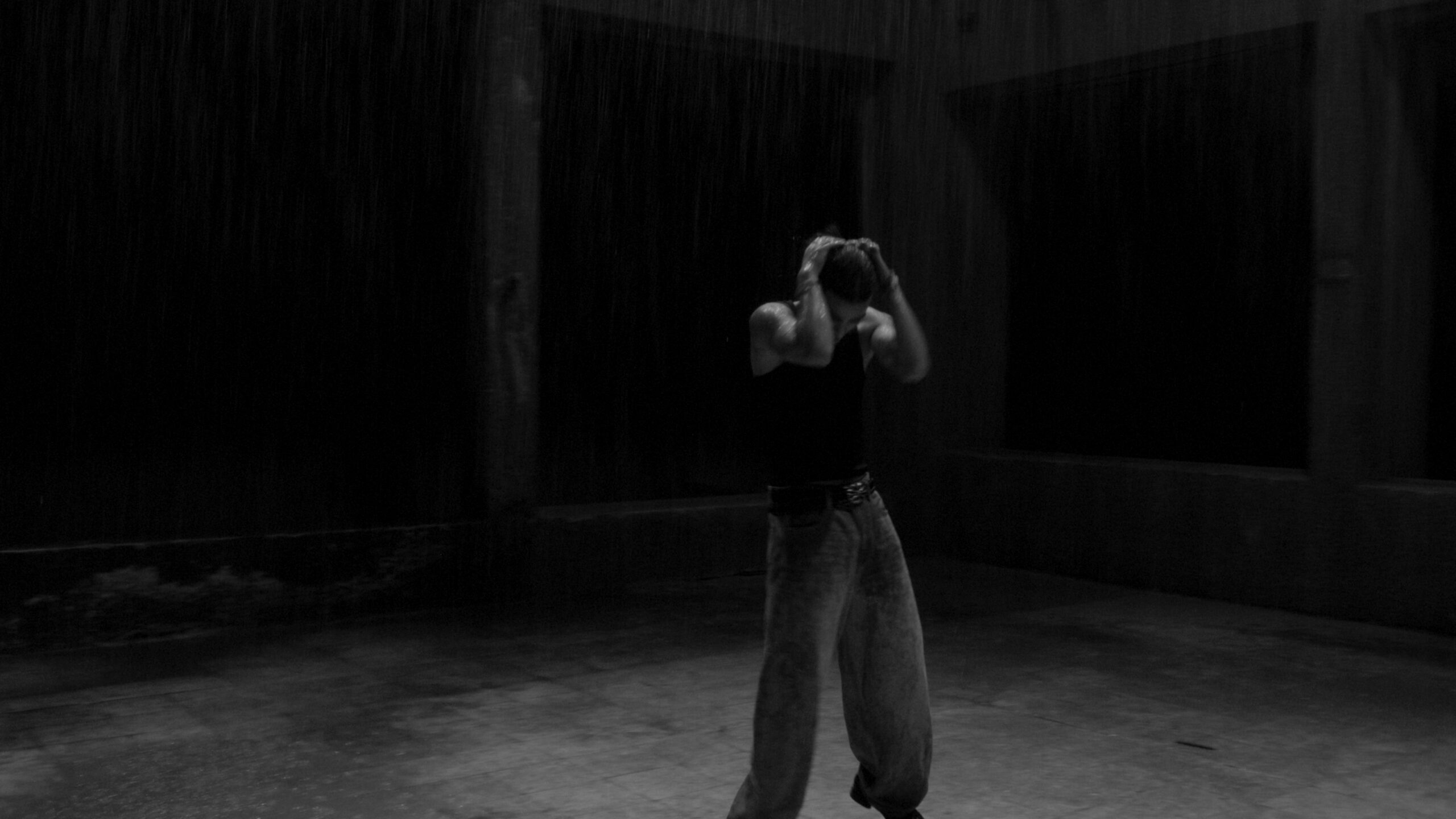
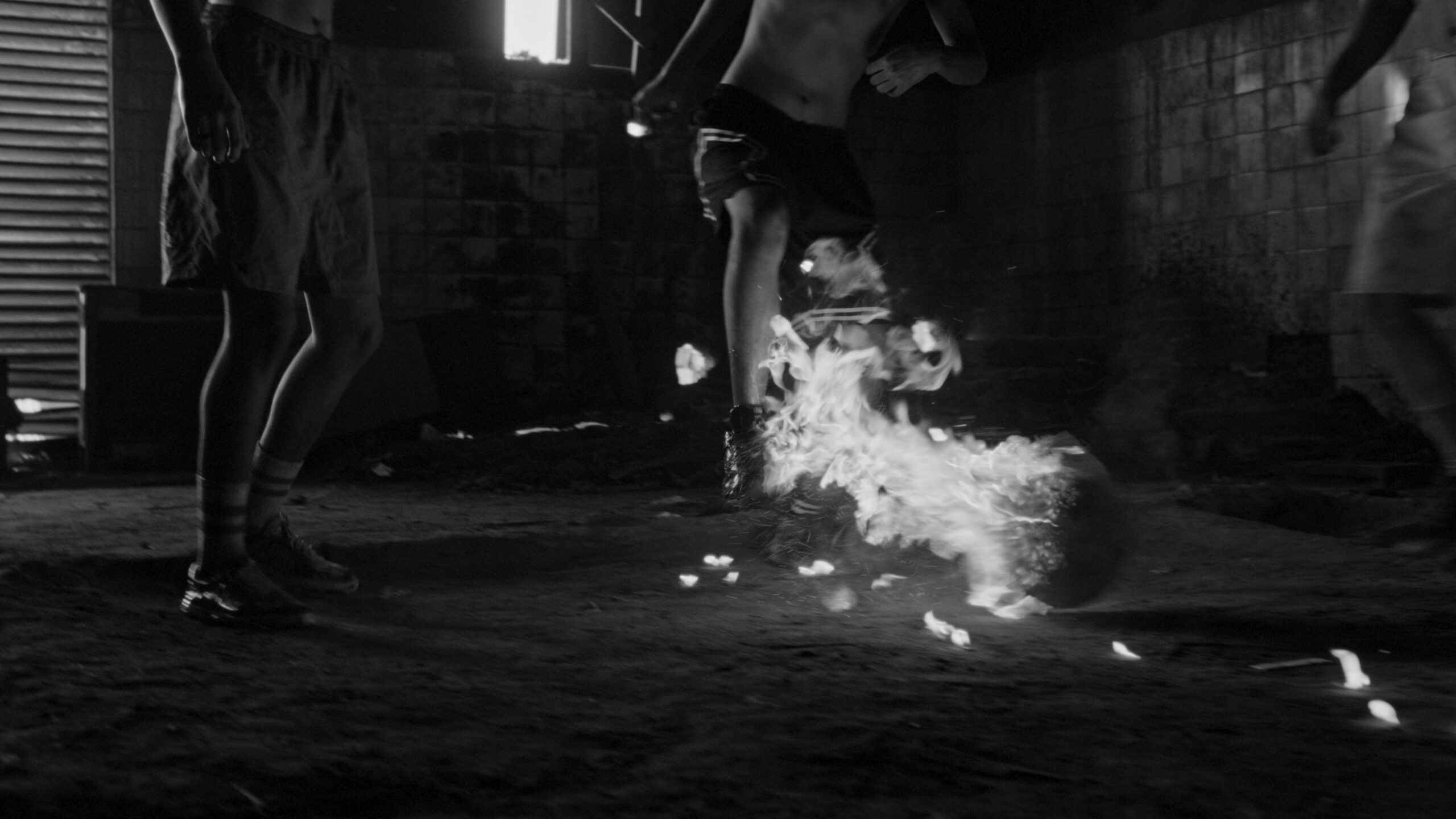
“There’s a universal message: brotherhood, survival, life, things that happen in life. It’s all shots that express the cycle of man from birth, then life hitting you like a punch in the face. You try to run, you try to have fun, but this fun could blow up in your face, playing football with a ball on fire.”
Mond, in a true artist fashion, refuses to anchor the work to any fixed interpretation. “The message of the thing is more general than being related to me, honestly. I feel the video can say a lot of things, I don’t want to narrow it for people. Everyone feels like there’s a continuation. I like leaving people feeling there’s more to come.”
That sense of continuation extends beyond the video itself and into their collaboration. Their partnership is built on mutual admiration, but also on trust, particularly Razeek’s ability to expand Mond’s world rather than simply illustrate it.
“He’s the first director I give input to and he comes back with something better. With some directors, I give them my world or the shape of the thing and they come back with the same thing, exactly what I said. Razeek used to shock me. I’d feel like I need to quit directing,” Mond says jokingly, referring to his music videos that he directed.
“That’s the difference between him and anyone else,” he continues. “I don’t know where he saw it from. I don’t feel like it resembles anything.” Razeek deflects the praise back to Mond. “I used to sit and listen to Muhab to catch his feeling so I can put my input as a feeling, but it always comes from him, he’s the base. The feeling starts from him; I try to wear it while I’m working so I can bring it out in my own way, but the feeling comes from him.”
“BZNS” is an introduction to the world they built, its visual language, and the standards they’re setting for what would follow. Despite its confidence, Razeek still refers to the video as a “baby step” in relation to what’s coming next.
“‘BZNS’ is a big, important step for me, a new step that genuinely felt like a only glimpse of what’s coming,” Mond adds. “The next tracks are what I’ve been wanting to do my entire life, sound quality wise. There are a lot of things I didn’t understand before. I’ve been releasing music for five years, yet the song I just released yesterday [MAA ELSALAMA III] was the first time I did a proper mix and master for a song,” he says.
“The next tracks are what I’ve been trying to achieve sonically. I don’t like logical and predictable songs. The next songs aren’t logical. That’s the theme of my upcoming music. It’s not for everyone.”
“Big things like this need a lot of spending, whatever is within our means,” Mond concludes. “We didn’t have anyone backing us. When things get even bigger, it’s going to be mind-blowing.”


