News

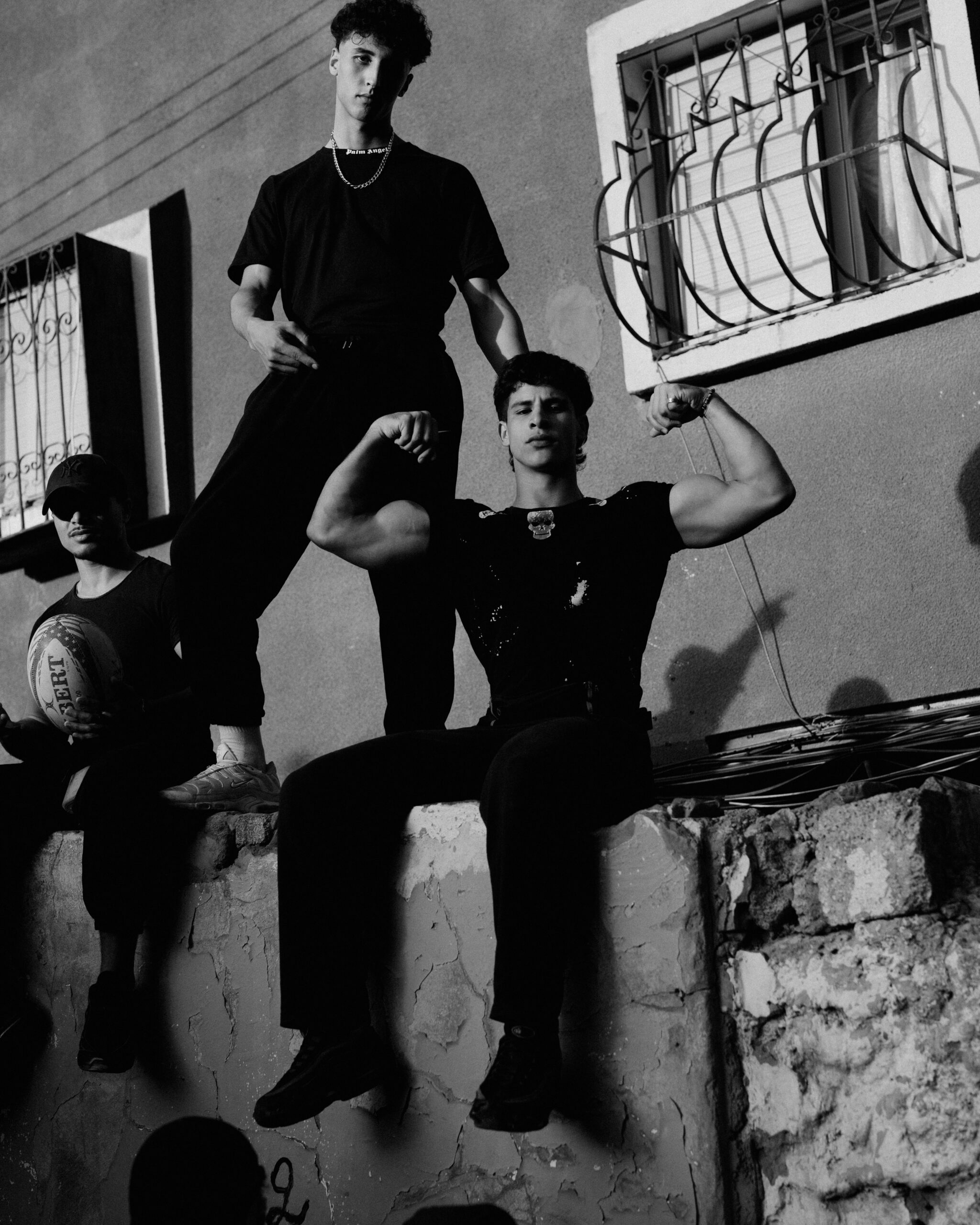
Casablanca by night. You don’t look for it on the boulevards, nor on the sanitised rooftops filmed for Instagram stories. You find it in the interstices. Behind white façades, villas transformed into DIY clandestine clubs. Living rooms turn into sound labs, and garages boast synthesisers and battered drum machines patched together.
Indie prowls Rabat, Morocco’s capital, under the skin of a female-driven scene that bites into silence. Darija rap gnaws through Asfi, from fishing nets to police stations. Electronic music winds through the dunes to the kingdom’s edges. Genres ignite, scratch, and infect one another, each city a microcosm, each space a roundabout at rush hour. And yet, something feels missing. The embers are there, but the fire rarely holds.
Music festivals like L’Boulevard, Mawazine, and Gnaoua have become glittering constants in Morocco’s cultural calendar. Loud, star-studded, and fleeting. For a few nights, the country crackles with rhythm, pulling in crowds from every corner of the Arab world, only to collapse once more into melancholic latency, waiting for the next cycle to begin.
Talent, however, is not lacking in Morocco, but it does feel scattered. We discover it, admire it, and then it vanishes. Every generation produces magnificent grapes, often left wild. No cellar, no vinification, they ferment at random. Labels promise hits; brands watch, fascinated but bystanding. A limited-edition lemonade here, a sponsored video there. And then, nothing. Building for the long term seems to be unthinkable for the key players.
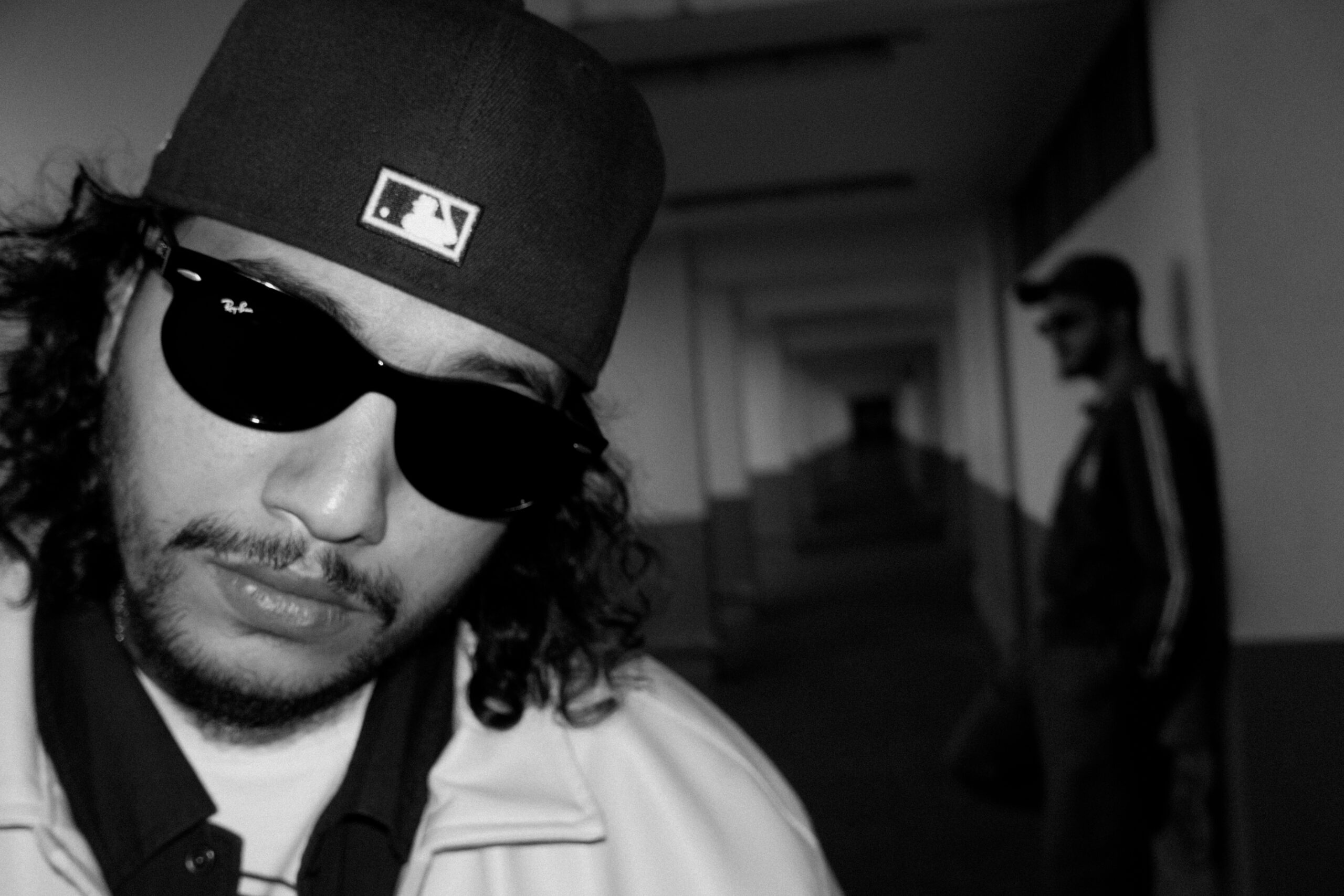
One inevitably circles back to Issam Harris when talking about this phenomenon. In 2019, he appeared on the cover of GQ Middle East, photographed by Hassan Hajjaj Lahrach, the visual shorthand of a new Maghrebi aesthetic. He was the first Moroccan artist to break ten million views on a trap video with “Trap Beldi,” and months later, his deal with Universal France marked the largest ever signed by an Arab artist. He became a collective projection—the image of a country finally speaking to the world in its own tongue. He made Darija cool internationally, proving it could swing on trap beats and haute couture visuals. Over time, he lost momentum because the industry didn’t follow suit. What remains behind is a myth, a memory, and generations trying to piece it back together.
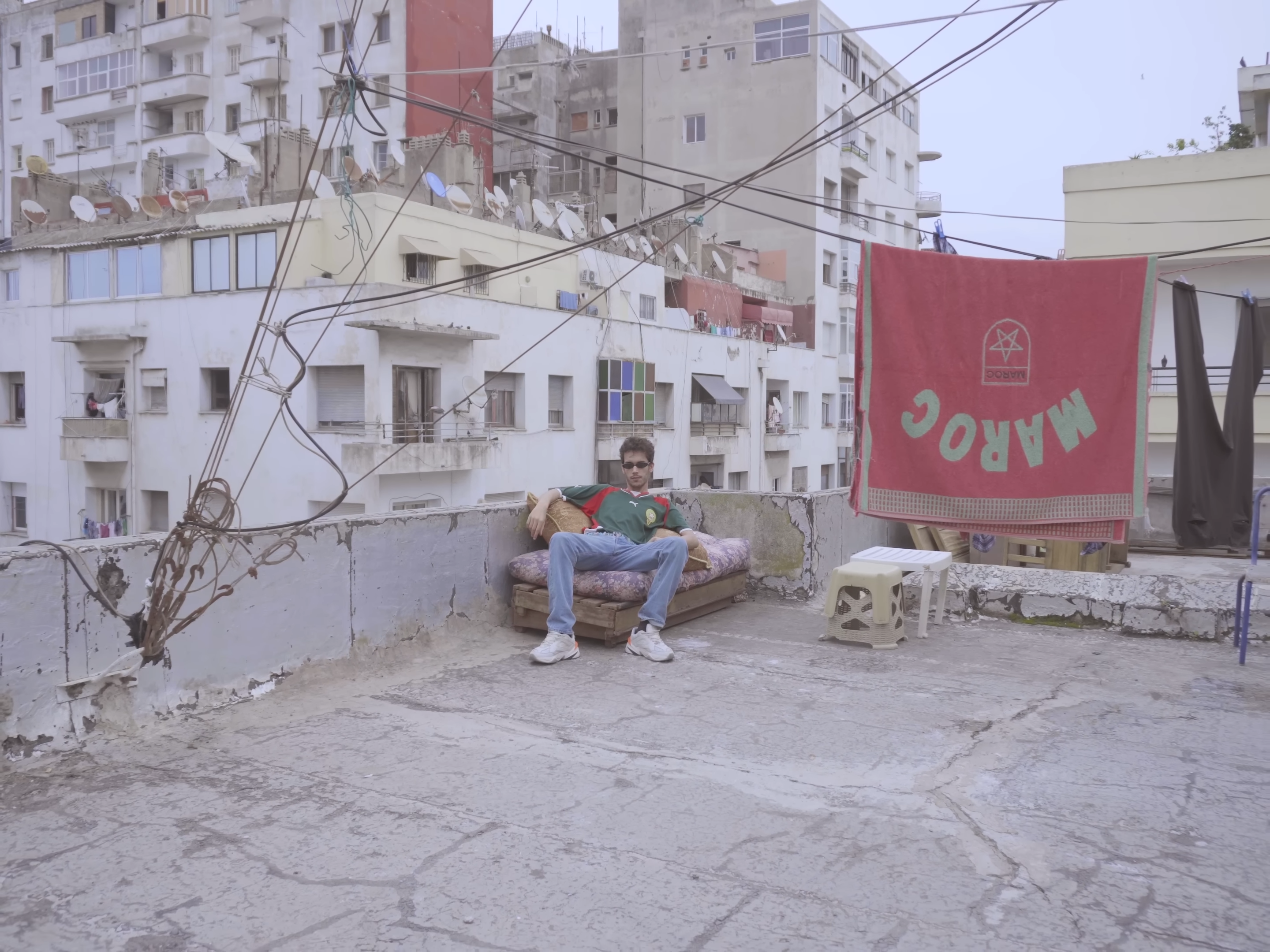
Seven years later, the raw material remains exceptional. A hyper-connected, multilingual, hungry youth, from frame-breaking videographers trained on YouTube, to designers, musicians, and cassette diggers headlining Glastonbury. The country overflows with transversal talent, but its playing field remains a mosaic of isolated initiatives. The ecosystem thrives on ingenuity, self-production, and bursts of brilliance. Continuity is still missing. Everyone moves in their bubble. Moroccan talents already embody the authenticity and originality that brands and creators crave—an exceptional lever to reach the new generation. Yet the scene still lacks pivotal curators to connect and channel this potential: voices able to unite sound, image, style, and words, to orchestrate the chaos. What’s missing is the narrative—and no one else can write it.
Streaming platforms have upended everything. Deezer, with its playlist La Relève, played a clear role: identifying and showcasing emerging rap talents—a task executed with clarity, humanness, and an almost artisanal quality. But as Spotify boomed in the region, everything diluted, and Deezer quietly stepped back. Abatera, a Spotify playlist with over 350,000 subscribers meant to continue that logic, became a dumping ground. Moroccan rap struggles to find its place against watered-down versions—pop, raï, and commercial dance. Everyone is thrown into the lion’s cage: advienne que pourra. Without any genre sorting or editorial guidance, music may become more visible, yet unreadable. In this cacophony, real creators get lost in algorithmic noise. Somewhere along the way, discovery became scrolling, and curiosity turned into reflex. The feed keeps moving, but the thrill of finding something new has vanished.
And when there are no standards to define value, recognition becomes a guessing game.
There is no local benchmark, no proper certification. Views and streams are misleading; accolades are handed out at random. Numbers are applauded, but their meaning is forgotten. In a mature market, music is a starting point. It fuels live shows, merchandising, sync, collaborations, fashion shows, and placements. It feeds the collective imagination, gives a face to the era. Here, it stops at streaming.
Great scenes have always emerged from overflow: London punk, New York hip-hop, Parisian French touch. Each time, an excess of energy in too small a space. That’s exactly what’s happening here.
A generation cramped by existing frameworks, ready to blow up formats. Give them the means, and they will rewrite the Arab world’s codes. Otherwise, they will do it anyway. On the margins, under neon and noise. And the world will come later to claim what it failed to see.