
News


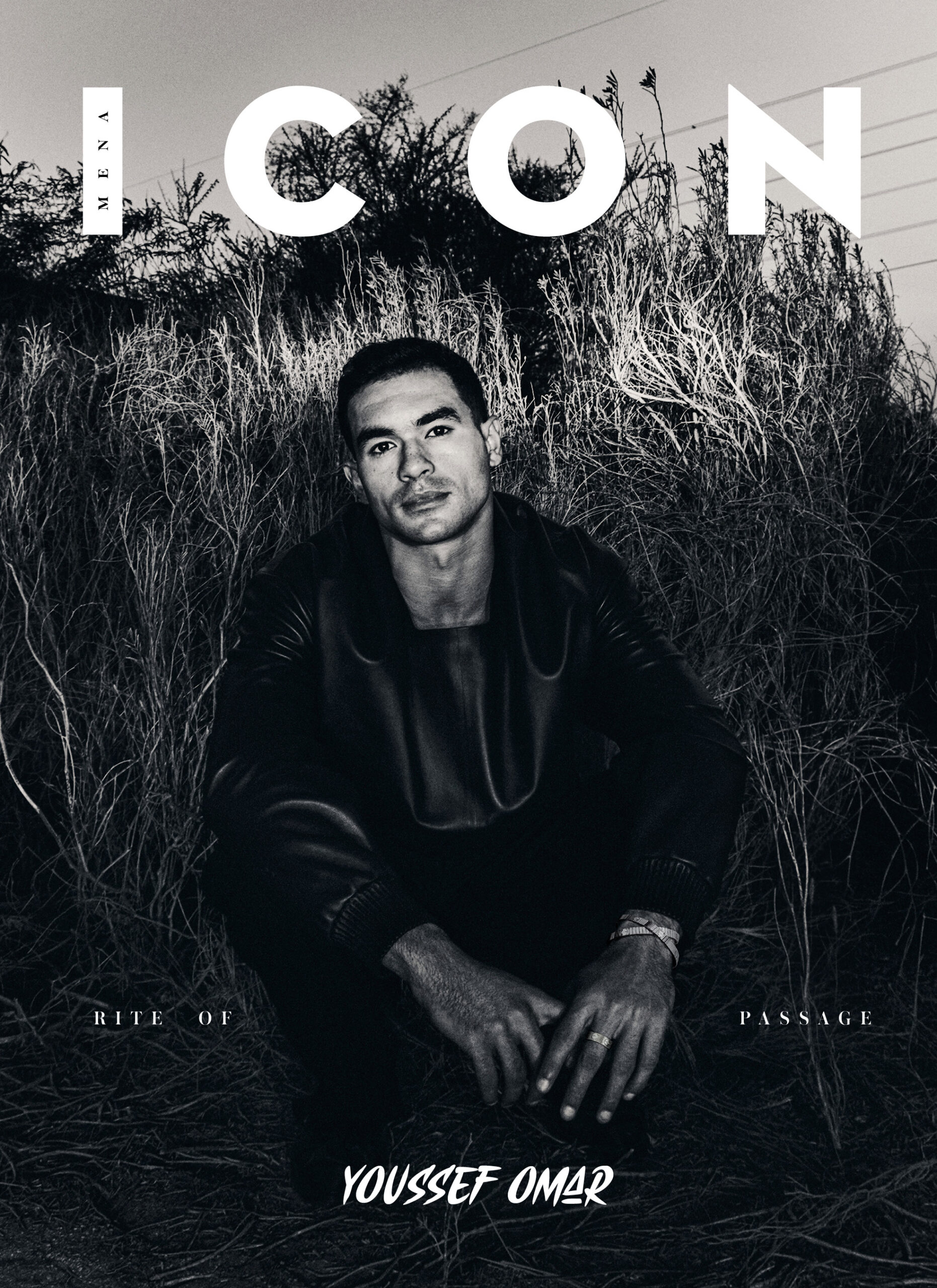
Egypt has long been a cultural engine for the Arab world, an enduring centre of music, cinema and television. In recent years, its screen industries have entered a new phase of acceleration, with an influx of productions across genres and an increasingly competitive talent ecosystem. In such a climate, breaking through is no small feat. Yet for Youssef Omar, the ascent seems almost inevitable.
Earlier this year, he appeared in three different series: as Ali in Kamel El-‘Adad++, Ahmad in Shari‘ al-Asha and Imam in Shabab Imra’a, earning praise from critics and audiences alike for showcasing range, agility and a remarkable command of character across three successful works. And while he may have become a familiar name after this past season, his journey began long before. “The last Ramadan season was very important for me, but I was also booked and busy in the past three years, because that’s when I decided I want to be an actor.”
That decision, however, is rooted in something far more intrinsic. His first stage performance came in the fourth grade, at just nine years old, in a play directed by his theatre director father, Mohammed Omar. Soon after, another children’s play cemented his attachment to acting. It seems Omar has been reading scripts for almost as long as he has been reading words.
With a director for a father and an acclaimed actress, Lobna Wanas, for a mother, the world of performance was always within reach, yet Omar approaches it with a sense of independence and discipline. Even when it comes to choosing scripts or shaping a role, he begins alone. “I have to form my own point of view before I sit with [my mother],” he tells me. “At the beginning, it’s just me and the character, me and the script I’m studying. After some time, I start opening discussions with people so I can build on the thoughts I’ve already formed. In the beginning, it’s always solitary. I need to shape my own perspective first without anyone else in the process.”
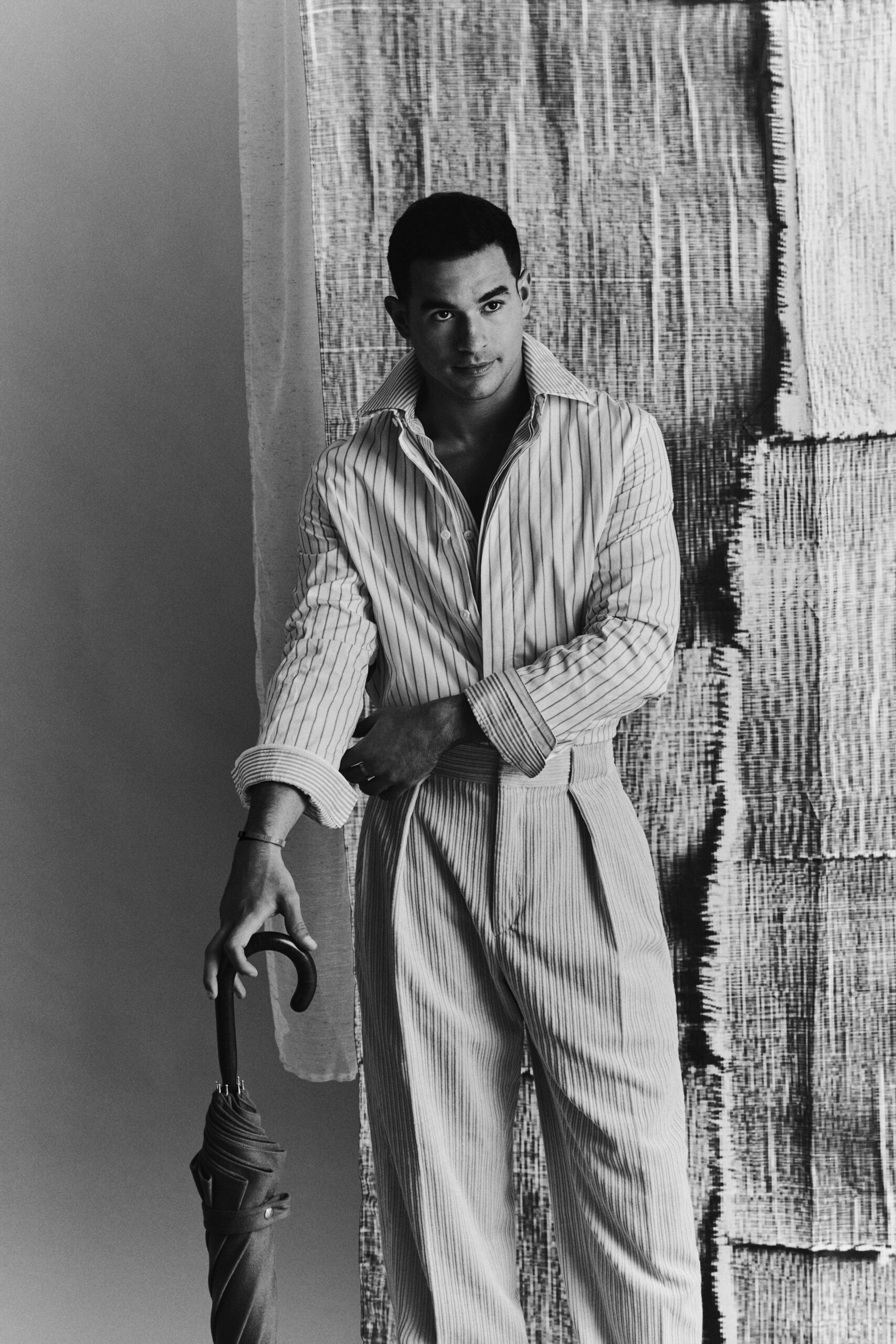
His use of the word “studying” is deliberate. An alumnus of the Higher Institute of Theatrical Arts with a specialisation in Acting and Directing, Omar is, in many ways, an academic actor, one who approaches the craft with rigorous inquiry and constant hunger to learn. Speaking about his process, he often sounds like a meticulous student discussing coursework.
“I have a coach for every character I play,” he explains. “We prepare the character together and write notes about them. Sometimes we have a free day before filming to review the character, sometimes not. Usually, I review the character beforehand. This was part of my university studies. I would work on multiple characters and examine them as part of my coursework.” This method proved essential when juggling three roles in a single Ramadan season.
“When I study a role, I write down the character’s history and details about them. I practice breathing and imagination exercises to immerse myself fully.”
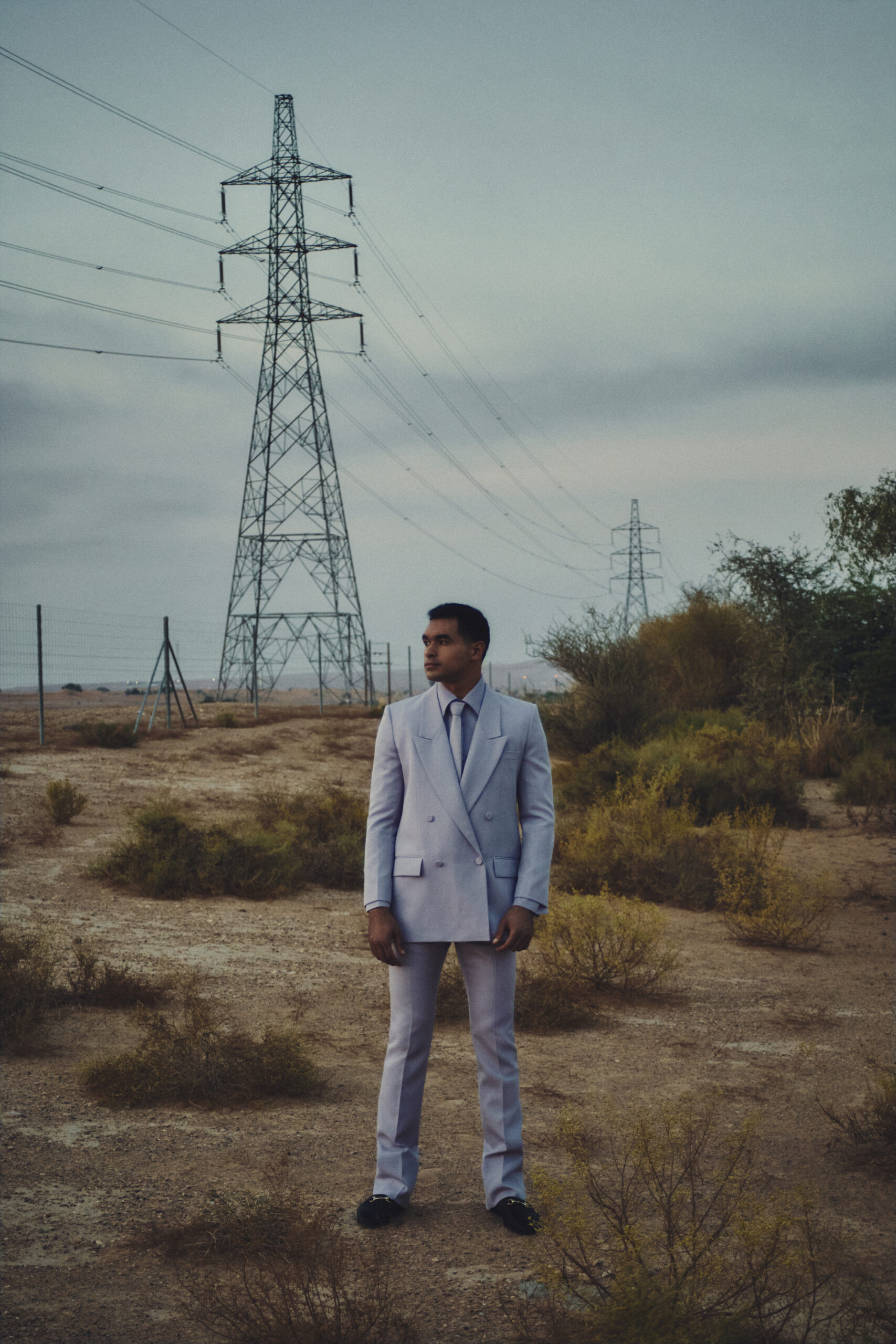
That immersion extends beyond internal work. Omar’s research draws heavily from Stanislavsky’s system, which positions experiential observation as a pathway to authenticity. He engages with the environments, behaviours and social textures of the people he portrays. “When I take on a role, I interact with people who embody aspects of the character. Part of my preparation is engaging with people who reflect the traits implied in the character, to understand why they act the way they do.”
Understanding emotional logic enables him to play roles he does not align with personally, such as the ‘bad boy’ persona in the third season of Kamel El-‘Adad, without judgment. “I’ve played many characters I didn’t particularly like, but while I’m preparing or studying a role, I never hate the character itself,” Omar explains. “I try to get as close as possible to the character, to understand their motivations. Even if people see the character as evil, while I’m studying them, I connect with the reasons behind their actions. I might dislike the actions once they’re on screen, but I stay close to the character’s intentions. Even those we perceive as ‘bad’ often see themselves as fundamentally good.”
This psychological excavation is what draws him most to a part.
“I love roles that have complex psychological layers. I’m drawn to characters that make me study and immerse myself deeply to bring their inner experiences to life.”
His newest project, Ferkat Al Mot, is an action-driven, star-studded film recounting the investigation of Khot Al Saeed, a serial killer in the 1960s, played by Asser Yassin, and the five police officers determined to catch him, one of whom is Omar. The coincidence is almost cinematic itself: as a child, he dreamed of becoming a police officer, even applying to both the Police Academy and the acting school before choosing the latter.
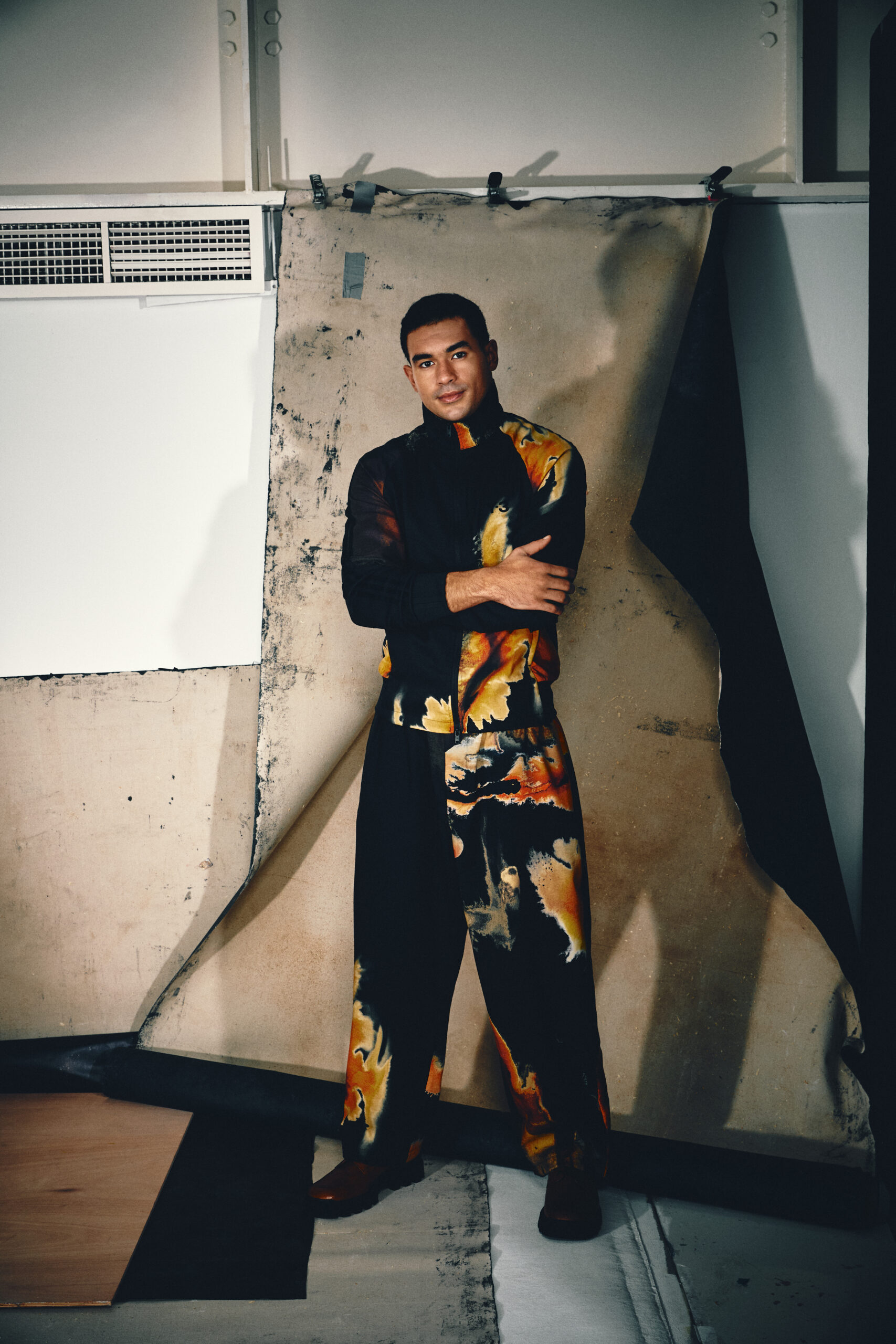
The 1960s setting also aligns naturally with something in Omar’s screen presence. His features carry a timelessness, something reminiscent of Egyptian cinema’s golden age. When I mention this, he doesn’t disagree. “I’m nostalgic for the old days, maybe that’s why.” His favourite films are telling: The Godfather, Scarface, Heat. An old soul, anchored in craft rather than the contemporary spectacle of fame. His icons are people who treat acting as a lifelong apprenticeship: Daniel Day-Lewis, Ahmed Zaki and, most intimately, his mother. “She’s an icon to me,” he says. “Not just as an actress, but as a human being. I still learn from her.”
It is refreshing to hear an actor treat the craft with such seriousness, prioritising complexity over convenience, depth over attention and experience over fame. And fame, as it happens, does not seem to preoccupy him. “I started getting recognised a lot more after last Ramadan, which is a nice feeling. But more important than being famous is being loved. For me, it’s not about fame as much as it is about people connecting with you and caring about your work.”
“I try to stay grounded,” Omar continues. “When I was younger, these things might have tempted me, but as I’ve grown, they’ve become less important. What matters most is doing what I love, regardless of fame. The joy comes from the work itself, not the recognition.”
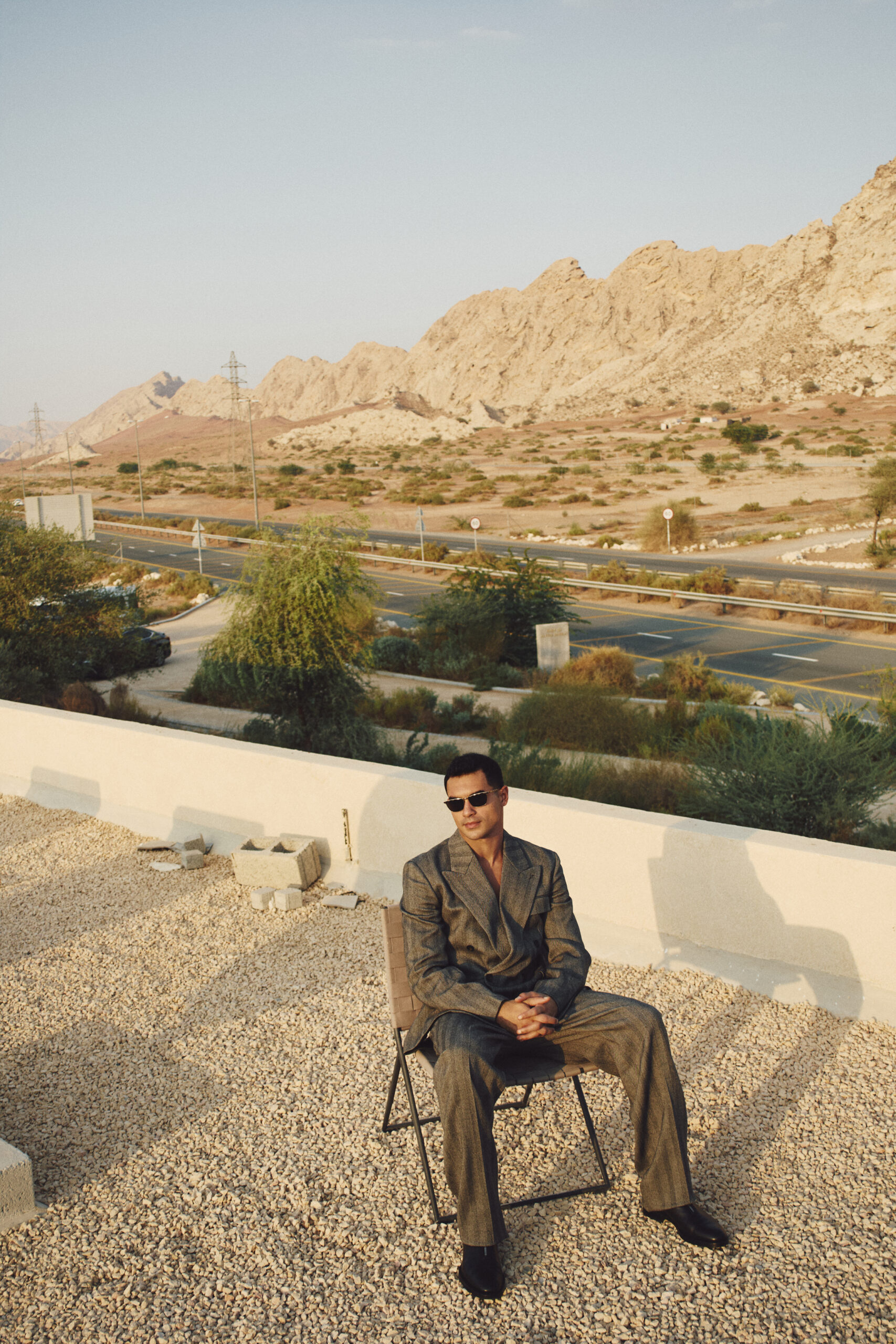
He guards his personal life closely, choosing privacy over performance, maintaining tight bonds with his family and the friends he grew up with. In most interviews, the journalists bombard him with questions about romance that tend to surface with predictable regularity: Who’s the girl of your dreams? What are you looking for in a relationship? Have you ever been heartbroken? Yet he consistently deflects without resistance, revealing little and preserving what matters most.
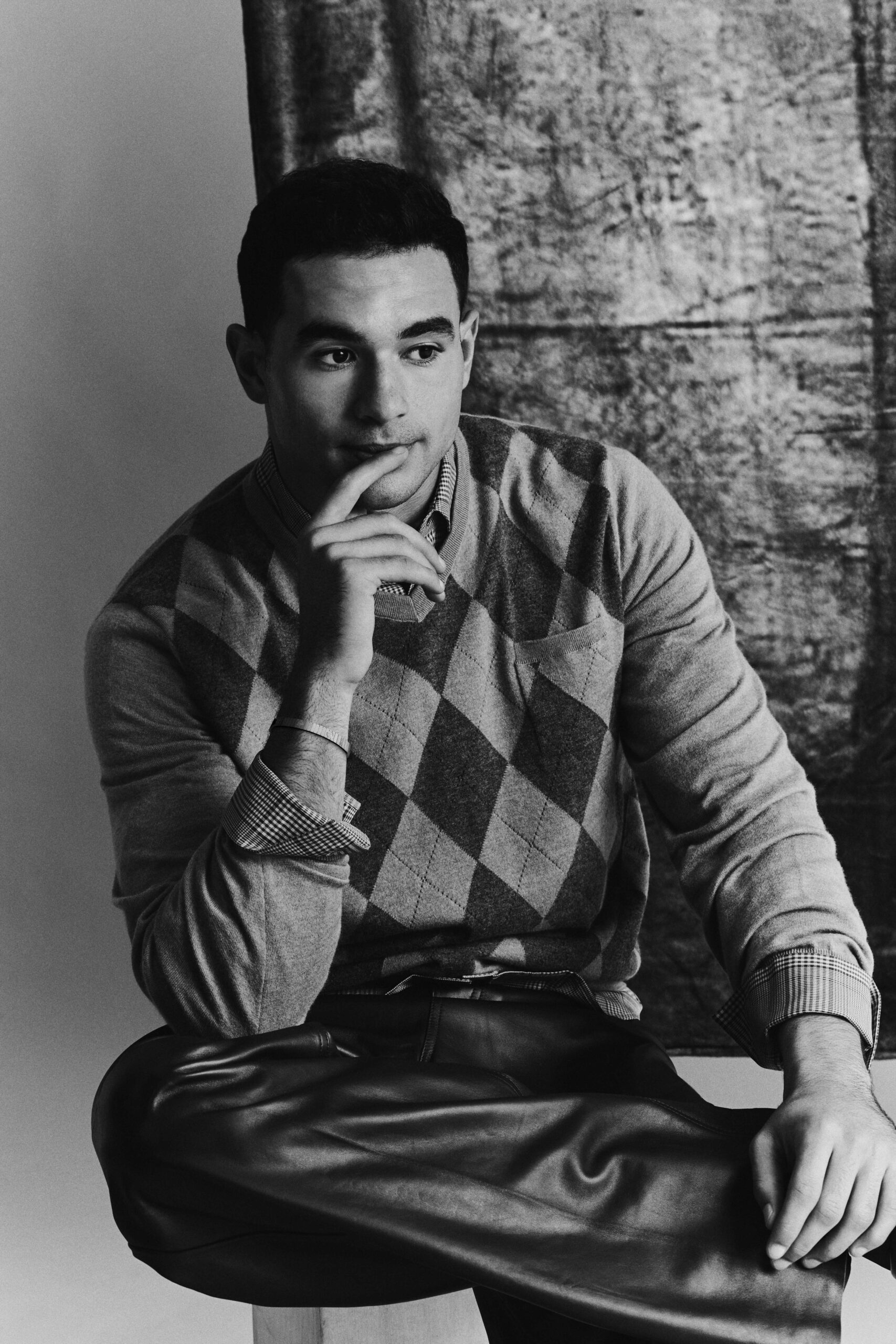
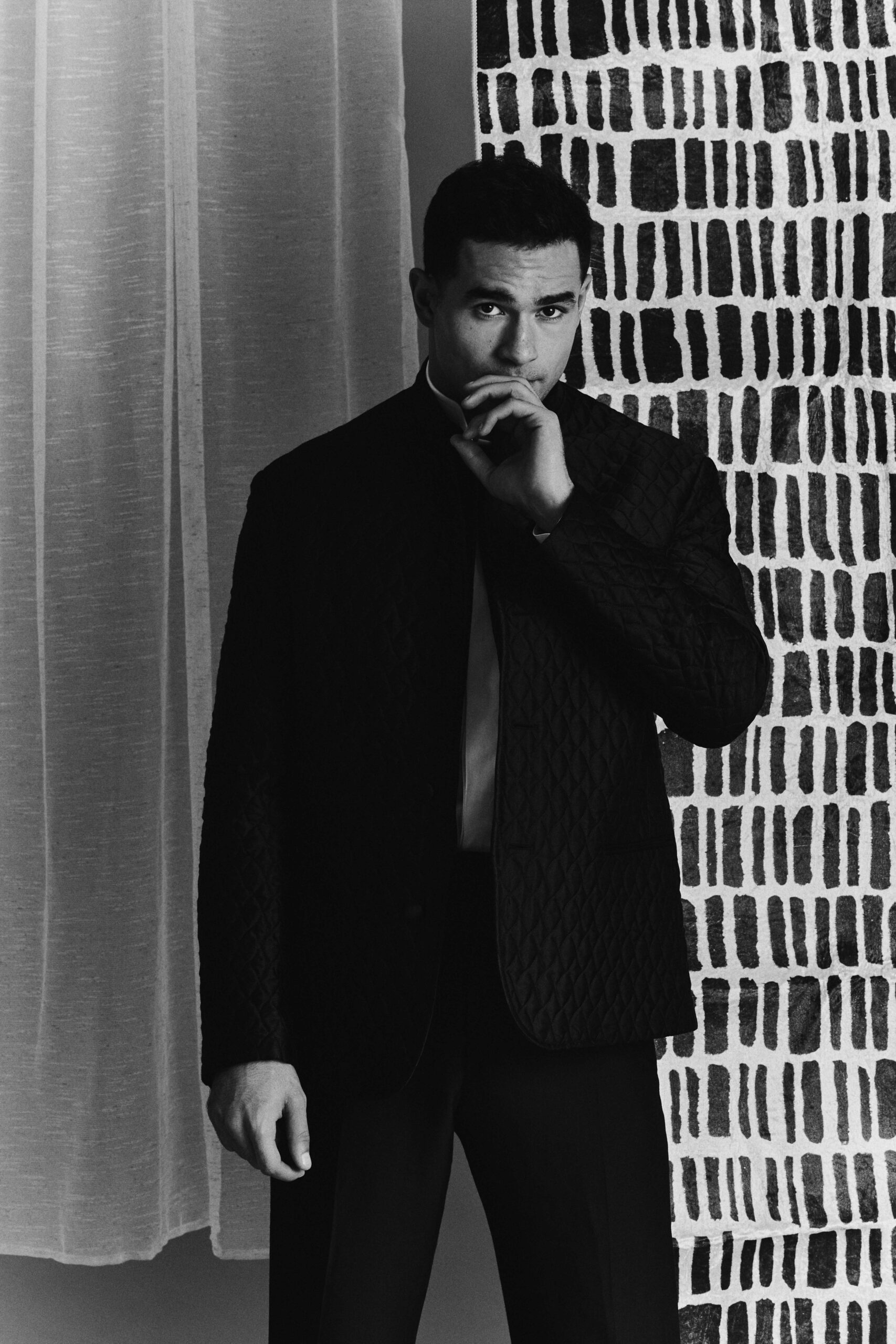
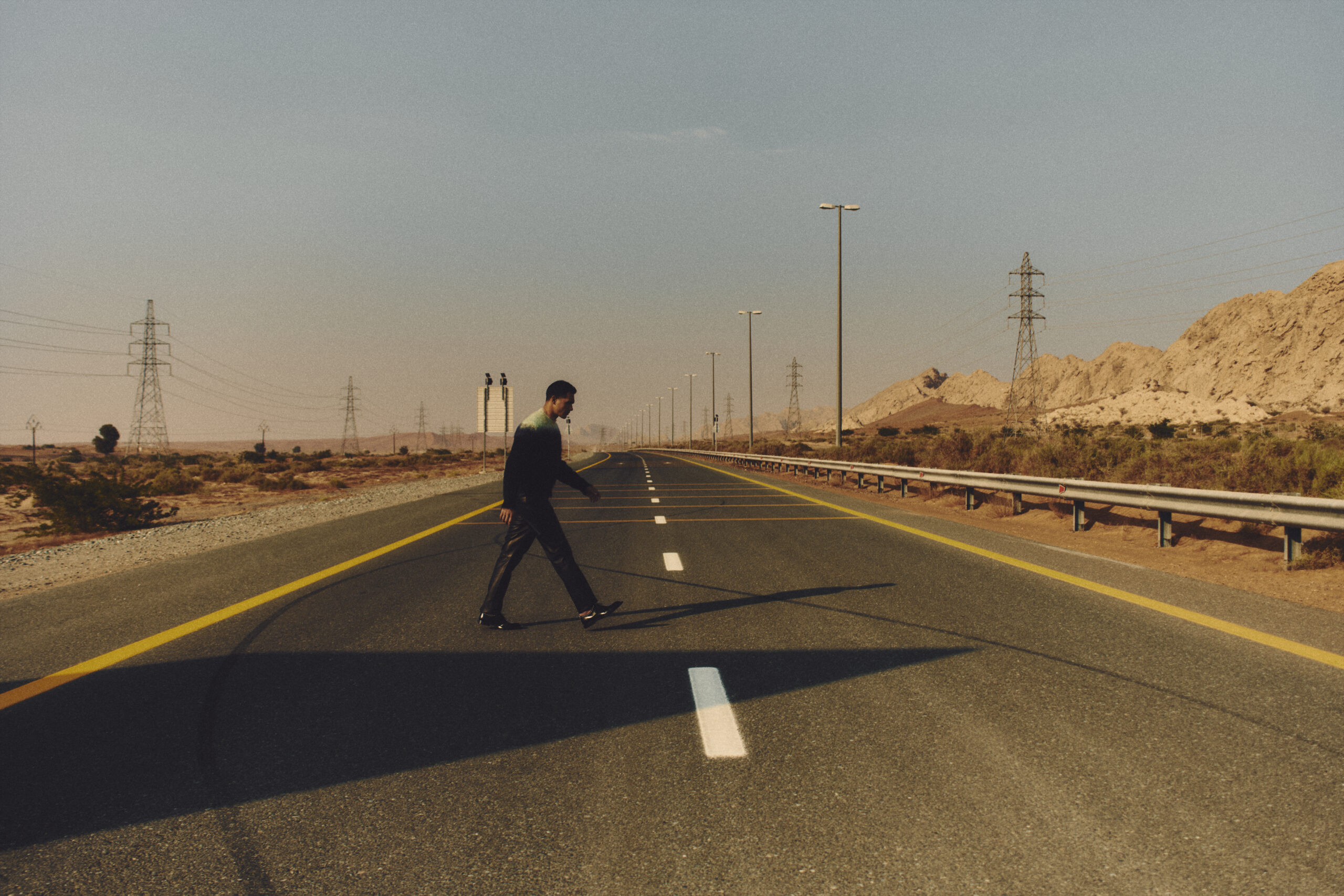
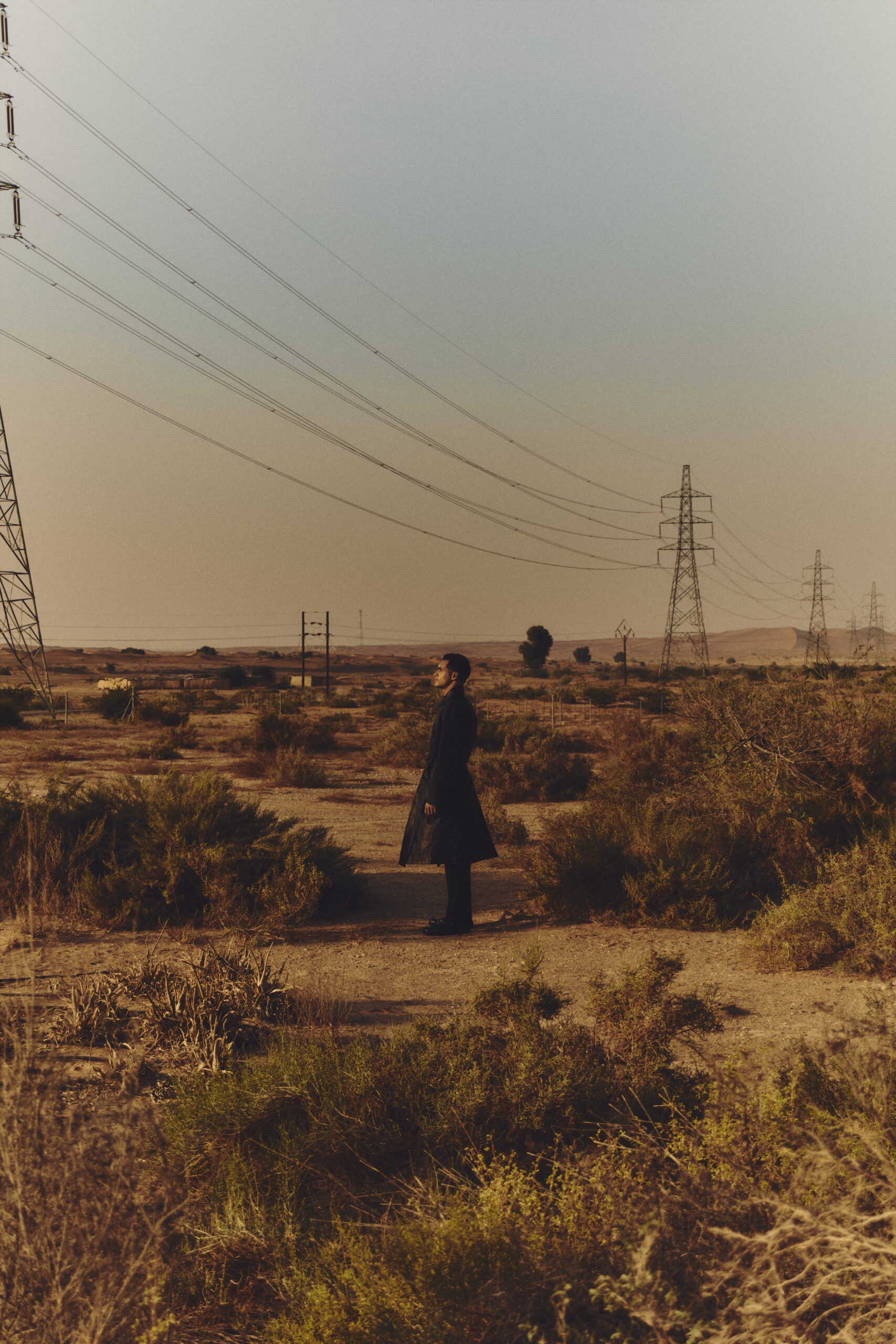
Omar is in this for the long run: for the process, for the challenge, for the mystery of slipping into lives that are not his own. Even this cover shoot, a first in his career, was an opportunity to learn. “It was really great, honestly. There were new things, and the style of the outfits was new to me.”
“Being an actor is a lifestyle in itself. Observing people is a form of study, and interacting with them is part of that learning process. Engaging with different kinds of people teaches you far more than any formal preparation. Life itself becomes the real teacher.”
With a major film on the way and a growing portfolio of roles that highlights both his range and discipline, Omar’s trajectory shows no signs of slowing. He remains motivated by the same drive he felt as a child on stage. “Every role I play or every scene I perform on stage, even back in university, I gain something and learn something about myself and about life in general. The best thing about acting is that. It’s the main reason I fell in love with being an actor. You get the chance to live the lives of many different people. That’s the most enjoyable part of acting; you’re not just living your own life, you’re able to get close to the details of someone else’s life, understand their lifestyle, how they live, where they sleep. It’s really fun for me.”
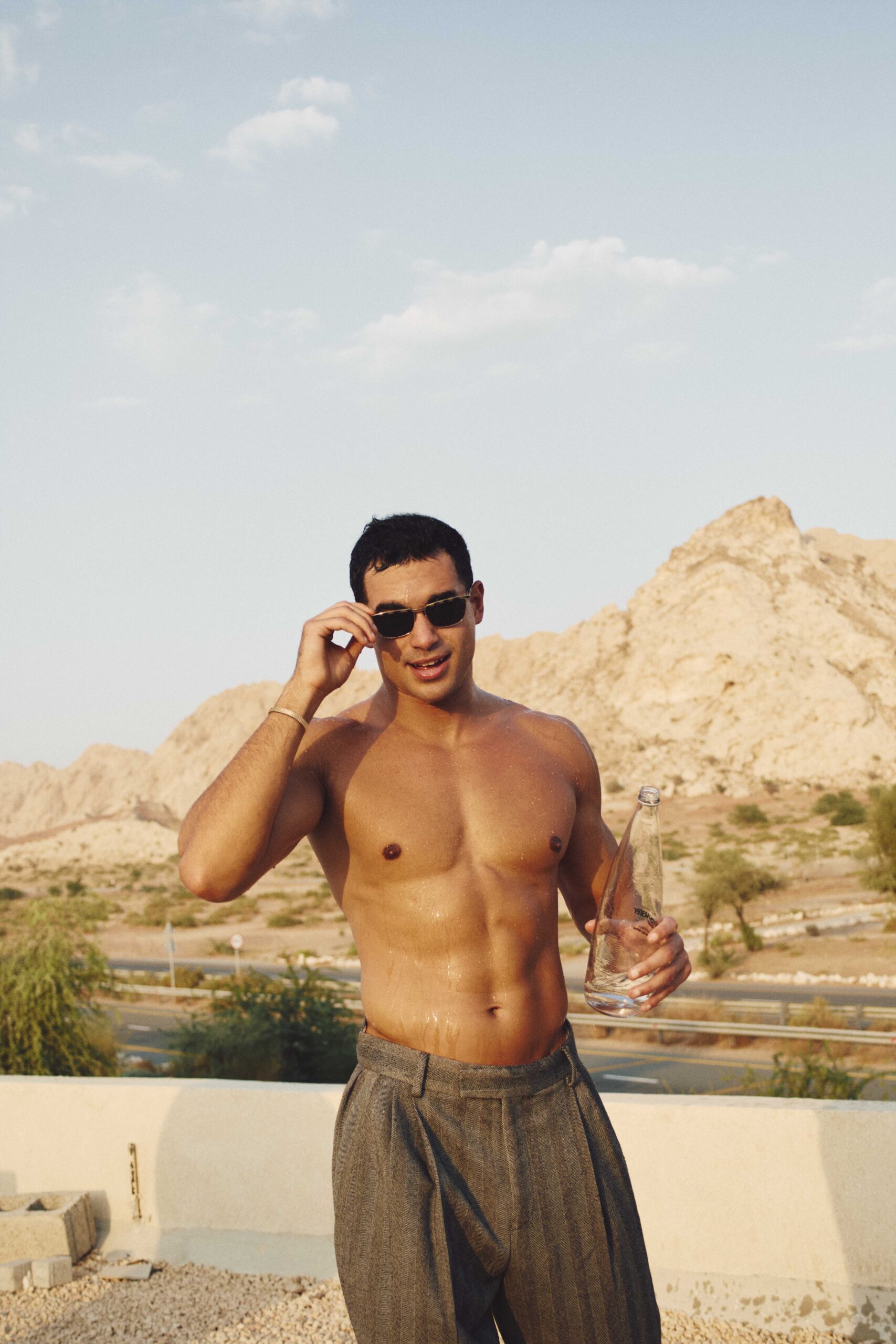
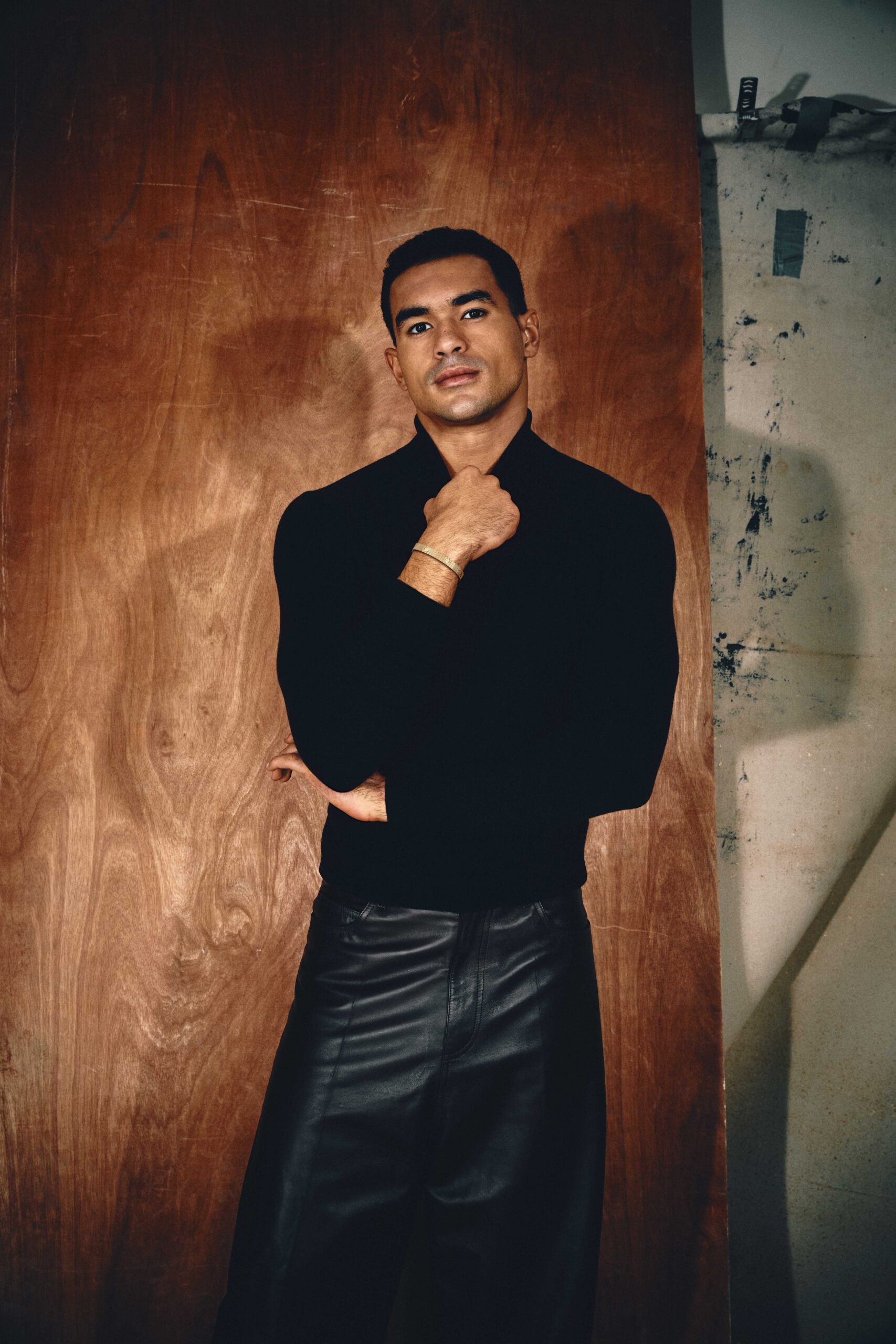
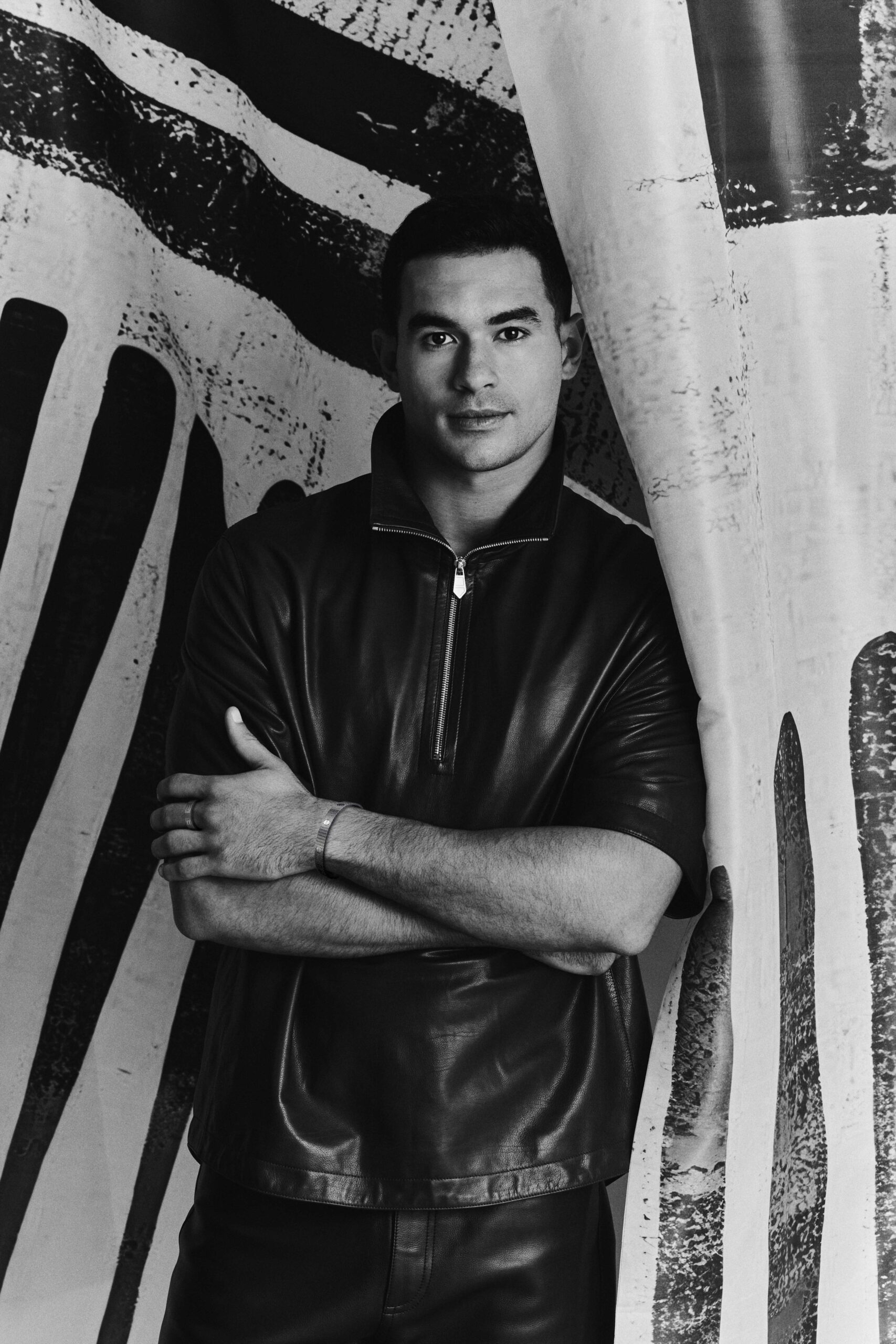
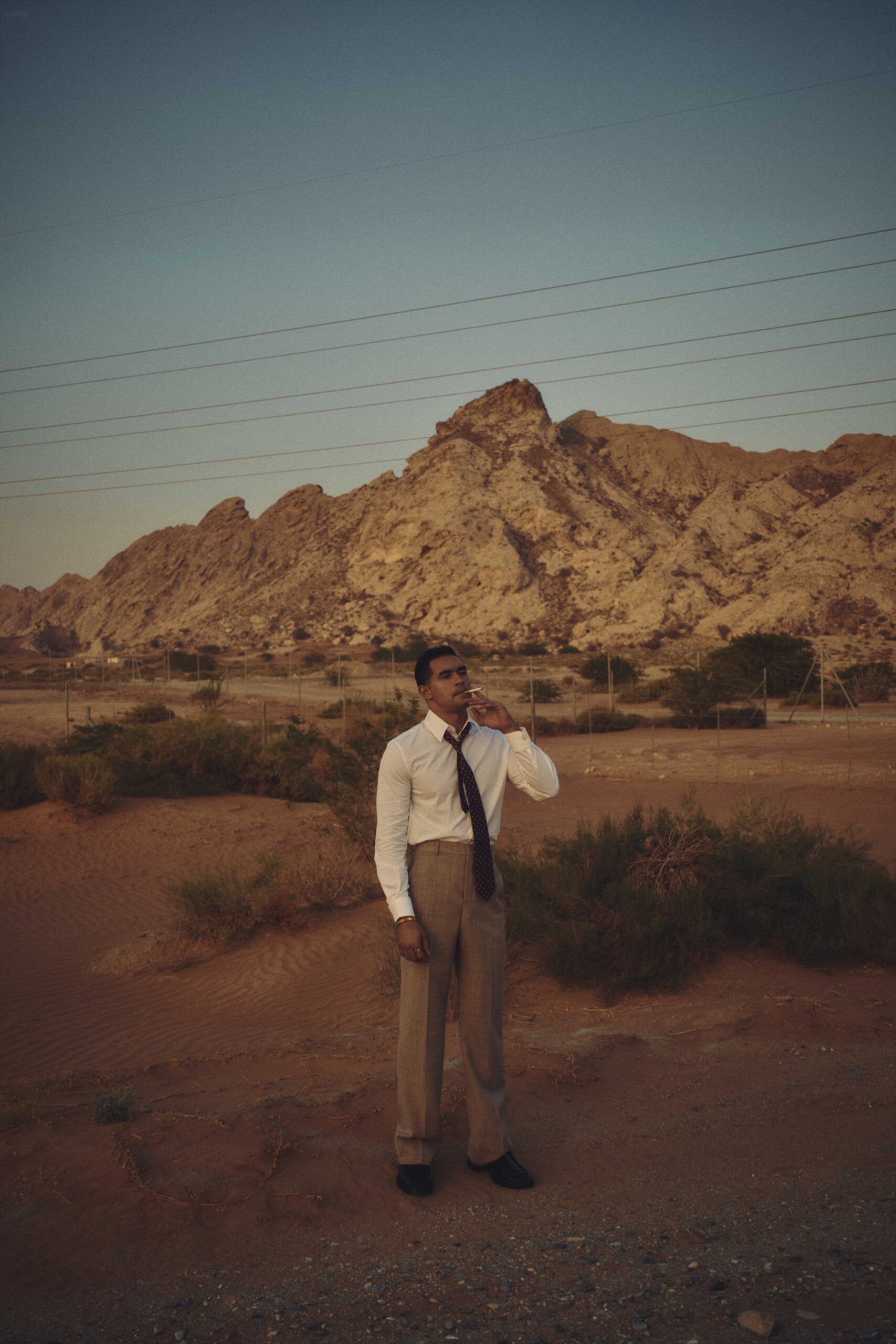
Photography: Vladimir Marti
Creative & Fashion Direction: Laura J Brown
Executive Producer: Drew Brown
Producer: Fatima Mourad
Lighting Assistant: Scar Salario, Charlie Jumuad
Styling Assistant: Thalia Matthey
Talent: Youssef Omar
Grooming: Mauro D.Hernan
THIS FEATURE IS PUBLISHED IN THE 8TH EDITION OF ICON MENA PRINT MAGAZINE. ORDER YOUR COPY HERE.
TO READ THE COVER STORY IN ARABIC, CLICK HERE
Top Banner Image: Y-3 Sport Uniform Coach Jacket, THAT Concept Store. Sunglasses in Black, Balenciaga


