News


Across Milan’s most prestigious and most adventurous venues, from the Baroque courtyard of Palazzo Litta to the raw concrete of the Baggio Military Hospital, designers from Lebanon, Saudi Arabia, Palestine, Egypt, the UAE, and beyond staked out territory that felt earned rather than invited. Several patterns defined this year’s showing: a deep preoccupation with craft as cultural memory, with objects that carry the weight of displacement, resilience, and return; and a shift from decorative reference to structural investigation, where heritage is not applied to a surface but built into the logic of the thing itself. What follows is the most comprehensive guide to every Arab designer who showed in Milan this year.
Lina Ghotmeh (Lebanon)
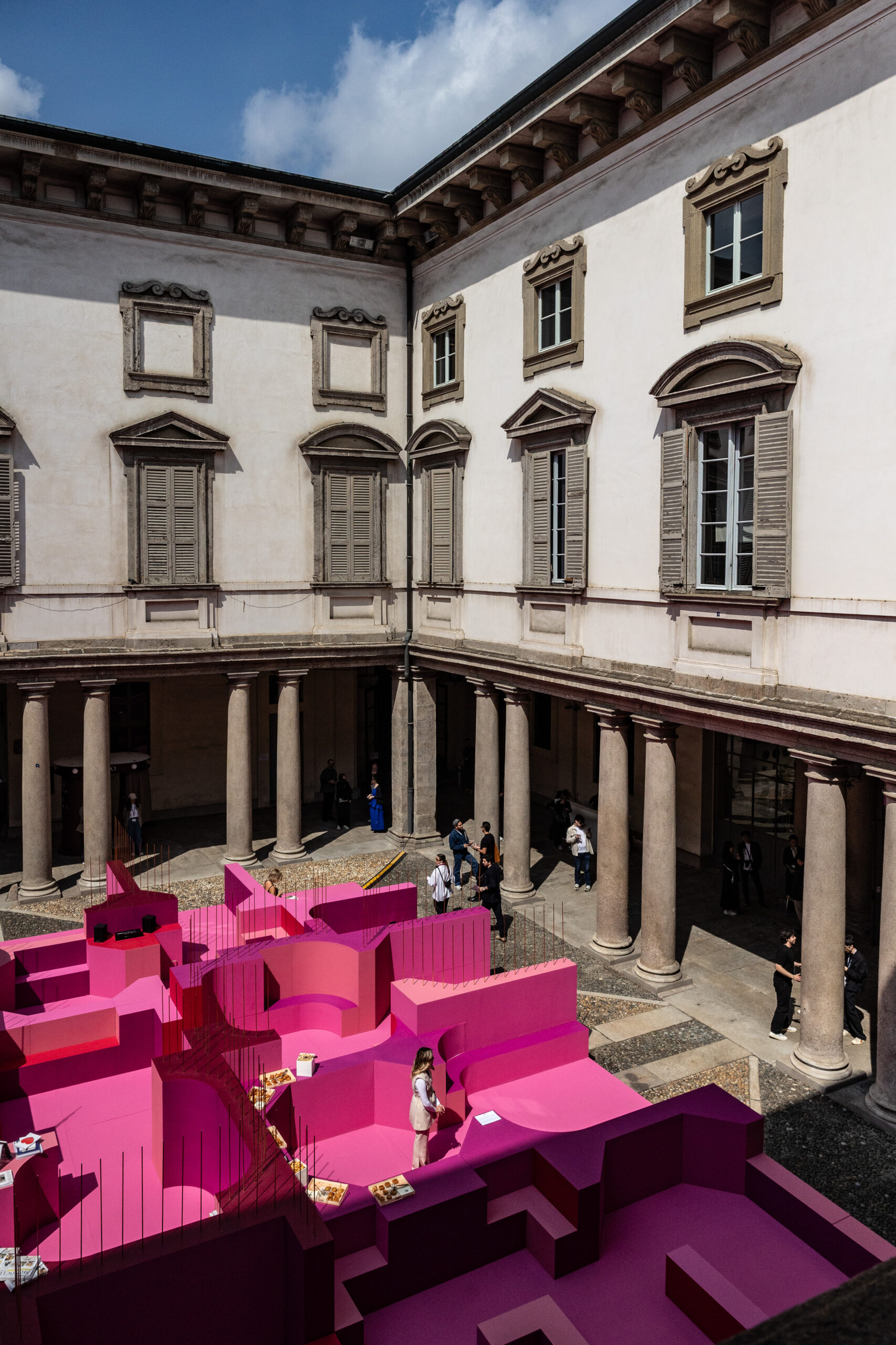
The Lebanese architect made her Milan Design Week debut with Metamorphosis in Motion, the centrepiece of MoscaPartners Variations 2026 at the historic Palazzo Litta. Formed from curved geometric modules, the pink-hued installation creates shifting perspectives and a sequential path through the Baroque courtyard, each pocket of space offering a different spatial experience. Rooted in Ghotmeh’s philosophy of the “Archaeology of the Future,” the labyrinthine structure treats the site as a living archive, a quiet pause amid the week’s relentless spectacle, where visitors are invited to slow down and participate rather than simply observe.
David/Nicolas (Lebanon)
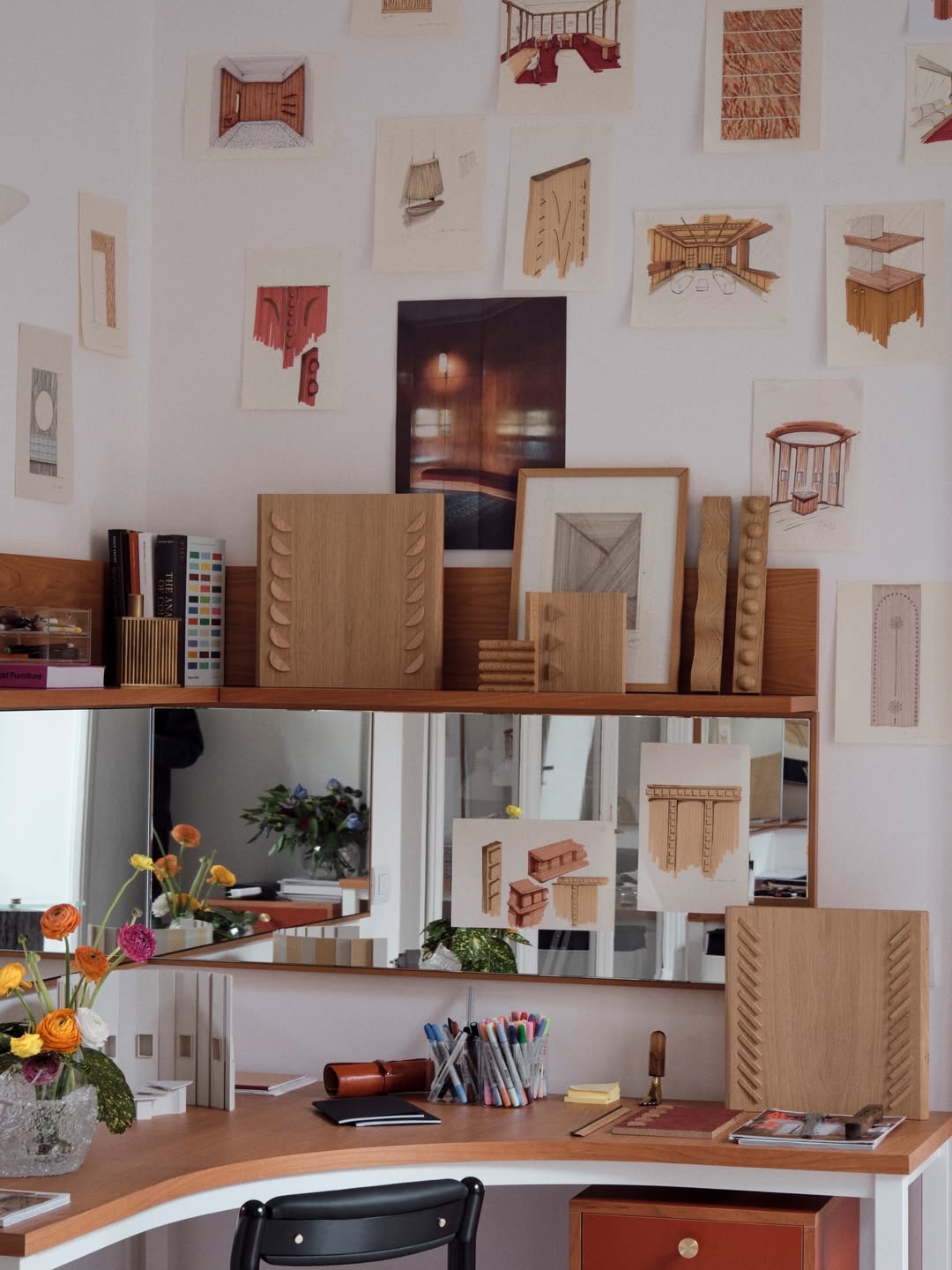
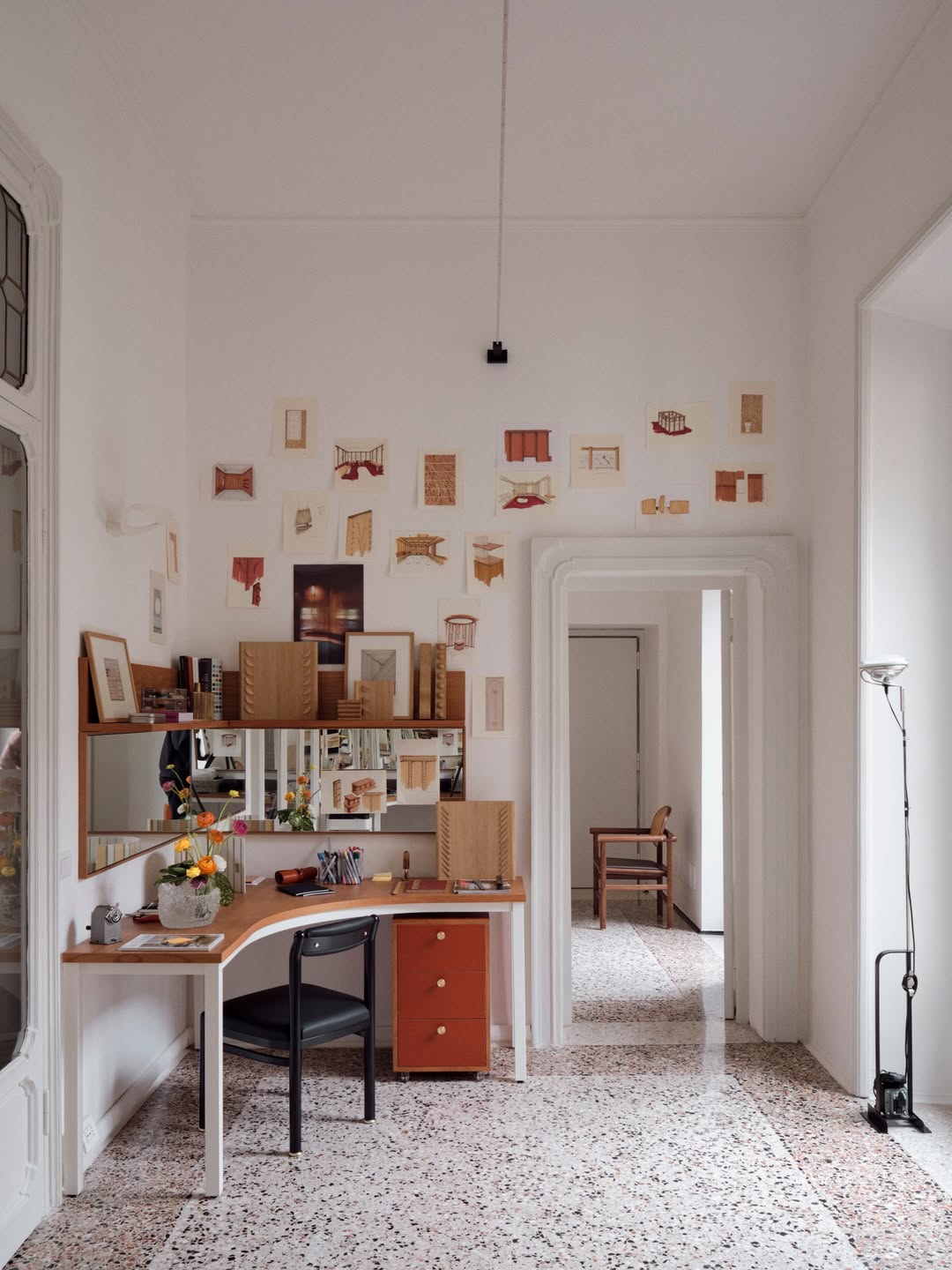
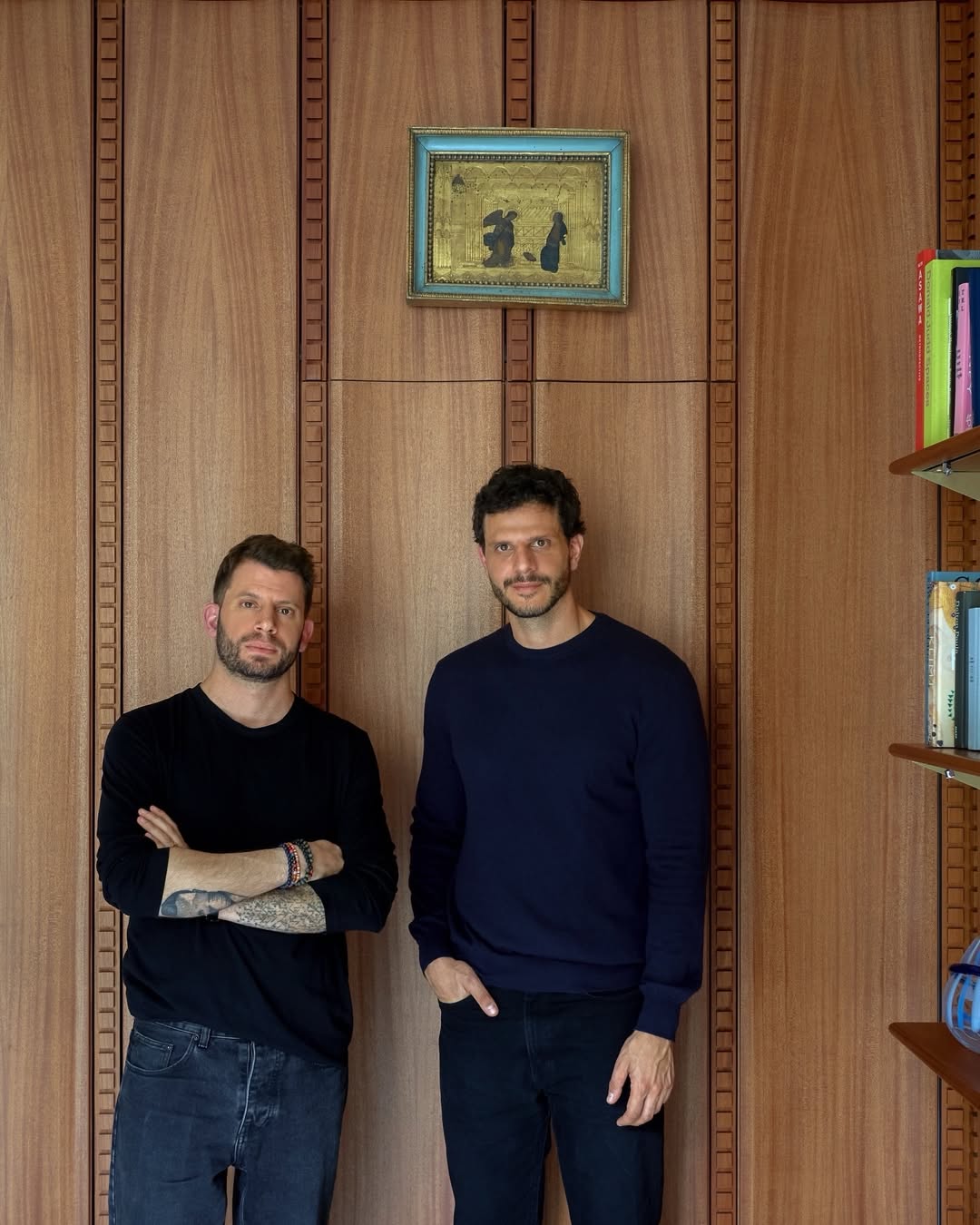
The official inauguration of David Raffoul and Nicolas Moussallem’s Milan studio was announced not with a single presentation but with a city-wide programme. La Boiserie at their new 5VIE project space introduced a modular reinterpretation of classical wood panelling, integrating storage and ornament into a continuous spatial system. At Nilufar Depot, The Bedroom, draped in hand-painted and embroidered wallcoverings by de Gournay, collapsed the boundary between interior design and scenography. They also unveiled Scapula, a sculptural armchair developed with Ceccotti Collezioni that translates the anatomy of a shoulder blade into graphic form. Milan, where the duo opened their second studio in 2021, has never felt more like home ground.
Richard Yasmine (Lebanon)
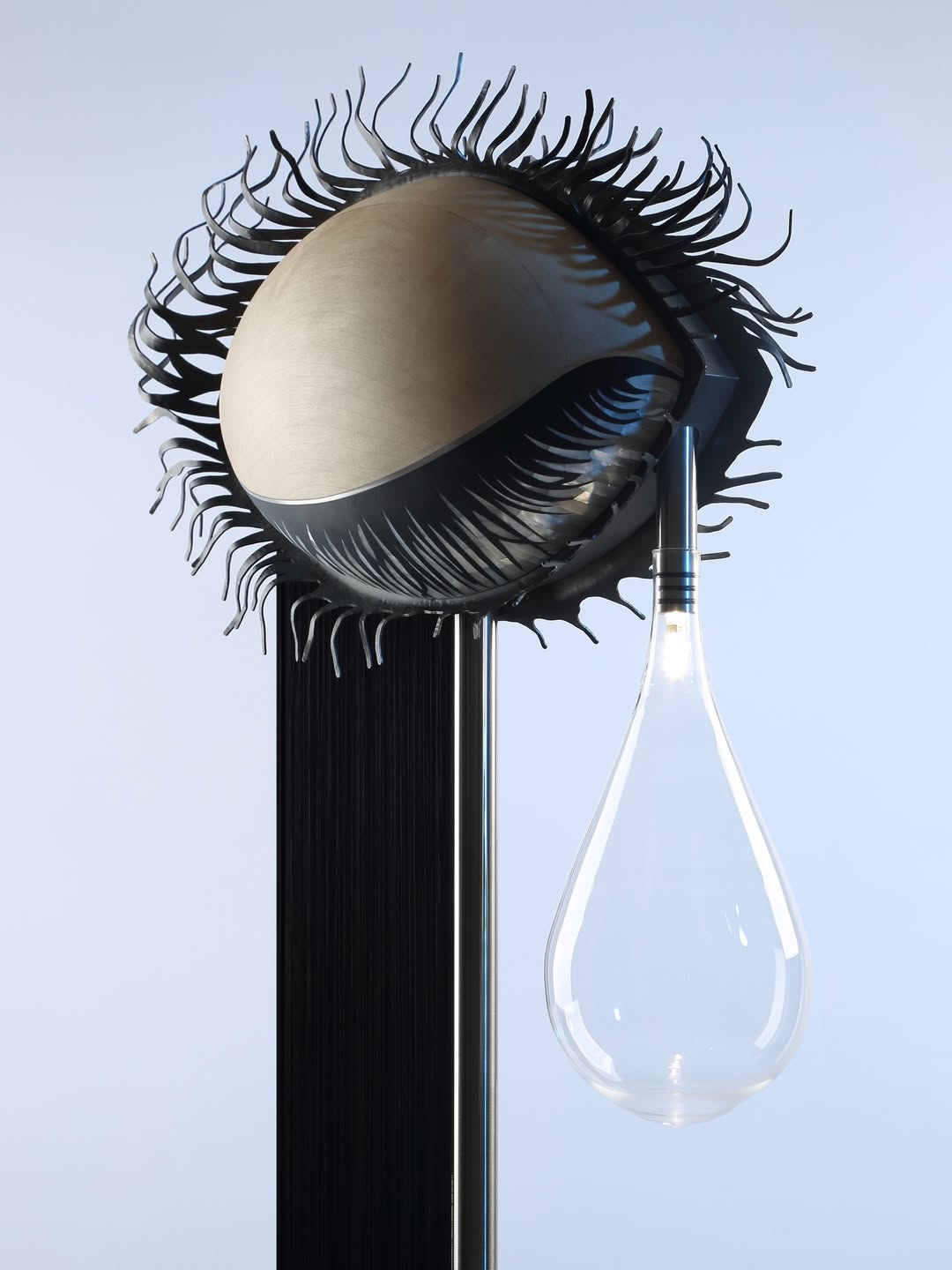
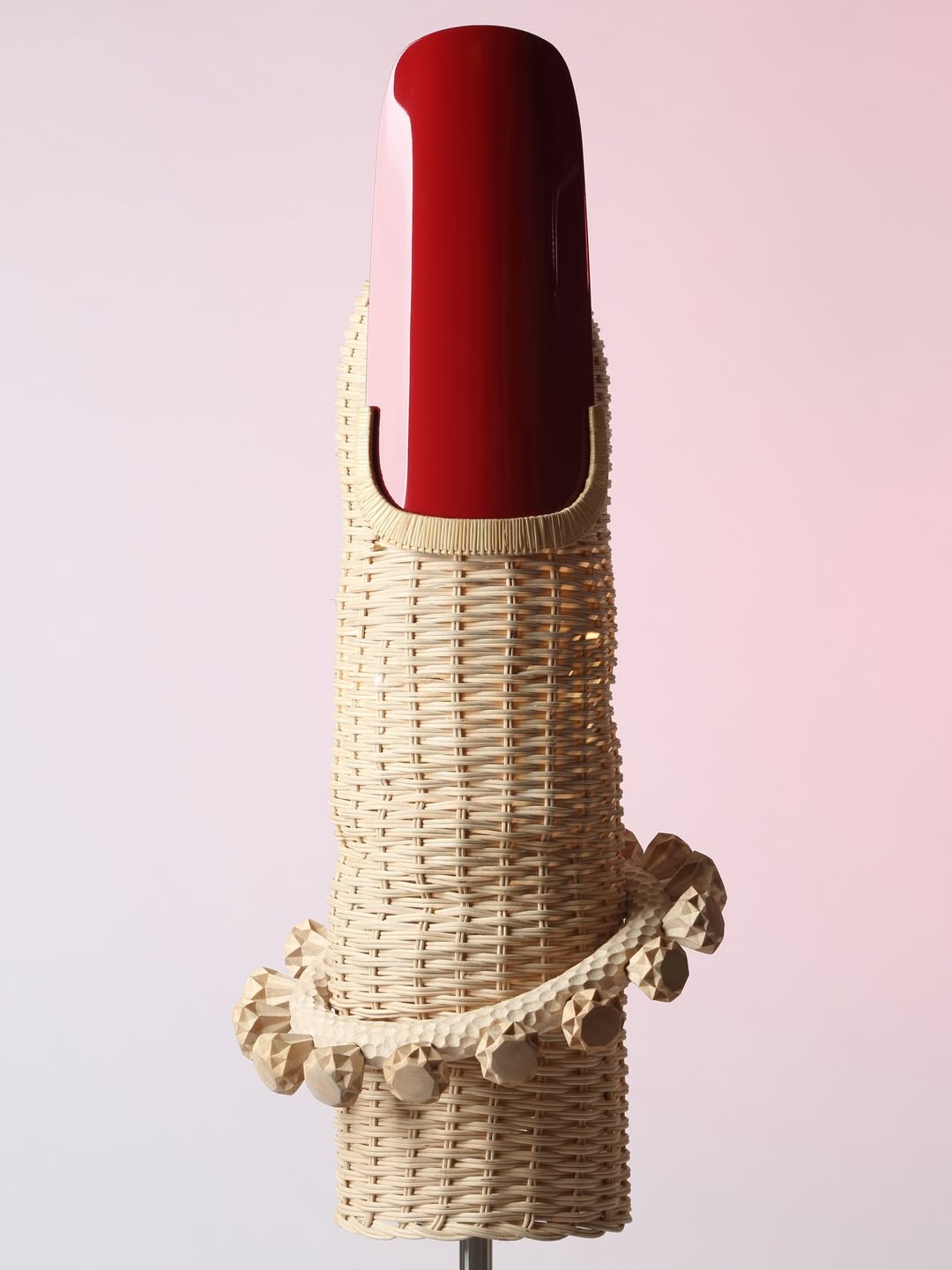
Vessels of the Intangible at 5VIE is the kind of work that resists easy categorisation, and that is entirely the point. Structured around the five senses, the collection translates sight, sound, scent, taste, and touch into sculptural light objects crafted through metalwork, leather, blown glass, and embroidery. Yasmine describes the showcase as a “Neo Ritual Baroque,” where light functions not as illumination but as an internal force emerging from within each form. It is among the most philosophically charged presentations of the week, hovering somewhere between altar piece and design statement.
Jusoor Design Collections (Saudi Arabia)
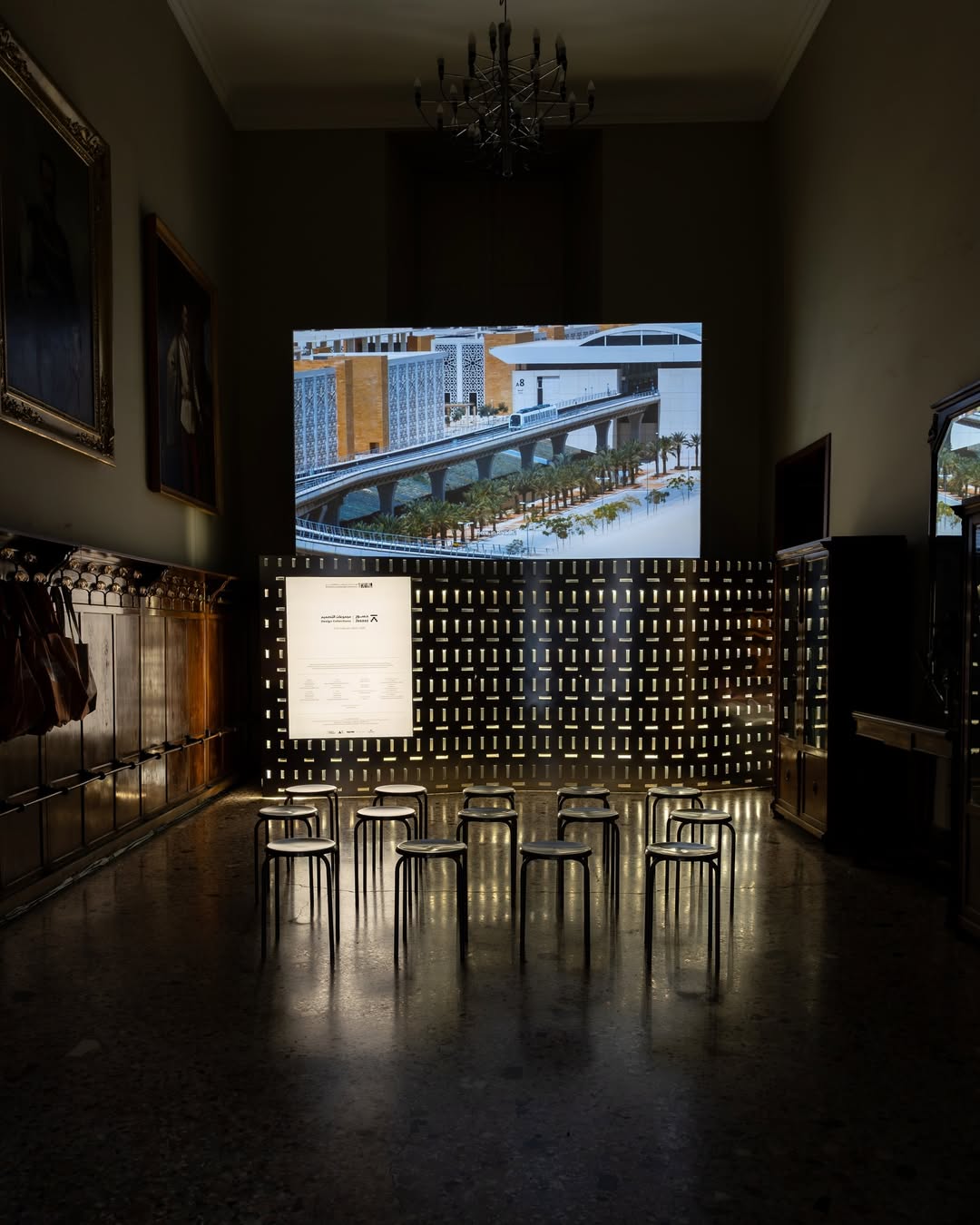
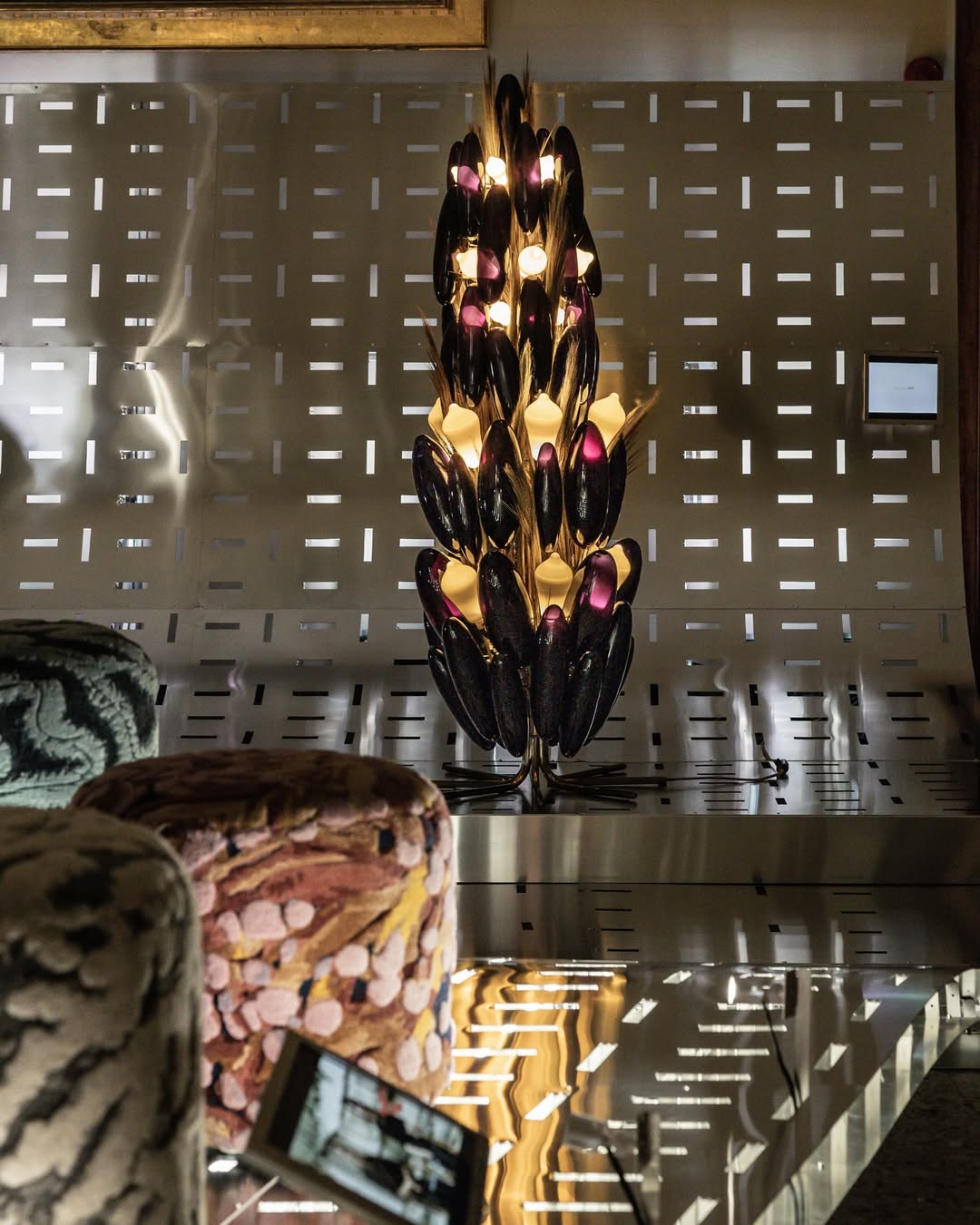
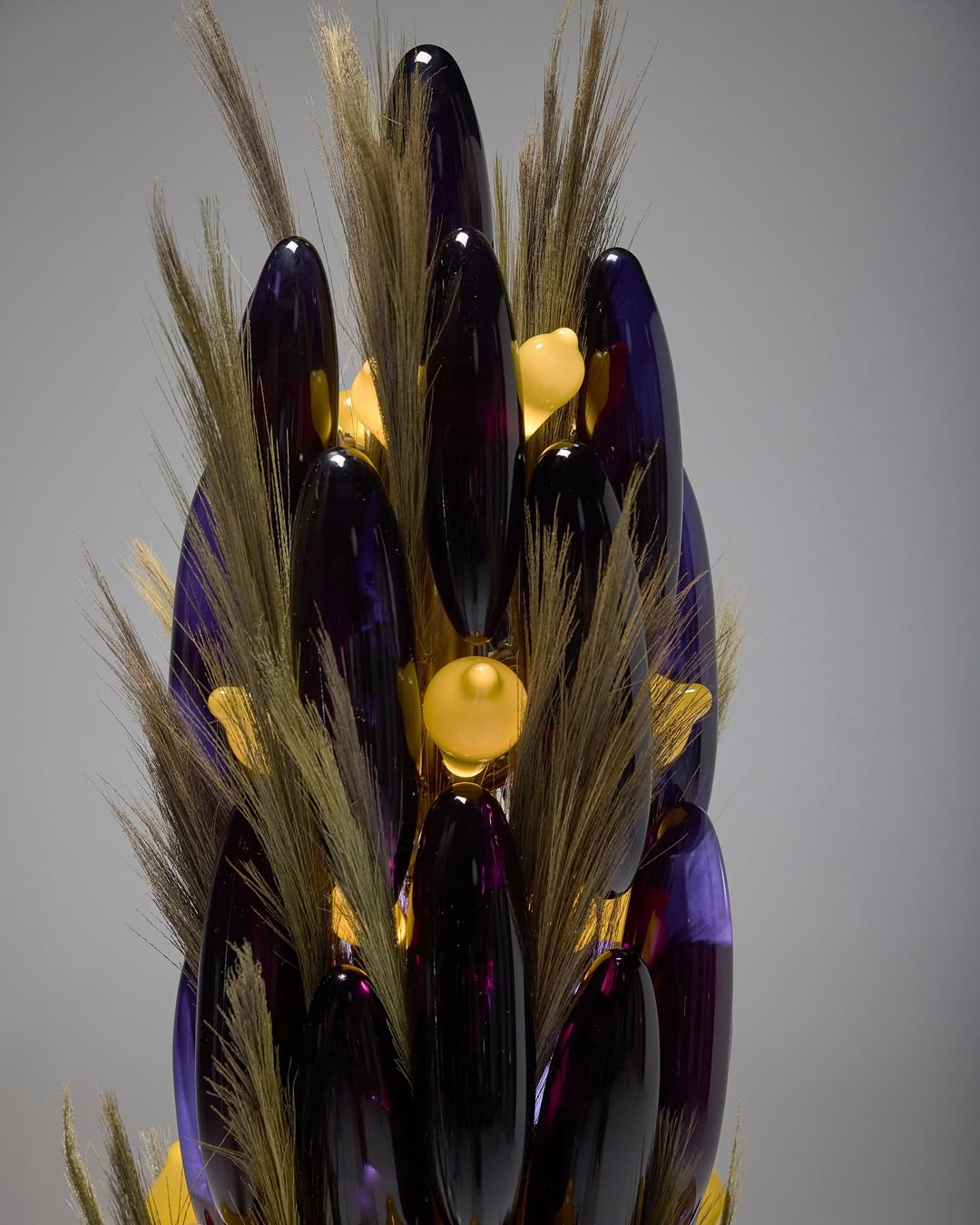
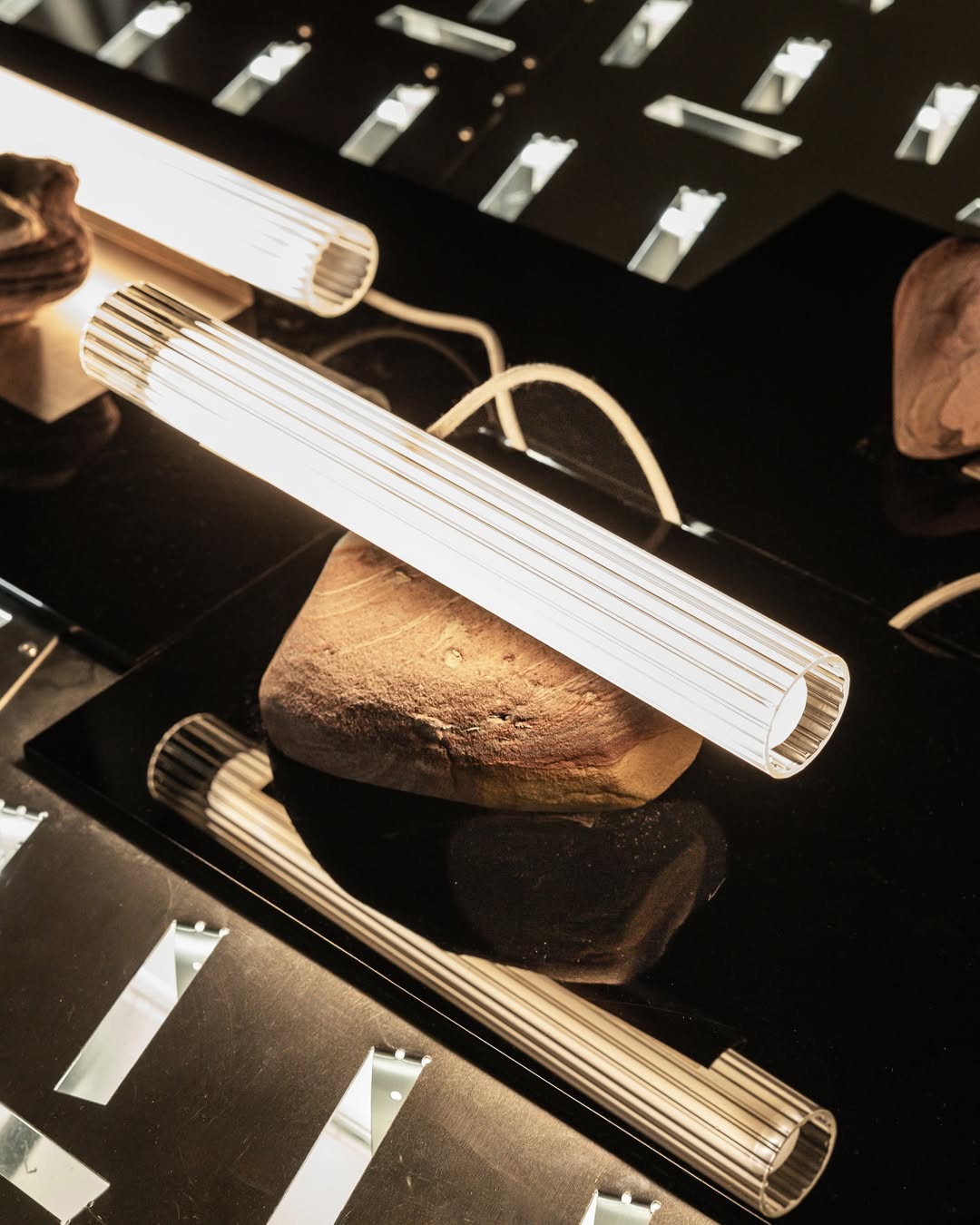
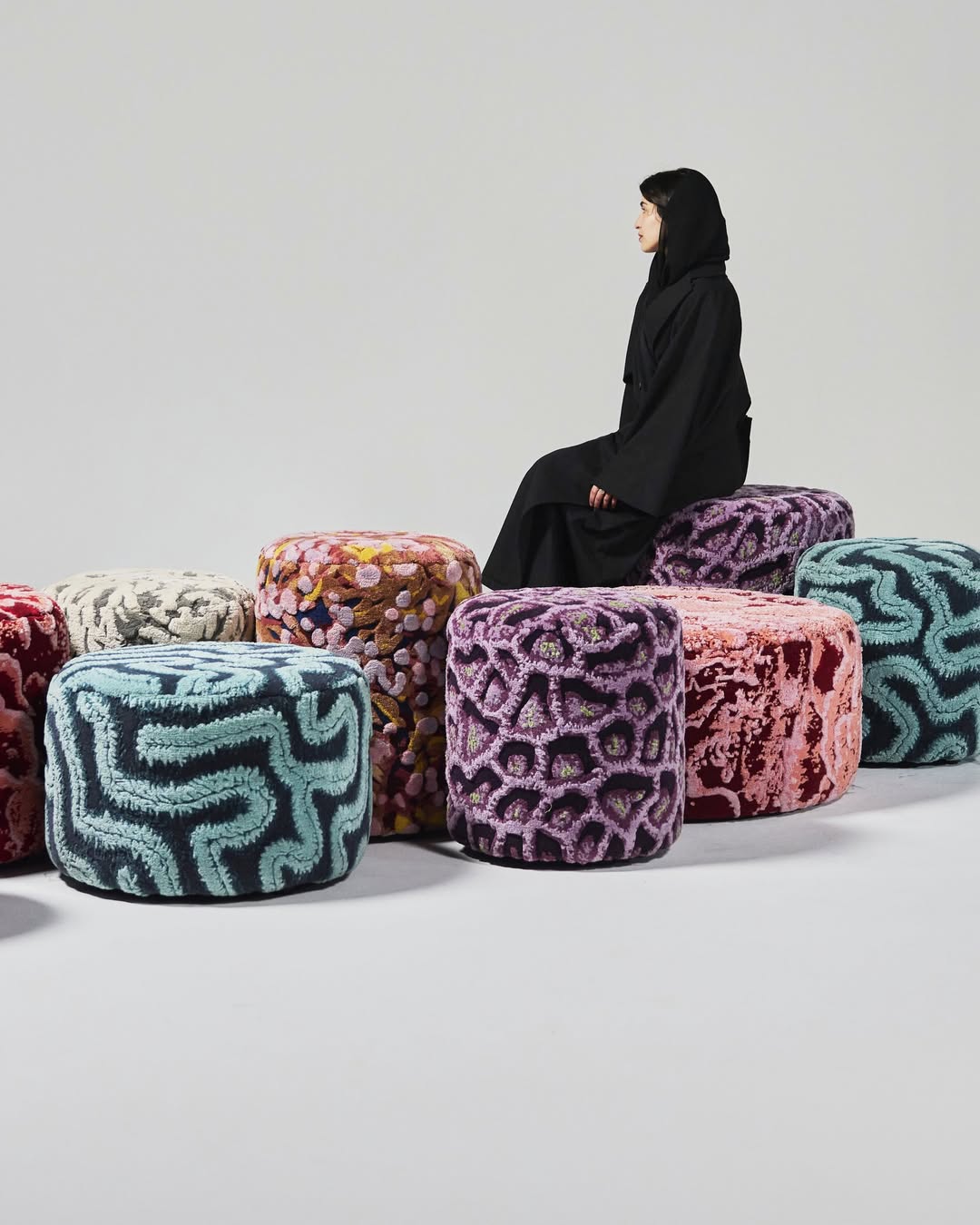
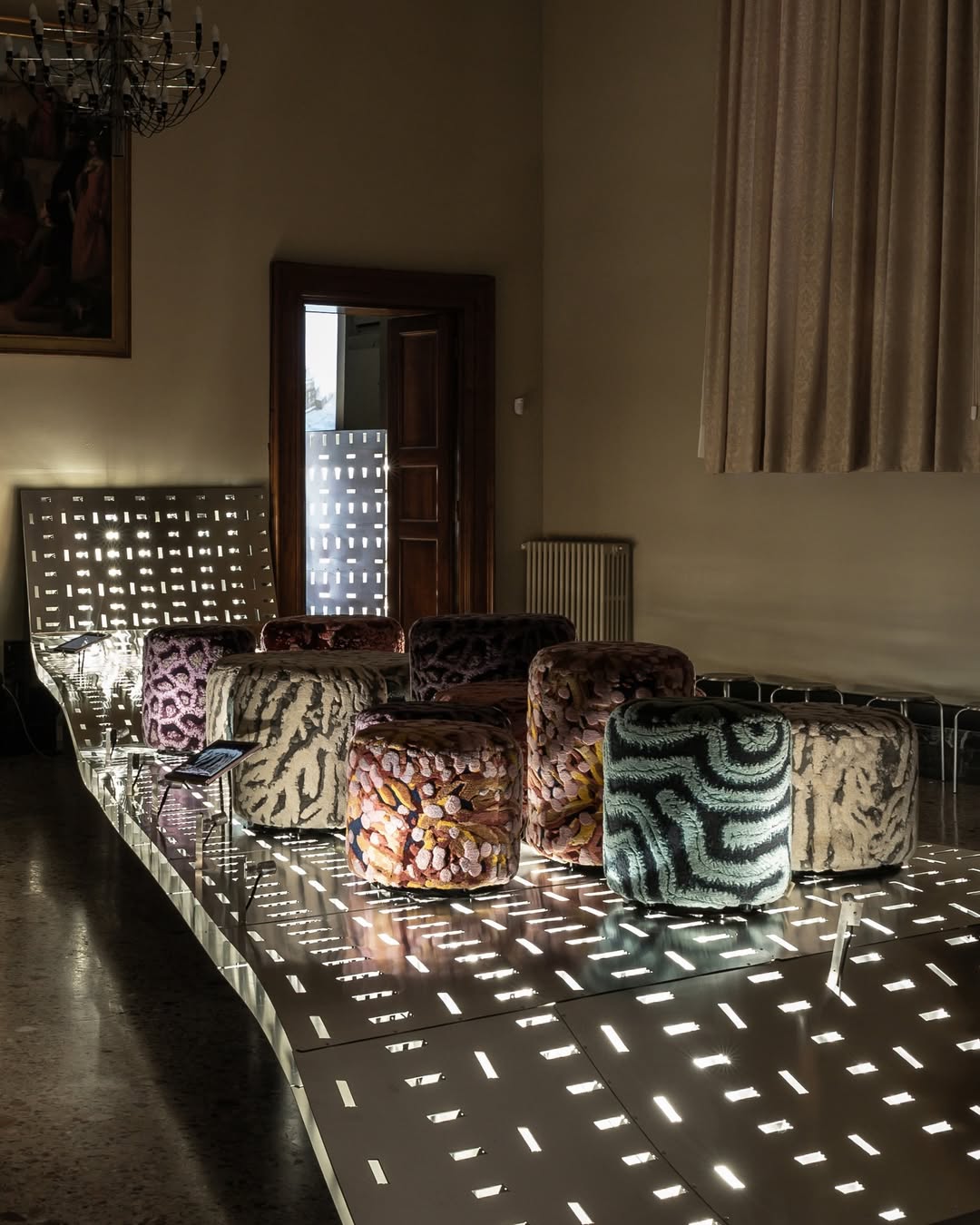
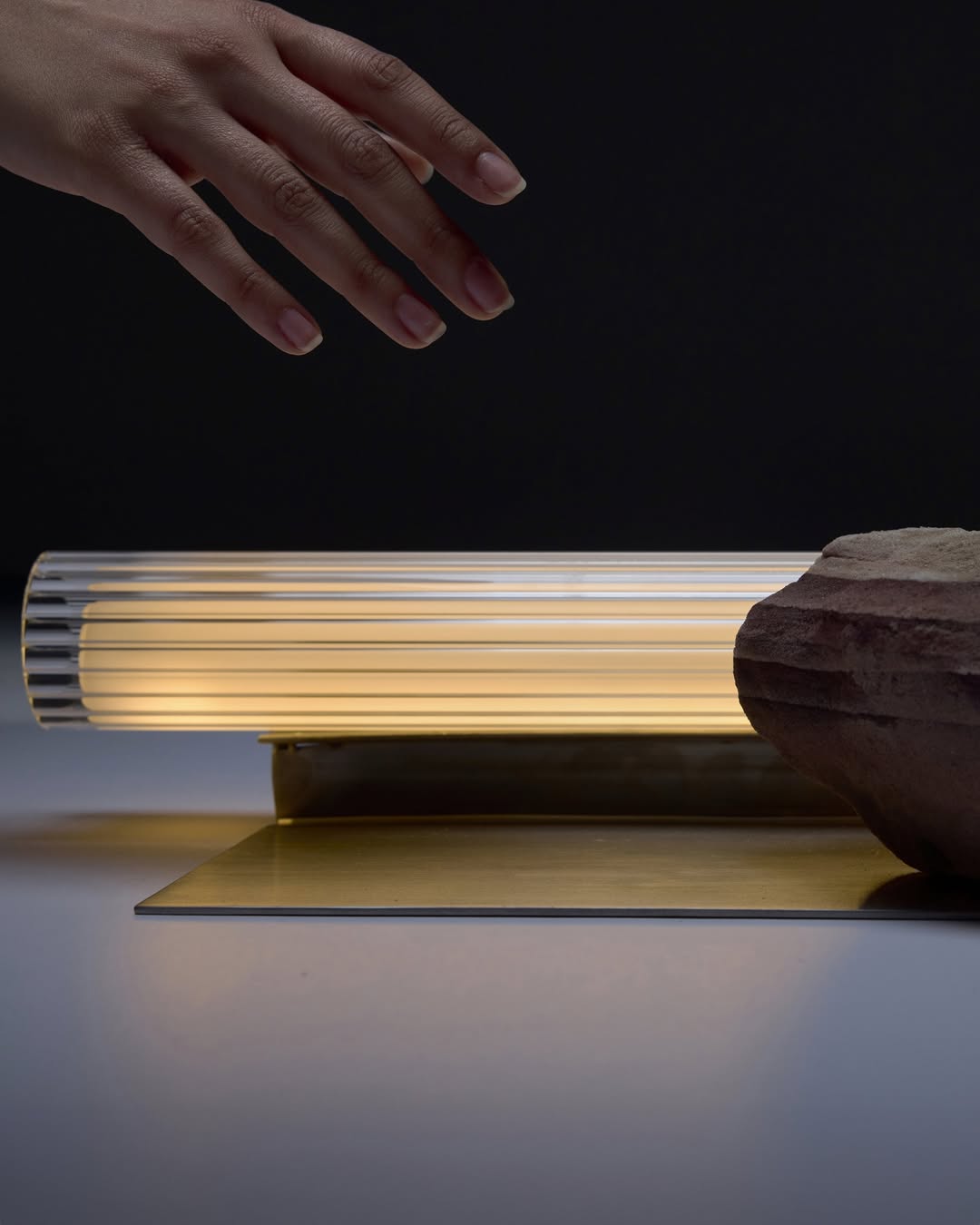
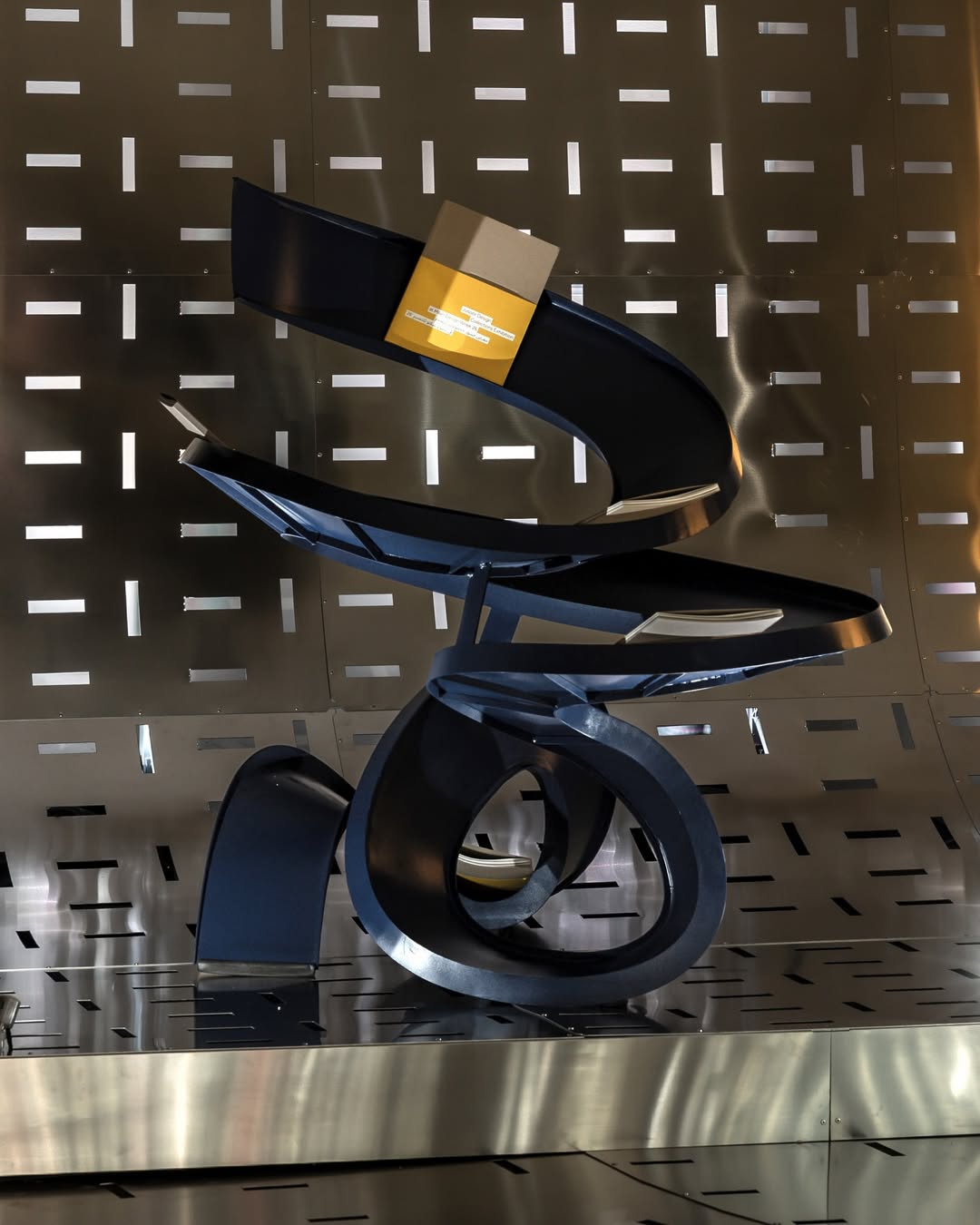
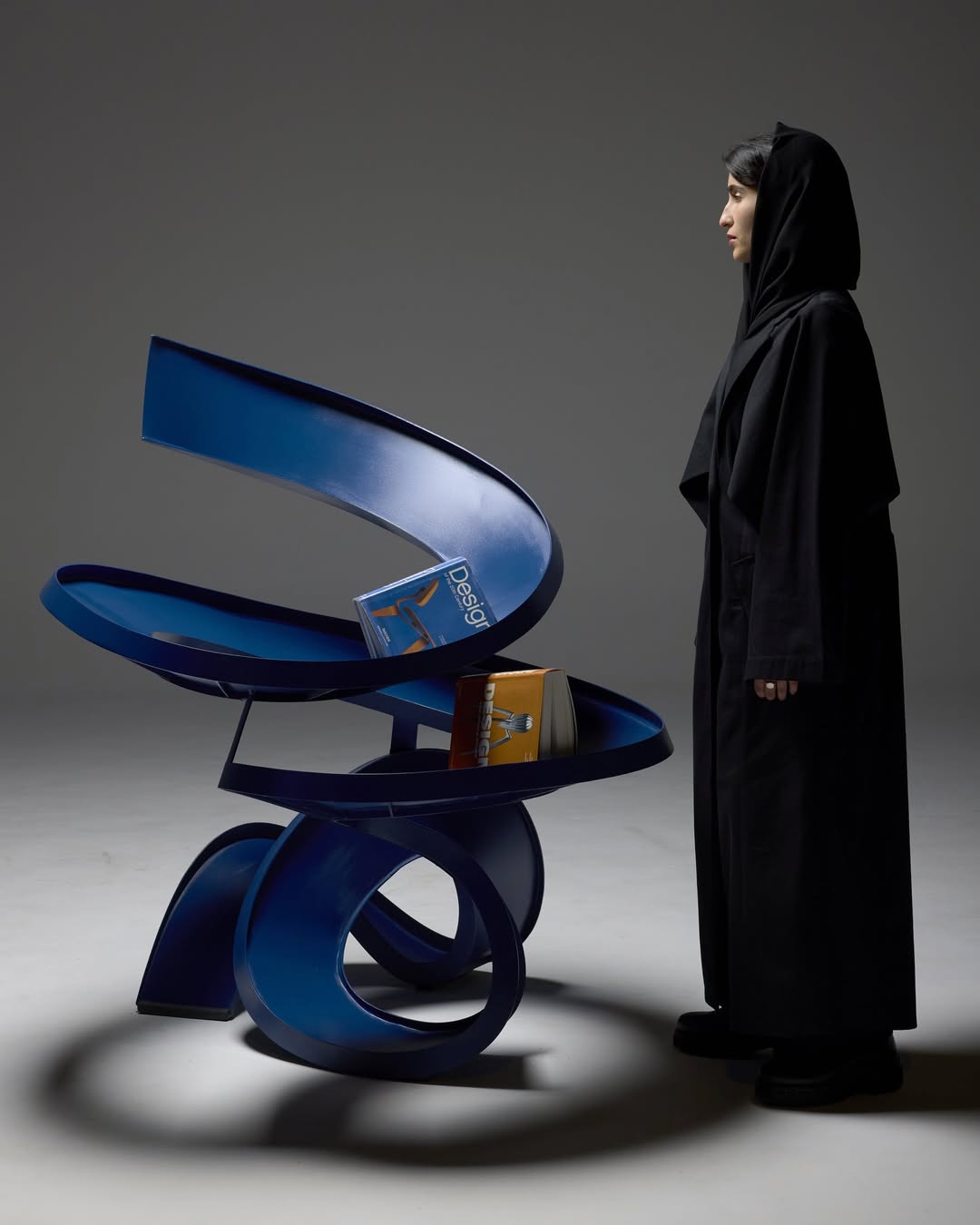
Presented at the historic Istituto Lombardo in Palazzo Brera and curated by Dubai-based creative director Samer Yamani, Jusoor, Arabic for “bridges”, brought together five Saudi designers in collaboration with international studios across Nepal, India, and Spain, marking the international exhibition debut of a programme by Saudi Arabia’s Architecture and Design Commission. The five designers: Muotaz Abbas, whose monumental glass and metal lamp was produced with Klove Studio; Aseel Alamoudi, with hybrid sandstone and steel lighting; Abeer AlRabiah and Albandari Sulaiman, whose CORA Collection translates handwoven carpets into sculptural coral-inspired seating; and Saud Alsaleh, who contributed a spiral metal bookshelf created with Lagranja Design. The exhibition frames craft not as heritage preservation but as a living, luminous form of innovation.
ZAZA Maizon (Saudi Arabia)
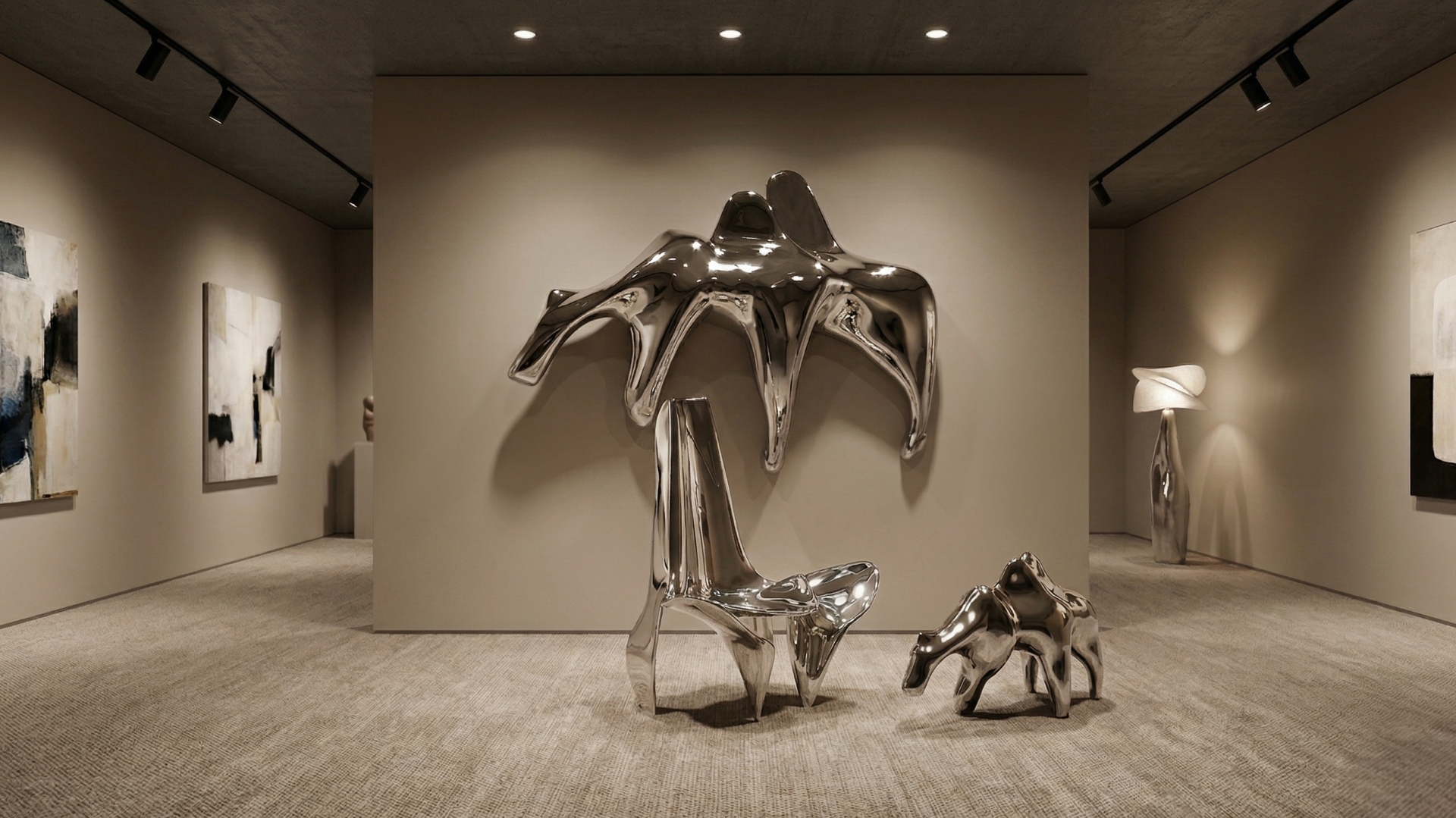
For the first time in the fair’s 64-year history, a Saudi brand earned a place within Salone del Mobile.Milano proper. ZAZA Maizon, founded by architect Abdulaziz Khalid Al Tayyash, presented within Salone Raritas, the fair’s most exclusive section reserved for limited editions, rare craftsmanship, and works of exceptional cultural significance, at Fiera Milano Rho, Pavilion 9. A design house where craftsmanship, cultural memory, and Saudi childhood mythology converge into collectible objects, the brand’s debut positioned the Kingdom’s design scene not as a novelty but as a fully formed proposition capable of holding its own on the world’s most competitive stage.
Urjowan Alsharif (Saudi Arabia)
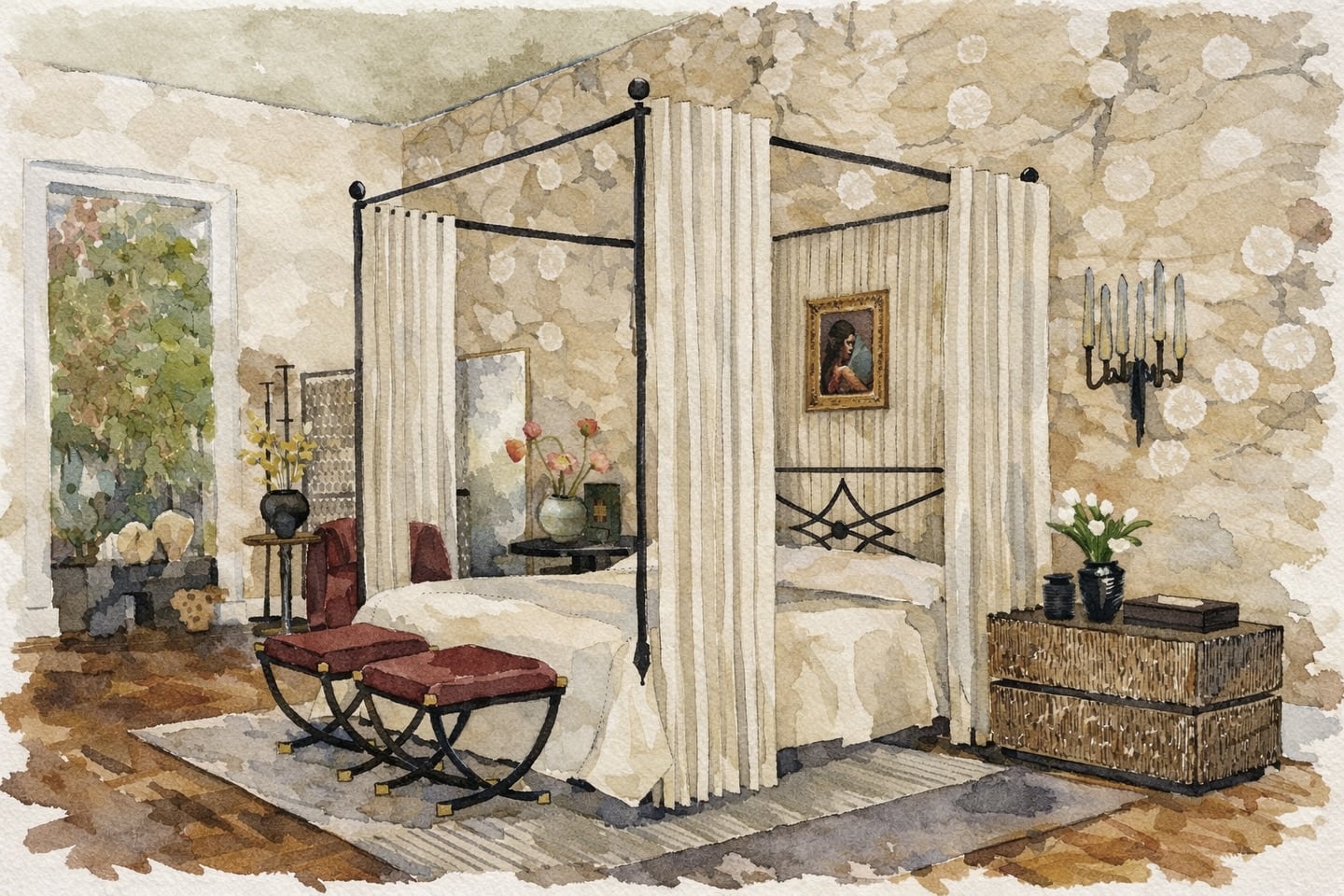
The Saudi interior architect presented a bedroom installation at L’Appartamento by Artemest at Palazzo Donizetti, with her Dubai- and Riyadh-based studio contributing a room inspired by Florence’s legacy of proportion and culture. Operating between the Gulf and Italy, Alsharif’s work places a distinctly regional viewpoint within a global conversation about Italian grandeur and the future of luxury interiors, a placement that felt less like representation and more like full participation.
Mark Farhat Giusti, Rami Lazkani & YEH Studio (Youssef El Hadi)
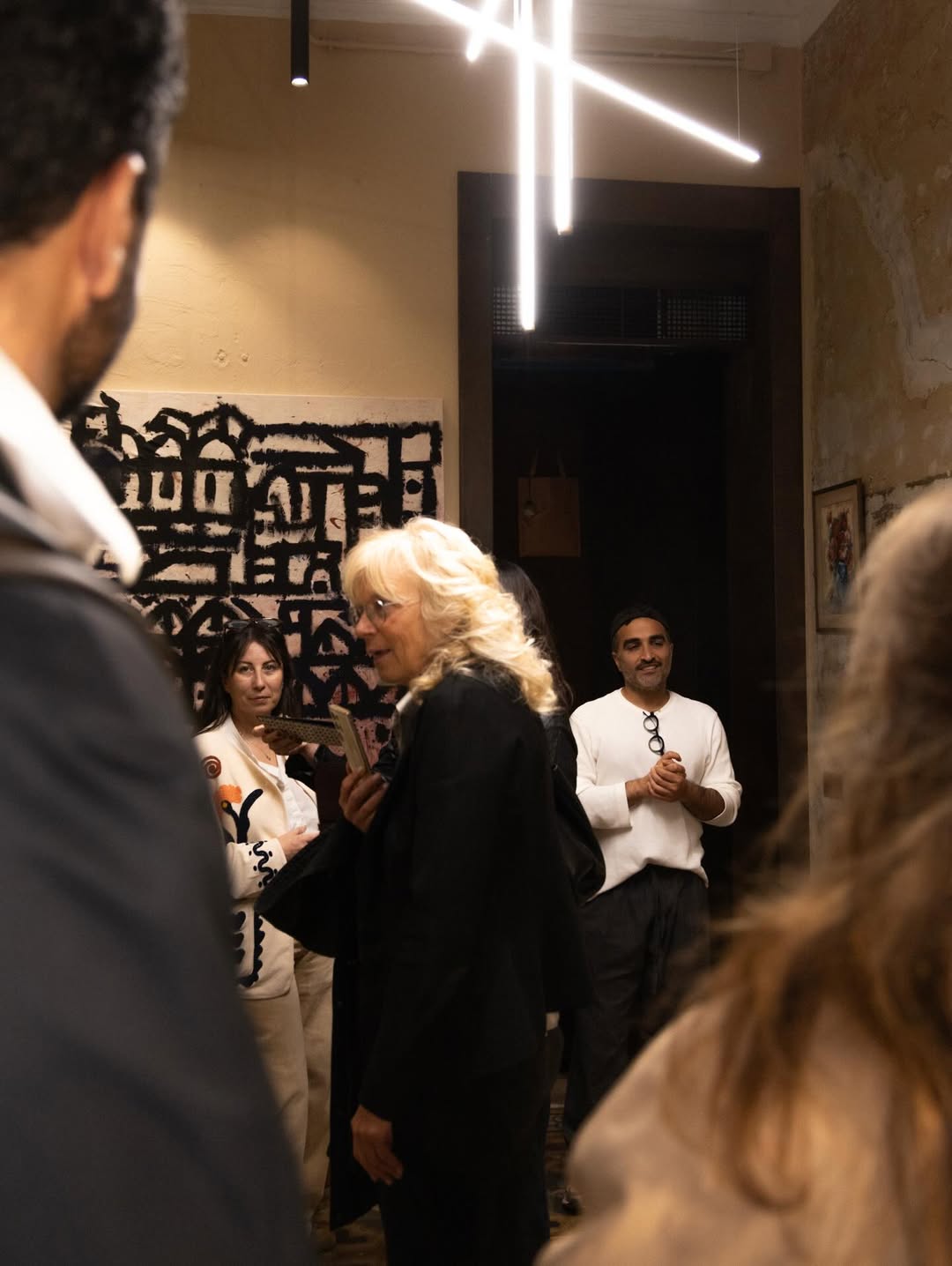
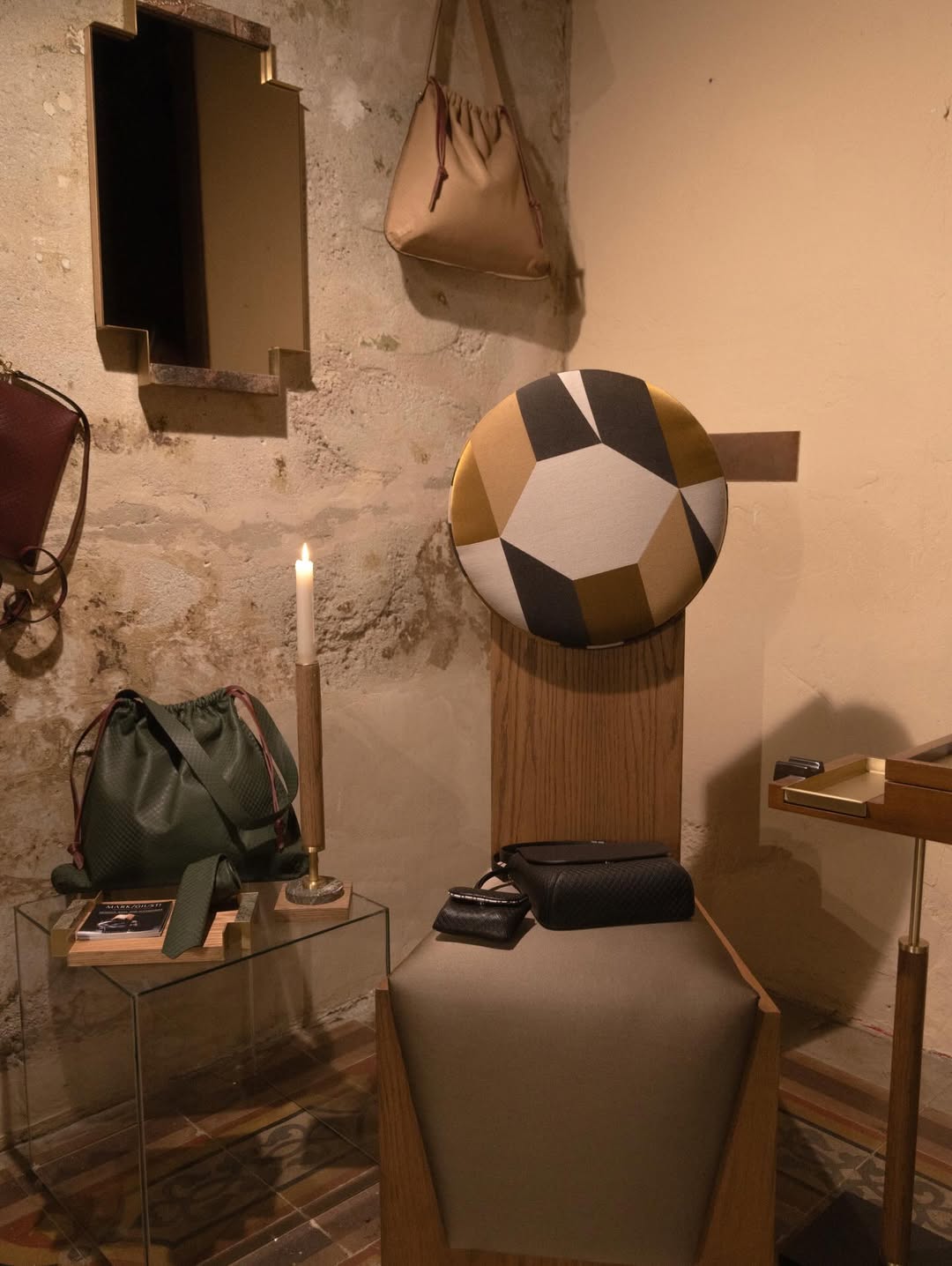
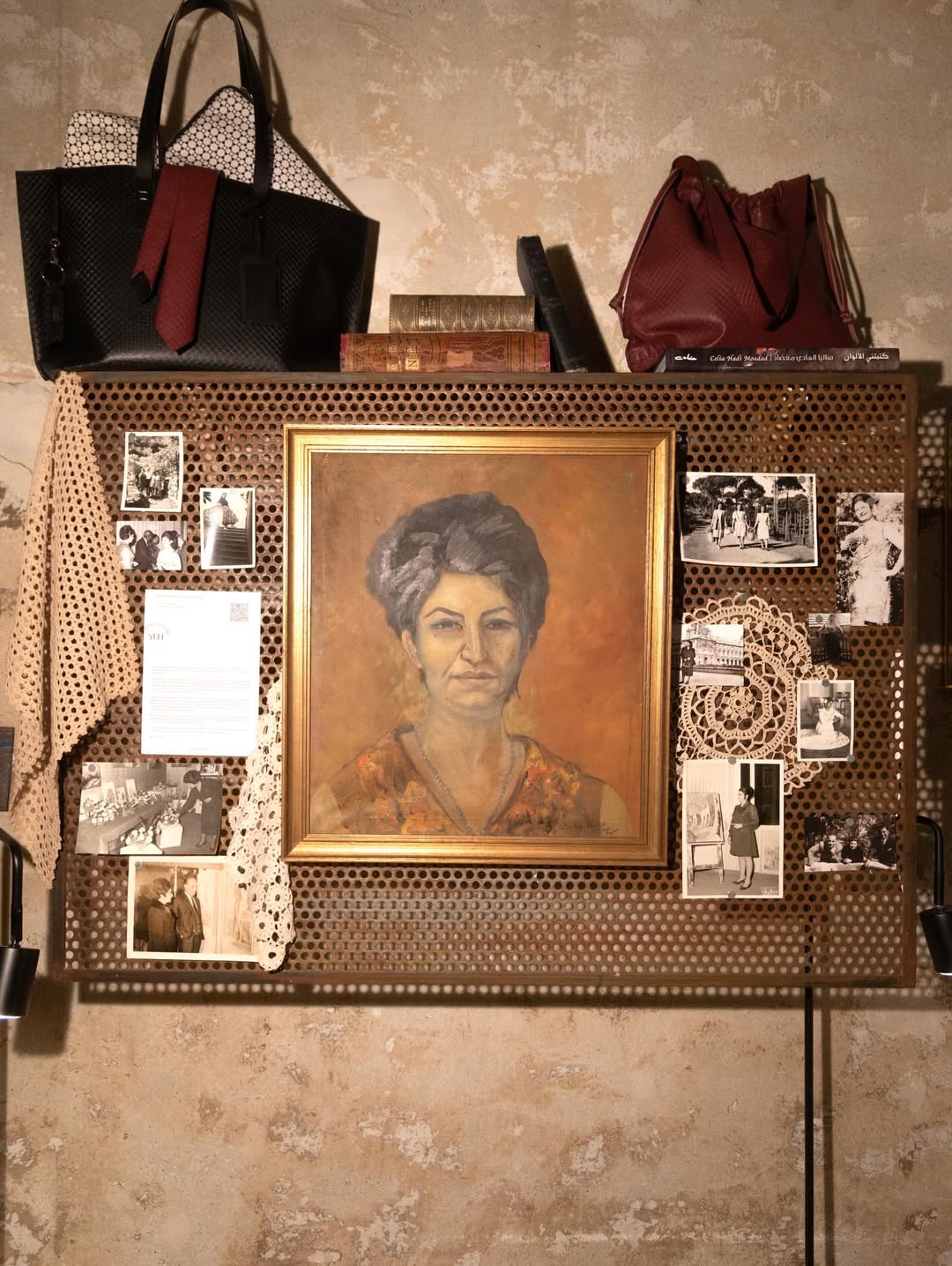
At Casa Giusti in the Porta Venezia district, the exhibition Li Beirut: Between Shadow and Light transformed the Italian accessories brand’s creative hub into a sensorial environment reinterpreting the visual and emotional elements of a Beirut home, incorporating scent, sound, and accumulated personal history. Lebanese architect Rami Lazkani introduced arches and windows that gestured toward the city’s architectural continuity, while Youssef El Hadi of YEH Studio contributed sculptural furniture embedded with archival paintings by his grandmother. The collaborative project positions Lebanese identity as something preserved yet continuously evolving.
Roseline Jabbour (Lebanon)
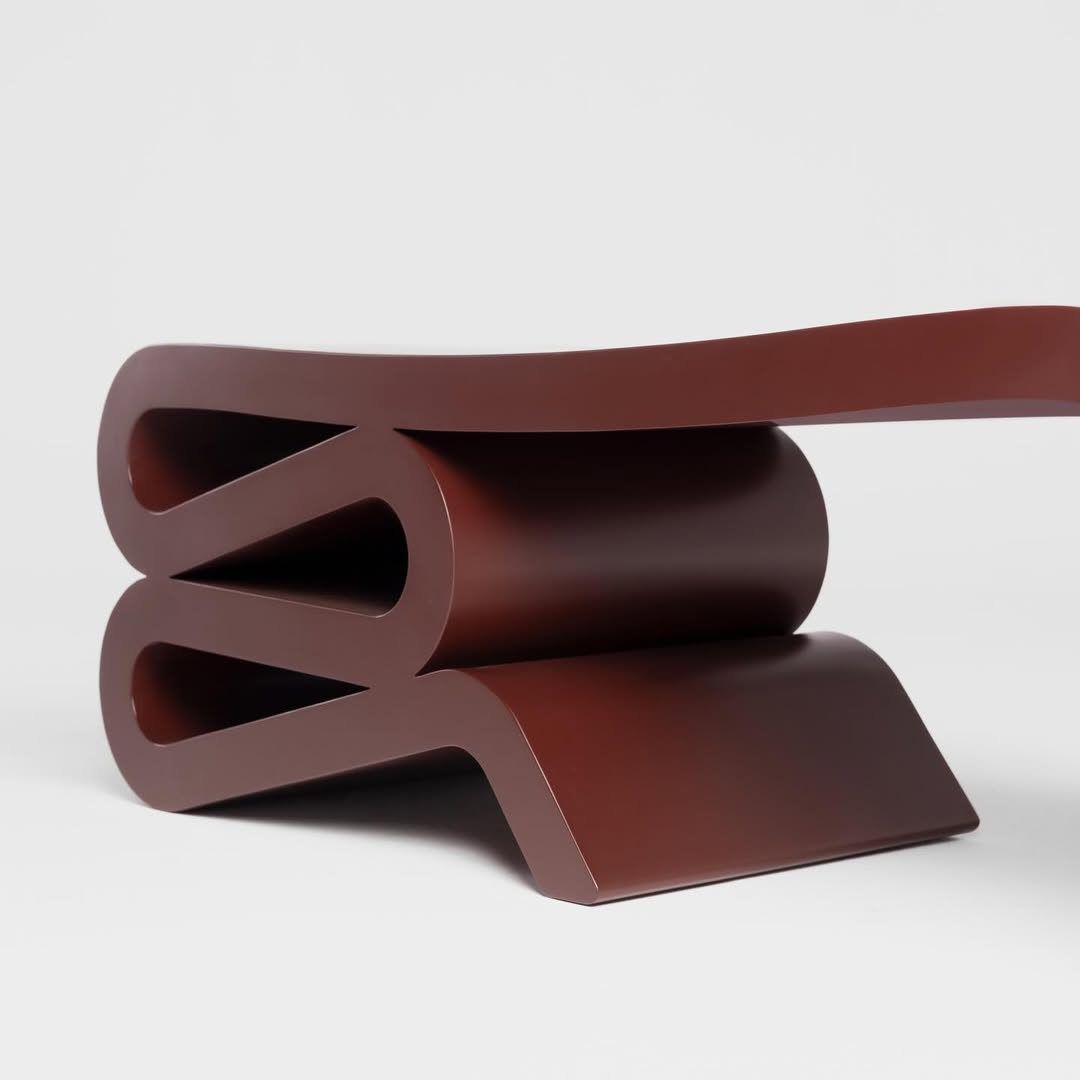
The Loop Bench at the Isola Design Gallery is deceptively simple: a sculptural maroon steel piece that translates subtle human gestures into fluid seating. Jabbour’s contribution to the Isola Design Festival’s tenth anniversary edition, one of the primary hubs for MENA talent at this year’s Design Week, demonstrated exactly what the platform does best: giving emerging voices a setting proportionate to their ambition.
Georges Mohasseb (Lebanon)
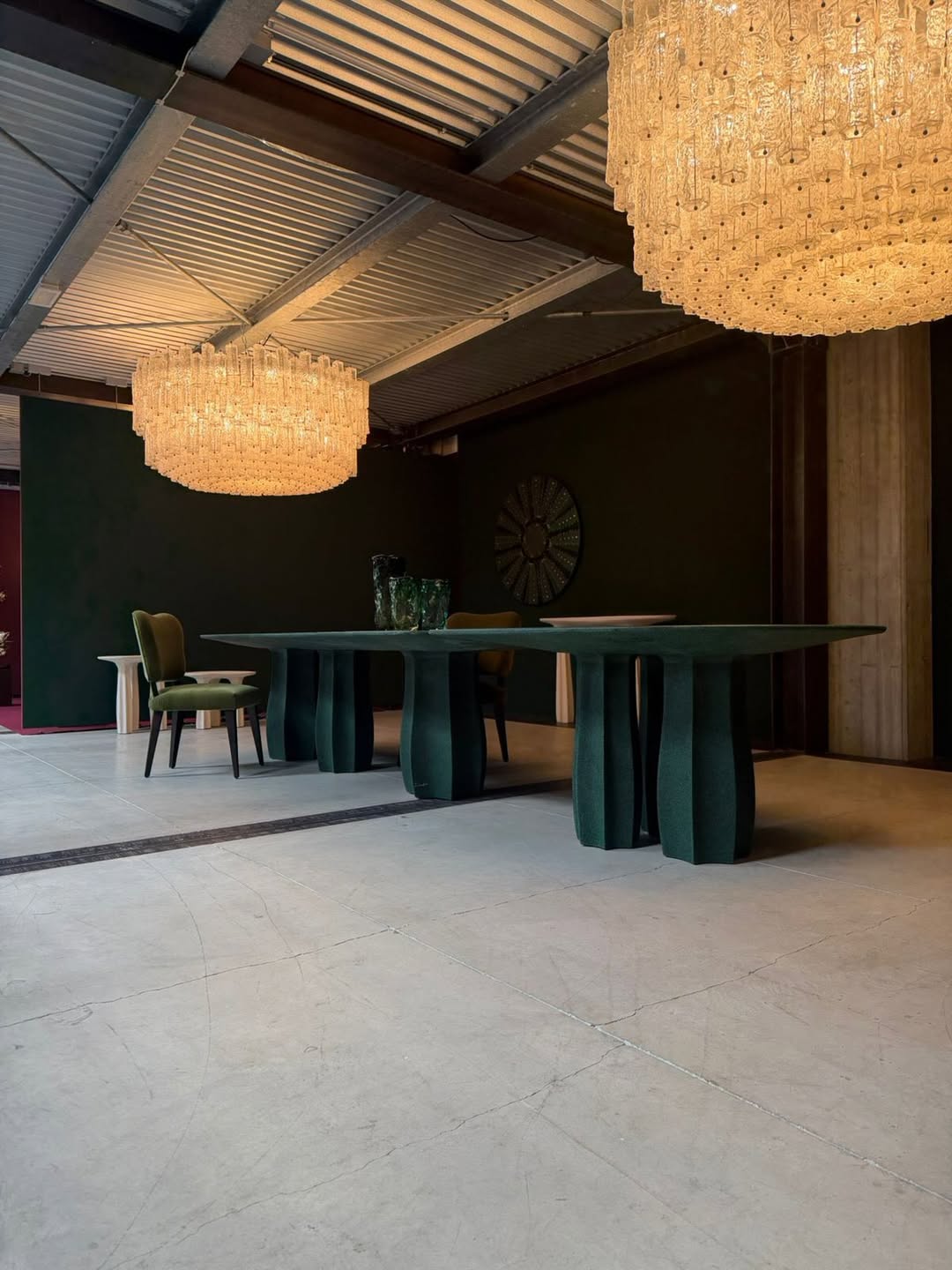
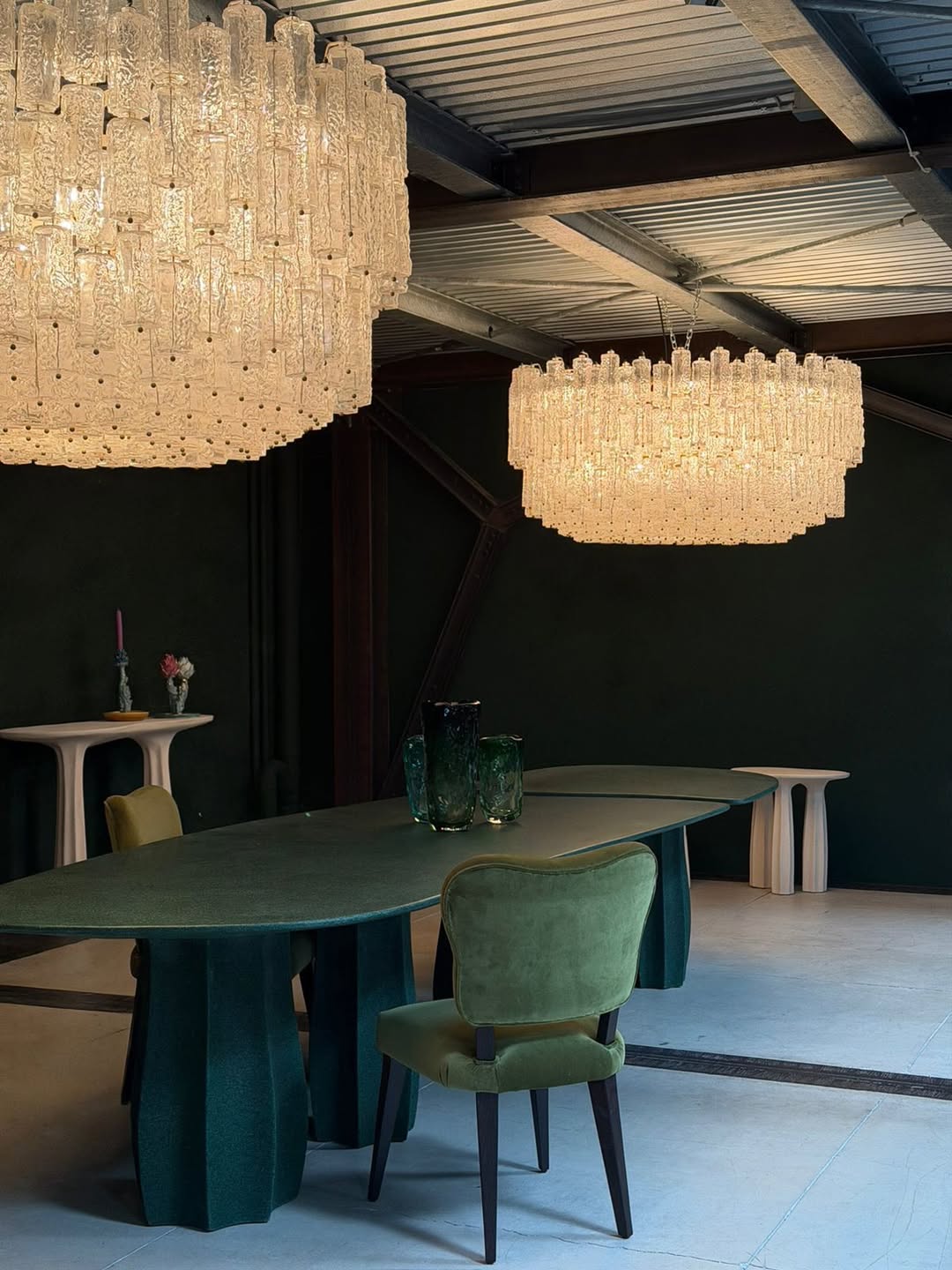
At the Nilufar Depot, the Cactus Collection reinterprets the desert form not as literal motif but as structural metaphor for resilience. A series of tables and consoles composed of marble and limestone particles bound with resin and cast in 3D-printed molds, the pieces oscillate between erosion and fabrication, natural reference and constructed form held in precise tension. Within Nilufar’s scenographic setting, they possessed a near-museological authority.
Fadi Yachoui / Atelier L’inconnu (Lebanon)
La Volupté: Unfolding arrived at Galleria Rossana Orlandi carrying four years of accumulated meaning. The collection made its international debut at SaloneSatellite in 2022, found its most powerful expression at Womb of a City during WeDesignBeirut, concluding with “The Cut,” a performative severing of the cord binding the collection’s forms together, and won the Créateurs Design Award for Best Collection in Paris earlier this year, selected by a peer jury of over 300 international design leaders from a shortlist that included Vincenzo De Cotiis. In Milan, five limited-edition pieces were presented: La Volupté (the chair), The Long Wait (the bench), The Conversation We Never Had (a conversational table where two forms incline toward one another, almost touching), Distilled Intimacy (the stool), and The Embrace (the love seater). All hand-sculpted in resin and natural rattan by master weavers in Lebanon, the works carry within them a wicker-weaving tradition that is now genuinely endangered, threatened not only by generational discontinuity but by the conditions of the country itself.

Rania Hamed (Lebanon)
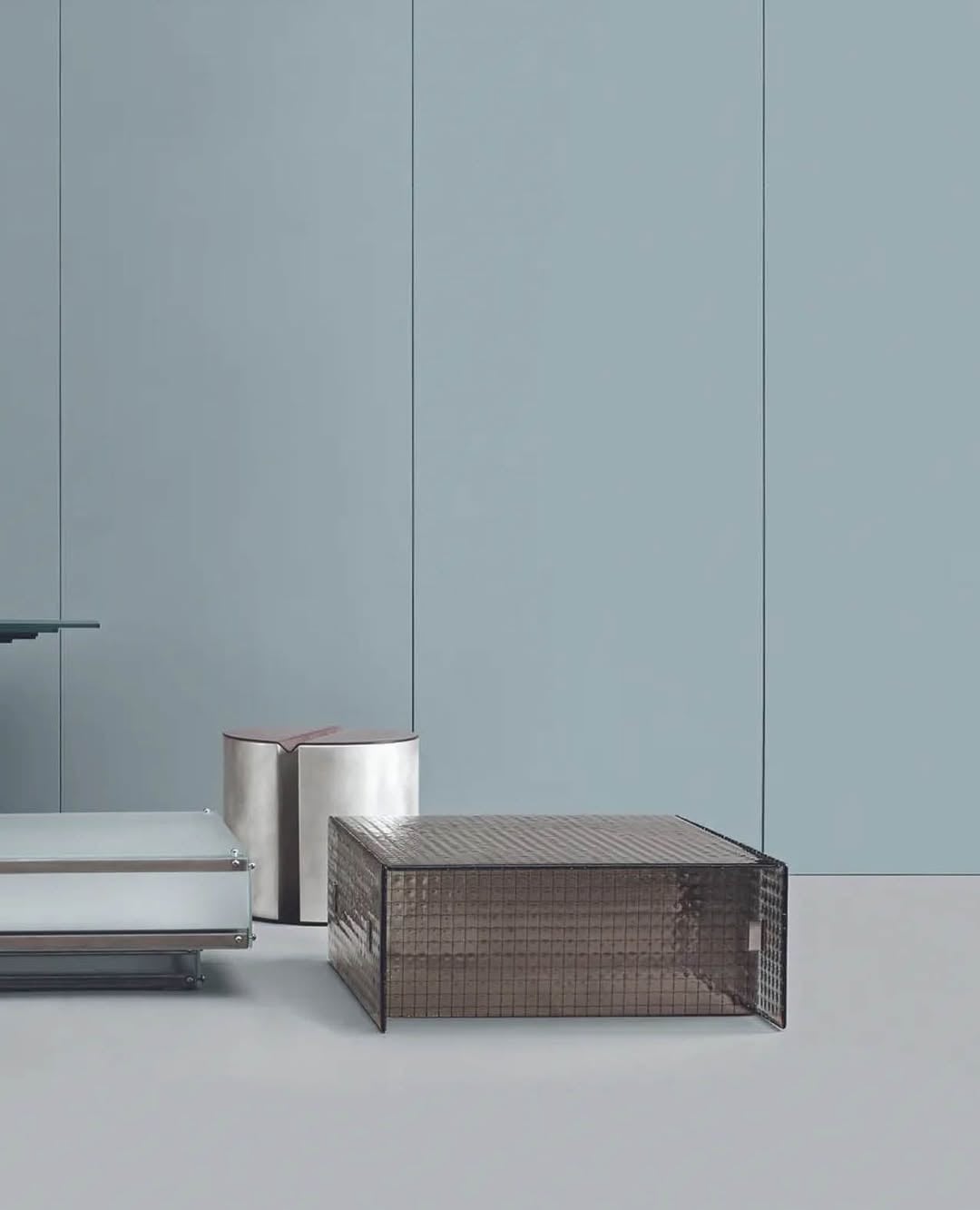
Ommi, presented as part of Gallotti & Radice’s Tales in Glass exhibition at Palazzo Meli Lupi di Soragna, is a side table crafted from cast transparent wired glass and bronze-coloured glass, a precise and refined contribution to a show celebrating 70 years of the Italian glass pioneer. Understated in the best sense: a piece that earns its place through material intelligence rather than visual volume.
Bernard Khoury (Lebanon)
The Lebanese architect contributed If Only Françoise Knew to THE LINE’s debut exhibition 7+1 Acts of Survival in the Porta Venezia district, a monolithic stone table marked by irregularities that speaks to survival through chance and disruption. The work is shaped from a uniform block of ancient black African stone, and carries a weight that is as much psychological as physical.
AAU Anastas — Elias & Yousef Anastas (Palestine)
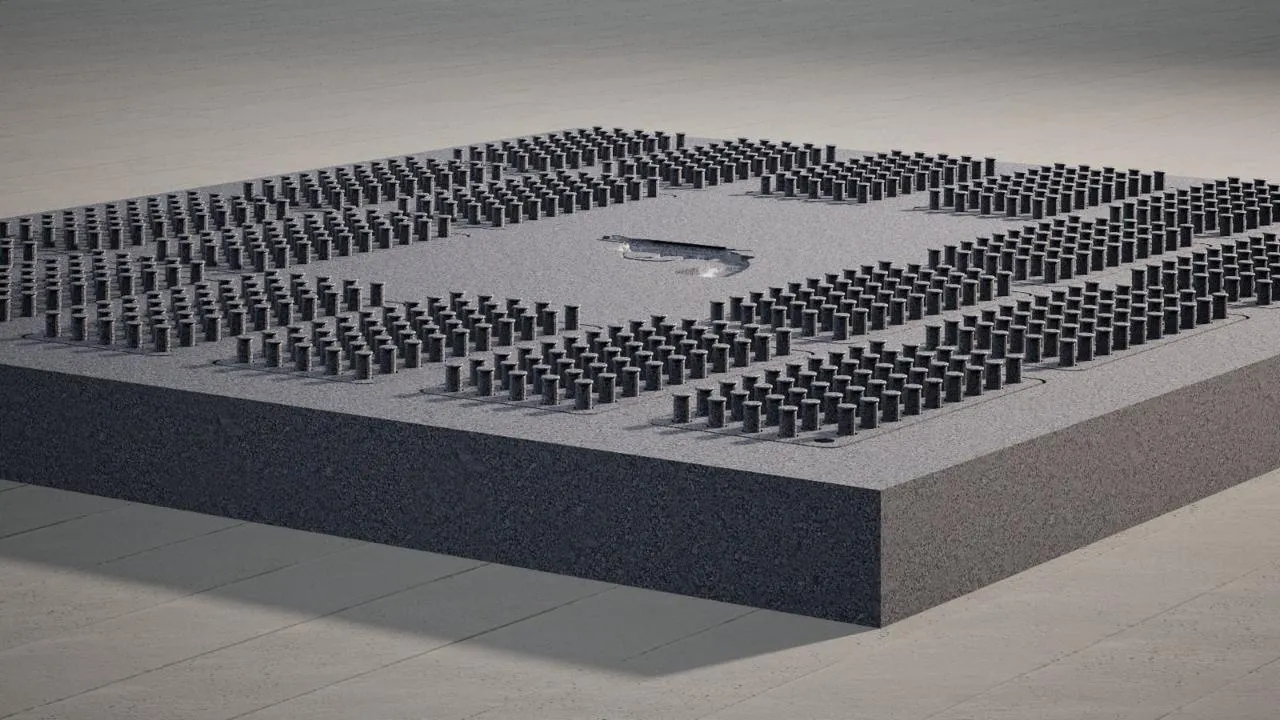
Maurizio, also within 7+1 Acts of Survival, is a stone table whose structural integrity relies entirely on balance — no adhesive, no fastening, only the precise interlocking of form. The work opens a research trajectory focused on memory and the archaeology of the future. Elias and Yousef Anastas’s continued international presence in the discourse around material, place, and displacement is one of the quiet but important stories of this year’s Design Week.
Sanad Khoury / Plazuli (Palestine + Jordan)
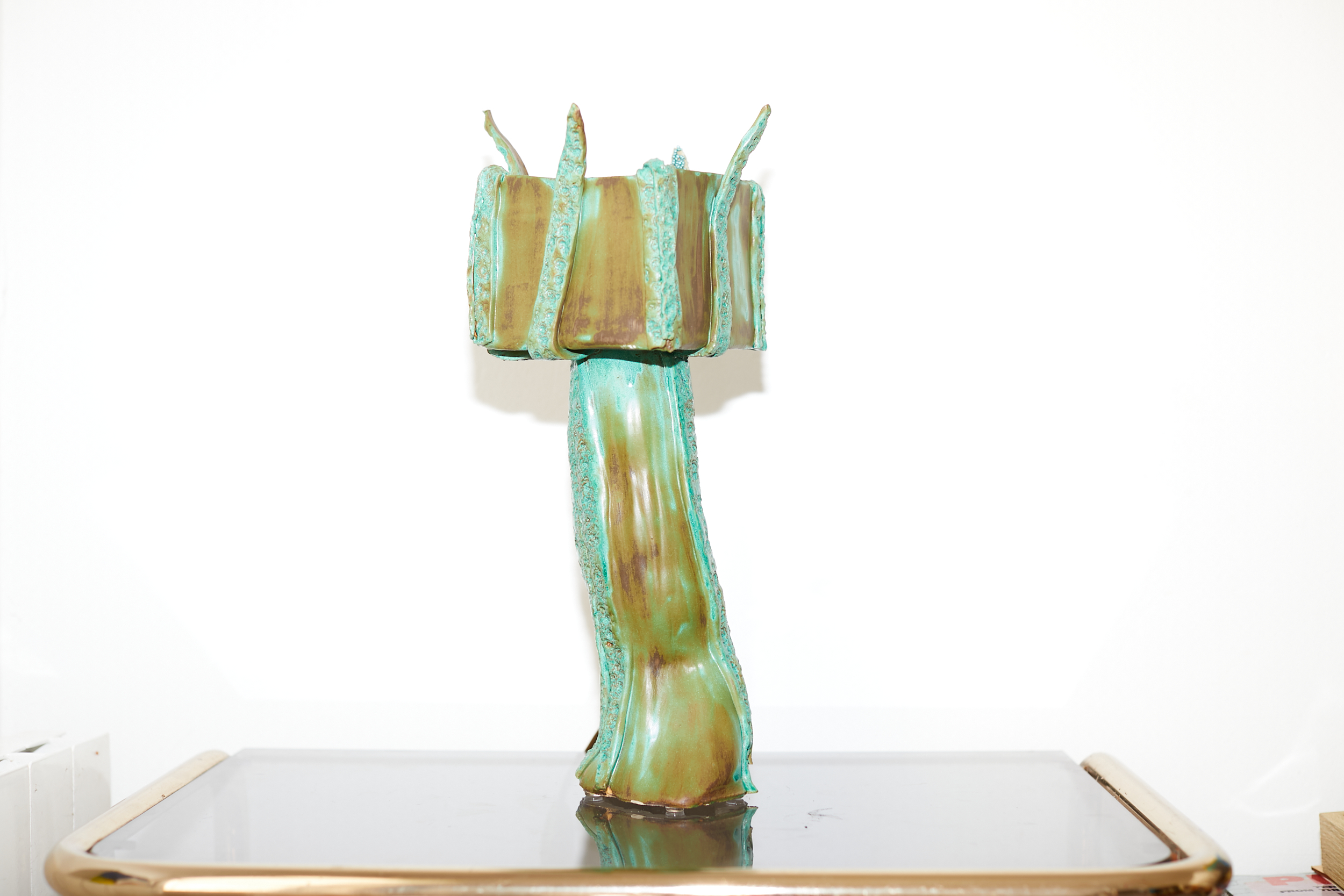
UTTU.O, presented at the Isola Design Gallery as part of the Fondazione Kenta exhibition at Fabbrica Sassetti, explores femininity as a material language through surface, light, and craft. The collection of ceramic lamps draws on textile traditions, translating lace, ornament, and pattern into sculptural ceramic form, with layered glazes evoking coastal Mediterranean textures: algae, erosion, organic growth. Lace functions as a filter for light, casting soft, patterned shadows that extend the textile language into space. The pieces sit between collectible design and functional sculpture, reimagining the domestic object as simultaneously intimate and monumental.
Helix Bespoke Studio (Algeria)
Founded by Katia Luna Benaï, Helix Bespoke Studio crafts bespoke sculptural furniture in collaboration with master artisans in Italy, blending the traditions of Amazigh culture with contemporary design; hand-carved wood, polished metal, fine leather and luxurious textiles produced with a precision that treats North African heritage not as ornament but as structural principle. The studio exhibited as part of MoscaPartners Variations at Palazzo Litta, placing Amazigh design language within one of the week’s most significant institutional settings.
Abdulla Buhijji (Bahrain)
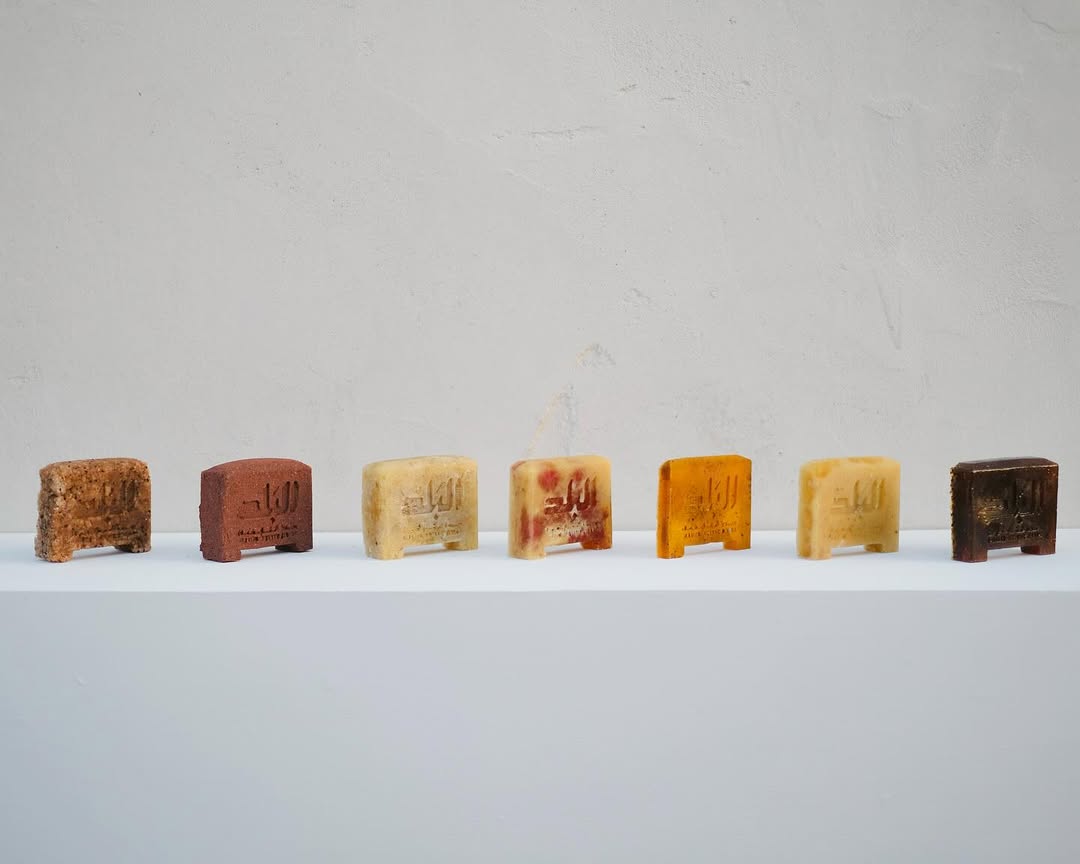
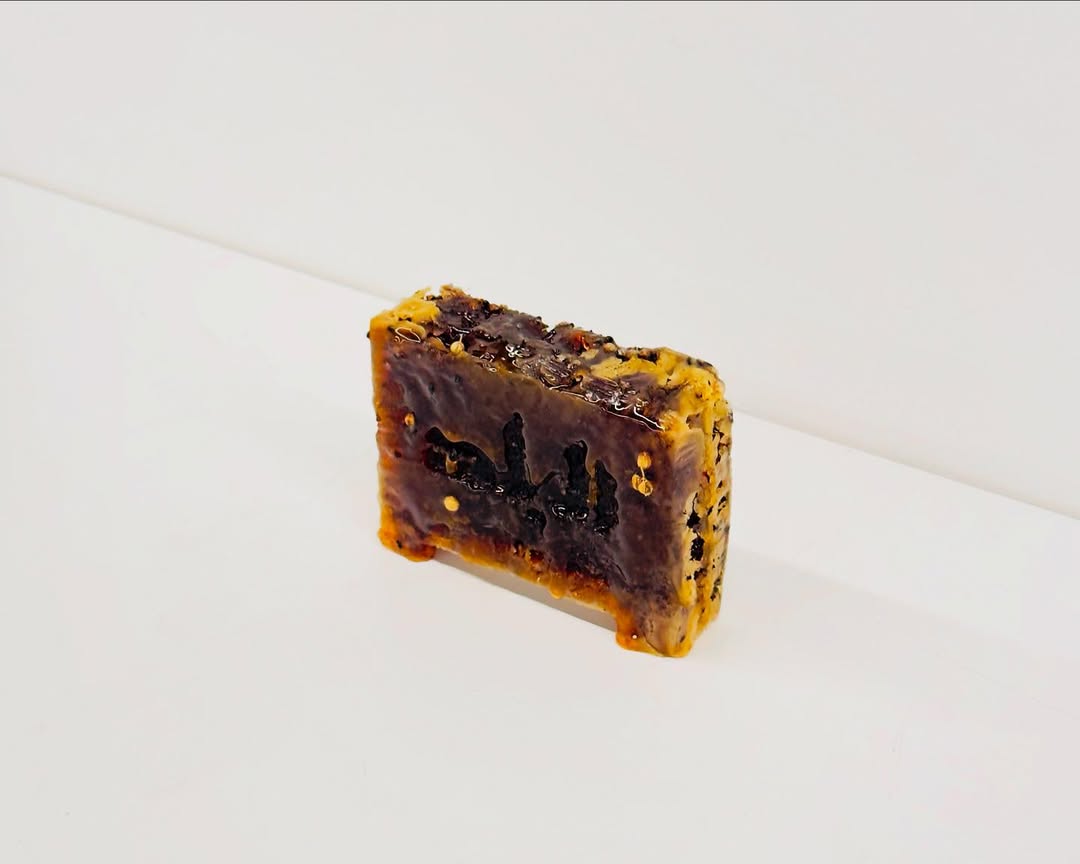
Open Apothecary, spotlighted within the Ithra exhibition at the Isola Design Festival, is an incense-based sensory project exploring the rituals and materiality of Arabian fragrance culture. Rooted in Gulf sensory tradition and reframed as collectible design, the work formed part of a broader showcase of regional creativity at one of the week’s most prominent MENA-focused platforms.
Etereo (UAE + Italy)
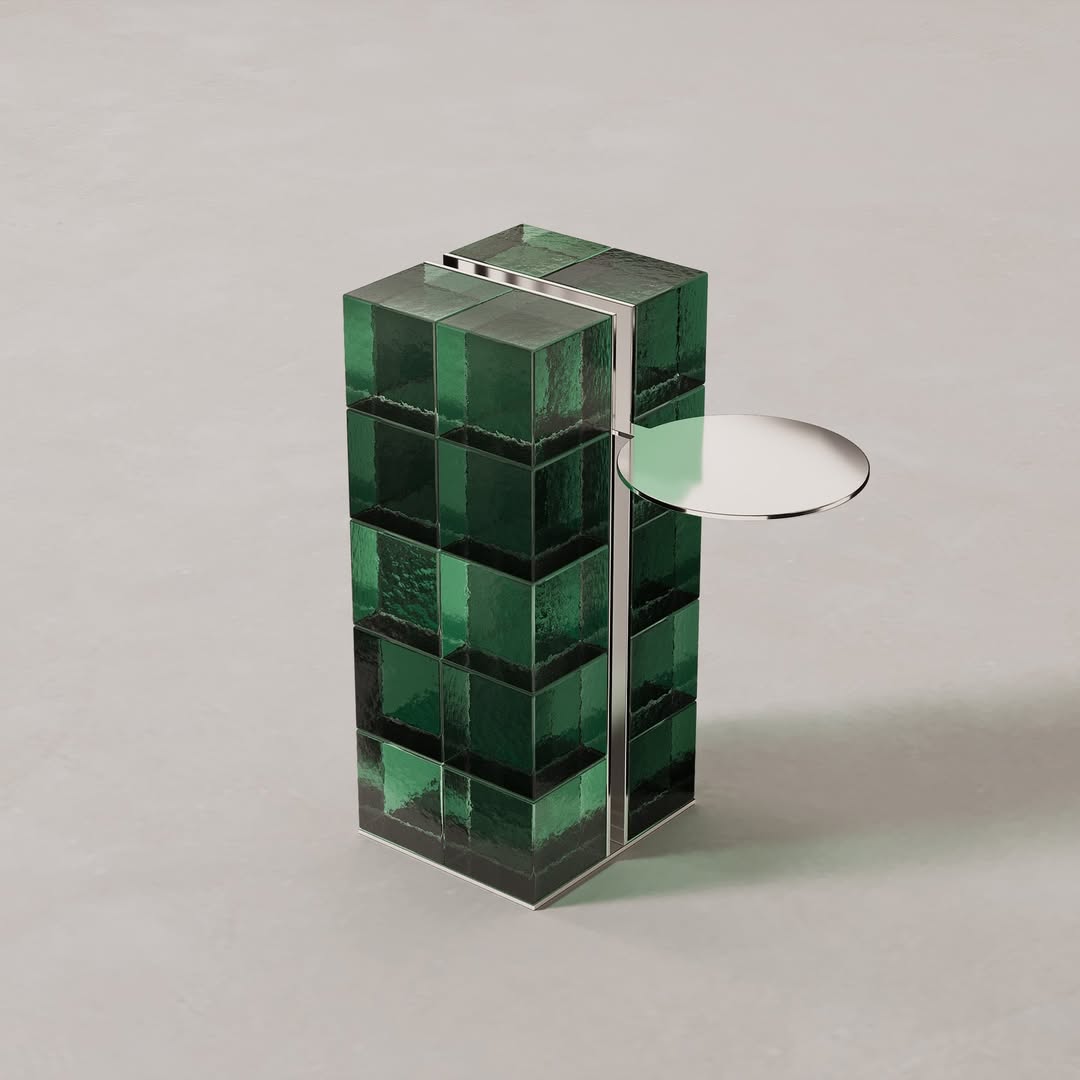
Rather than a single exhibition, Etereo presented a city-wide programme unfolding across four locations as four interconnected chapters: Mo.du.lo at The Pool NYC reinterpreting 1970s glass-block design; Imago at Nilufar Depot converging ceramic, burl wood, and bronze into sculptural seating; Ophelia at Casa Conte balancing quartzite and steel in architectural dining forms; and Medusa at Alimonti Milano treating onyx as draped matter. A cohesive narrative dispersed across the city, each chapter distinct and all of them unmistakably the same voice.
Malak Elzeftawy & Rana Ayman (Egypt)
The Egyptian design duo presented the modular Zahra Stool at the Isola Design Festival, a piece that finds structural rhythm in repetition and material precision. Their presence within Isola’s broader MENA showcase marked a growing visibility for Egyptian design on the international stage.
Nermin Habib (Egypt)
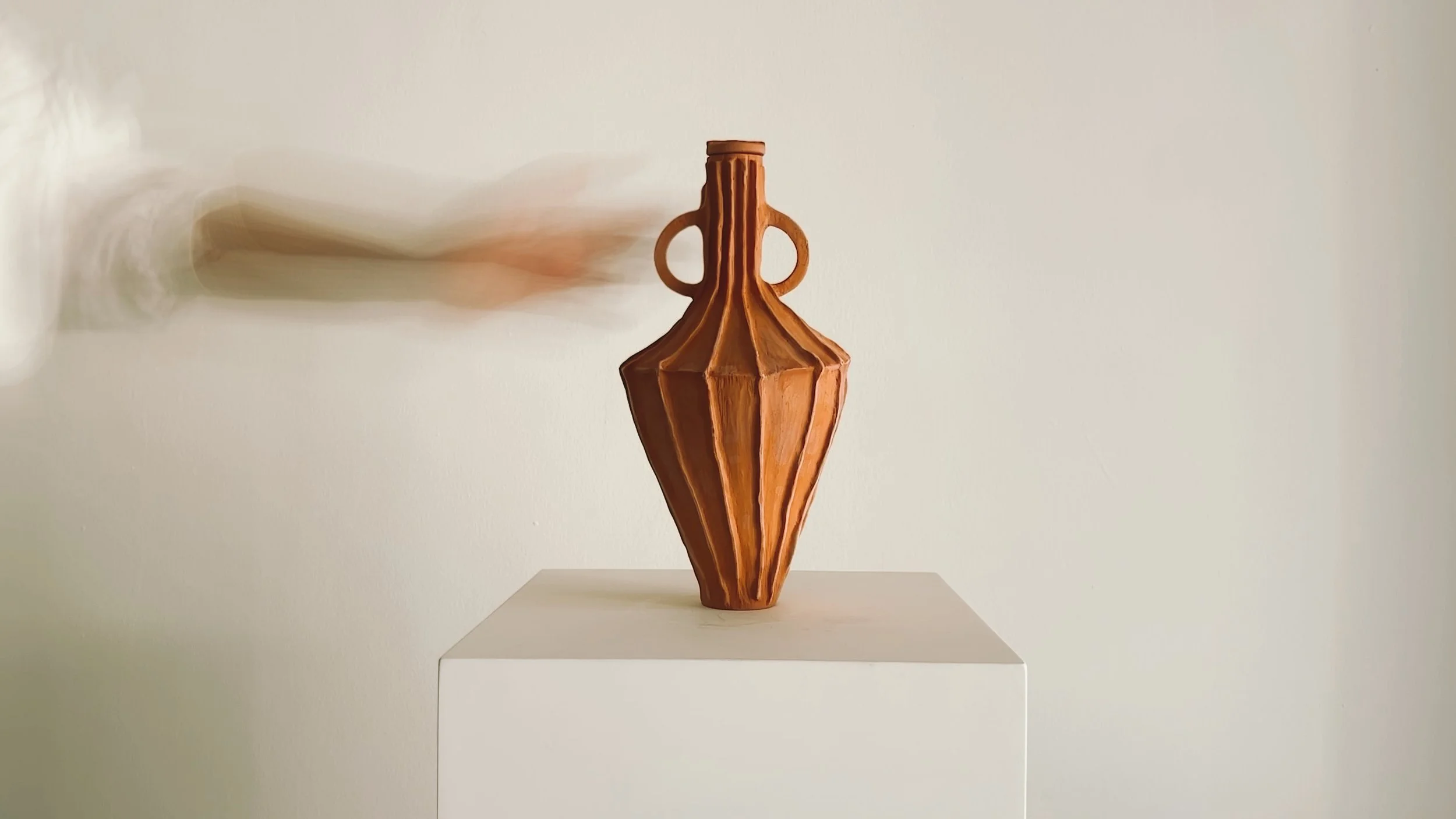
Also presenting at Isola, Nermin Habib reimagined traditional clay vessels as tools for environmental response in her Olla Forms, objects that sit at the meeting point of ancient craft and contemporary ecological thinking.
Mr Johns Goods, JORANI & Design Matter (UAE)
The Rising Talents exhibition at Isola featured a strong UAE showing: Mr Johns Goods’ playful Woaw lighting, Gagan Randhawa’s stacked crystal compositions for JORANI, and Design Matter’s Hala Mareehk rug, a tactile work weaving wool and recycled yarn inspired by the UAE’s Mars mission. Together they represented a Gulf design scene that is finding its voice not through weight and heritage but through lightness, colour, and cultural ambition.
Atelier Elitta (Lebanon)
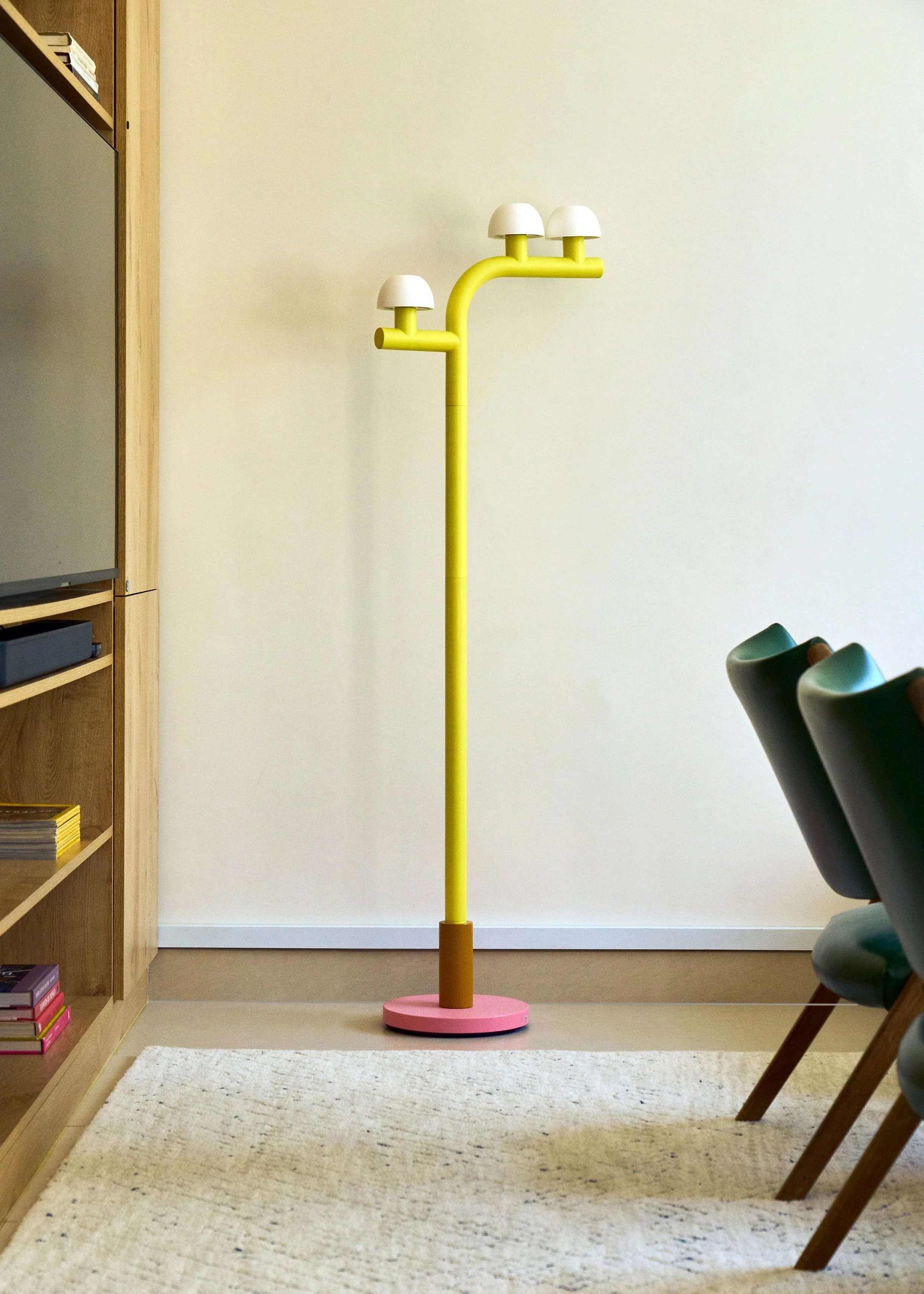
The Butterfly Lounge Chair at Alcova Milano 2026 (Baggio Military Hospital, Stecca Building, Room S3) reflects a practice built on a precise tension: bold enough to anchor a room, considered enough to belong in one. With a background in architecture and a master’s in furniture design from Politecnico di Milano, Elitta approaches collectible design at the intersection of architectural rigour and visual presence, drawing on Lebanon’s Mediterranean craft traditions and refining them through the lens of Milanese elegance and New York dynamism. One of over 120 exhibitors selected for Alcova’s most respected independent showcase, her debut on this stage felt entirely earned.
UNTITLED.studio x GRIDWORK (Lebanon)
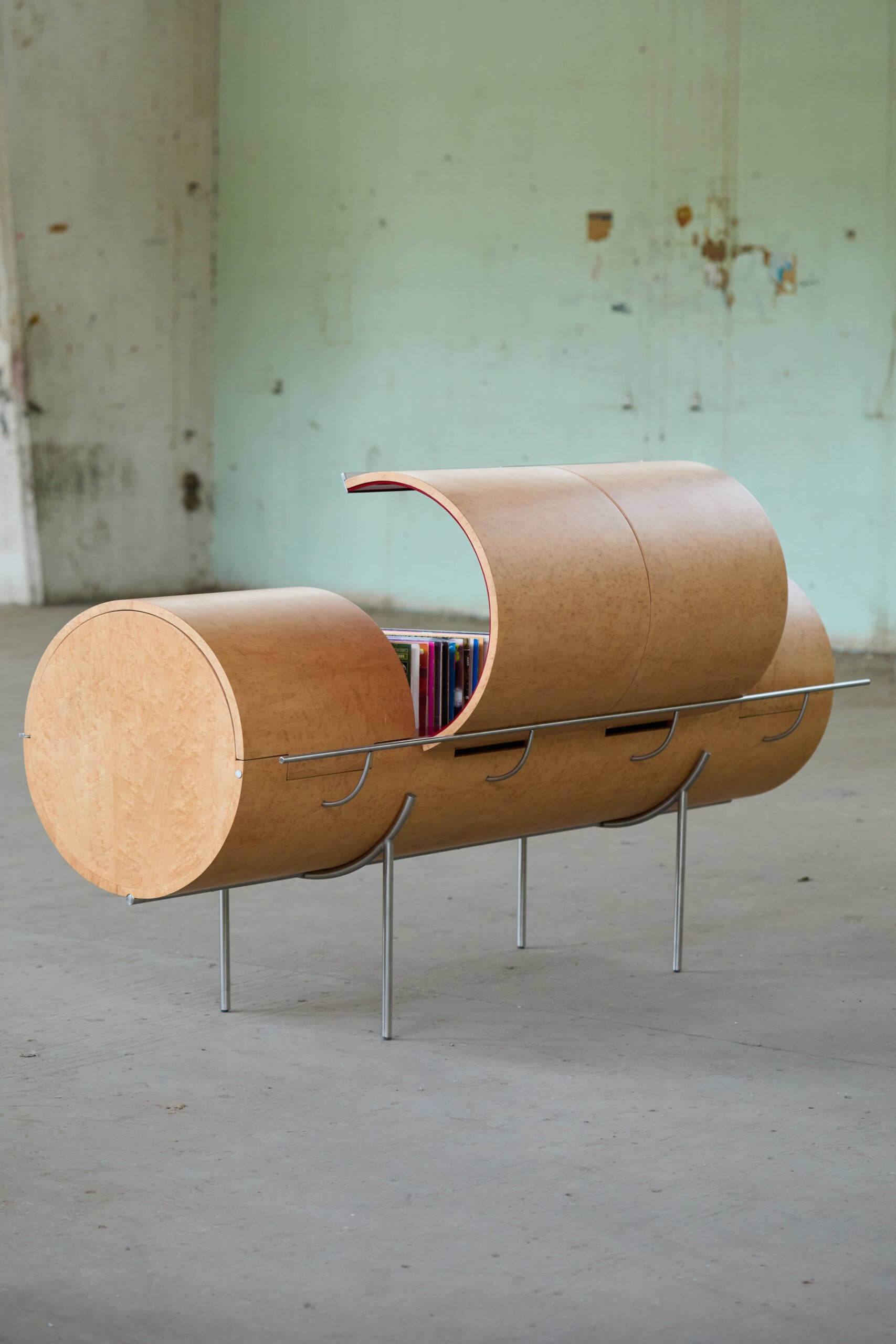
Credenza 01 was first presented at WeDesignBeirut before making its international premiere at Alcova Milano 2026. Built from bent birch veneer formed into a series of cylindrical volumes, each housing concealed storage and open shelving, and elevated on slender steel legs that give the whole structure an almost architectural lightness, the piece was made by Lebanese craftsmen in Beirut. The wood is warm, the steel is spare, and the tension between the two is precisely the point. As Marine Zovighian (UNTITLED.studio) and collaborator Serge El Douaihy (GRIDWORK) put it: “the Credenza offers a quiet insistence, something to gather around, something that stays.” That duality of resilience and restraint, of craft elevated by circumstance, is what makes this debut land with the force of something far larger than a single piece of furniture.
Amr Helmy Designs (Egypt)
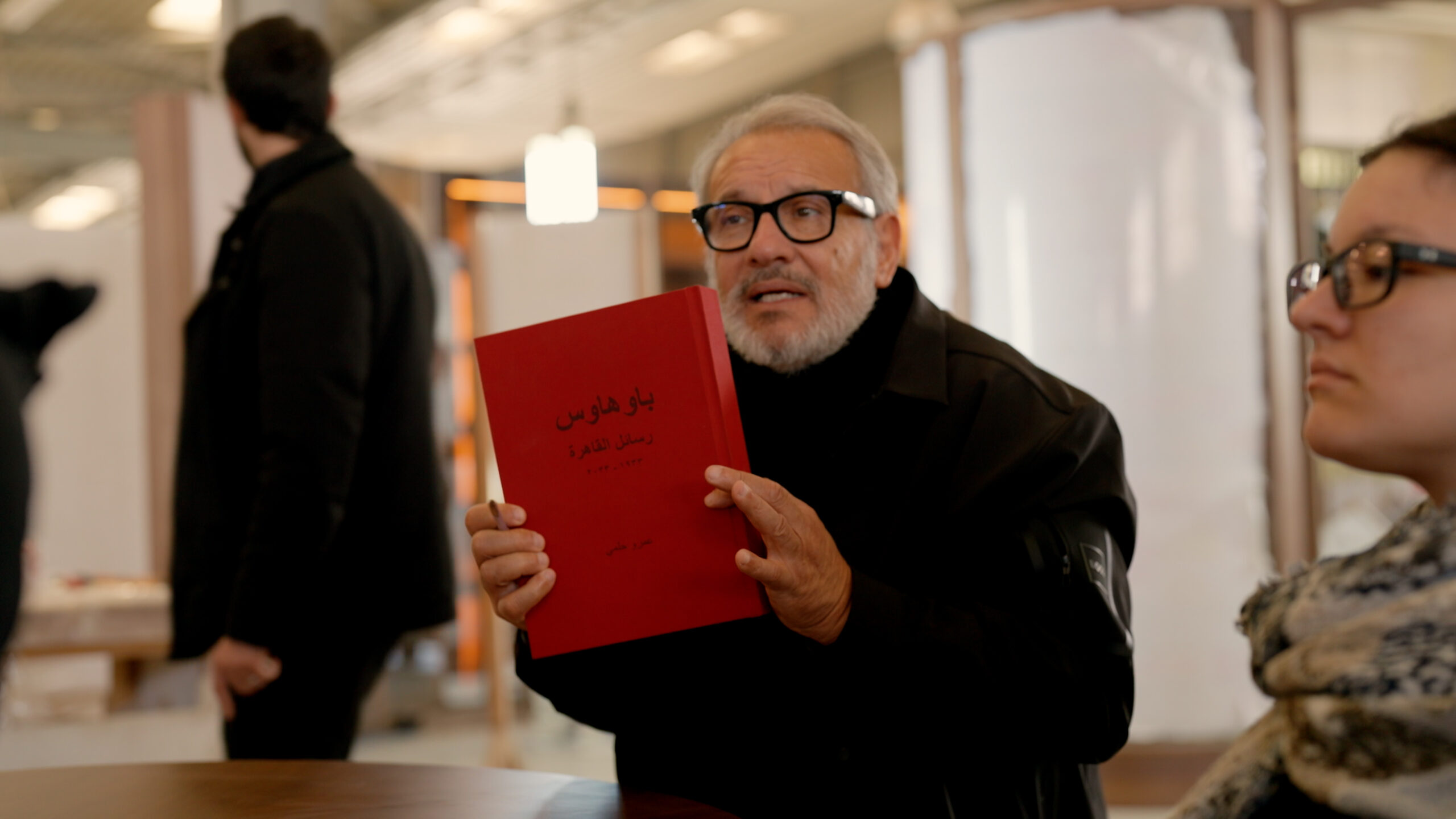
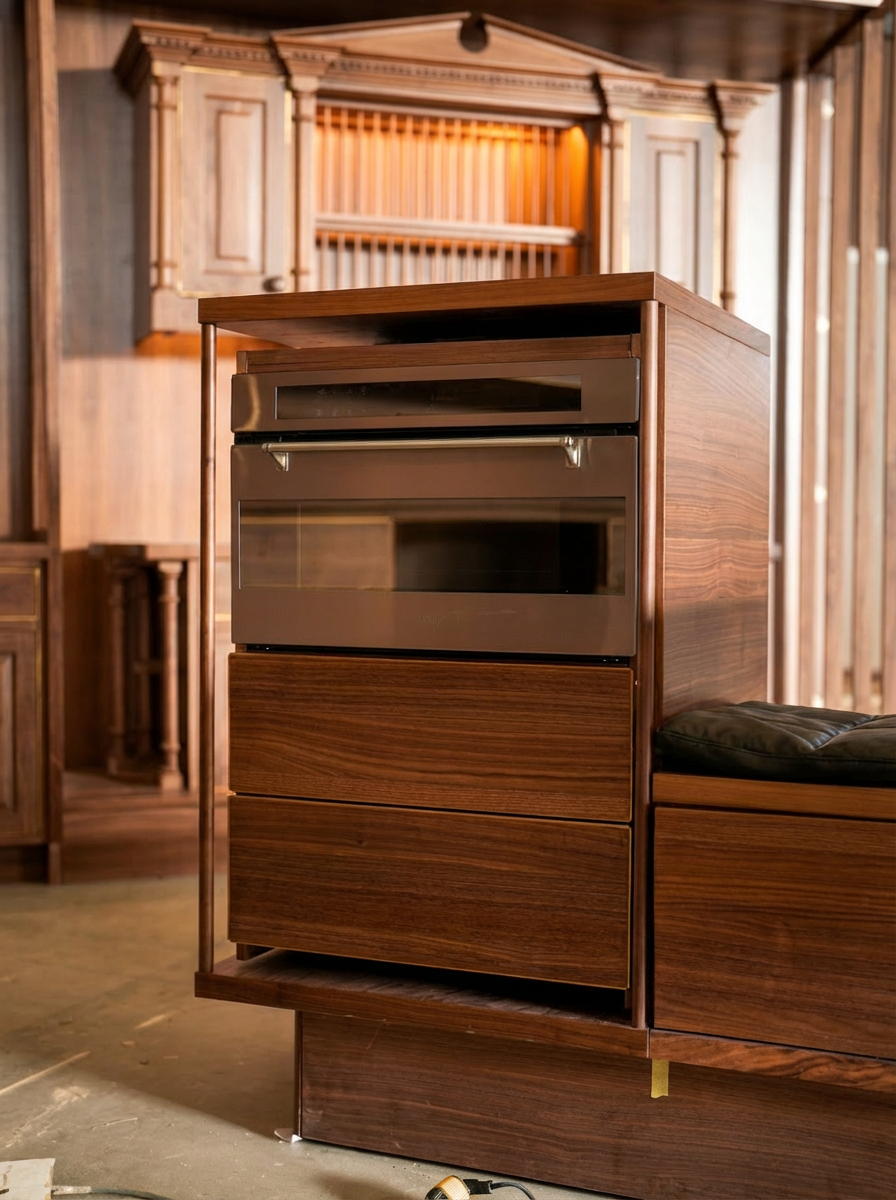
The most conceptually ambitious kitchen shown at EuroCucina 2026, and arguably the most philosophically charged Arab presentation of the entire week, arrived from Cairo. Three Kitchens. Three Positions. One Question unfolds as a sequence of three distinct environments, each staking out a position in design history: the Victorian capsule, governed by ritual, hierarchy, and inherited behaviour; the Bauhaus capsule, reduced to function, discipline, and ideological clarity; and the Isistron capsule, where automation reorganises space and a curated body of foundational texts becomes the only constant. The central question threading through all three: should design move forward, step back, or stand still? The exhibition was born from Helmy’s book Bauhaus: The Cairo Letters 1933–2033, making it an exercise in what he calls Authorial Design, architecture constructed through written narrative before it becomes space. With over 45 years of practice and a methodology rooted in Egypt not as visual reference but as a framework for thinking, Helmy arrived at Salone del Mobile Pavilion 2 as one of the most singular voices in this year’s entire showing.