
News


There are certain places that exist almost entirely in the imagination. That is, until you arrive and they materialise, sometimes even surpassing expectations. Hôtel de Paris Monte-Carlo is one of them. Before I even set foot inside, Monte Carlo already carried the weight of cinema and mythology for me, visions shaped by films like GoldenEye and To Catch a Thief, where elegance, glamour, and drama silhouette the cityscape. But nothing quite prepares you for the reality of stepping into a place that has been defining luxury since 1864.
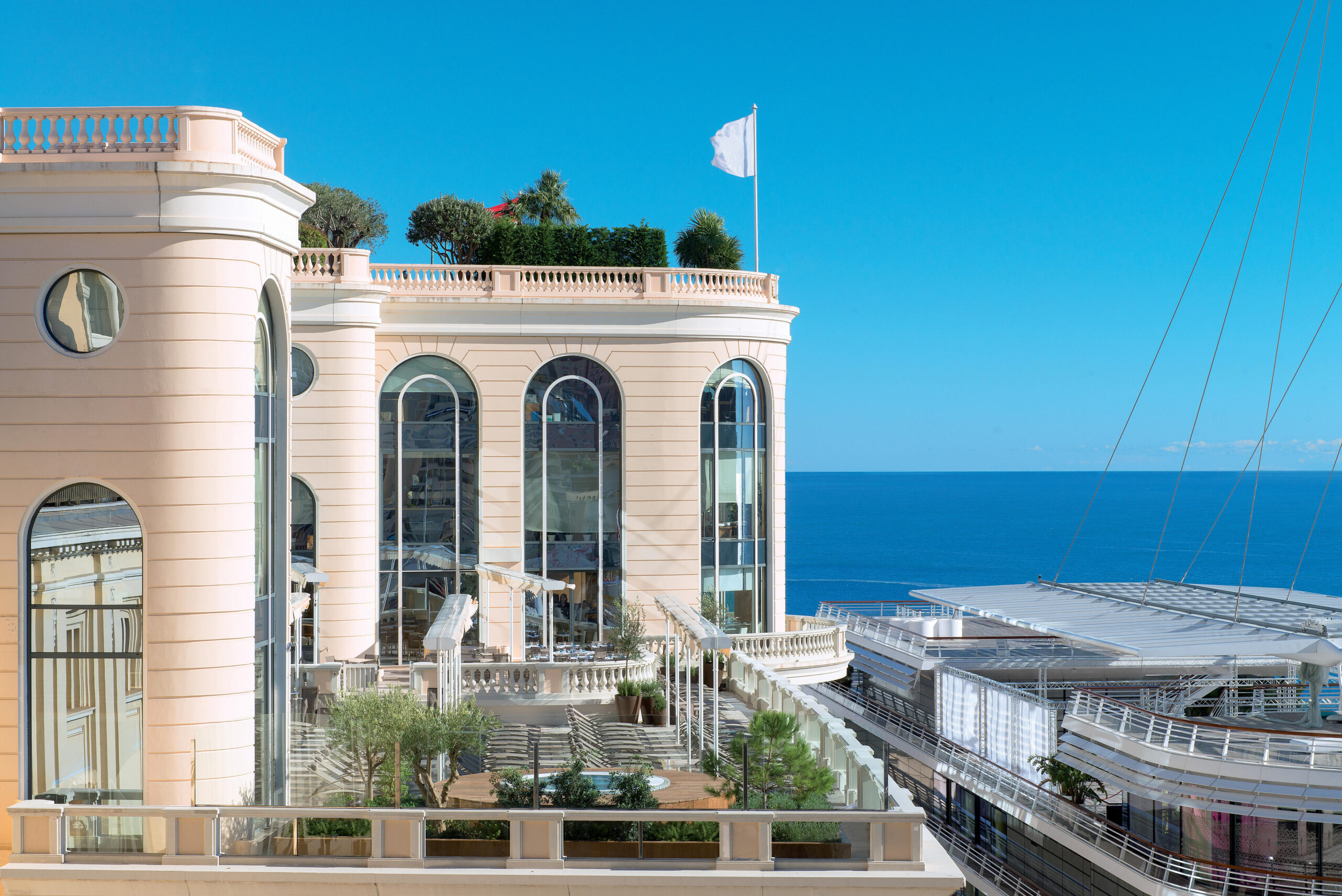
From the moment I arrived, it was clear that the hotel leans into experiential theatre. Built by François Blanc as part of an ambitious vision to transform Monaco into a destination for the world’s elite, the hotel has always been about experience as much as architecture. That legacy is still deeply felt. There is a rhythm to the arrival, pulling up to the hotel, heading up the steps, the quiet choreography of staff, the buzz of Place du Casino just beyond the doors. It feels less like checking in and more like being welcomed back.
And the service is where true luxury comes into focus. It’s more than attentive, it’s intuitive. Every interaction felt personal without ever being intrusive. There’s a genuine pride among the staff, a sense that they are custodians of something historic. This translates into a level of care, an increasingly rare feature of the hospitality industry.
The room itself carried a perfect balance of history and modernity. Following a major renovation completed in 2020, the hotel deliberately reduced the number of rooms to create larger, more open spaces, and you feel that immediately. Mine felt like a Parisian pied-à-terre, with high ceilings, soft light, and materials that reflected a clear attention to quality, marble, silk, polished wood. Every detail had been considered, from the weight of the linens to the way the space opened to the outside. It’s a design philosophy rooted in comfort rather than spectacle, and it works.
The real magic of the hotel reveals itself as you move through its spaces. The central patio, now home to Cedric Grolet Monte-Carlo, is one of those rare environments that feels both vibrant and calm. Sitting there in the morning, surrounded by light and the quiet rhythm of the hotel enhances the sense of ease. Grolet’s presence brings a contemporary edge to the hotel’s gastronomic legacy, playful, precise, and deeply visual.
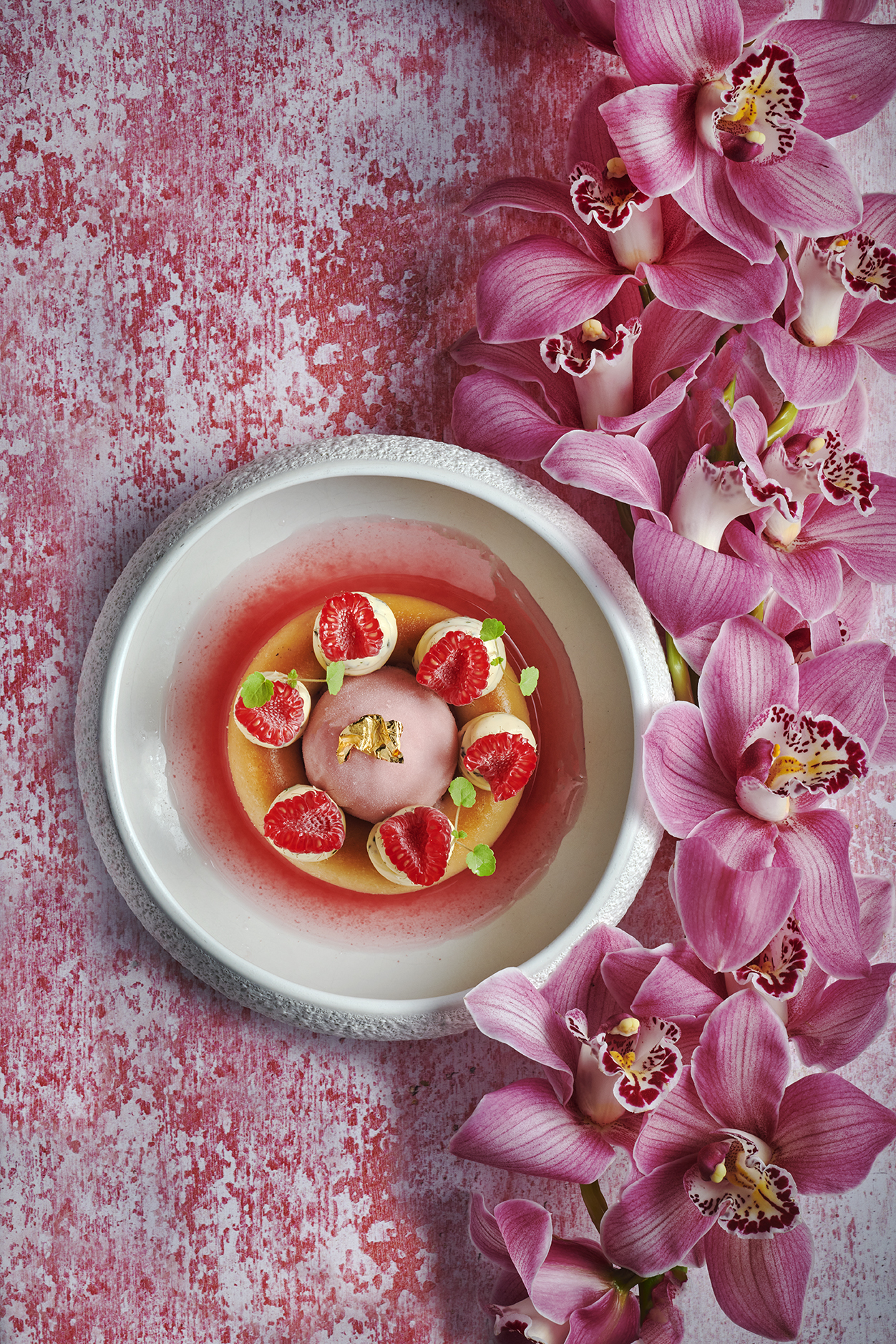
Of course, gastronomy here is not an afterthought, it’s foundational. This is a hotel that helped shape modern haute cuisine, from the influence of Auguste Escoffier to the arrival of Alain Ducasse, whose Le Louis XV became the first hotel restaurant in the world to earn three Michelin stars. Even if you don’t dine there, its legacy defines the culinary standard across the property.
For me, dinner at Le Grill was a moment to remember. Perched on the top floor, the restaurant already impresses with sweeping views over the Mediterranean. Then the roof retracts. Suddenly, you’re dining under the open sky, the stars creating a shift from the ordinary to something more dreamlike. It’s theatrical, but it never feels forced. The food matches the setting, refined, seasonal, rooted in the Riviera yet elevated with precision.
Beyond the hotel, the experience continues to expand. A short walk brings you to Café de Paris Monte-Carlo, perfect for people-watching and absorbing the energy of the square. Later in the evening, spaces like Buddha-Bar Monte-Carlo offer a completely different mood, more immersive and rhythmic. What struck me most is that while these venues are distinct, they feel connected, part of a wider, carefully curated experience.
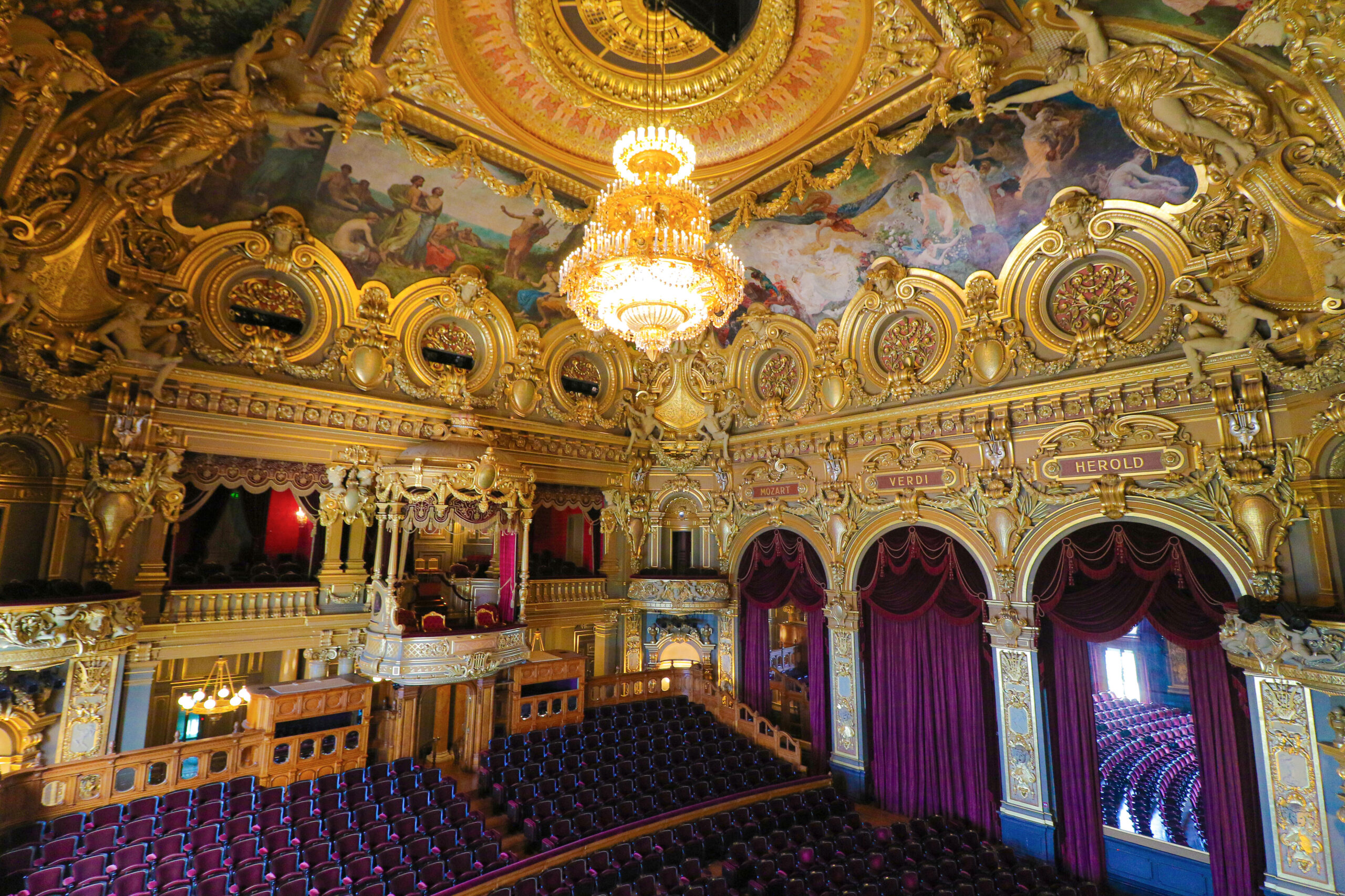
Back inside the hotel, there are quieter moments that stay with you just as much. Le Bar Américain, with its live music and warm interiors, feels timeless. Then there are the wine cellars, a hidden world beneath the hotel, housing an archive of hundreds of thousands of bottles.
And yet, for all its grandeur, what defines the Hôtel de Paris Monte-Carlo is how personal it feels. This is a place that has hosted everyone from royalty to artists, from Winston Churchill to Charlie Chaplin, but it never feels exclusive in a way that alienates. Instead, it invites you in, allowing you to momentarily inhabit that same world.
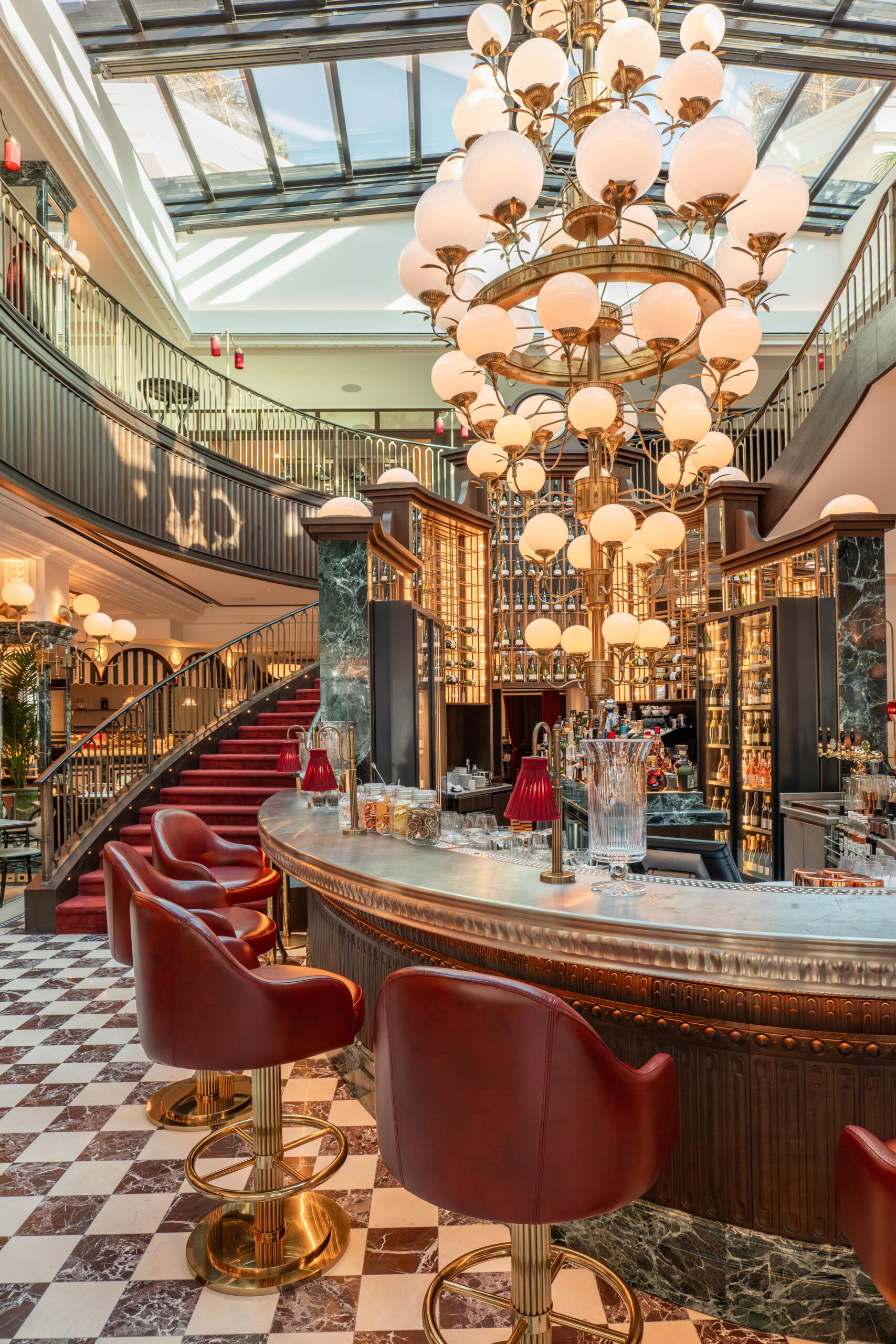
What stayed with me most was the consistency of the experience. Luxury can often feel performative, but here it feels lived-in. The service, the spaces, the history, they all align to create something that is both deeply rooted in history yet constantly evolving.
It’s easy to call it a bucket-list destination, but that doesn’t quite capture it. This is not just a place you visit, it’s one you inhabit and remember in layers. And long after leaving, it lingers, not just as a memory of where you stayed, but as a feeling of how you were made to feel while you were there.


