News


It’s nothing revolutionary to say that we are a society with little concentration and a major phone addiction. This past year, the debate around “anti-intellectualism” has taken over the internet as reading has been accused of being “performative’, as though growing your knowledge and widening your view of the world can only be done for others. In truth, it doesn’t really matter why you read – just that you do. Our days are filled with 15 to 45-second clips that are full of stimulation and rarely have any meaning. Now, this isn’t always a bad thing; sometimes we need a doomscrolling session after a long and tiring day, but the point is that these minuscule moments of stimulation make us feel like watching a movie equals productivity. Some of us were avid readers growing up and want to get back into reading, while the rest of us were never readers and have nowhere to begin.
The year has only began are we are already spoilt with choice. Here are the books we’re most excited to read coming in 2026
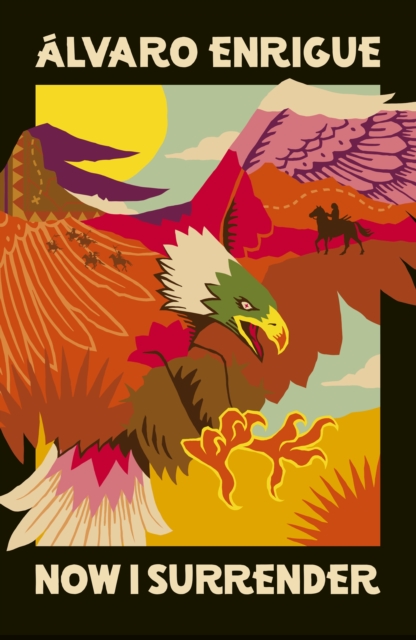
Now I Surrender by Álvaro Enrigue – March 3, 2026
Now I surrender tells a reimaged story of the Americas, mixing factual history with fictional elements. The book follows a womens escapse to the desert after her husband’s ranch is destroyed by a raid; meanwhile, a lieutenant colonel is sent on a mission to catch cattle rustlers but discovers himself in pursuit of a greater abduction. Years later, the U.S. and Mexican armies are attempting to get the greatest Apache warrior, Geronimo, to surrender, while a family goes on an exploration to discover history’s hidden truth, uncovering themes of survival, politics, and our crafted memories.
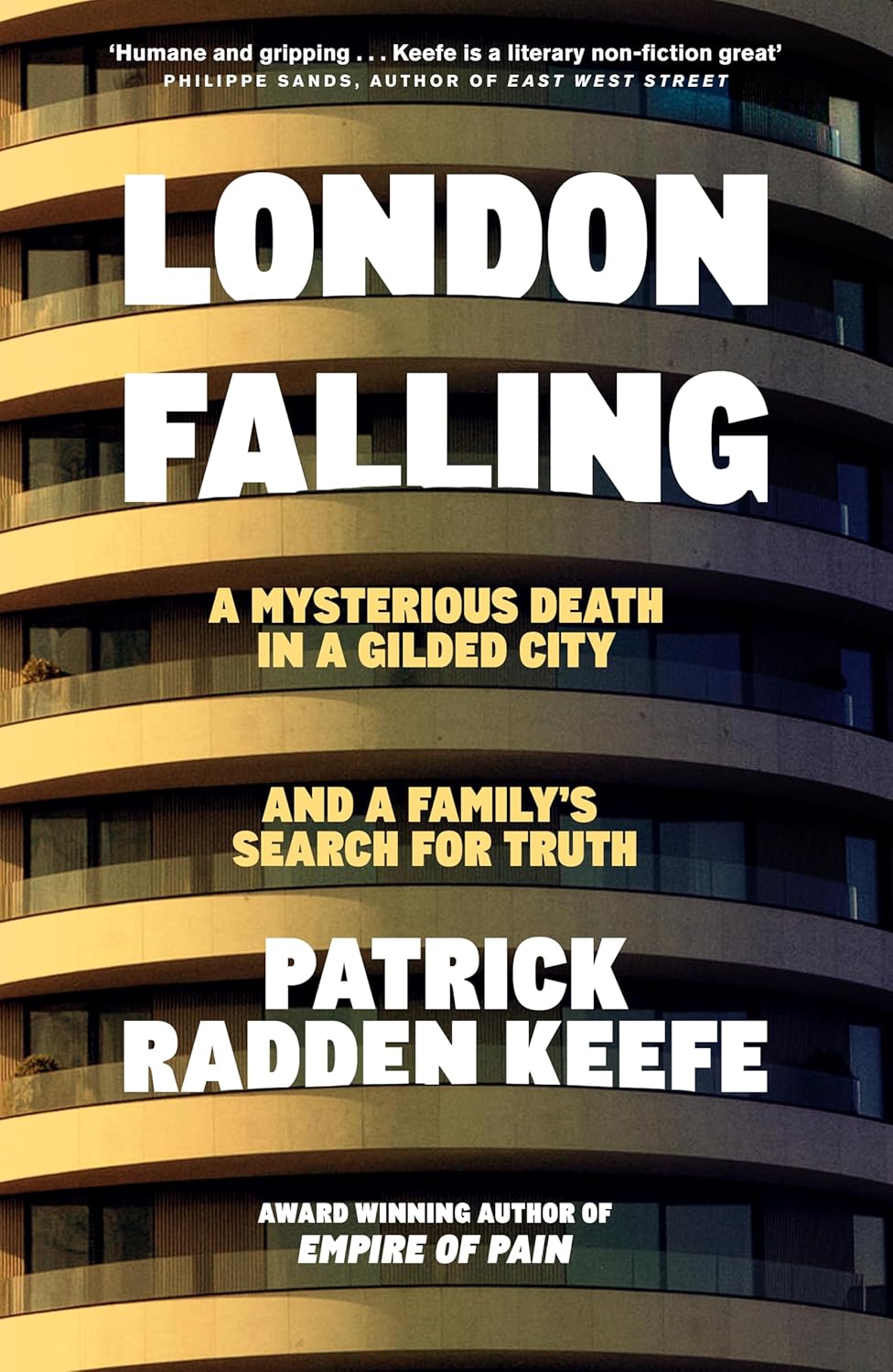
London Falling by Patrick Rodden Keef – April 7, 2026
Investigative reporter and staff writer for The New Yorker, Patrick Radden Keefe’s London Falling: A mysterious Dead in a Gilded City and a Family’s Search for Truth takes readers on a journey to London’s nefarious underground.
Set in 2019, Rachel and Matthew Brettler are awoken to news that their son Zac, caught on MI6 cameras, has jumped into the River Thames. Grief-stricken, Matthew sets out on a quest to understand their son’s sudden suicide, soon discovering that he didn’t know Zac as well as he thought he did. The parents learn Zac was involved with a dangerous London gangster, Akbar Shamji, under a new identity as Zac Ismailov, the son of a Russian oligarch. The Brettlers soon understand that their son’s death may not be what it seems.
The novel is inspired by Keef’s many acclaimed works, including “Rogues: True Stories of Grifters, Killers, Rebels, and Crooks,” “Empire of Pain: The Secret History of the Sackler Dynasty,” and “Say Nothing: A True Story of Murder and Memory in Northern Ireland.”
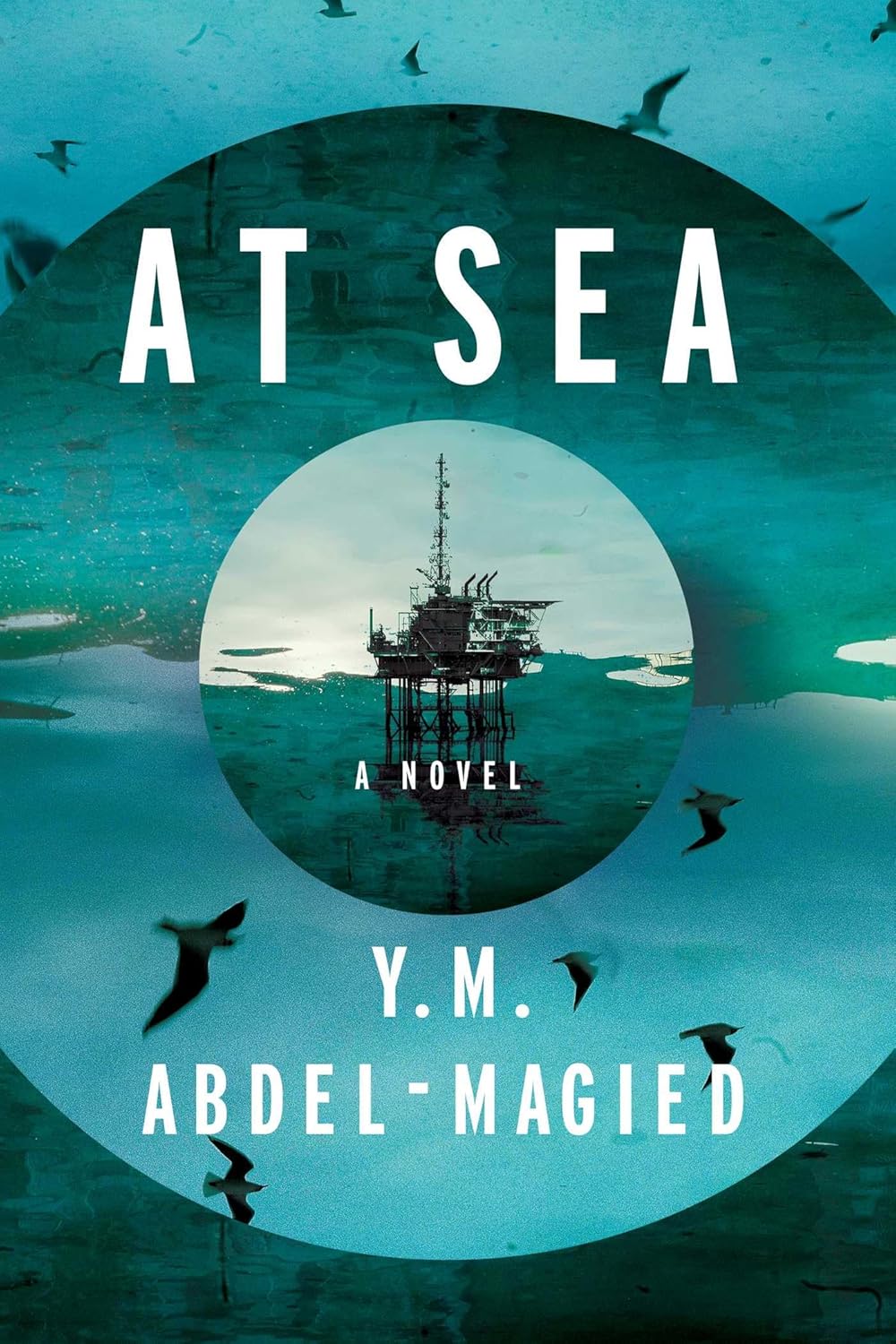
At Sea by Y.M. Abdel Magied – May 5, 2026
Inspired by the Sudani-Australian author’s personal experiences, the novel follows Zainab as the only woman working on and overseeing an operation at an oil rig at the brink of disaster. The novel discusses gender politics through what is described as a “climate thriller.”
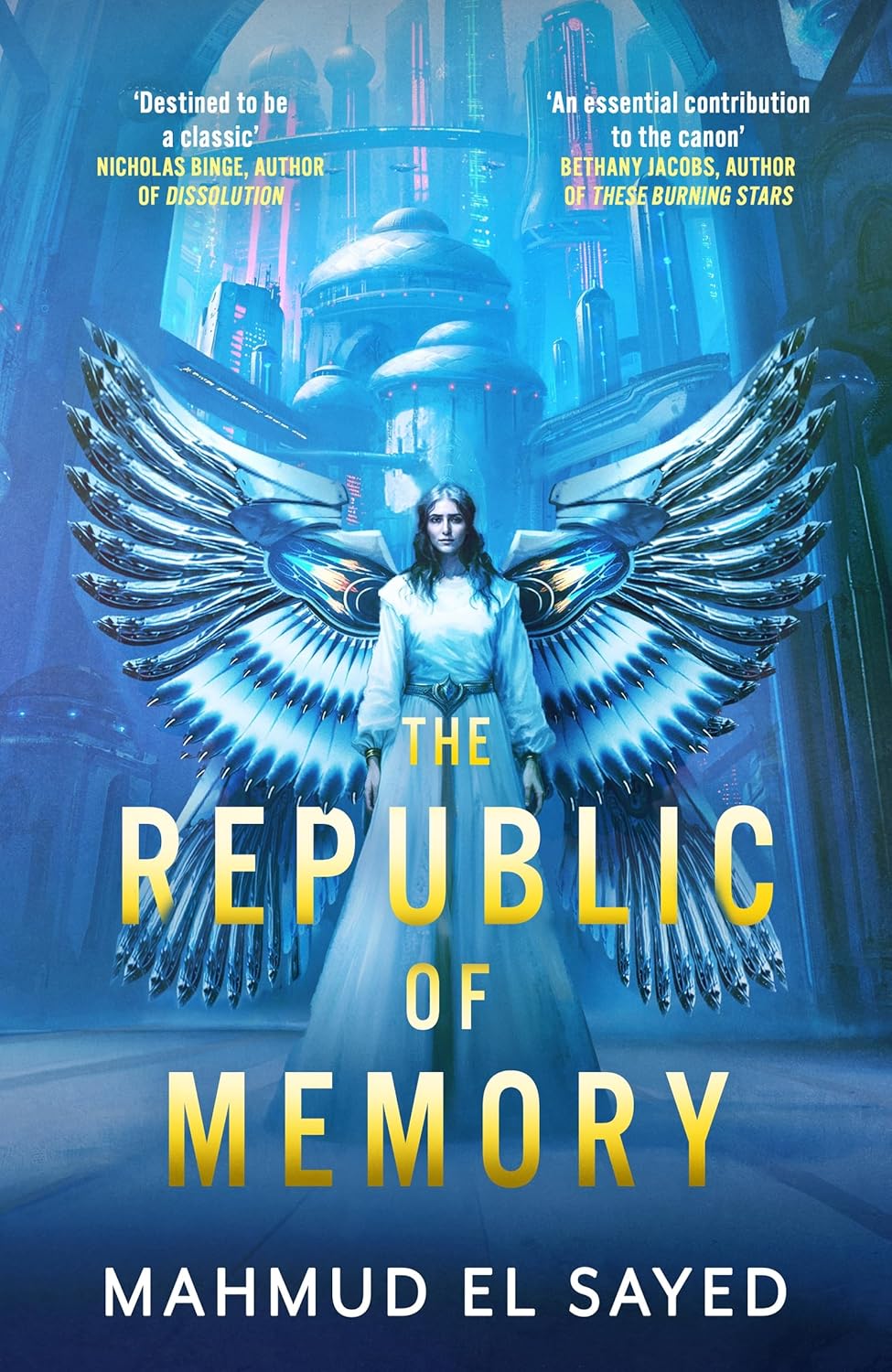
The Republic of Memory by Mahmud El Sayed – May 5, 2026
Halfway through its 400-year journey, the Safina Ship has left a destroyed Earth behind in search of a new home. The story follows a small crew who both maintain the ship and protect their ancestors in cryostasis, destined to awaken upon arrival at their destination. On board, life is governed by the “Network Empire,” which rules through obedience. But when a blackout unsettles the ship’s fragile systems, the crew begins to question their loyalty and purpose. Revolution erupts, echoing memories of the Arab Spring, as the journey toward forever becomes a fight to restore — or redefine — order.
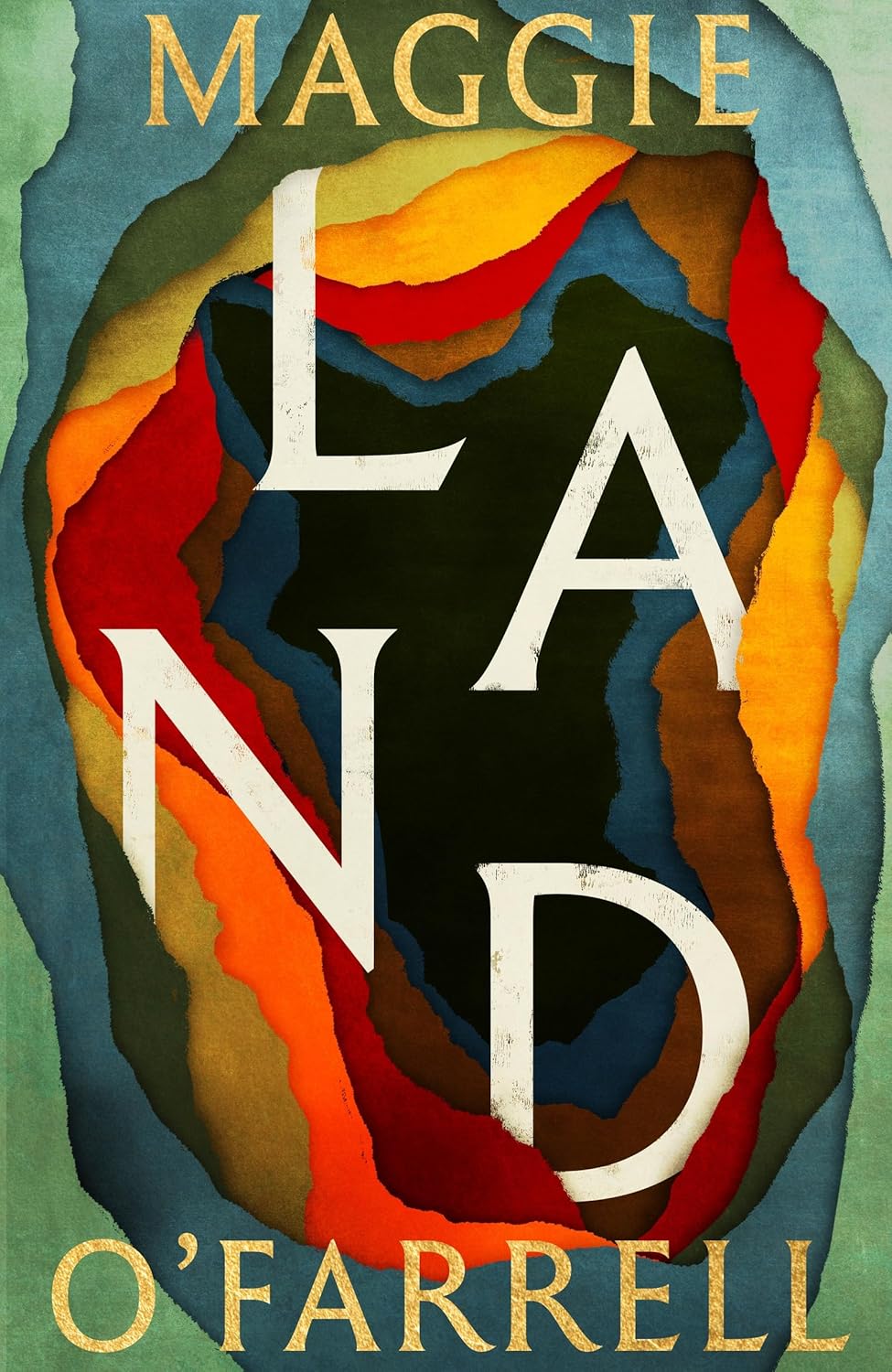
Land by Maggie O’Farrell – June 2, 2026
Following the global success of Hamnet, Maggie O’Farrell brings readers to an Ireland amidst the aftermath of the Irish famine. The novel follows a father and son, Tomás and Liam, employed by the British government to work on an Ordnance Survey of Ireland. For Tomás, mapping is a way to record devastation and protect Irish history, but after a mysterious encounter in the woods, the course of his life – and his son’s is forever altered. The novel follows themes of separation, colonisation, and recovery.
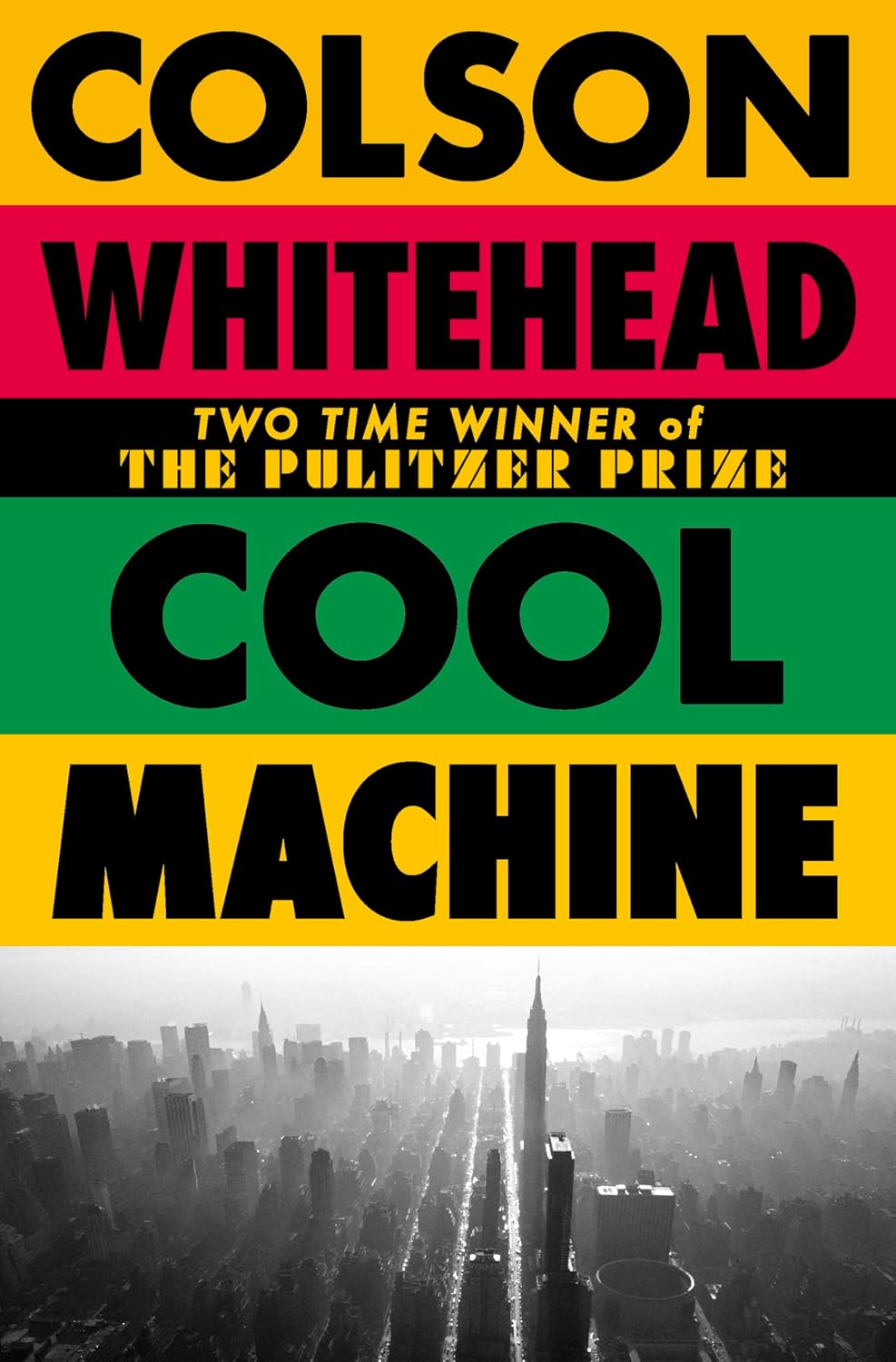
Cool Machine: A Novel by Colson Whitehead – July 21, 2026
The third instalment of The Harlem Trilogy by two-time Pulitzer Prize Winner Colson Whitehead returns readers to a 1980’s New York recovering from a financial crisis in Cool Machine: A Novel. Ray Carney finds himself at yet another heist, while his literal partner in crime, Pepper, is thrown into the violent East Village art and party scene. The two reunite in 1986 for a chance to save Carney’s nephew.
We recommend you read Harlem Shuffle and Crook Manifesto to get the full experience of Whitehead’s Harlem. Each novel follows Ray Carney through a different decade of his life, introducing important characters such as Pepper, his wife Elizabeth, his cousin Freddy, and Detective Munson.