
News


Depending on who you ask, there are roughly twice as many Lebanese outside of Lebanon as there are within it, but we’re not actually sure what the real number is.
Everywhere and anywhere you go, you’ll meet a Lebanese person. We’re like a well-dressed, well-groomed, perfumed-to-the-gills plague. Sharp, inviting, charismatic, lovers of a good time, incredibly generous (yes, I’m tooting our horn), and a lot of us have done incredibly well as part of the diaspora. It almost feels like we were raised to be exported out of the country.
Many kids are raised with three languages as a baseline: French, English, and Arabic. A legacy of our French colonial past, the privatisation of much of our education system, with the German, American, French, and British systems living alongside the national curriculum. A country that has always had one eye on itself and another on the world. Our history lessons stop at the beginning of our civil war, careful not to stoke sectarian tension. So, we pivot to learn more about Malcolm X and the Renaissance, memorise White Chicks line-for-line alongside French verb conjugations, and bear witness to the beef between Tupac and Biggie. Half the country supports Brazil in the football World Cup, and the other half Germany.
This isn’t a socio-economic phenomenon; it runs deep in the seams of the Lebanese. We fit in everywhere we go because we were raised for translation. We were born with one of the world’s worst passports, but the biggest appetite for the world.
Lebanon has lived through wave after wave of migration. Leaving has become part of our national rhythm. During the late 19th century, under Ottoman rule, the local silk trade collapsed, and many moved to the Americas due to economic hardships, politically induced famine, and tensions with the aforementioned Empire. We took our shawarma, landed in the likes of Mexico, and along the way, the el pastor taco was born. Many things changed. The khobz became a taco, and the spices blended with local, but the spit stayed. The recipe and the people travelled, but neither forgot where they came from.
The recent mass exodus is well documented; our trauma and our recipes are passed down generation to generation. Another huge brain drain. I, like many others, have become another digit in the ever-growing, ever-questioned numbers.
I packed my bags in 2021, after losing my job, taking part in a failed revolution, and maybe possibly facing some issues with the police. I moved away from my father’s land and landed in my mother’s. But this wasn’t my first time in the strange lands of the UK. In 2006, my sister and I were sent to live with our grandparents in the South West of England for one semester. I didn’t come back to live in Lebanon until I was 18. So much for that “one semester,” huh, Mum? Anyways, I digress.
Seeking a better life, a promise of stability that once again Lebanon cannot offer (because it hasn’t been allowed to), my friends and I scattered around the world. If anyone has ever lived in the diaspora, they’ll know the Lebanese love talking about Lebanon when they’re away. We hold our homes very close to our hearts — and we pocket those homes in our hearts, and we create flashes of them to remind us of what we so dearly miss. We’re entrepreneurs, restaurant and café owners, bricklayers, marketers, businessmen and businesswomen, artists, musicians, best friends, lovers, parents, and we’re really good at it. There I go again tooting. Often, with the Lebanese aura imprinted so loudly on us and what we do, you could hear it from across the street.
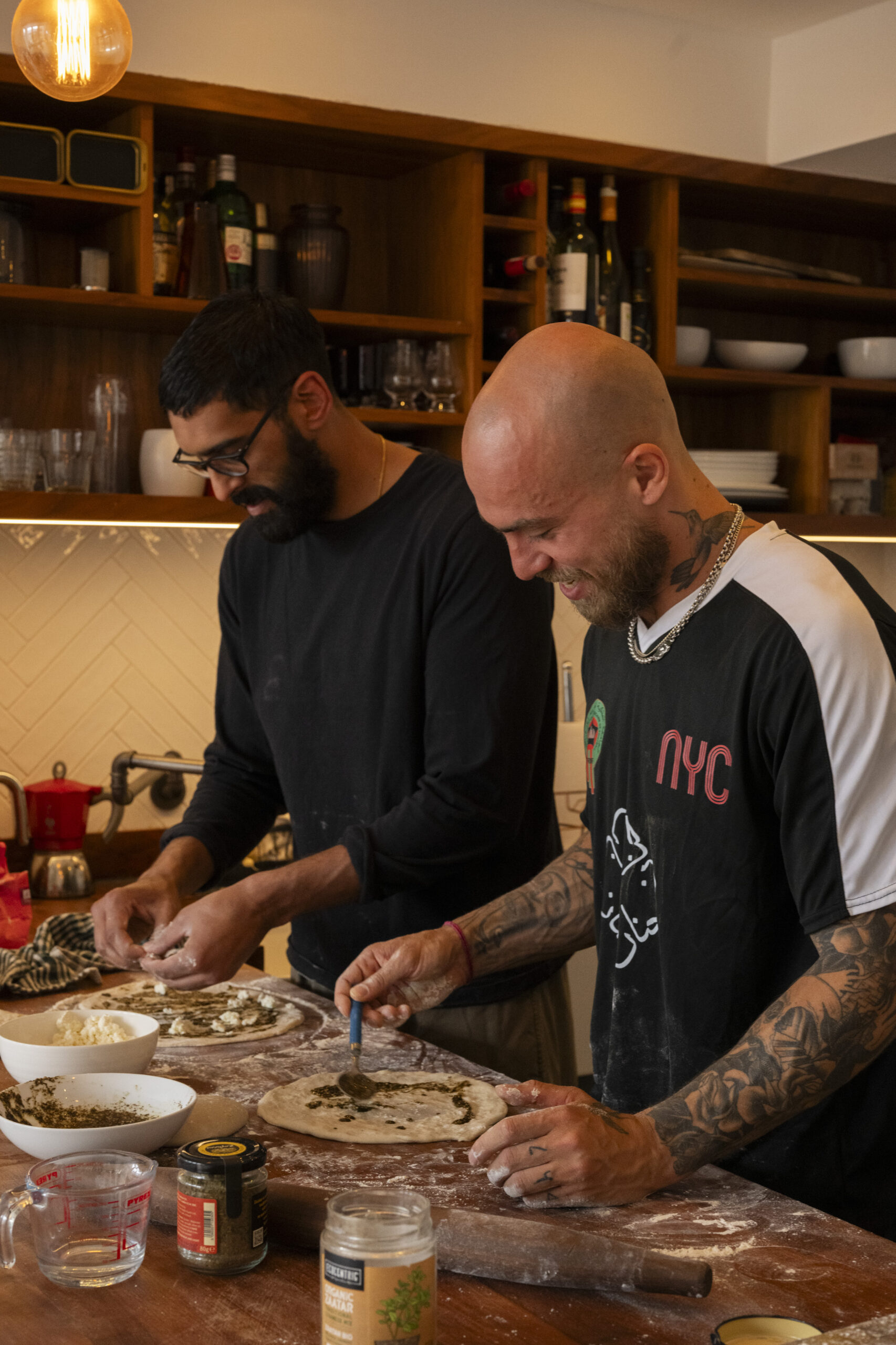
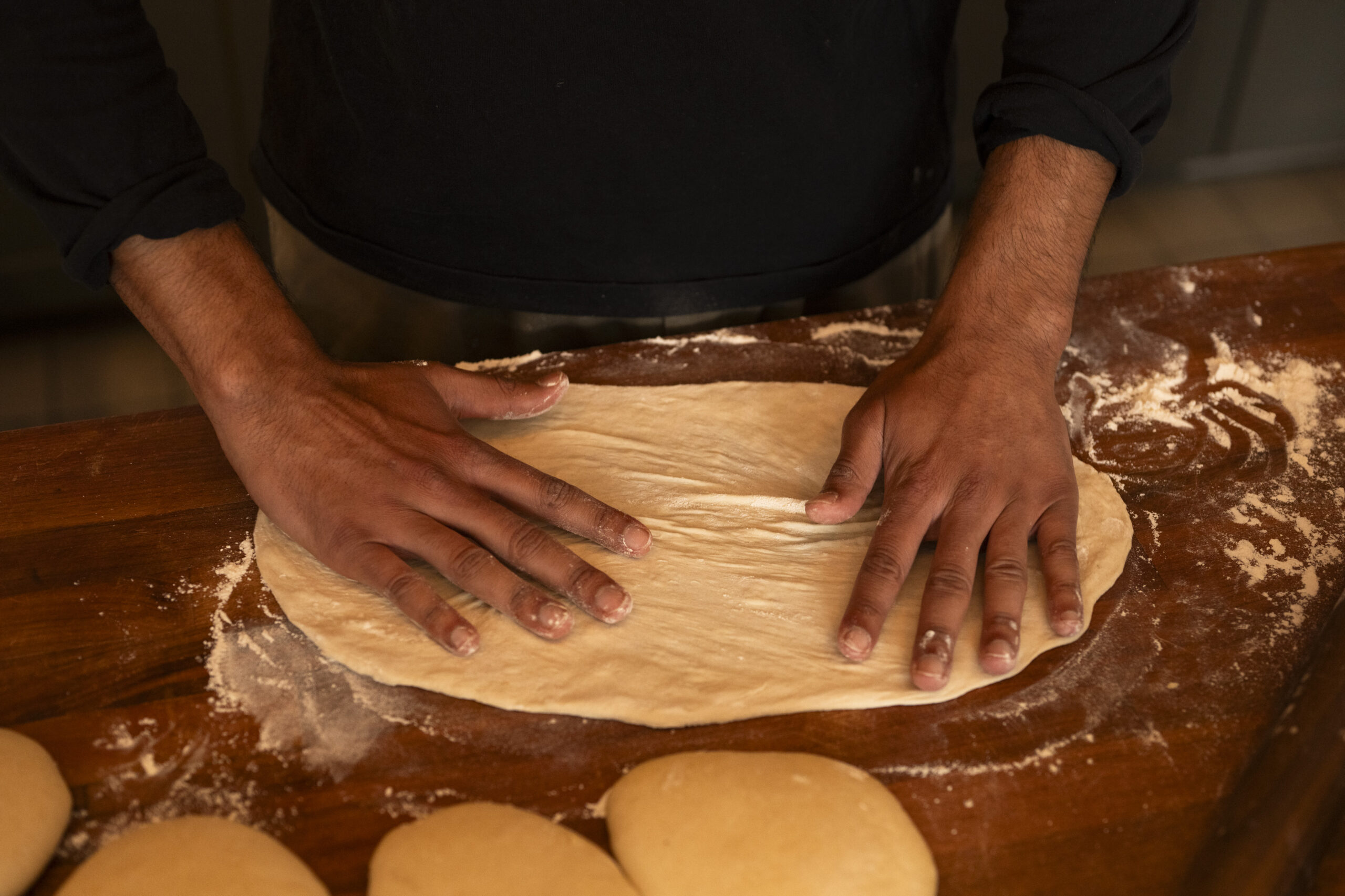
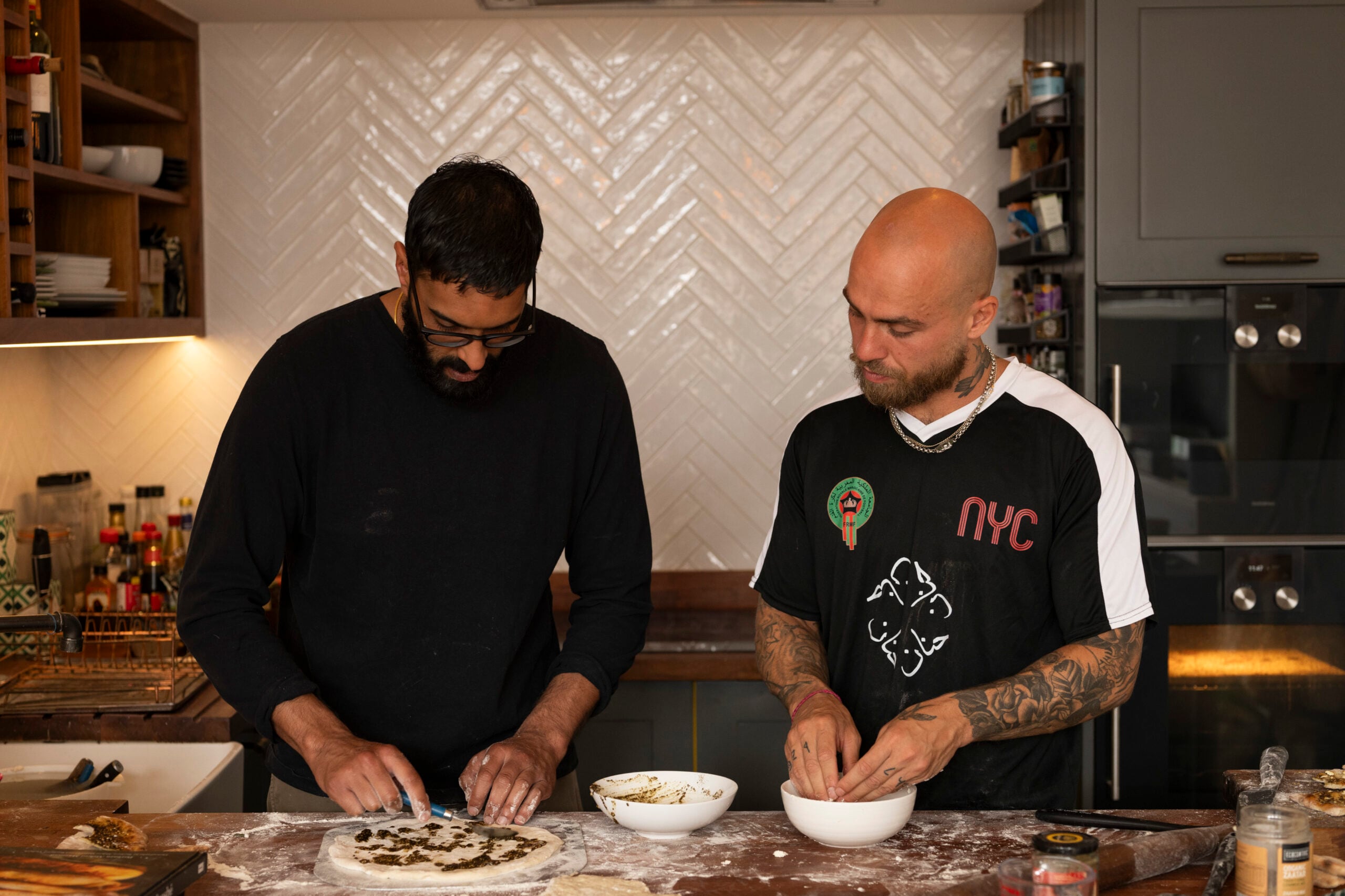
Well, from across that street, I landed in London with a business plan six years in the making, a failed attempt to open a restaurant with my two best friends — who are about to open their own place in Lebanon called One Trick Pony — and a traumatic breakup. I’m fine, I swear. I’m joining many who have gone before me. I’m bringing one of my favourite bits of one home to my other. Like many business owners, I believe I’ve found a gap in the market. Man’ouche in the West.
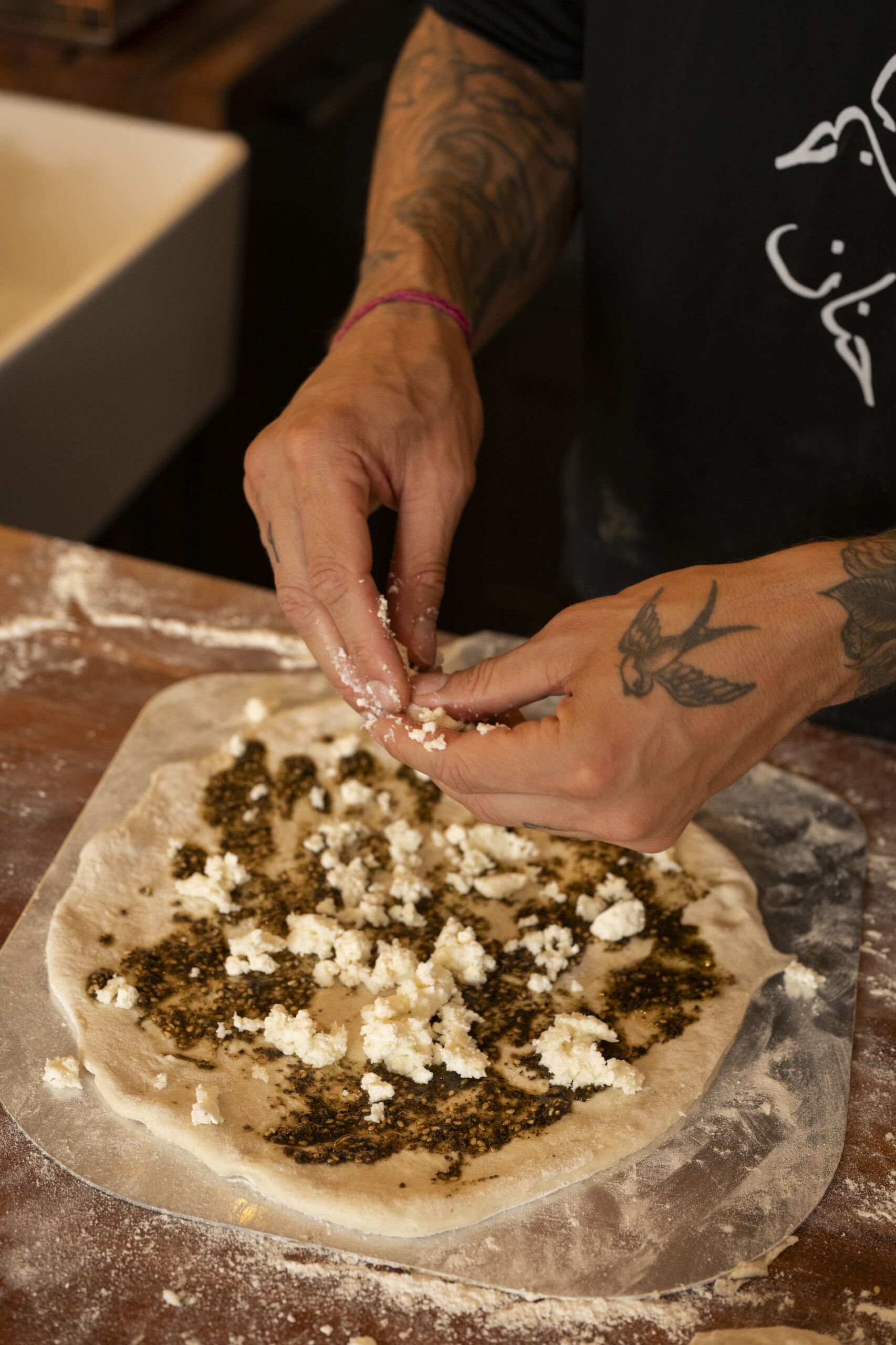
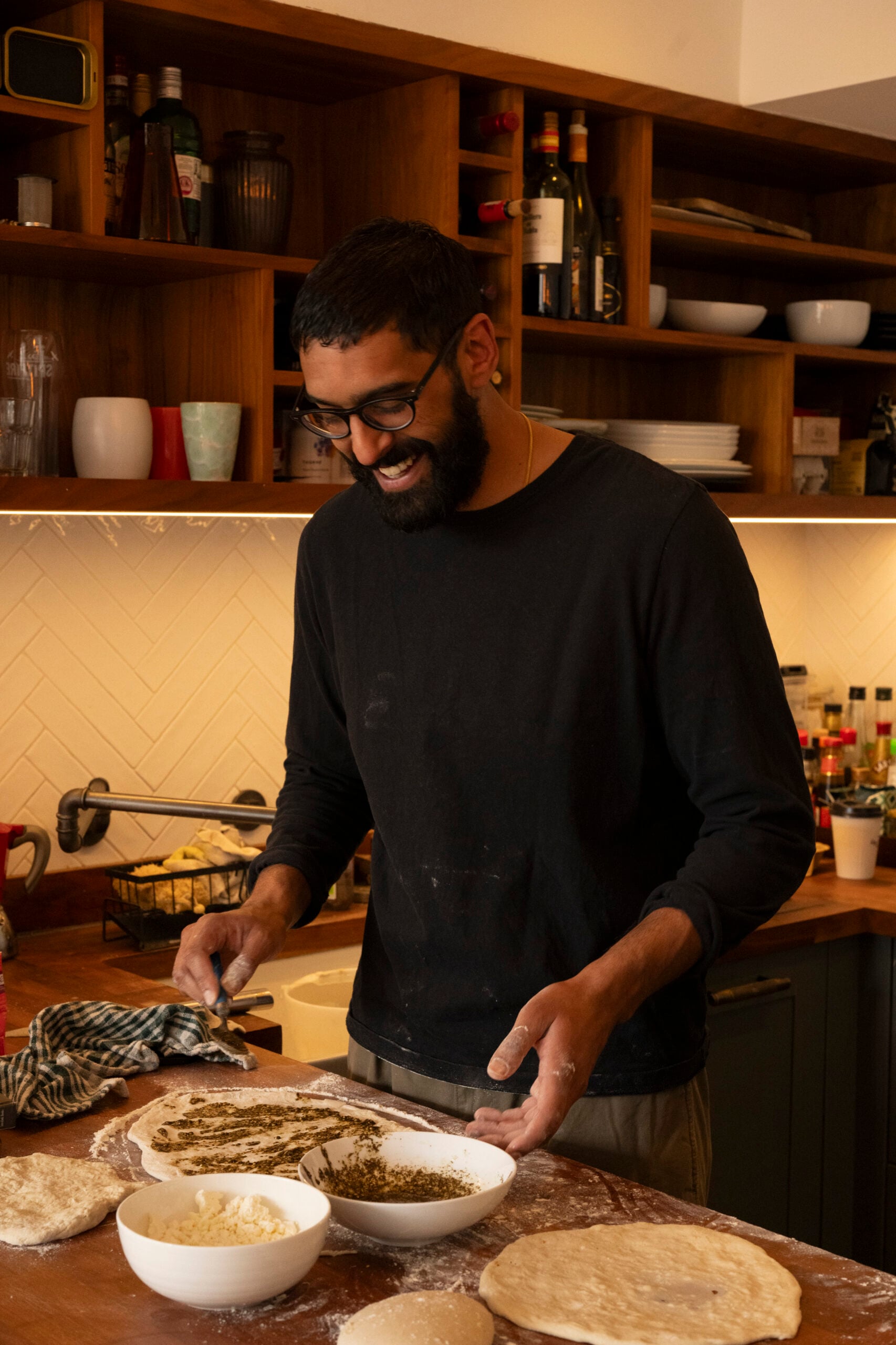
I’ve tried and tested countless recipes with the dough, changing it, making it fluffier or crispier, adding yoghurt or milk, removing everything. I’ve used bread flour, pizza flour, more yeast, and less. Do you know how hard it is to find Akkawi cheese in the West?
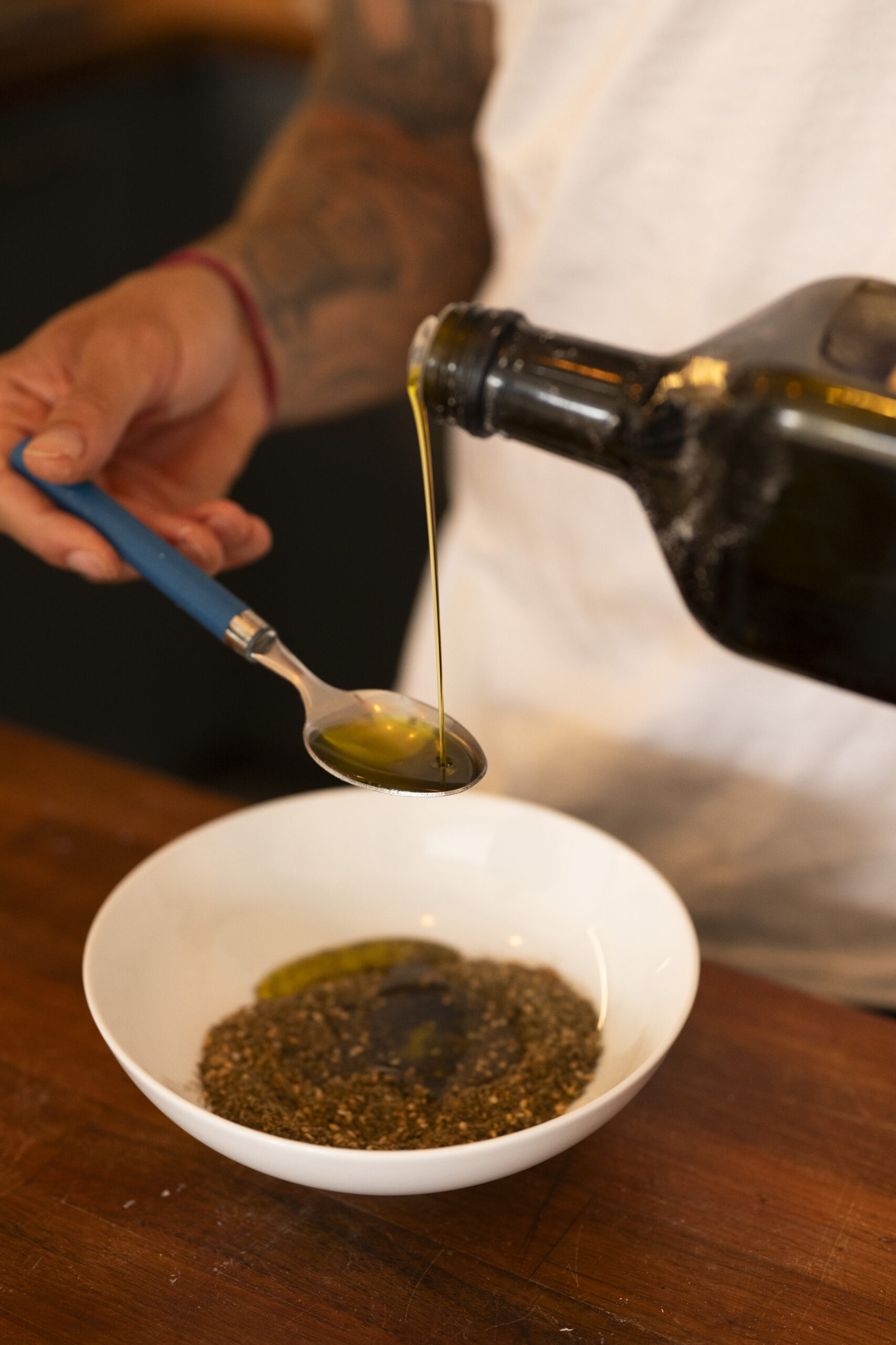
I’ve spoken to zaatar suppliers and asked if we can source some from dear friends who are farmers in Lebanon. Decisions on which olive oil to use, how salty the right amount of salt is, and how zesty the right amount of zest is — these are questions you ask yourself when you bring a national treasure to a different shore.
I’ve thought about putting kimchi and Cumberland sausage into a sourdough man’ouche. I’ve thought about everything. And I know I’ll have forgotten to think about so much once it’s up and running.
But the main question you ask yourself: will it work?
The anxieties keep me awake at night. I have so many plans for how to apply my marketing background to this idea. My partners and I want this bakery to speak to what it means for immigrants to become who they are by blending their origins with where they’ve landed. We want it to be as much Lebanon as it is London. But the whispers of doubt scream in your psyche.
What if there’s a reason man’ouche hasn’t really taken off yet?
My mother thinks it’s a great idea, so at least we’ve got that. We’re not the first people to knead the dough abroad, nor will we be the last. Many have done it very well; others haven’t. This isn’t a diss piece, but more of a question: do all recipes travel well?
The relationship between Lebanon and the West fascinates me.
Growing up, having already moved to the UK because of another war, no one had ever heard of Lebanon. And if they had, it was for all the wrong reasons.
This time around was different. Everyone knows about Lebanon, again, due to the same wrong reasons at large, but more right reasons have come to the surface. Social media and globalisation have a hand to play. Our music speaks volumes worldwide and has for generations. But the semi-recent boom of popularity for our food (obviously, amongst other things, but we’re trying to be specific here, bear with me) probably has the biggest, and definitely one of the most positive, effects. No small thanks to the late food messiah, Anthony Bourdain.
Whenever I introduce myself now, it’s not followed by:
“Where’s that?”
“You know, Syria?” “No.” “Cyprus?” “Hmm, couldn’t locate it on a map.”
“Palestine?” “Oh yeah!” “…tough, huh?” “It must be a hard place to grow up.”
Now it’s: “Oh yeah! I love Lebanese food.”
“I heard Beirut was the Paris of the Middle East once upon a time.”
Sigh.
Lebanon can never simply be Lebanon: always interfered with, always interpreted. Either compared or known for conflict. Like Lebanon doesn’t have one of the world’s oldest continuously inhabited cities.
Each time I travel back (customs look away now!) to the UK, I come back with a suitcase filled to the brim with what could only be described as Teta’s pantry. Zaatar, sumac, wara’ araish (grape leaves), jams made from akadinya and tin, and of course, arak. I often have a shawarma as my final meal when I leave Beirut. There’s very decent shawarma in the West, the toum could be toum-ing more, but you can have it, and it will fill the nostalgic melancholic hole.
But what I never miss. Without failure.
As soon as I arrive at Beirut Rafic International Airport, I drive straight to a furun and get a man’ouche cocktail. I shake a laban ayran (should I include this on my menu?), sitting in the car in a home that is a cigarette-polluted and sea salt-drenched hug, I tear into a burning-hot, stringy, cheesy man’ouche dripping with zaatar and shatta.
I’m salivating. I’m a mess.
Zaatar and the stubborn homebody, Akkawi cheese, welcome me home.
I’m happy.
Soul full, chin dusty.
I ask myself: why hasn’t man’ouche travelled well… yet?
It’s not that well-known yet. A question that shakes me to my core: “What the hell is a man’ouche?”
No, it’s not a Lebanese pizza. It’s not a calzone. It’s closer to a Turkish pide, or a khachapuri, or maybe a gözleme. But a beast of its own.
Explaining man’ouche feels suspiciously similar to explaining Lebanon. You list nearby references and hope one lands. The comparison will also make people turn their heads, as traditionally, man’ouche is a breakfast dish. “Pizza for breakfast?” Not the hardest thing to get around. I know you eat leftover pizza the next morning after a night out (or a night in). That surely can’t be it.
Watching falafel, zaatar, sumac, hummus, and tahini come of age and get thrown on everything and their mother in the last few years means it can’t be the flavours. Don’t get me started on the hideous attempts at what passes as shawarma now.
Does Akkawi cheese need to be a bit more available? The salty, smooth, slightly chewy, often made from cow’s milk, though goat’s and sheep’s milk sometimes make an appearance, star of Akka, Palestine. It’s hard to come by, but not impossible.
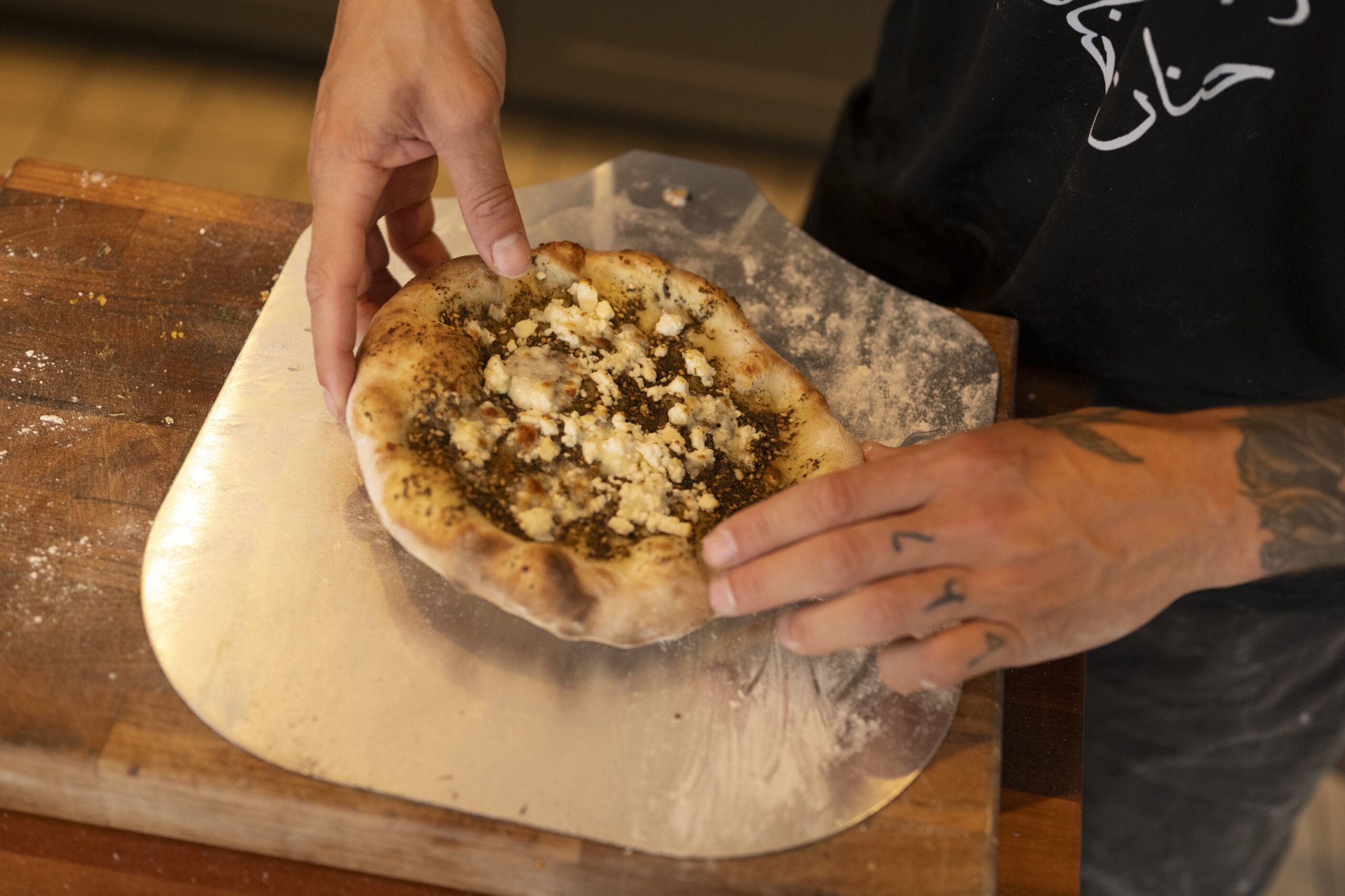
But when you do find it, it doesn’t quite taste like those rushed morning school runs. Or those stubborn Bon Jus iron-shielded holes that refuse to be pricked. A different type of wheat in the dough means it behaves differently. Rumours that it’s because we use bottled water back home get passed between food makers like inter-school playground gossip. Obviously, the commercial ovens aren’t neighbourhood furuns, seasoned with day’a (village) gossip. The dough knows all of this. The dough knows it’s different.
Does one need to let go to create a new home? To add flavours. Learn what is spoken on the street and not just the language. Maybe it needs to be dipped in brown sauce (it doesn’t), or for my ego to be dropped and paired with hummus.
I know I’d turn my nose up at some topping suggestions — I already have — but there’s a ton of toppings I’d like to try on the freshly UNESCO-approved heritage-list flatbread.
Does the diaspora share that sentiment? Will ketchup ever be allowed? Have most got one eye on home and just want a reminder? We’re feeding homesick Lebanese people who know exactly how wrong we got the dough. “Ma akal…” shrugs the disapproving Lebanese if we do it slightly differently.
A food that fed villages also needs space to travel. Curiosity to morph. To move mountains like the el pastor, like sfiha in Brazil.
East London feels like the perfect fit. A historical home for people without one. It might be man’ouche’s calling to roam. It should be allowed to migrate — not because it has to, but because it wants to. To keep one heart wrapped by the mountains. And one to feed Ridley Road, to fold between the salt beef and the fish patties.
Many of us think man’ouche’s time has come on the global market. But does it need the approval of the Western gaze? Why give the man’ouche ghourba (exile) like us? Does feeding different ethnicities show that we, too, are human, worthy of living? I’d like to think that we can realise we share our core memories, of scraping our knees on concrete playing football in the streets, buying DVDs that hadn’t even come out on the big screen, or blasting our favourite albums on the way to school, with the world, by sharing our biggest constant. So many of us started our days with one, or had one to carry on. Break bread to break stereotypes. But it’s not like they haven’t been packed before.
Cosplaying farmers with their soul tool in their backpack on their way to harvest. They too have been packed in bags in transit, stored, and frozen to pull out when you’re missing the traffic, the playful teasing on the streets, the kahwe and the promise of the sea in 30 minutes. But it doesn’t quite hit the same.
Does every recipe translate?
[Receives a voice note to make it abroad.]
Eh mama
Kibbeyten farine
One packet of yeast
une cuillère de Zeit Zaytoun
mal’a sekar
a pinch and a half of salt
mix gently
the dough needs stability
needs rest to rise
Teta’s cloth to home.
What it gets is the London drizzle.
Leave for 10 or forever. No, it doesn’t pair with hummus.
I can already see it on a ticket, favours to add ketchup.
No washing hung no shouting from the balcon.
Was zaatar meant to know borders? Am I too chewy here? Please don’t take away my sweet.
Top with Akkawi cheese if you can find it.
soak our homesickness in brine mix it with mozzarella and raise it to 400 degrees Celsius.
Wrapped in paper that doesn’t share our news it’s the hands that pass it to us that’s the flavour.
Despite the war, the hardship, and the exhausting expectation that we remain resilient, many of us will never turn our backs on our tiny but mighty country. We carry it like a burden. Speak about it like it’s the ultimate. Because many have left not because they want to, but because they’ve had to.
It’s a hostile environment everywhere you look right now. Pulled and stretched, yearning for rest and community. Real community, not the buzzword we’ve been blasted with in ads. To feel welcomed. We speak like them, we know all the same stories, we’re so well-versed in so many other cultures, you’d be excused for believing we’d lived our whole lives in these places. Which many have.
But for those with their hearts still anchored to our bizri-laced shores, they’ll never be able to fully let go. I know many people who have decided to move back. Recently, a friend shared something that has stayed with me. He told me he needed to leave the West and return home to Lebanon and rest. During a time of war. Imagine.
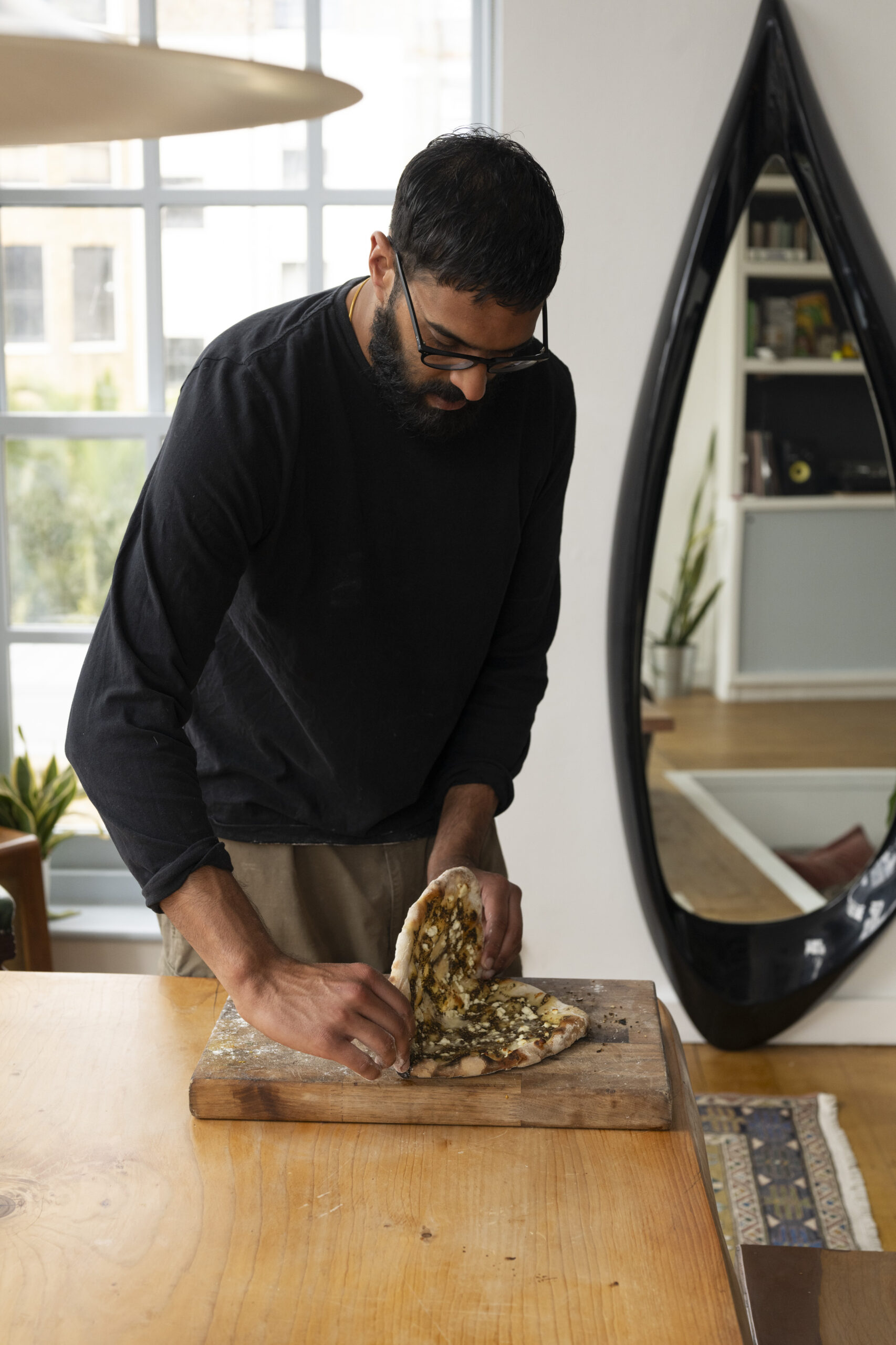
It makes sense, though. There’s a longing for our country to be its own. The younger generation is rapping in Arabic and not trying to mimic Em’s flow; winemakers are trying to move away from classical French techniques and embrace local heritage and terroir; and electronic producers are rushing to sample Ziad and Sabbah rather than Madonna and Carl Cox. Like it or not, due to hardship, our stock as Lebanese has gone up.
There’s a percentage of the population that is desperate to be a part of that. Desperate to be a part of change. Longing to be in the comfort of their language and familiarity, of family.
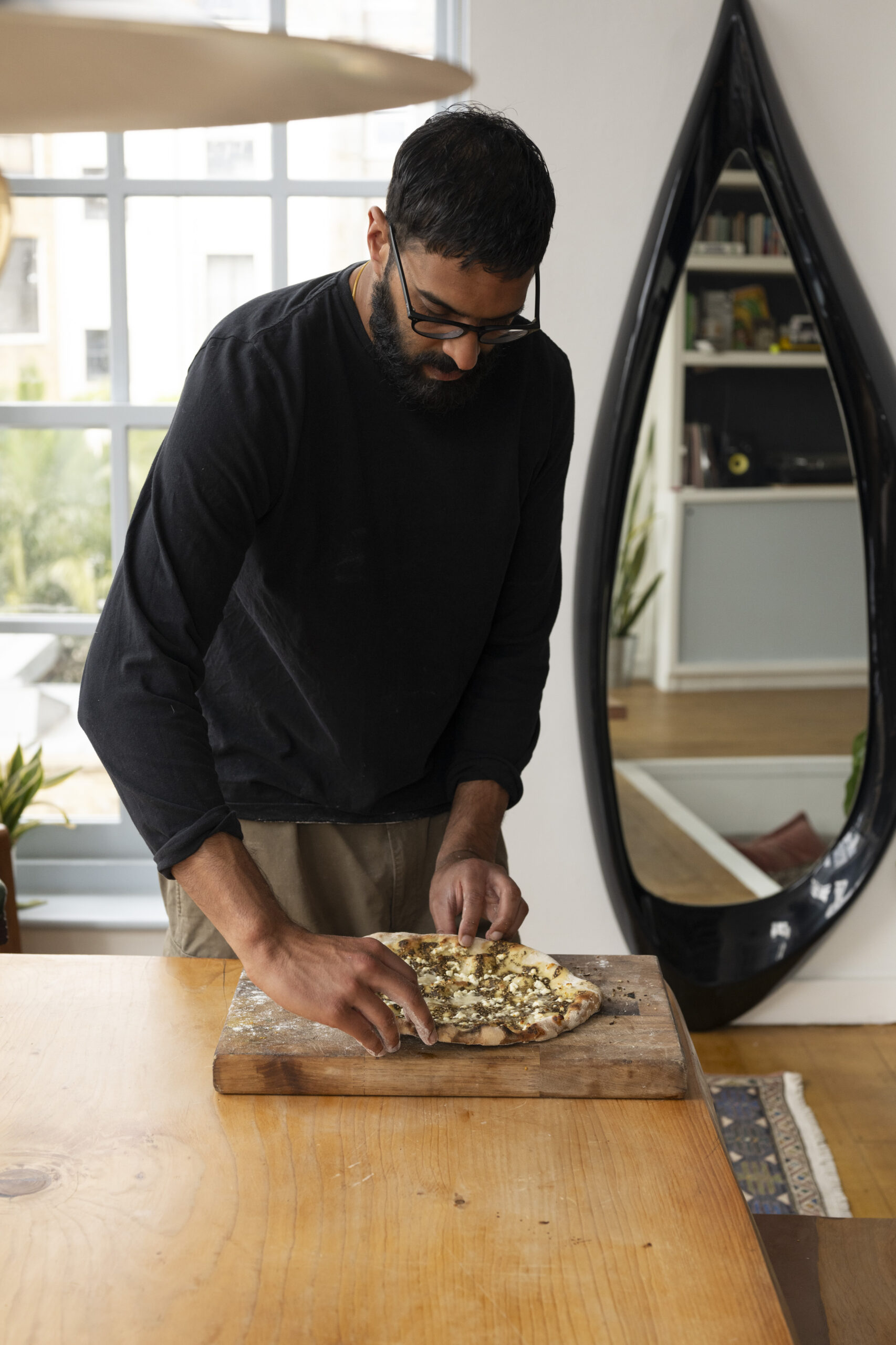
But I’m staying in the West — my family is here, I love London — and contrary to everything I’ve said about man’ouche not travelling well, in true Lebanese fashion, I live in hypocrisy, appetite, and perhaps delusion. I’m about to open a man’ouche bakery called Sarna with two amazing friends, Tariq and Ryan, convinced that it will travel well. Trying to find the answers to so many of the questions we asked together. Convinced it will find a home away from home. But ask me after the dough has proofed for proof of concept.
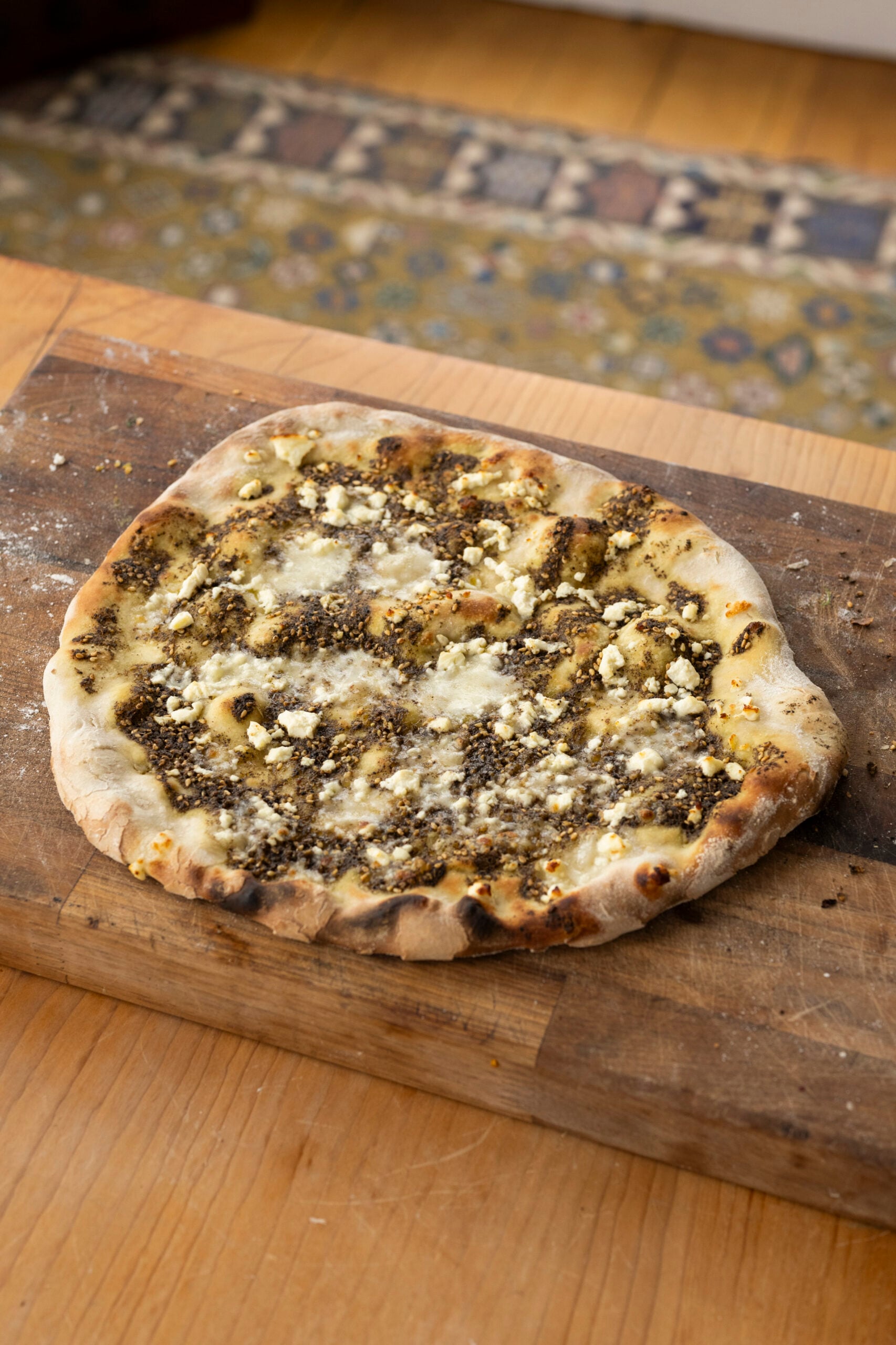
Sarna is now open every Friday, 18:00–21:00, at Climspon & Sons, London


