
News


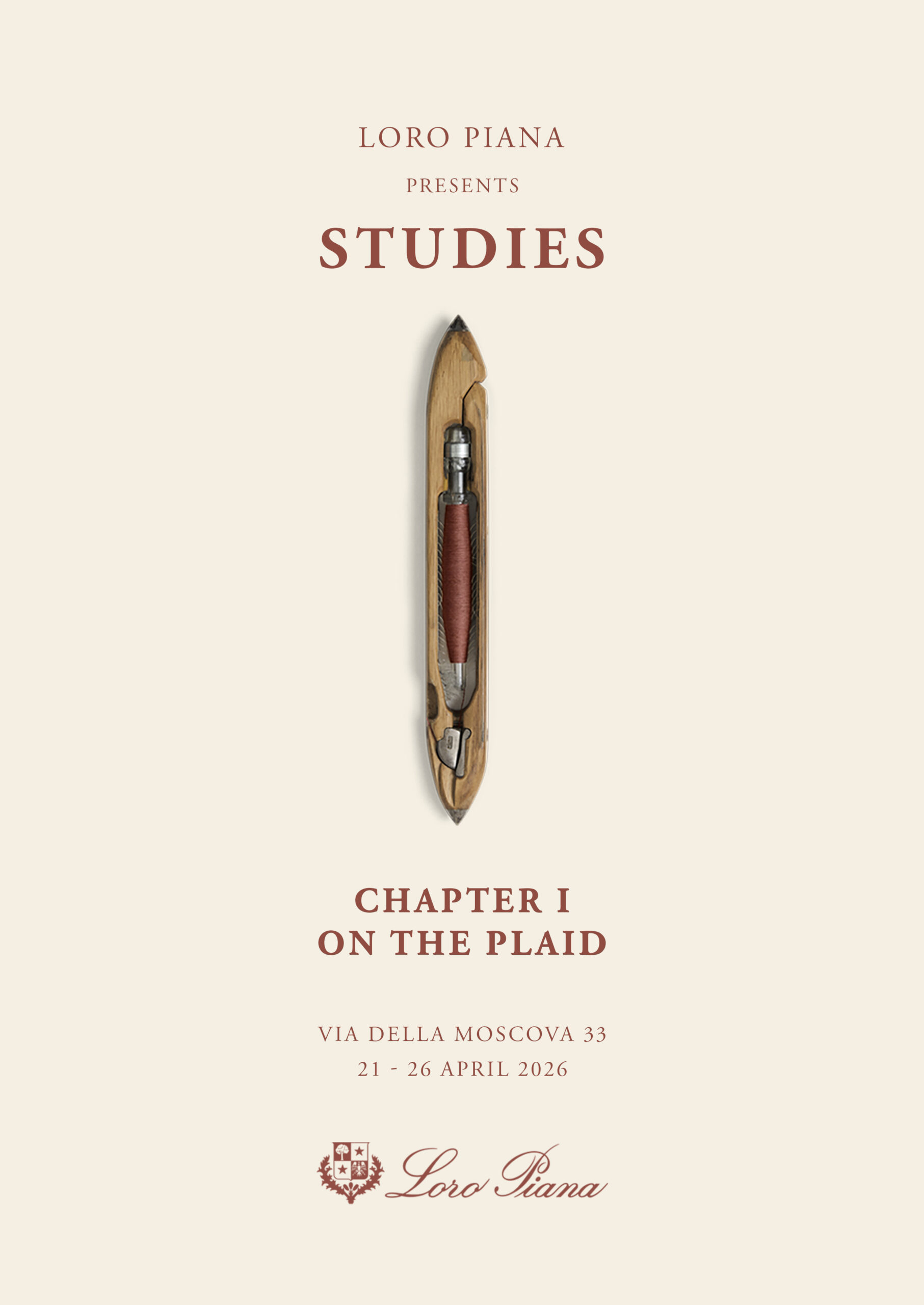
Each April, Salone del Mobile turns Milan from a design hub into the centre of the design world. What started as a furniture fair has become something much broader; a moment where fashion, interiors and craft intersect, and where brands no longer just showcase products but weave rich narratives.
It’s a natural setting for Loro Piana. The house has long sat at the peak of textile craftsmanship, defined by its precision and a near-obsessive understanding of material that stretches back generations. The family’s roots in the wool trade date to the early 19th century, and the formal company was founded in 1924 by Pietro Loro Piana in Quarona, a small town in the Piedmontese province of Vercelli. From that mill in the Alpine foothills, the house has spent a century refining a single thesis: that the raw material is everything. It knows exactly where it stands, and more importantly it never tries to be anything else. The message is consistent, and the storytelling rich.
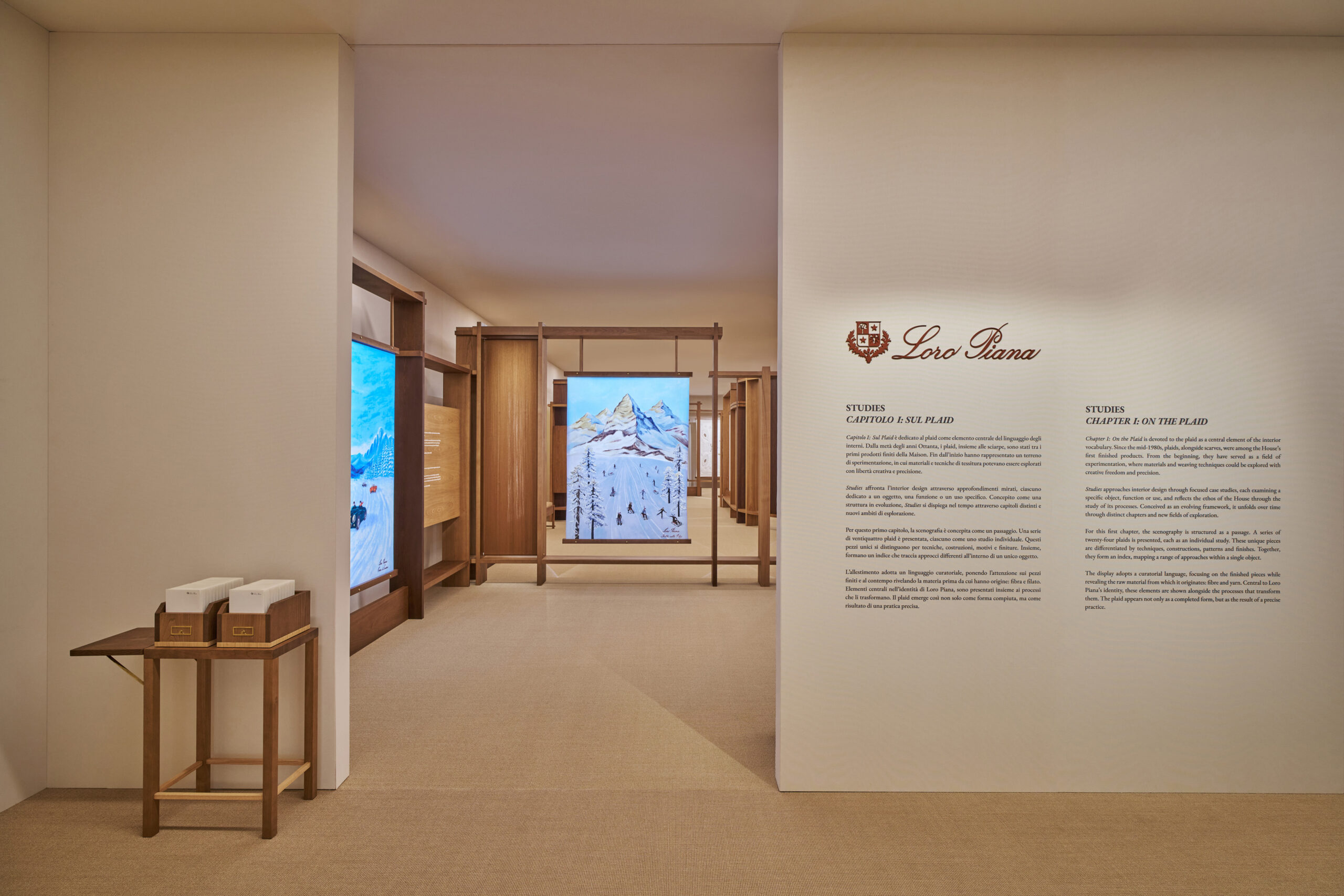
For Design Week 2026, Loro Piana presents Studies, Chapter I: On the Plaid at its Milan headquarters. The installation takes one of the brand’s earliest objects, the plaid, and treats it as a point of study. Twenty-four pieces are shown, each exploring a different construction or surface technique, forming what the house calls an index: a detailed mapping of its savoir-faire through a single form. It is the opening chapter of Studies, conceived as an evolving framework that will unfold over time, each edition focused on a specific object or function.
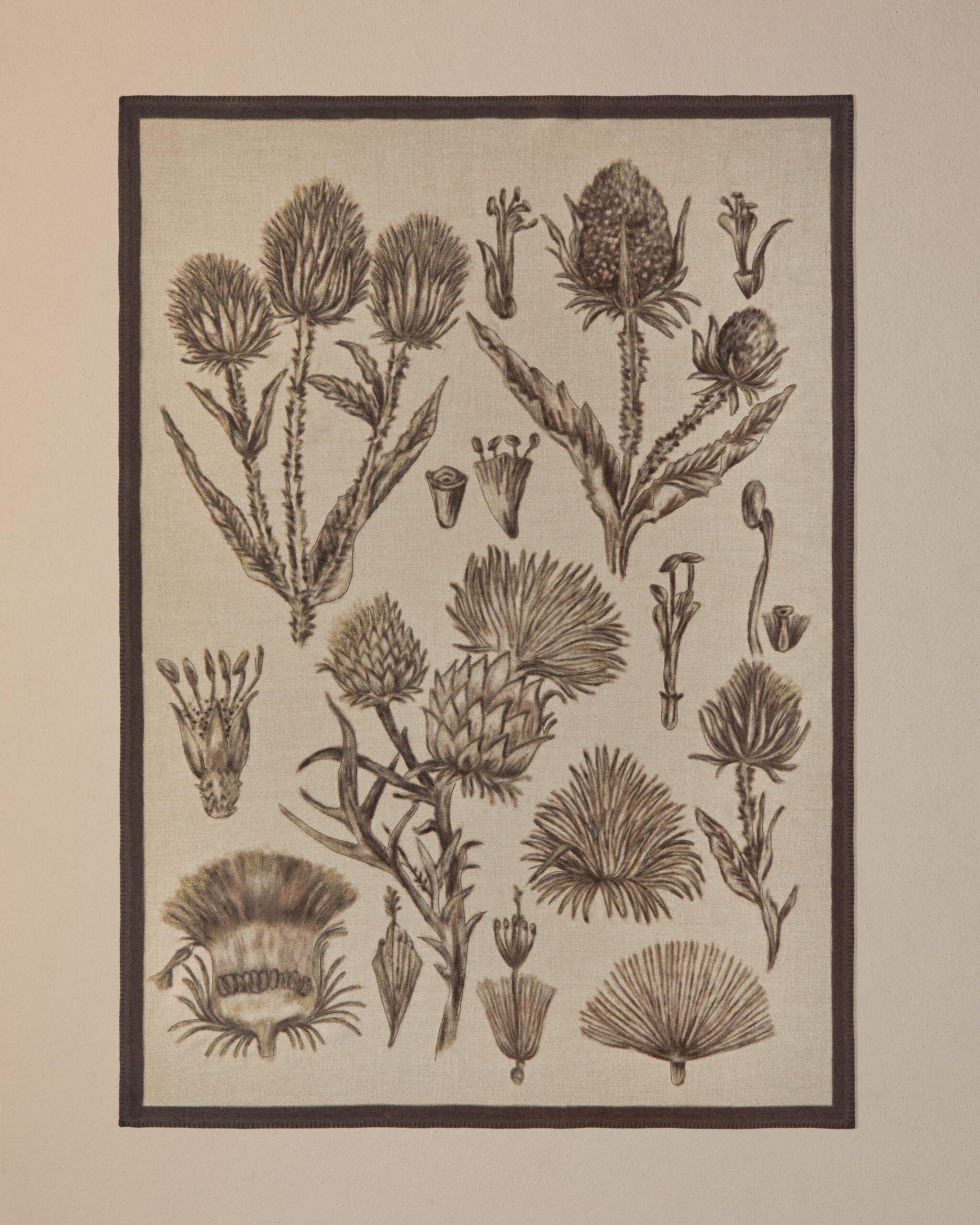
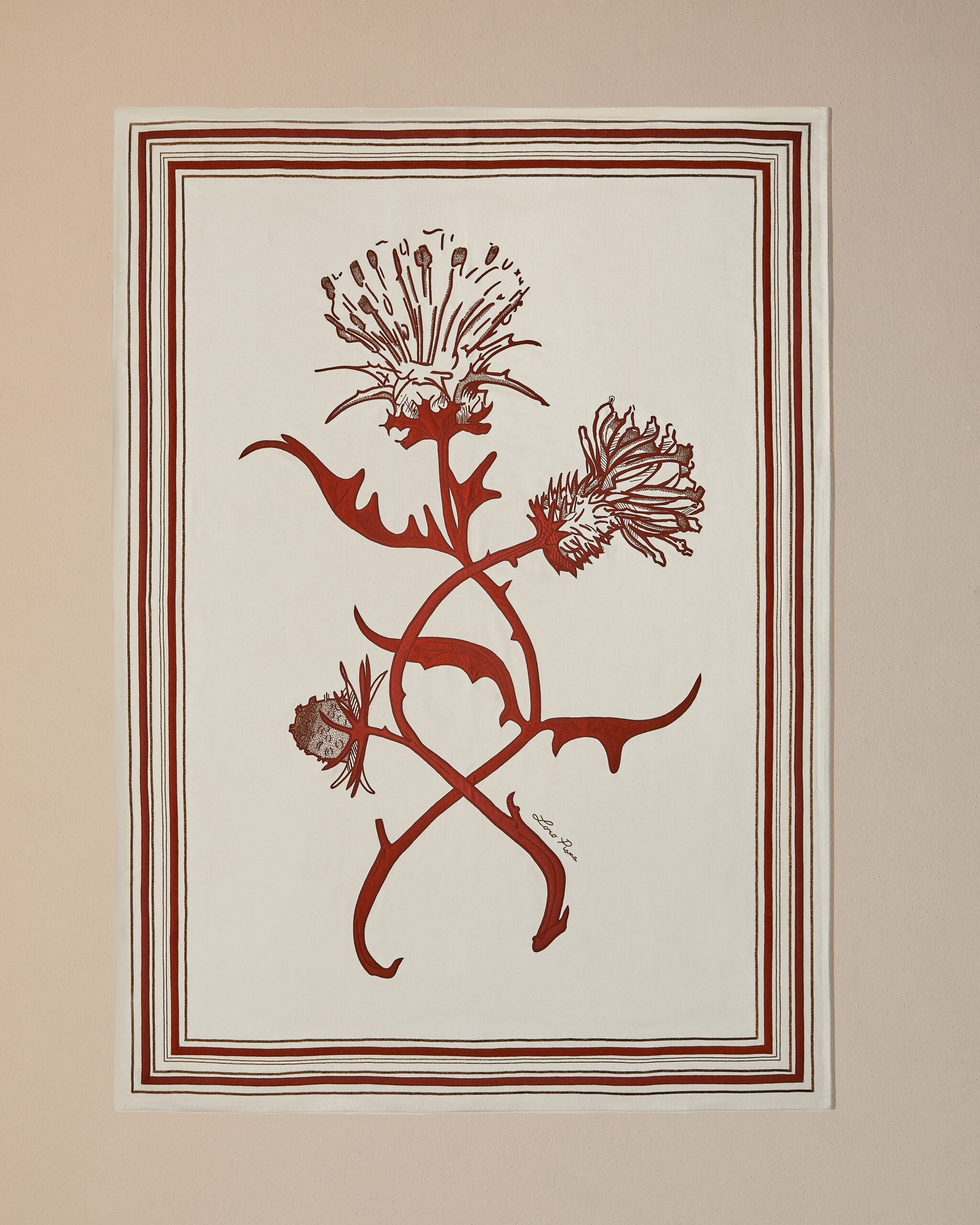
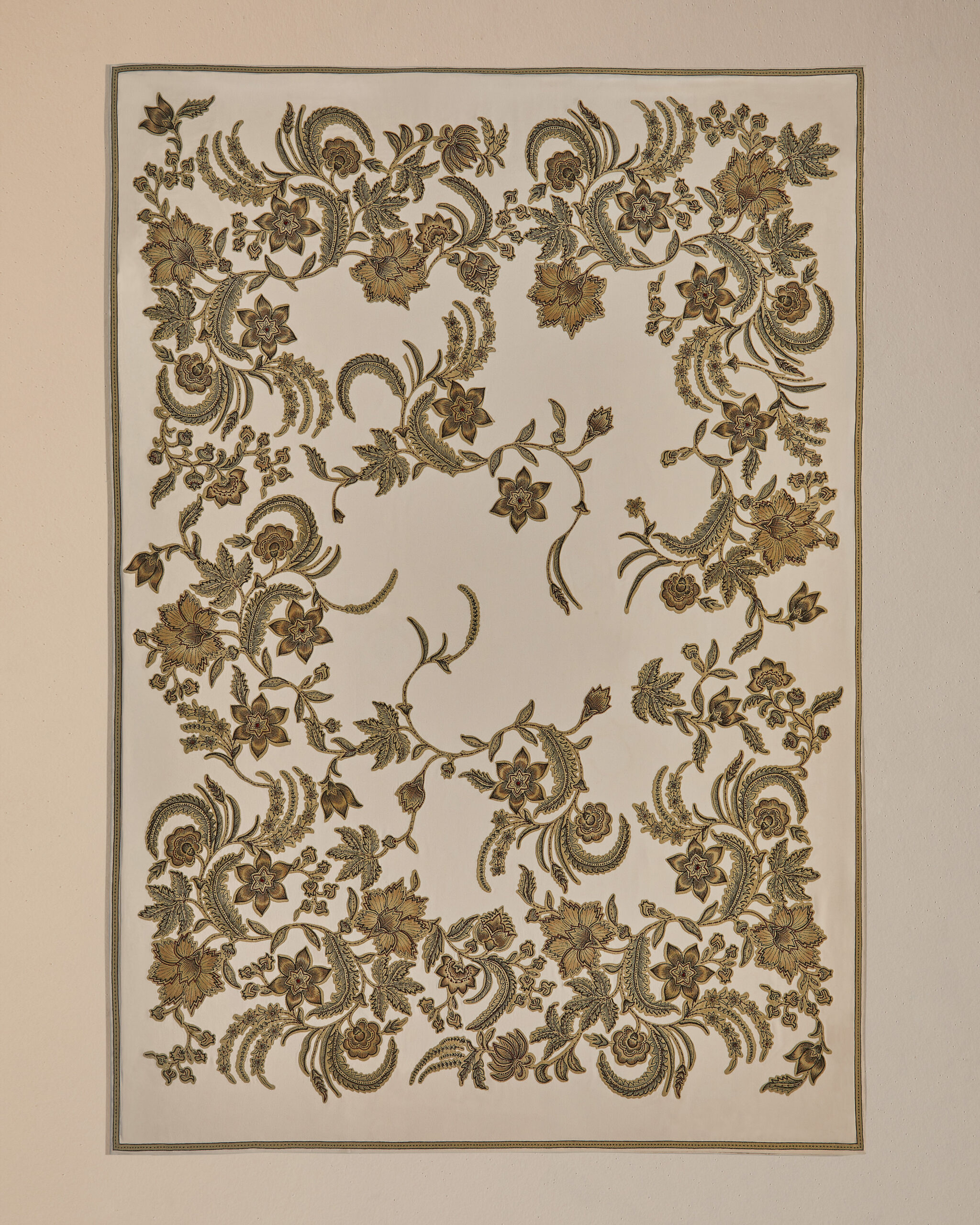
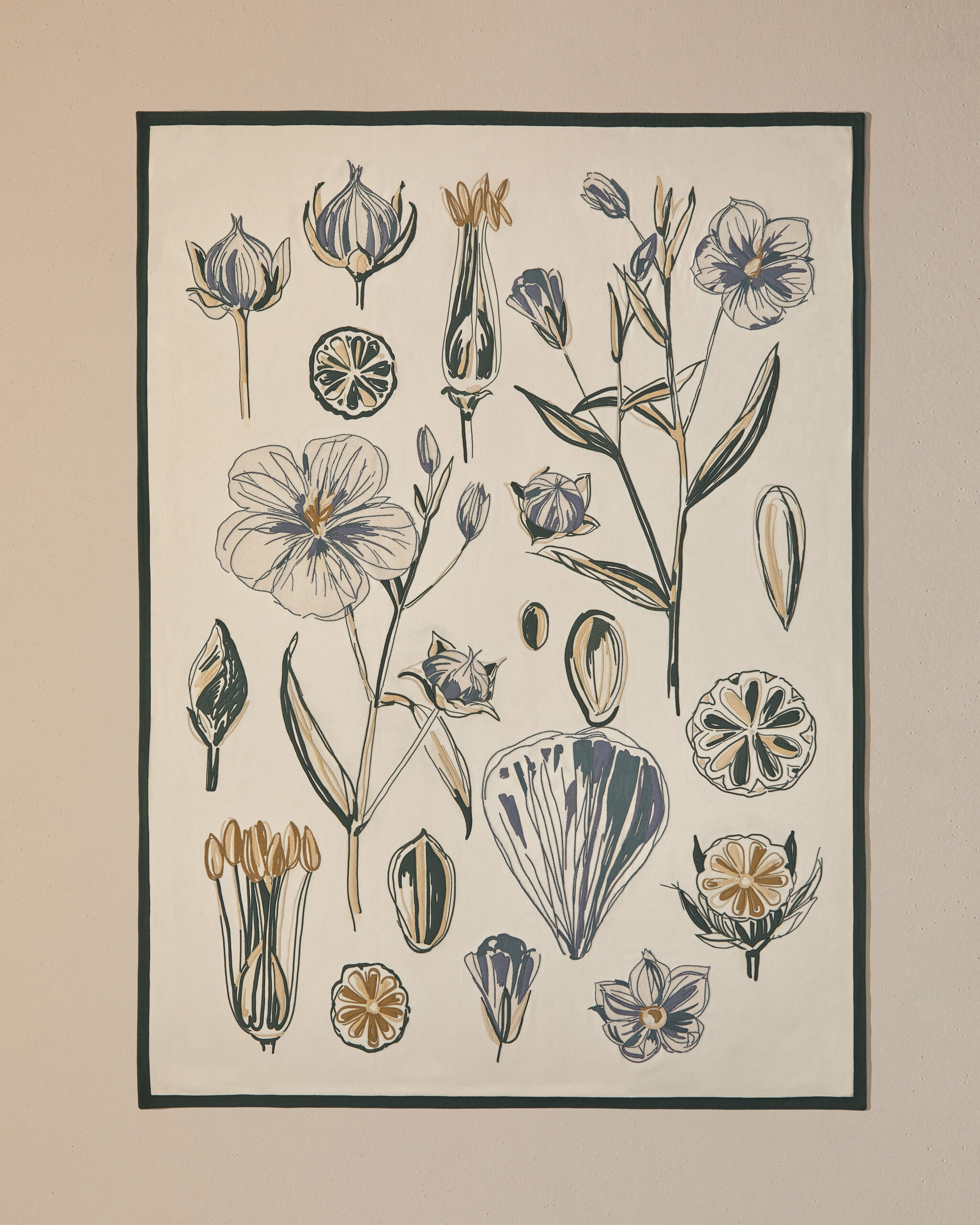
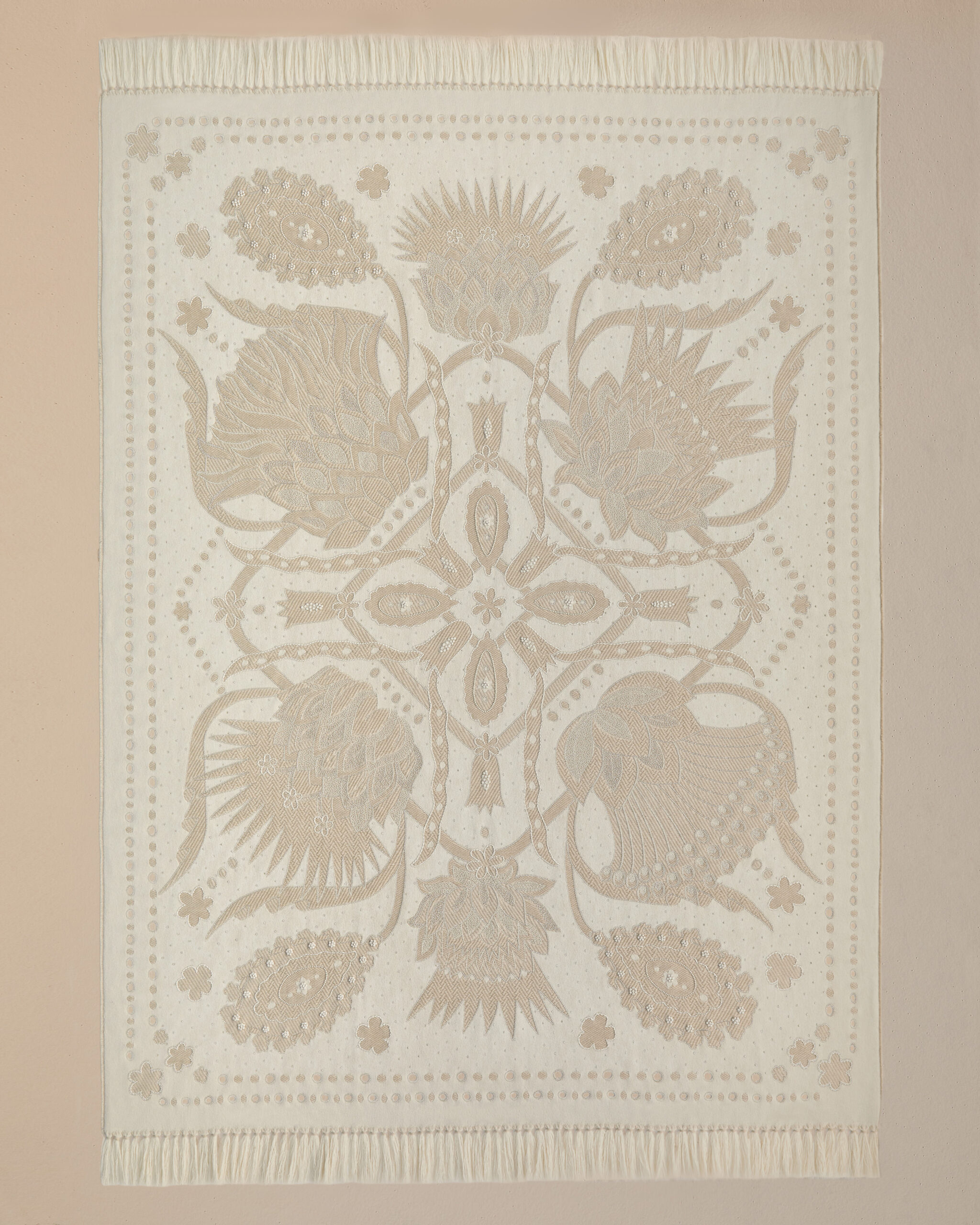
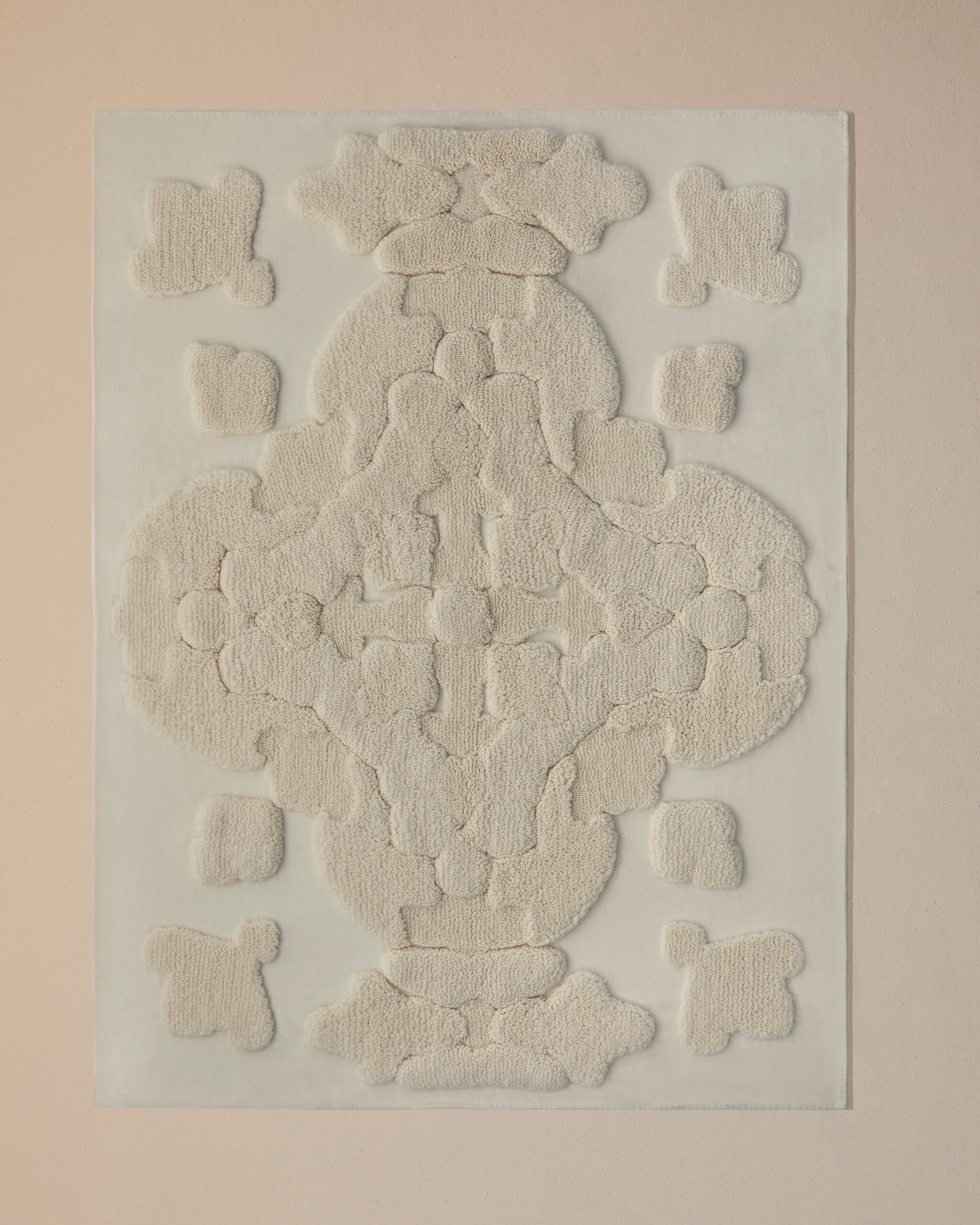
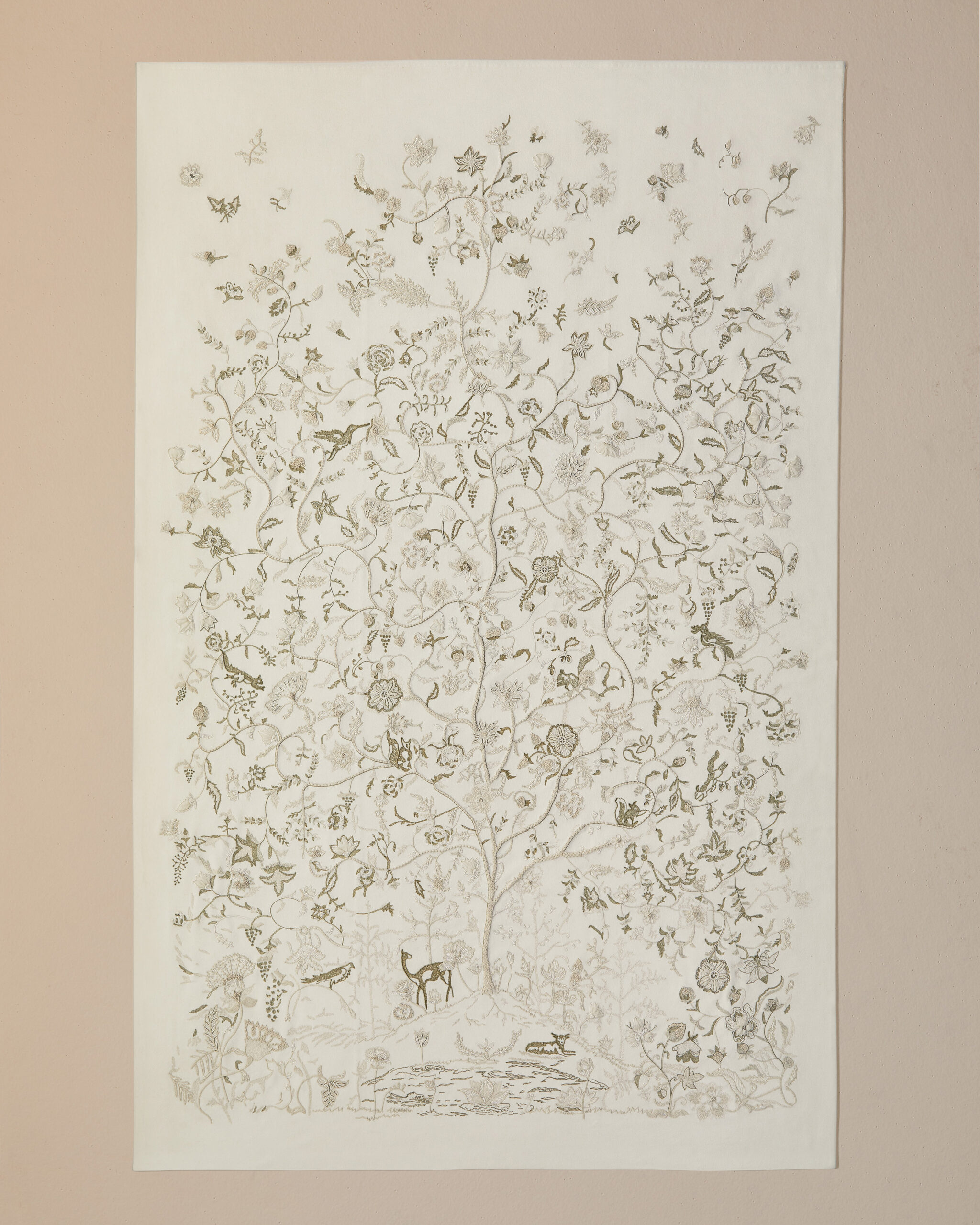
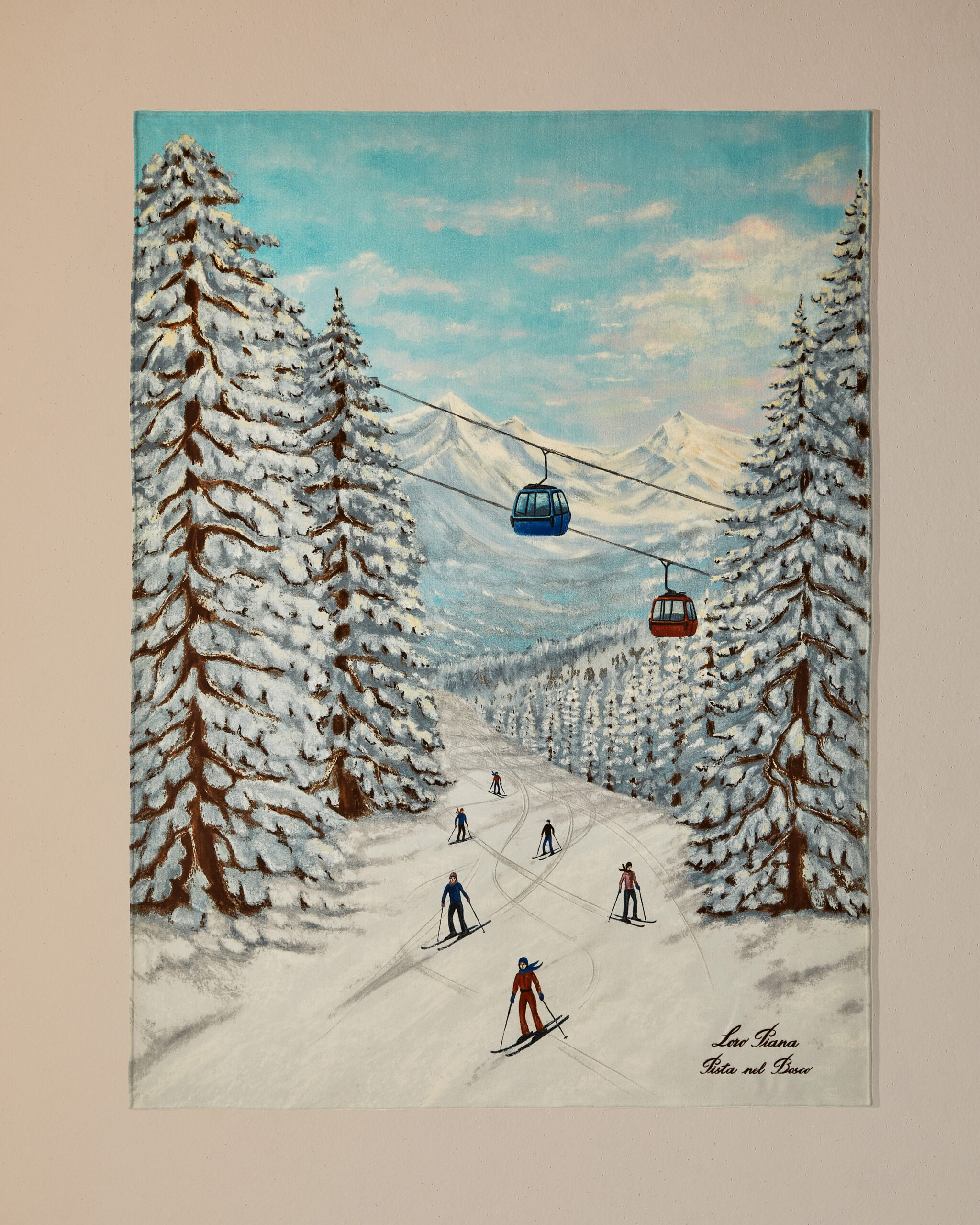
The plaid is a fitting place to start. The first Loro Piana garment was the famous fringed Grande Unità scarf, made from a piece of cashmere woven in the Piedmontese mill. The plaid followed, and since the mid-1980s, the same decade Sergio and Pier Luigi Loro Piana launched their first ready-to-wear collection and created the luxury goods division, it has existed as one of the house’s foundational finished products. Not decorative after-thought, but a laboratory: a field where materials and weaving could be explored with creative latitude.
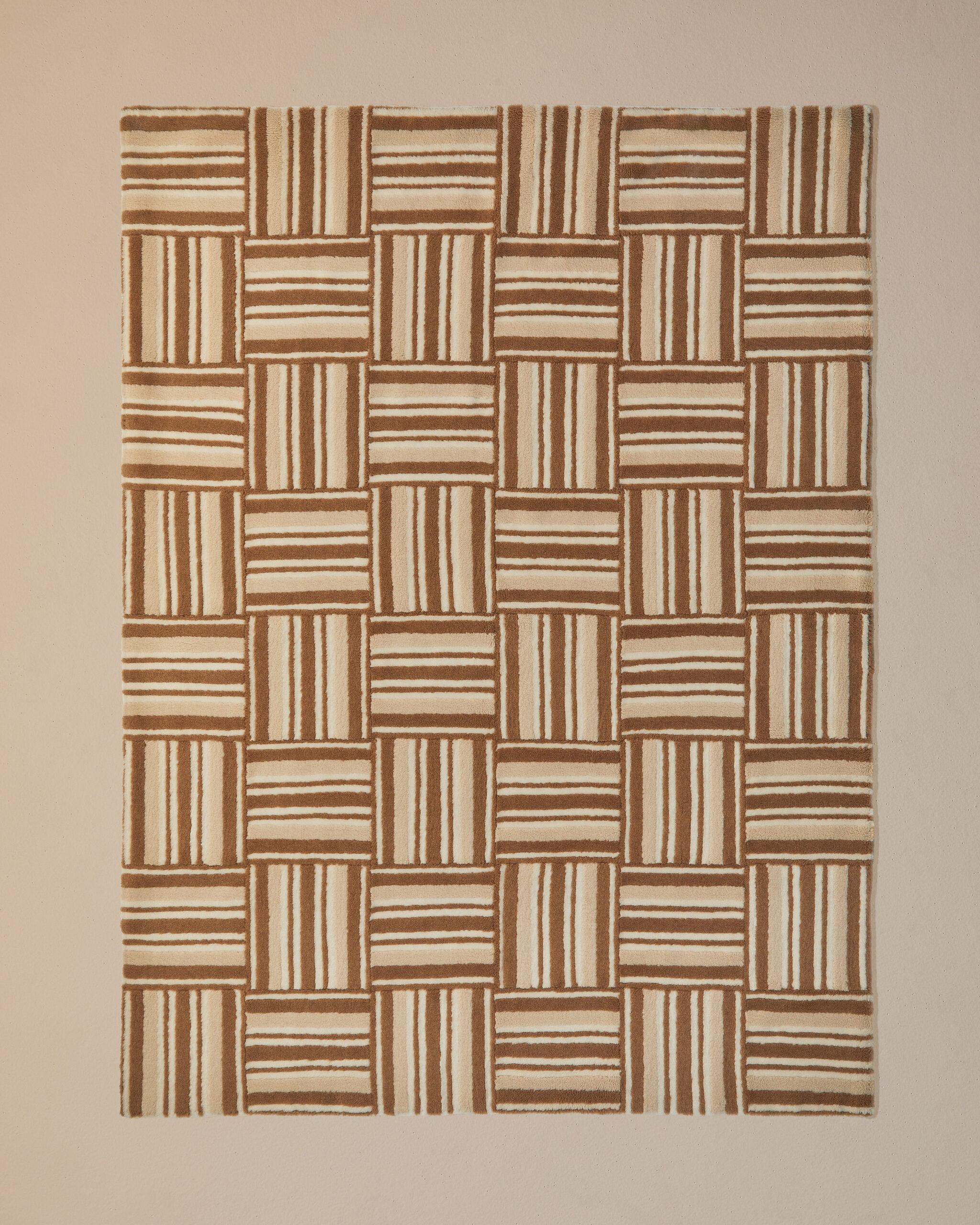
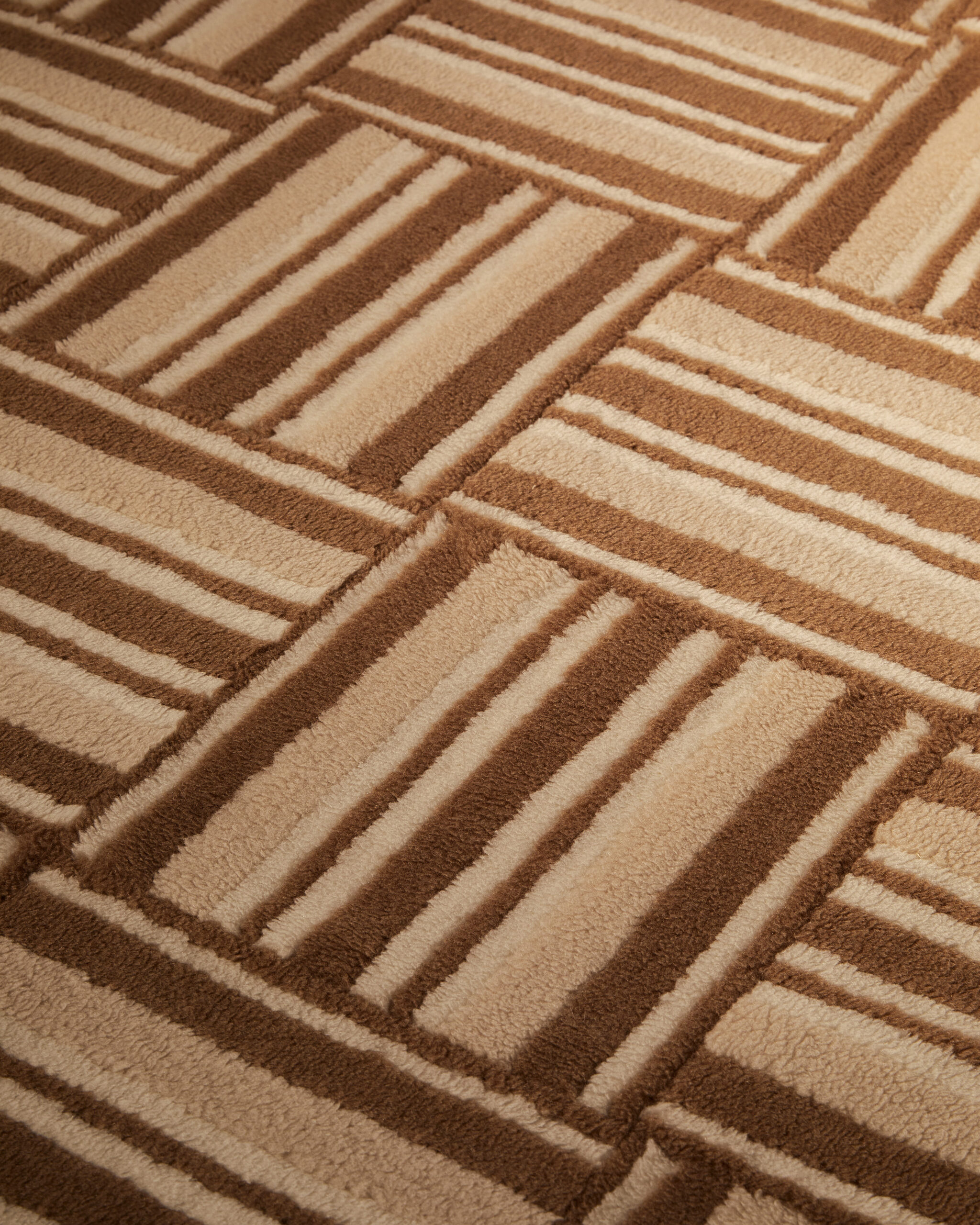
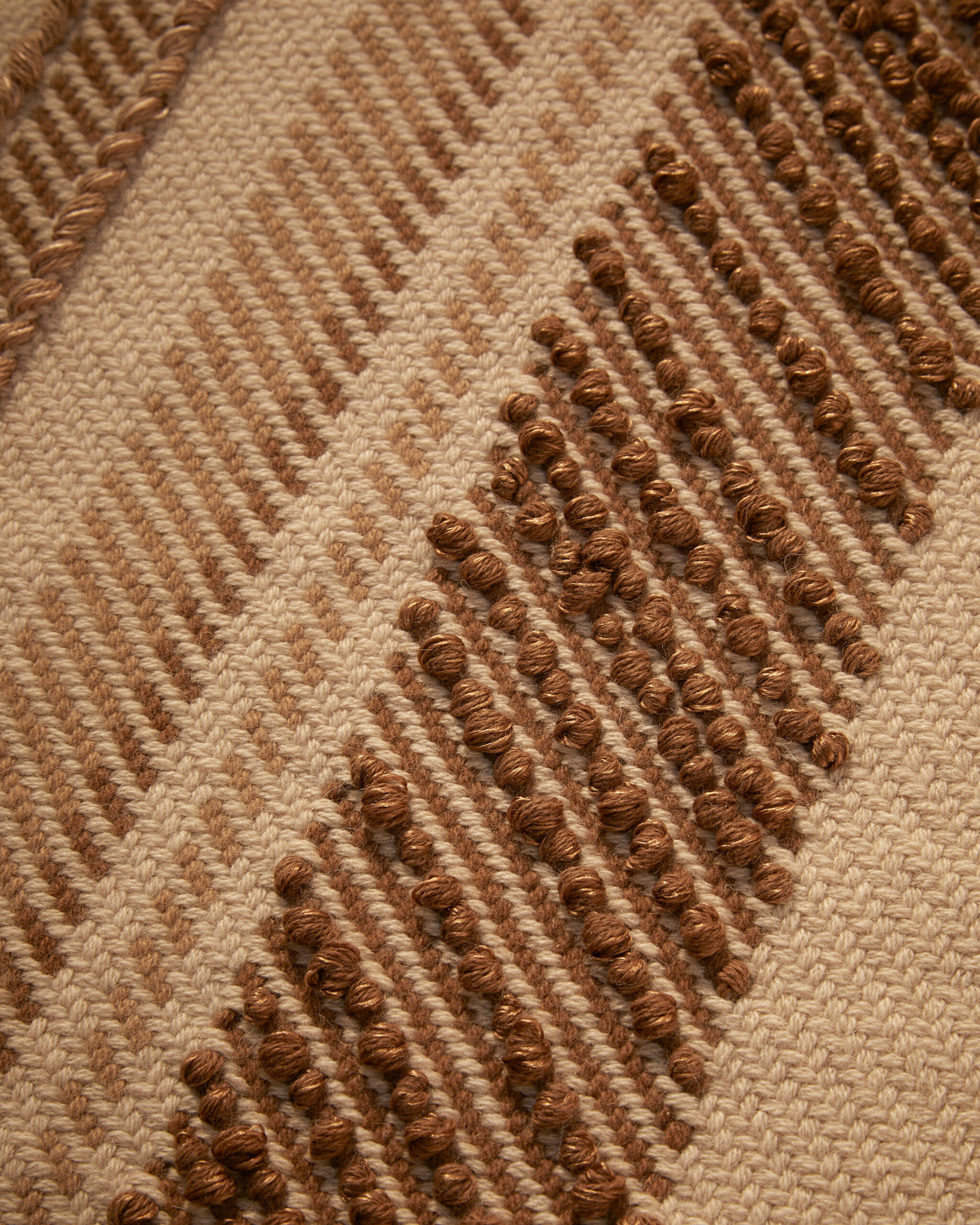
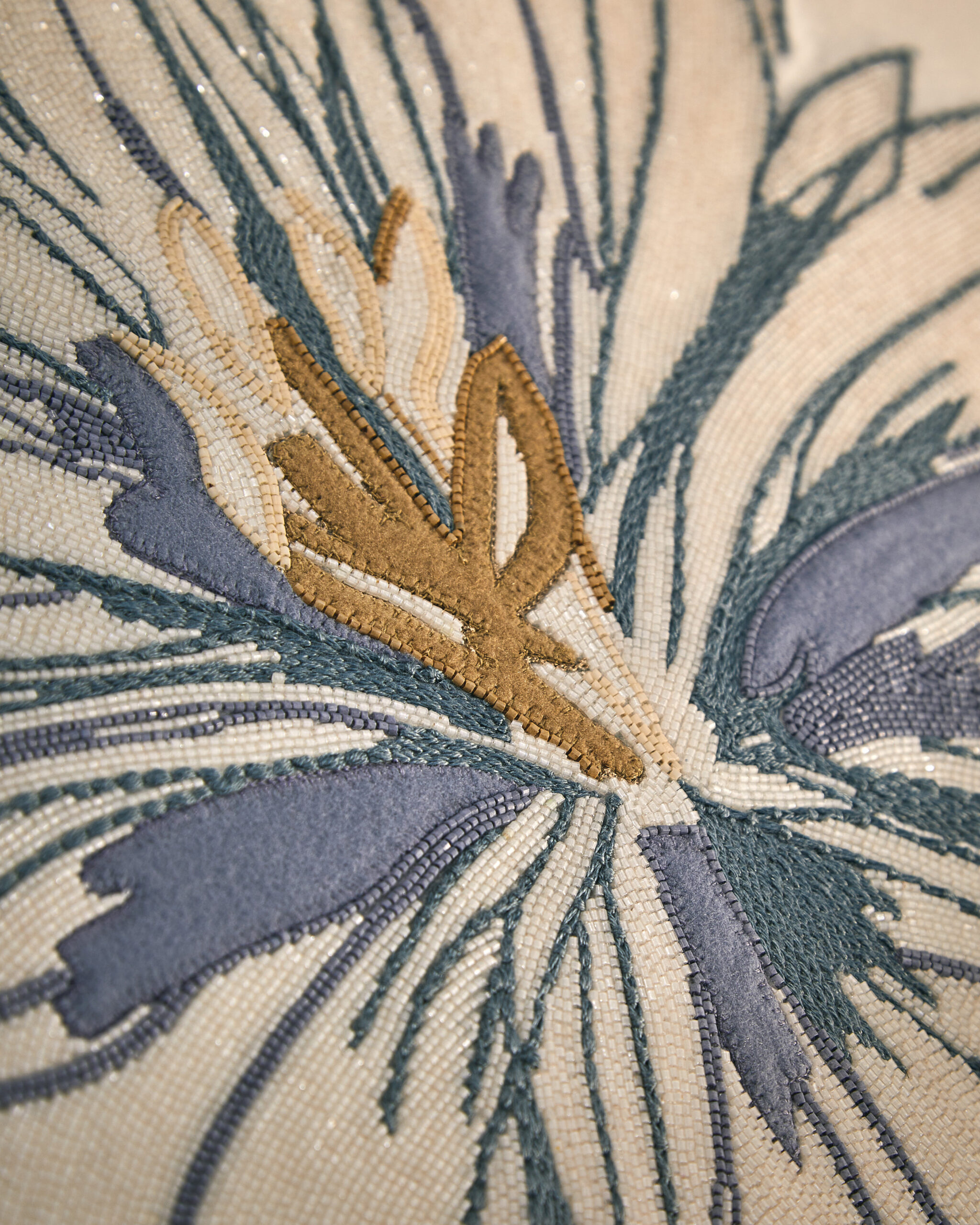
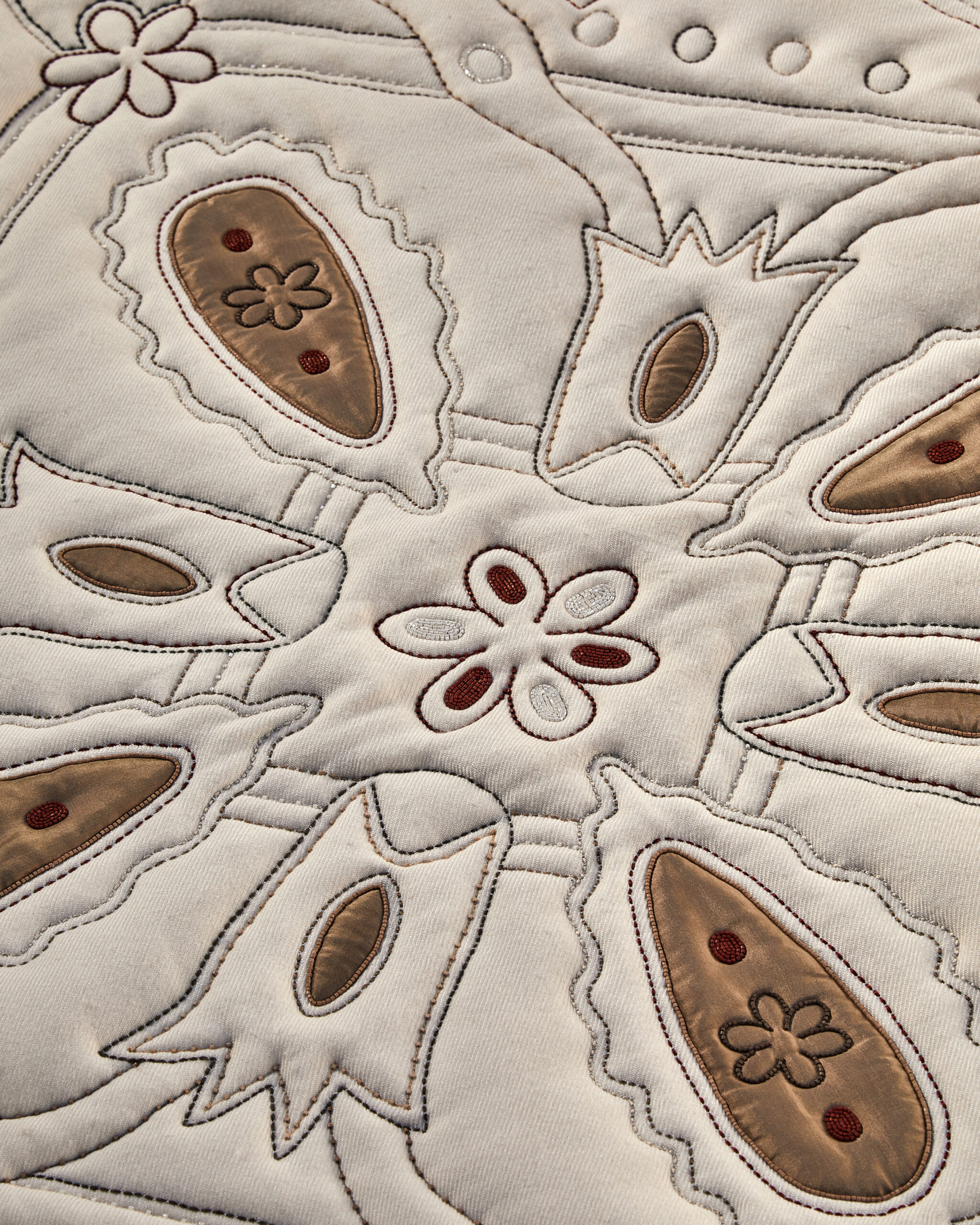
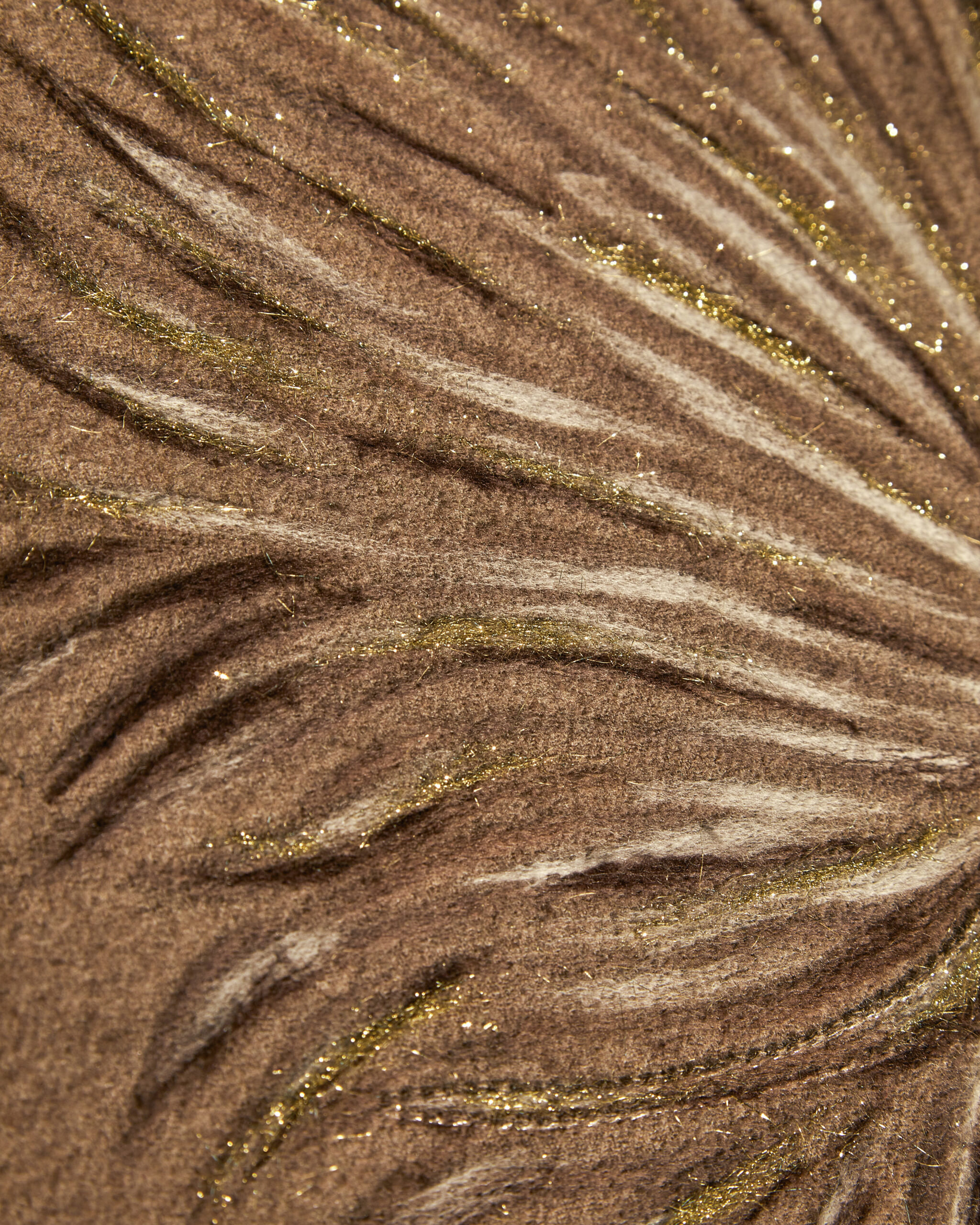
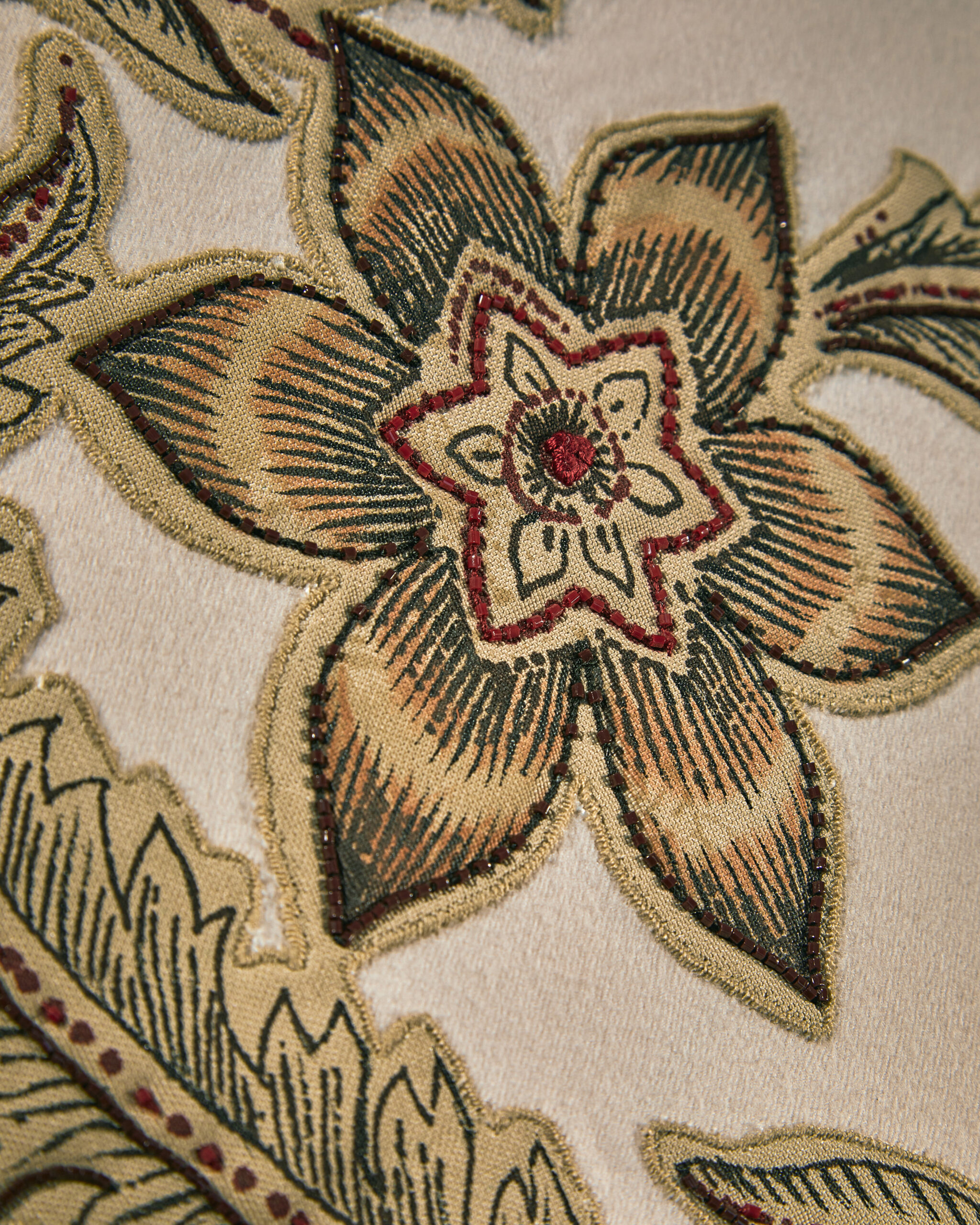
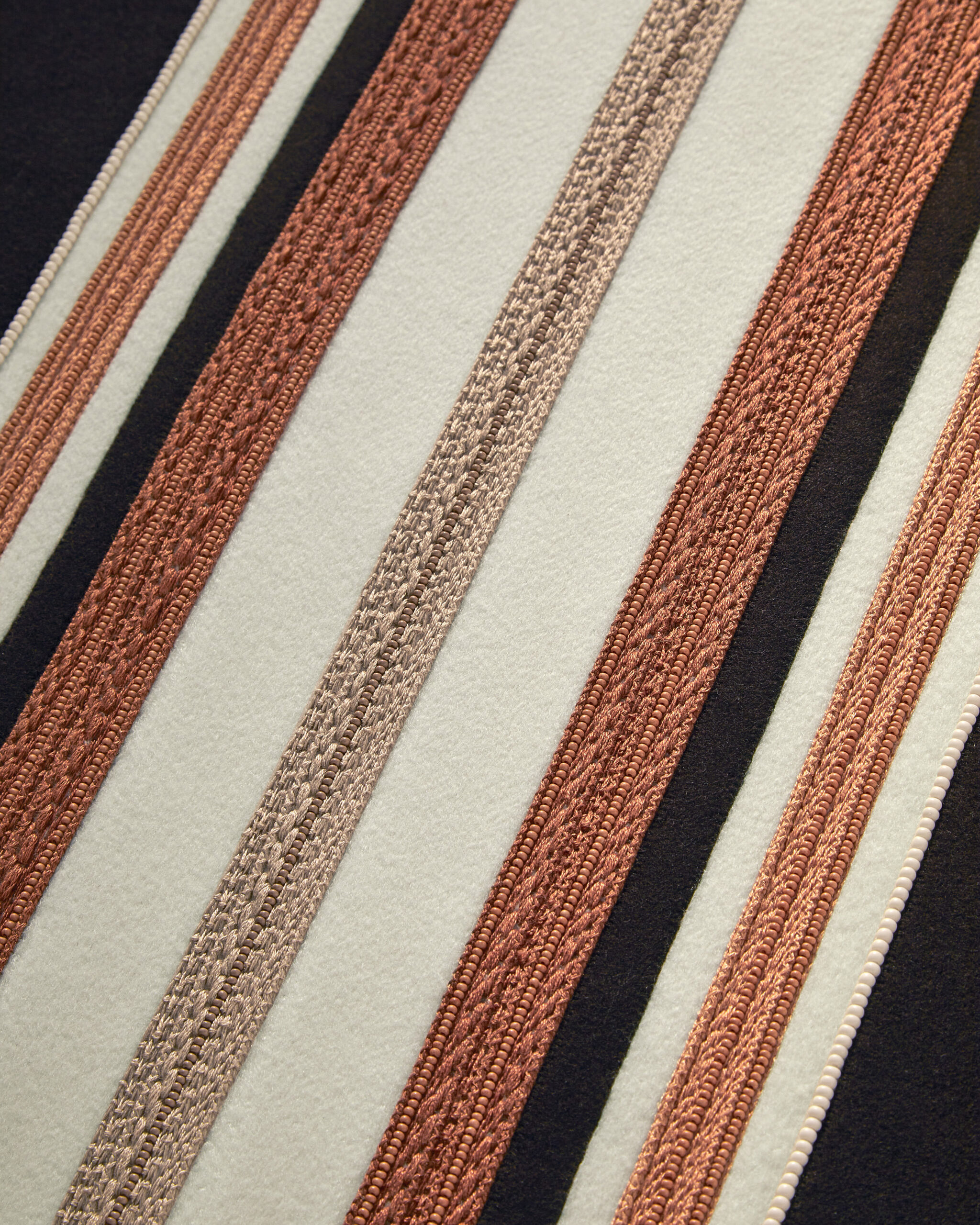
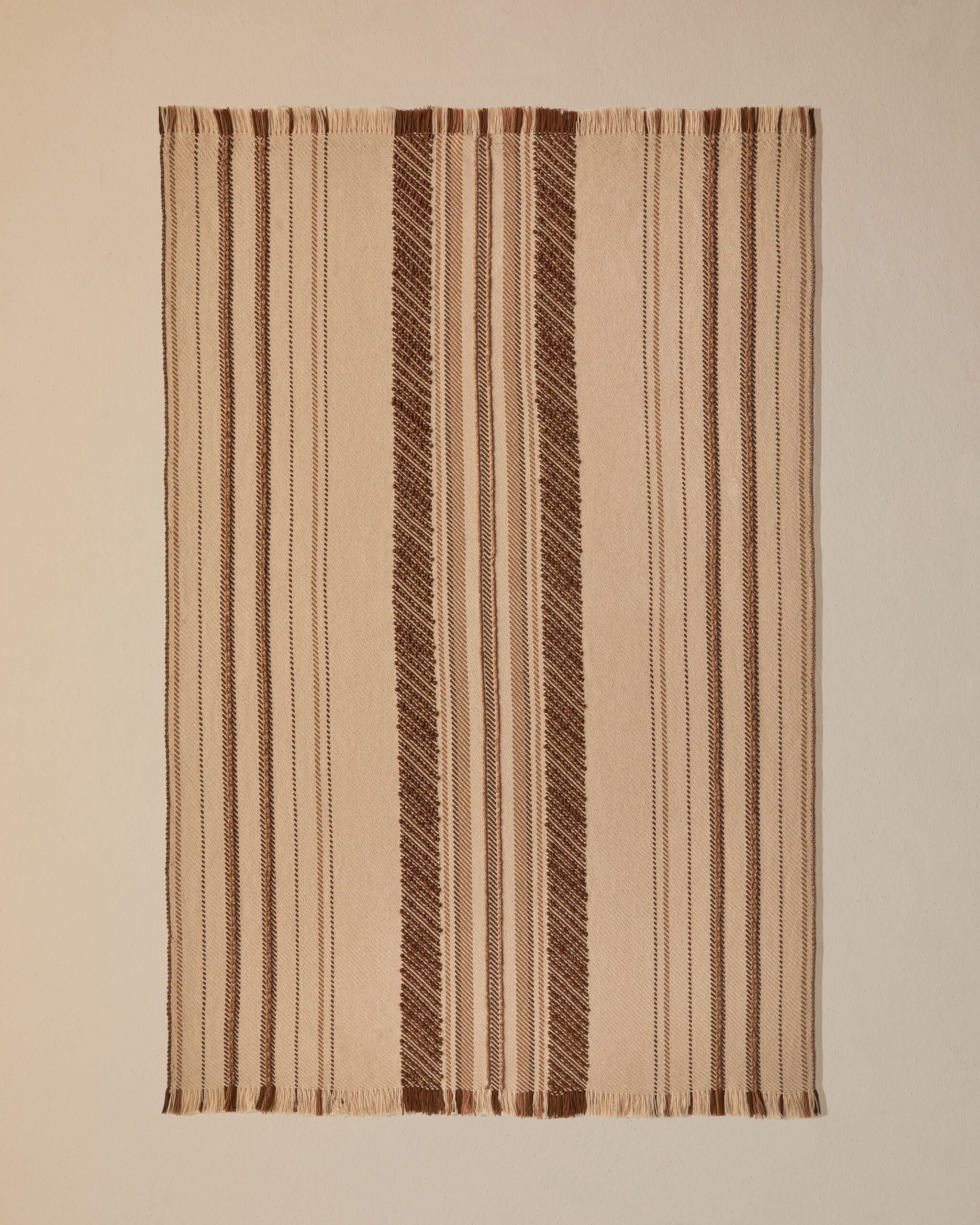
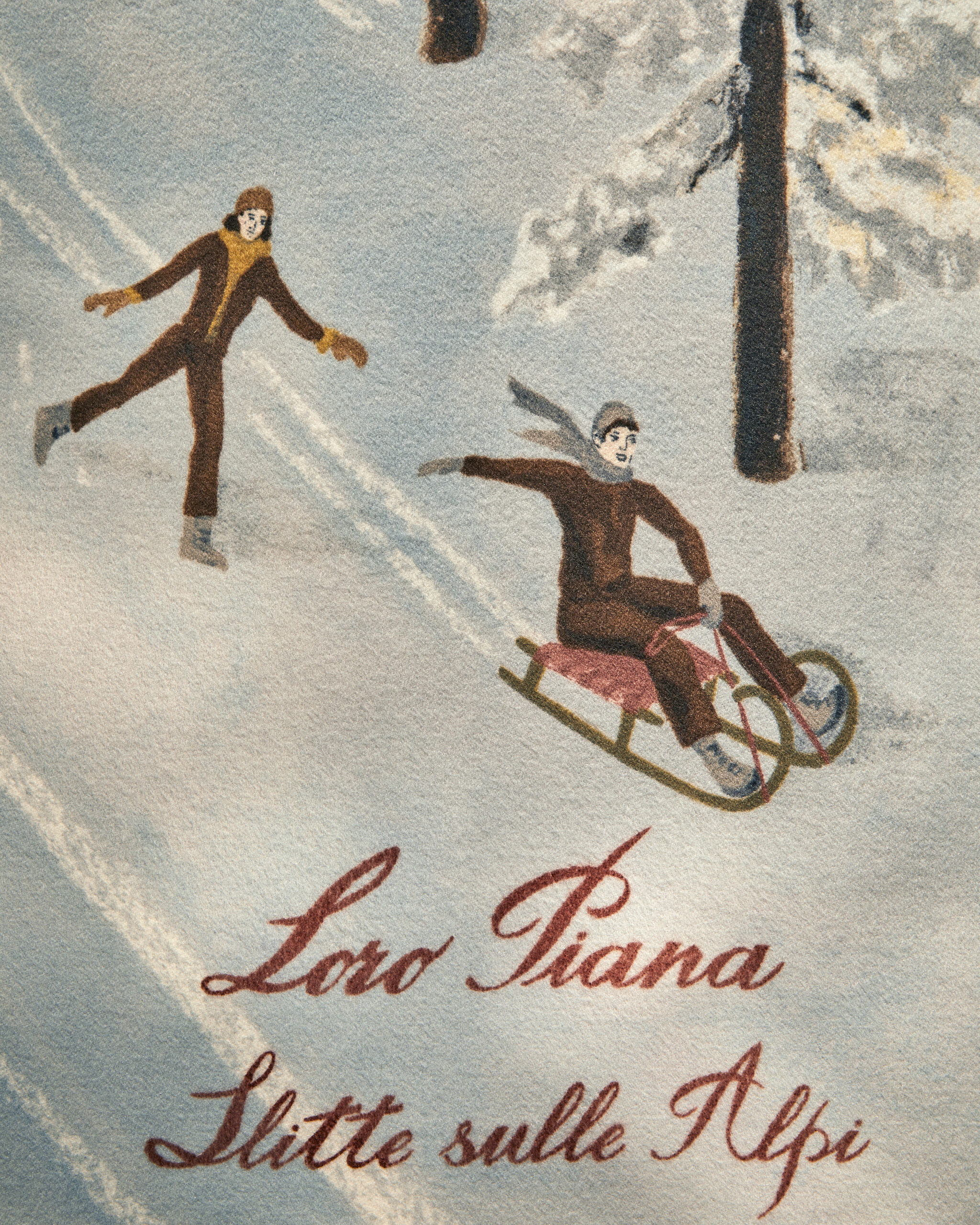
The space is designed as a passage, with suspended textiles that allow each piece to fully open and reveal its structure. Alongside the finished works, raw fibres and yarns are presented, tracing the process from origin to final object. The craft on display ranges from handloom weaving to embroidery and appliqué, techniques each carrying their own rhythm and connotation, filtered through Loro Piana’s restrained sensibility. The materials are the house’s signature Excellences: vicuña, sourced from the high-altitude Andes, where the animals can only be shorn once every two years; Baby Cashmere, obtained from the underfleece of a baby Capra hircus goat, combed out once in the kid’s lifetime before it turns one; alongside linen, Wish® wool and Pecora Nera® wool. Fibres sourced from opposite ends of the earth, each with an origin story that Loro Piana has spent decades protecting.
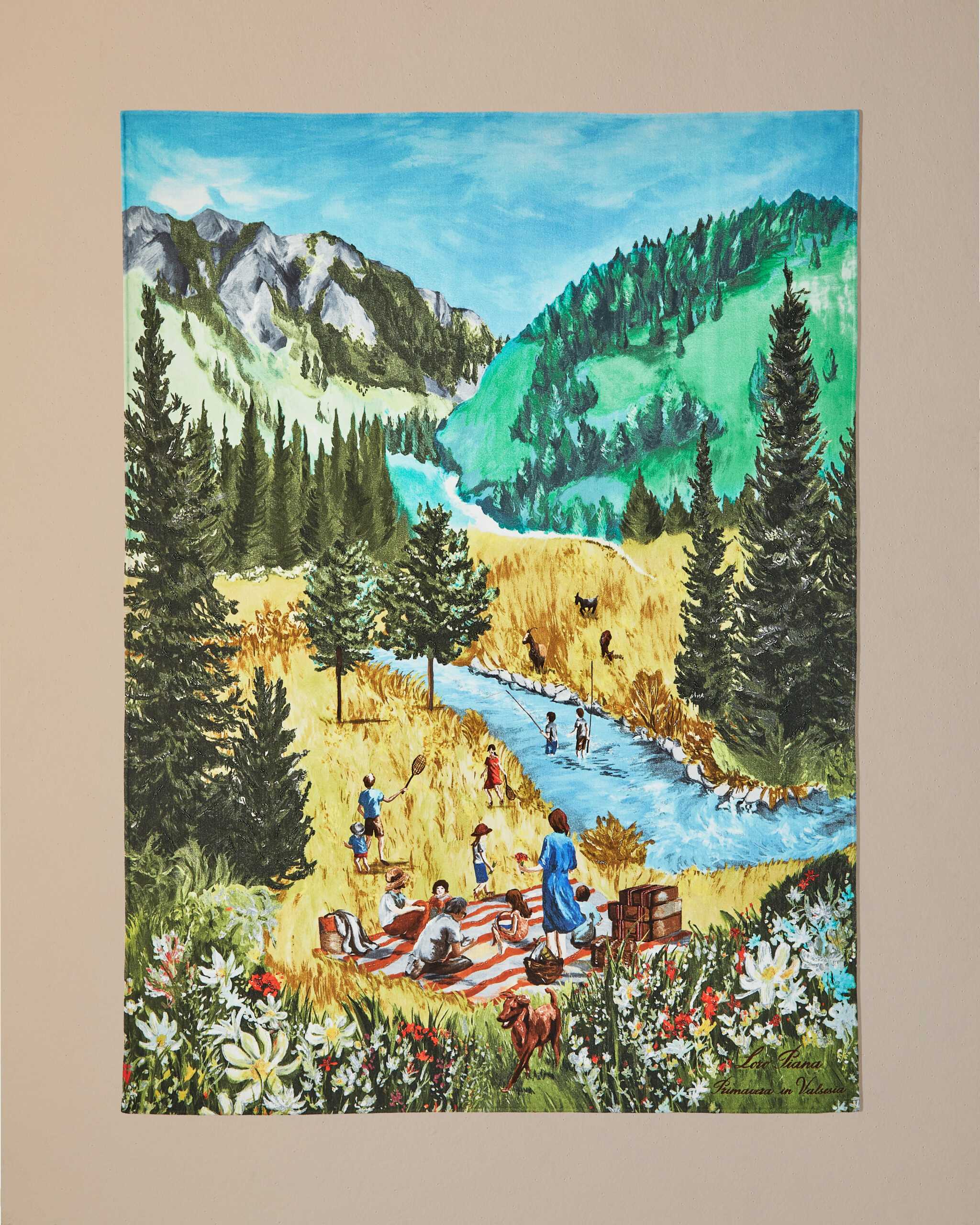
Some of these materials now carry QR codes, a blockchain passport that traces the lifecycle from yarn to finished product, a detail that underscores how seriously the house takes the idea of material provenance. At Studies, that same logic is made spatial: the installation reveals what they’re made of and how they came to be.
The result is an exercise in decoration that quietly refuses to be about decoration. Historic symbols and graphic elements drawn from the house archives reappear across the selection, motifs translated into contemporary compositions, landscapes tied to the brand’s origins, botanical references alongside more abstract forms. Each piece is made exclusively to order, approached like couture. But the installation shifts focus, making it less about the object itself and more about understanding it. A reminder that for Loro Piana, everything starts with the raw material. Refinement is what follows.
Studies, Chapter I: On the Plaid is open to the public at Cortile della Seta, Via della Moscova 33, Milan, from April 21st to 26th, 10:00 AM to 8:00 PM.


