
News


Few reserve the tenderness to treat observation itself as a guide. To value the subtleties in noticing as equal in weight to constructing grand ideas, is to recognise that creation begins first, with care and attention. In that same spirit, experimentation becomes a gesture of trust: a willingness to let curiosity, intuition and emotion lead where reason alone cannot. That’s where “salasil”, a Dubai-based curatorial studio from the minds of Zainab Hasoon and Sara bin Safwan, is distinguished. They design experiences that reconfigure how we inhabit art. With a series of international projects, they curate across exhibitions, book fairs, a film club and more. For the duo, movement isn’t merely aesthetic but is the ethical and natural way of staying supple to the world’s shifting textures. Of allowing thought and practice to evolve with the times rather than crystallise against them. Focused on the radical imagination that determines our futurity, instead of lamenting within the four walls of nostalgia and repetitive building from within a fractured inheritance, they tend to the psychic, social and political debris left by colonial modernity without succumbing to defeat or definition by the past.
salasil privileges quality, depth and resonance over volume. Each project is an immersive, multi-layered experiment in audience engagement and sensory exploration, that prioritises imagination as a frontier; a site of inquiry and possibility. Often, the world of art is haunted by its hierarchies of legitimacy, its extractive gaze, but salasil emerges as an alternative proposition. Rather than producing for the churn of the cultural machine, they compose exhibitions as worlds in themselves. Slow, deliberate, steeped in dialogue. They’re less about constant output and more about making each exhibition meaningful both in concept and experience. It’s a curatorial rhythm that privileges the how as much as the what.
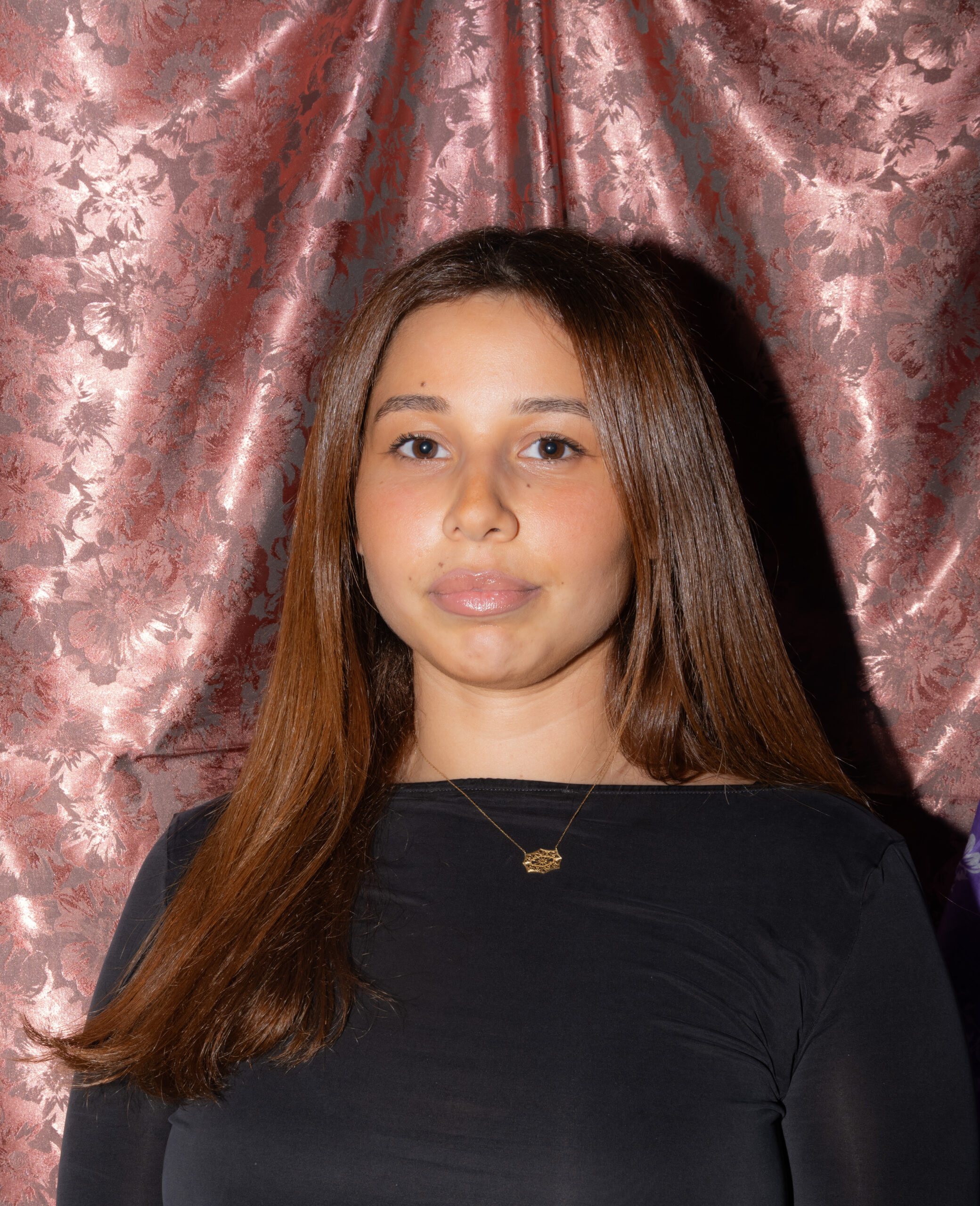
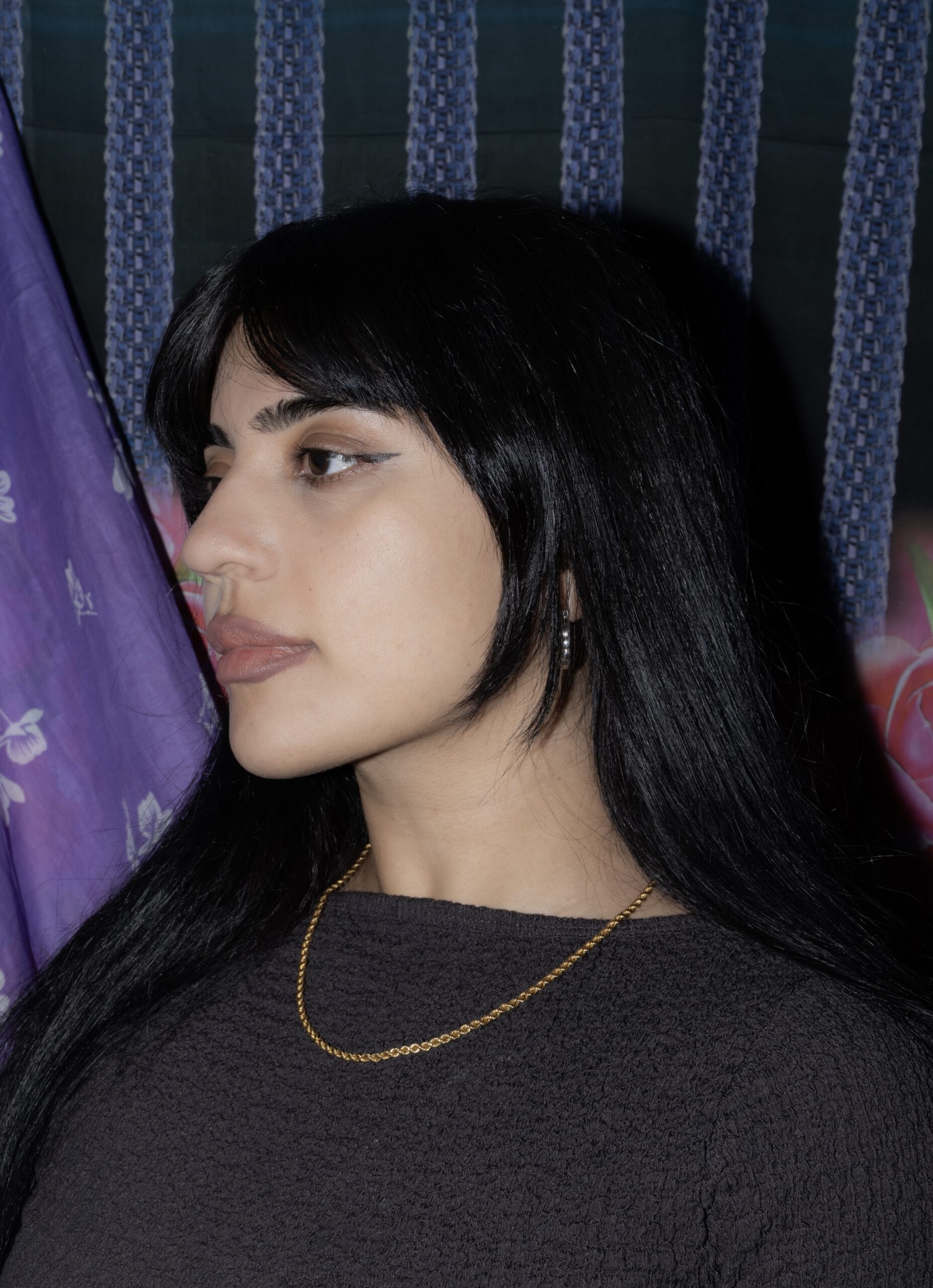
In our conversation, the duo speaks with measured intensity about the politics of slowness, the tension between intimacy and expansiveness, and the importance of dreaming and intuition as a guide and a method. For them, the future of art lies not in definition but in flux, in the continuous act of becoming. Probing the world around you, examining its ruptures, its potential for renewal. It is work like theirs that dares to ask “what now? What next?”
You describe salasil as “a future-focusing curatorial studio tending to care and experimentation.” Can you unpack what that means for you in practice, and how those principles shape the way you build exhibitions and collaborations?
Sara bin Safwan: These principles are super important to our practice as they really facilitate the way that we work, the way that we perceive things, and the way that we shape our output. Making and creating salasil was, in effect, a response to what we felt was not there or what we had wanted to see in our space. We felt that many narratives we currently see in exhibitions, art practices and even discussions amongst peers are stuck in the past, regurgitating the same cyclical ideas. So we began thinking, how can we use the past to think about the future?
I also feel that being stuck on the same narratives of the past is, in itself, a method of control – a way of keeping us in the same space, discouraging us from pursuing, believing or even thinking that we are able to evolve. What we wanted to do was to be very specific in focusing on the future – to dream and think together about what’s next and to always work towards that step so that we are constantly pushing and challenging ourselves. I think that’s really important in a creative practice; you don’t want to be stuck in the same cycle.
Of course, care and experimentation go hand in hand. It’s a mirror reflection of our aspirations. We also wanted to work with people who have exciting and challenging ideas, whether that’s through material or through thought – collaborators who share the same desire to imagine and create differently. I want to go against the norms to accept the differences, and open up the world we can not just imagine to live in, but be a part of.
Zainab Hasoon: I see care as a deliberate and profound way of engagement: how we care for things, how we care to things. Care, in this sense, is not simply effort or diligence, it is a form of thought as attentiveness and repair. It is perhaps a way of holding the world, and the people, ideas and projects within it, with responsibility and awareness – particularly in the face of despair, and these suffocating times. It is a practice of ethics as we confront what otherwise is fragile, neglected or overlooked and silenced.
Experimentation within our practice or practices we engage with is allowing curiosity, intuition and emotion to guide the outcome rather than fixed rules or expectations. It’s about trusting your gut feeling and being guided by the unpredictability that comes with it while using freedom as a method and approach.
You mentioned to me on our last call that salasil is a homegrown, organic practice, noting how older art movements often began in groups or duos. How do you see yourselves in relation to that lineage? What does working as two bring to your process that’s different from working alone or within a larger institution?
SS: Our project began through conversations and by chance. I feel that it grew out of multiple encounters during our travels, the people we met and the art we experienced. Naturally, from all of these exchanges, it evolved into a project that we wanted to fulfil and keep nurturing.
I often think about early artist groups from Morocco to Iraq, where artists would come together to think collectively, exchange ideas and create in community. These collectives often emerged as ways to create change, to challenge what was around them, and to carve out new spaces of thought and practice. They would engage in critique, intellectual conversation and reflection, but also do things together like go hiking, share meals or attend parties. These moments, even though they happened outside of a formal workspace, deeply contributed to their lives and practices.
I feel the same way. For us, it’s never separate. We could be going on a hike or a road trip somewhere, and we’d find ourselves inspired by the environment and the nature around us. Those experiences help us think about our next project or what we want to focus on.
It’s in those in-between moments that ideas begin to form. They become the foundation for programs or exhibitions that connect with people, not necessarily in a “relatable” way, but through small stories, encounters or feelings that others might also come across in their own lives.
Working individually or independently, rather than within an institution, allows us to be free in our thoughts, not constrained or restricted, something we’re constantly trying to defy in a place monopolised by institutions. Even when we work with institutions, there’s always that struggle to break norms and boundaries. In many ways, part of the work we’re doing is also about teaching institutions what they should be doing to support independent practices.
Thinking back on your personal journeys, from your education to your earliest curatorial experiments, what painful, romantic, absurd or just human moments stand out that today shape how you choose what to show, how to show it and why?
SS: Coming from a place where art wasn’t easily accessible or even understood, my upbringing was shaped by that. To now see a more established infrastructure, with people who share similar interests and want to connect, has been incredible. Watching our communities and spaces grow has been something really meaningful to witness.
Of course, there are always frustrations, and there’s still a long way to go, but they come from a place of wanting to grow, to make things better, and to find ways of supporting our practices so they don’t become consumed or distorted in ways that feel untrue.
Being able to speak about shared inspirations and uncover histories we didn’t know about before has been deeply affirming. It makes me realise that we are all, in our own ways, committed to understanding and preserving our histories together.
ZH: The first thing that comes to mind is when a director once told me I could only do 10 per cent of my project, after promising that it was “my space” and that I had the freedom to work on anything. At the time, it felt like someone was taking away my imagination and willingness to dream, but it ultimately taught me to find other ways to get what I want, to learn how to negotiate without ever compromising my ethics or vision and to carve out my own space where I can pursue my work with integrity.
Your practice resists categorisation, evolving in dialogue with the world around it. How do you balance expansiveness (working across mediums, themes, geographies) with intimacy (deep relationships with artists, emotional honesty, personal stakes) and keep it authentic whilst doing so?
SS: Resisting categorisation is our way of trying to stay authentic with ourselves and with the people that we work with. Nowadays, everything wants to be either branded, used as a nation-state project or made to fit into larger narratives that benefit things we don’t necessarily trust or believe in. It’s about constantly thinking of ways to keep changing and evolving, rather than being stuck again in the same cycles of doing the same things. It’s something that we experience and see often in the spaces we work in.
And I think resisting categorisation is also about resisting staticness. We aim to always be evolving and changing. What we’re working on now doesn’t necessarily mean it’s what we’ll be working on in the future. It’s about staying flexible and allowing our interests and thoughts to move with the times we’re in. Everything moves, everything changes, and I think our practice should reflect the way we’re operating in the world.
There have been many times when we’ve been approached to deliver a specific theme or recreate the same feel of a previous project, but that becomes restrictive. It’s so easy for institutions to see something they like and try to replicate it over and over again. That kind of repetition is something we’ve grown tired of working within.
I was struck by the concept behind backbone, your group show of six artists “who engage in risk and interruption within their practices.” The way it threads together ideas of internal strength, vulnerability and connection, while also resonating with the Arabic word sanad, as support. What was the process of translating such an intimate, anatomical idea into a curatorial language that could hold risk, interruption and multiple artistic forms?
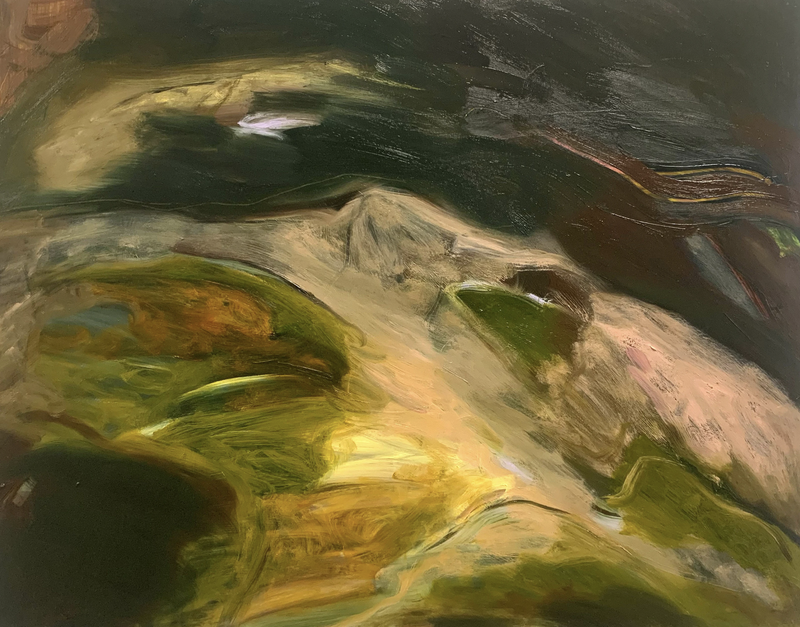
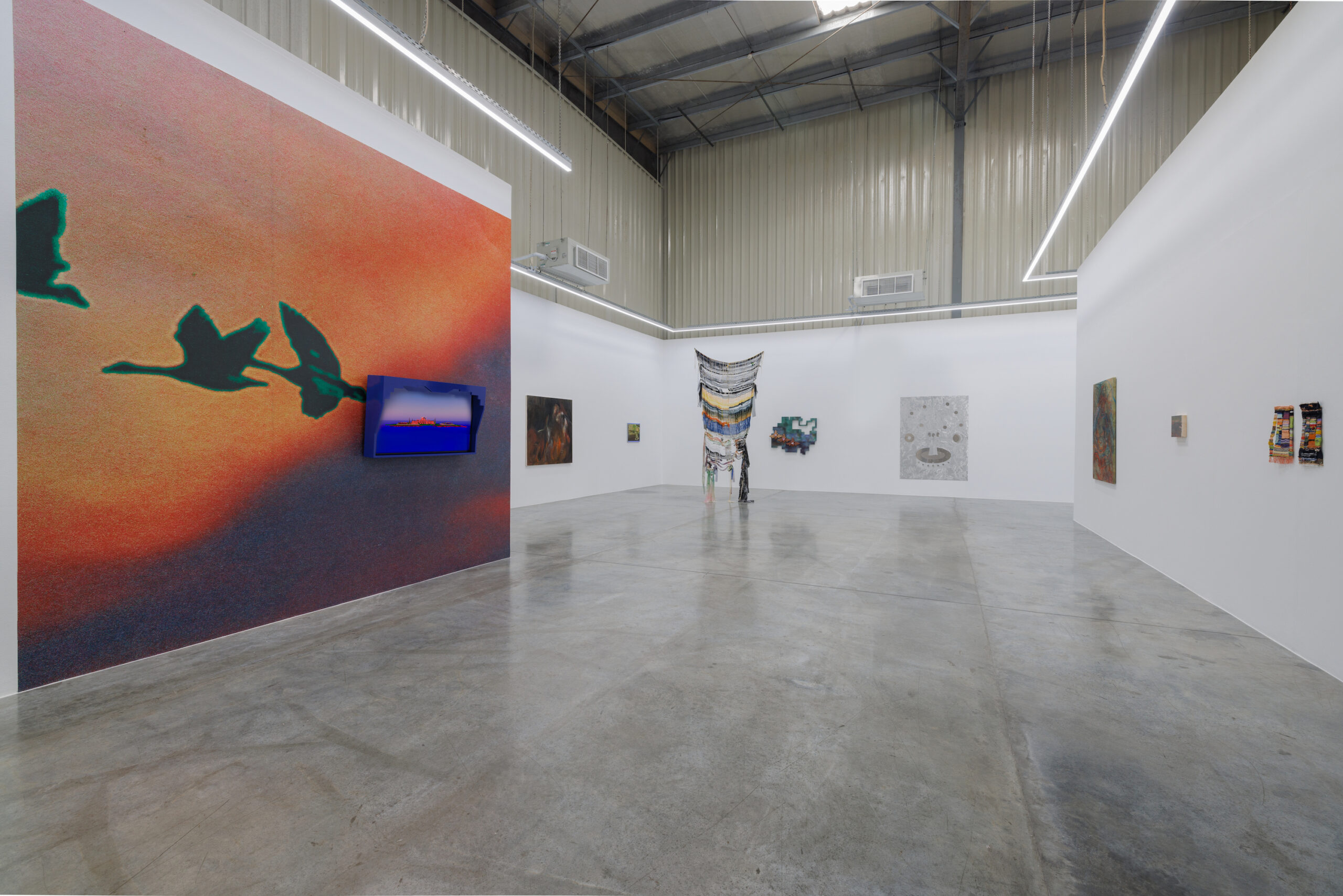
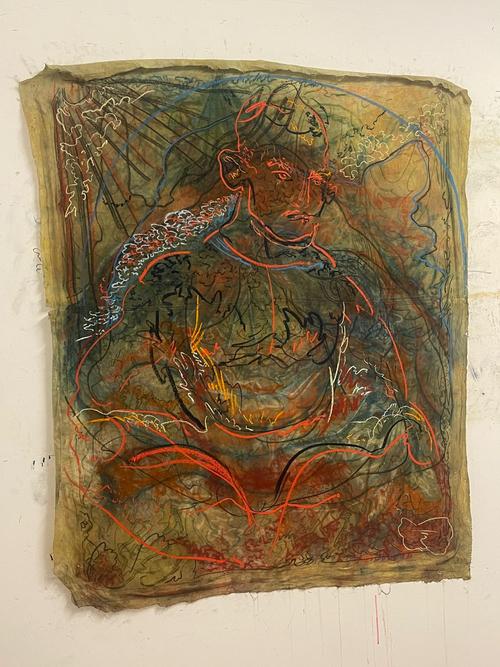 SS: backbone was a way for us to have a bit of fun and experiment within a commercial setting in Alserkal Avenue, to see how we could introduce a new aesthetic and conversation into that space. We were bringing in artists who were either exhibiting in Dubai for the first time or had shown there only rarely. Even to put these names together… It felt exciting to see new names entering the scene.
Beyond that, backbone was interesting because it came right after our first major show, Crystal Clear. We were essentially closing Crystal Clear while opening backbone at the same time, so it became a real period of reflection for us. I think that’s what led us, through backbone, to start looking inward, to explore our inner worlds and think about how those internal spaces shape us, motivate us and push us to create in new ways. The show made the inner world into a material reality.
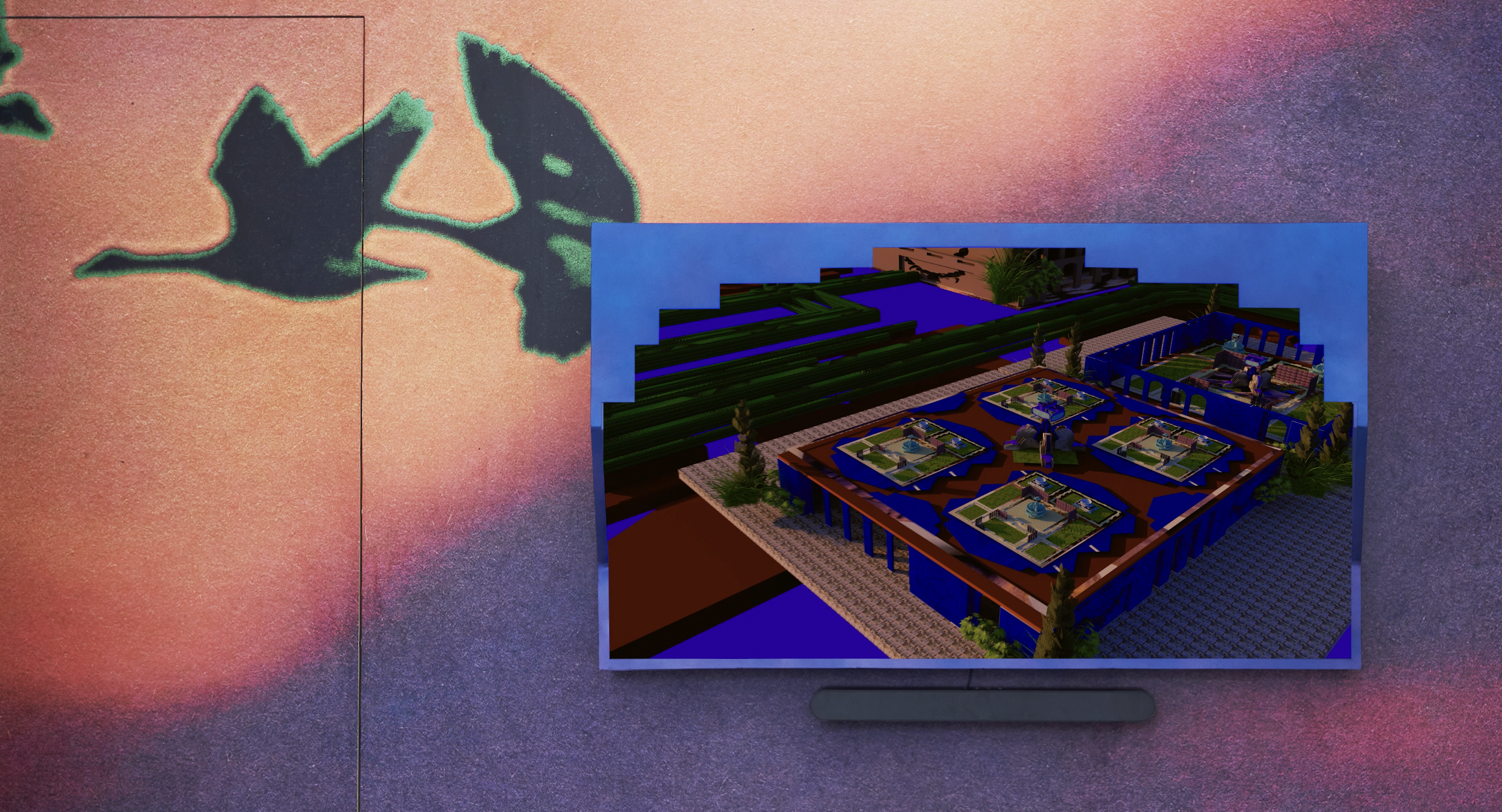
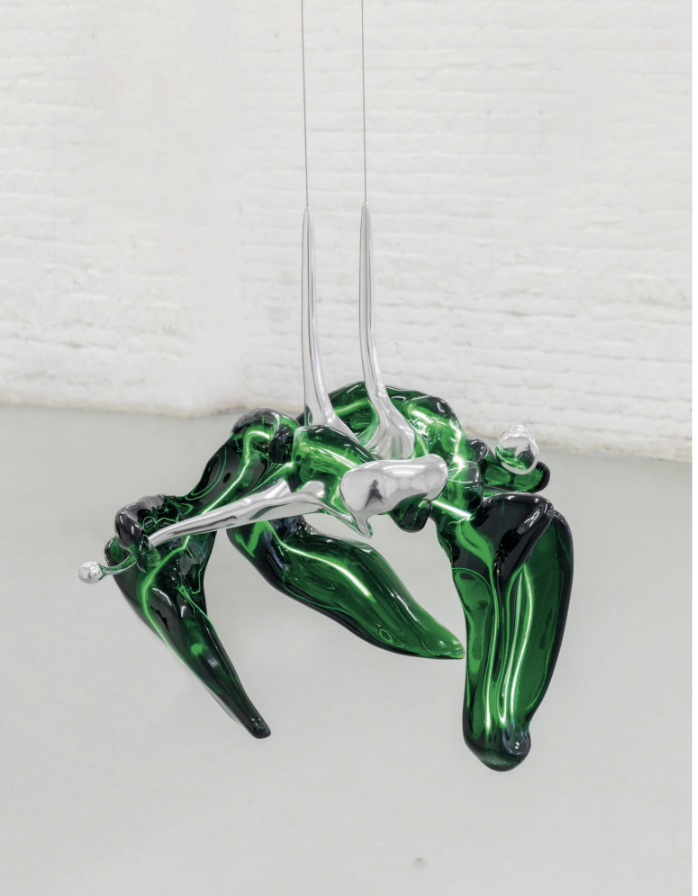
ZH: To add to that, it was a time filled with urgency. We had this momentum, and we wanted to keep it going. That’s what came out of Crystal Clear. The show had lasted for quite some time, and because we had a physical space, we were able to host programs around the works in the exhibition and learn different ways to engage with them through sound, workshops, lectures and activating our library. We could genuinely feel the visibility and presence of our peers and friends. That energy and momentum pushed us to continue building on what we had started, and to respond to that collective feeling of wanting to fulfil our practice, on our own terms, in a time where censorship was at its peak.
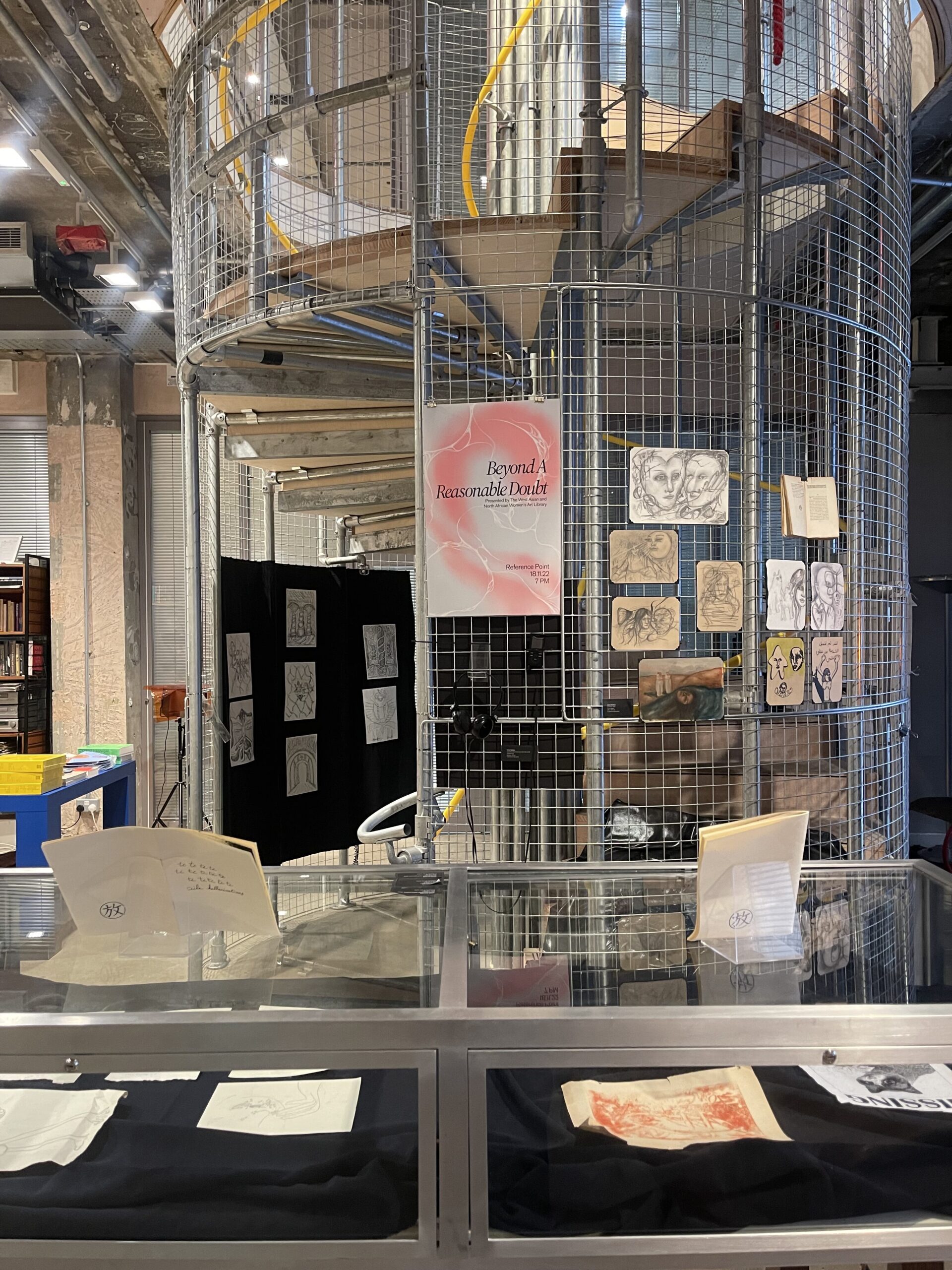
In your 2022 exhibition, Beyond A Reasonable Doubt at WANAWAL & Reference Point, the opening incorporated performances, a short film and even a culinary experience inspired by Etel Adnan’s poetry and practice. Can you talk me through your approach to integrating these diverse sensory and disciplinary elements?
SS: It was truly a privilege to work with the West Asian & North African Women’s Art Library and to have Etel Adnan’s poetry as a starting point. Thinking about and reading her words allowed us to expand, to live within that dream state and to be immersed in the elements that surround us, whether through food, the mountains or our lovers. In reading Etel’s poetry, I often felt that she was saying words I had always felt but had never been able to pinpoint or express myself. Her language opened up something deeply emotional and intuitive. A space where memory, love and the natural world could all exist together.
It made us think about how we preserve those moments within objects. I remember working with Sophia Al-Maria and Michèle Lamy, who used an excerpt of Etel Adnan’s poetry in her video, which was so powerful. It reminded me how deeply Adnan’s words continue to resonate with so many people today. This was heightened through lyrics, sound and food that allowed us to spend time together with words that connected all of us.
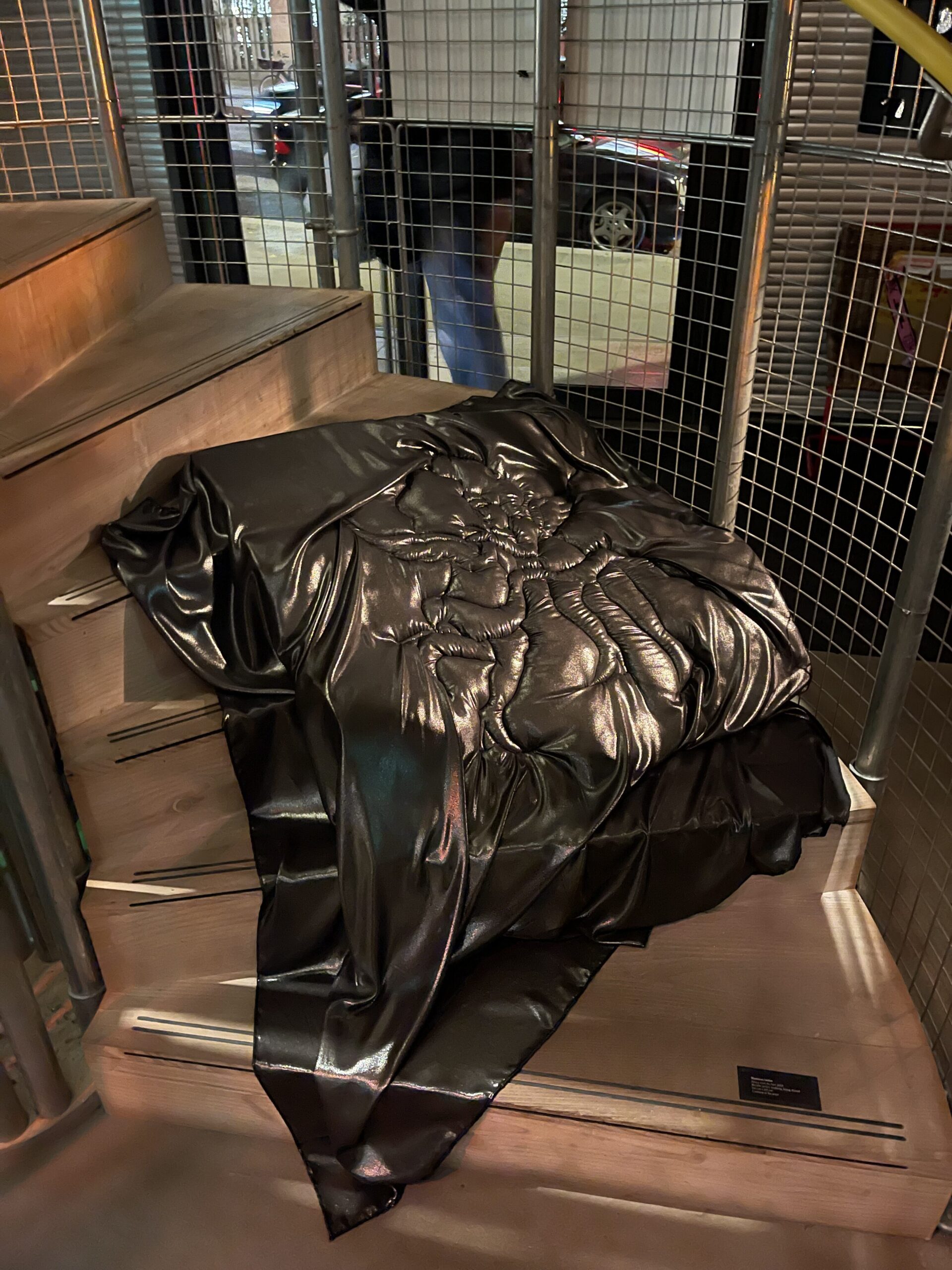
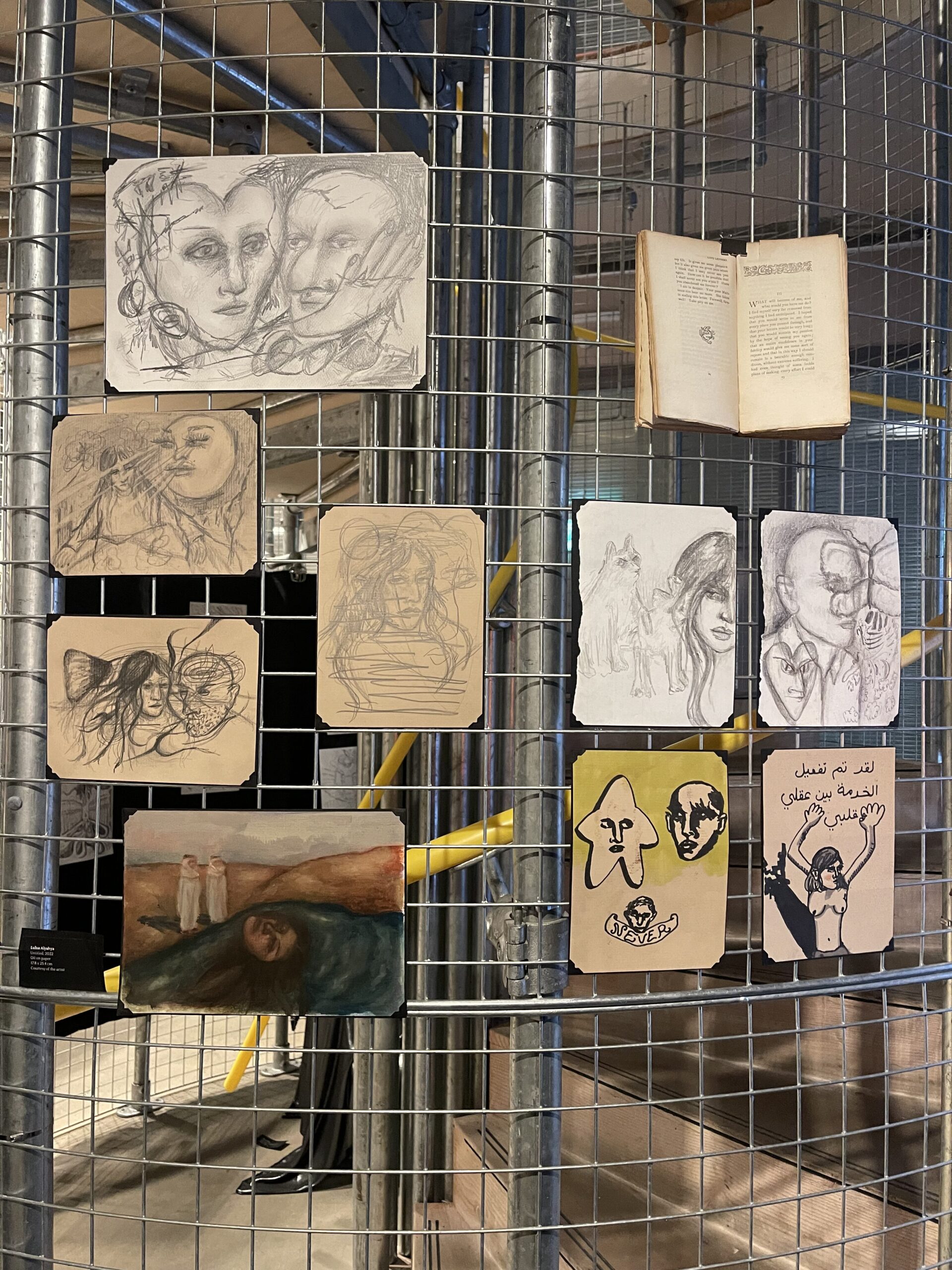
We were also guided by the ethos of the library itself, the preservation and archiving of materials from women artists across the region. In many ways, all of the artists we worked with were engaging with preservation as a method of keeping something alive: an emotion, a fleeting moment, a trace of intimacy or memory that might otherwise fade. It became about how to hold and share those moments, how to give form to what is often invisible or ephemeral.
ZH: Working on Beyond a Reasonable Doubt was incredibly special; it was Wanawal’s first exhibition and the first time Sara and I worked that closely and with so much openness, alongside the trust of our friend and the founder, Evar Husseiny. There was this sense of intuition guiding each gesture and thought. It was exciting; it felt like the work was leading us.
One of my favourite moments was when I was at Reference Point, with Etel’s book next to me, Wanawal’s first acquisition in their collection, as Sara mentions. A random person asked me about it, and by chance, they told me they were working on a film inspired by the same text. I immediately said, “Your film has to be in our show!” That film, featuring Michèle Lamy, ended up being shown at the opening. It all came together so naturally that it felt meant to be, and the pun is really intended.
Globally and in the MENA region, art institutions are often critiqued for being a bit out of touch with lived realities. To me, salasil feels like a breath of fresh air. How do you see the role you’re carving out within this wider landscape, and what kinds of gaps or overlooked conversations were you responding to when you founded the studio?
ZH and SS: I think institutions in the region still have trouble understanding that, at times, we need to separate the individual from the practice. It often turns into a branding exercise. So many times, we’ve told people that we don’t want to have our headshots or our names included; we just want to work under our studio name. It’s a way to detach the persona from the practice, because at the end of the day, our work speaks for itself, and it shouldn’t matter who the face behind it is. That comes from wanting to share a space rather than own it.
Another thing is that institutions constantly expect something from you. There’s always this pressure to produce, to deliver an output. But it’s often done in a very extractive way, where they rarely honour the practice itself. Sometimes I just wish we were given the softness and slowness of time, because everything else around us doesn’t operate that way. Many of our best ideas don’t come from residencies or within deadlines; they come from having the support and understanding to take our time, to feel, reflect, digest and truly think about the work we’re doing and what we want to put out into the world.
There’s also this ongoing expectation that, as Arabs, we should always be speaking about decolonisation or identity. But there are other, more urgent matters that feel important to us. In our work, we talk about the dream state quite a lot. We like to live in that space because it allows us to imagine different ways of being, to think the unthinkable. Our world is often full of harsh realities, and I don’t see the dream state as an escape from that, but as a way to move between those lines, between reality and imagination.
Institutions, on the other hand, are too rooted in the world of reality. When we propose ideas that embrace slowness or unconventional ways of working, it startles them. They function within rigid structures and hierarchies driven by statistics, numbers, outputs and audiences. But I would love to see institutions break away from that, to support and join us in this kind of dream thinking, so that together we can reshape how we work and how art is allowed to unfold.
In what moments have you felt you (or salasil) crossed a threshold, a rite of passage, for instance, when a project changed who you are, what you believe or how you work? Do you think that has happened yet?
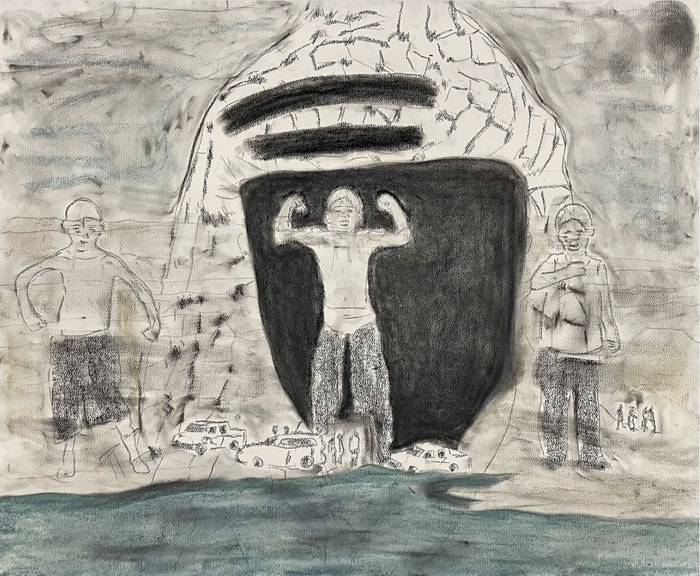
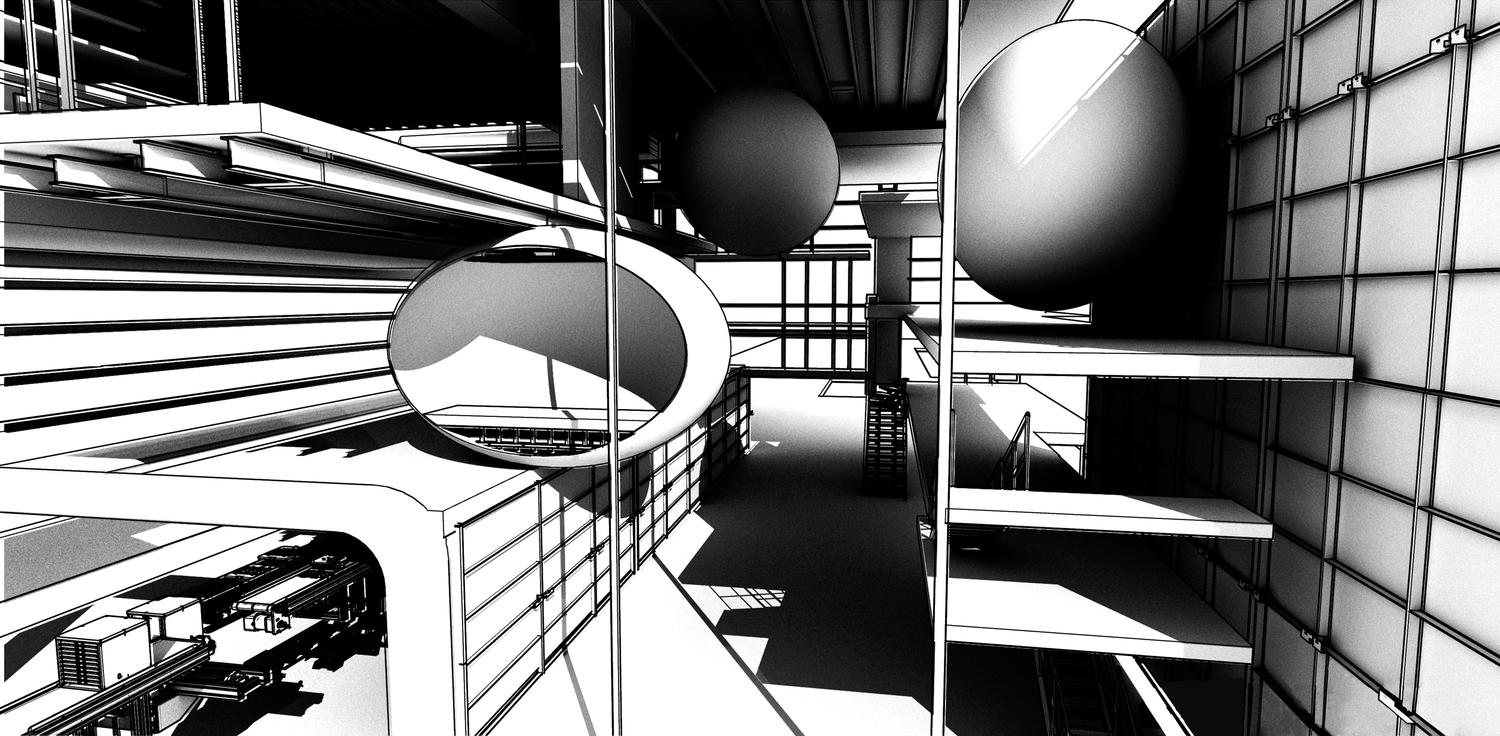
The rite of passage really came from working on Crystal Clear. We went through so many obstacles and heard “no” from so many people, but somehow, after that exhibition, with the support of a few who believed in us, things shifted. It wasn’t done in a grand museum or a big space; it was a very intimate and personal show that reflected the times we were living in and what was on everyone’s mind at that moment.
It reminded us that we didn’t need a huge budget, institutional validation or big artist names to create something meaningful. Crystal Clear made us grow a lot. It gave us a sense of freedom to create what we wanted to see, what we felt was missing in our own space. That, for me, was the true threshold, stepping into the confidence that our vision was enough.
Could you describe the kinds of films, books, objects and material that make up salasil’s Film Club and library, and how you decide what to include to reflect the region’s artistic and cultural practices?
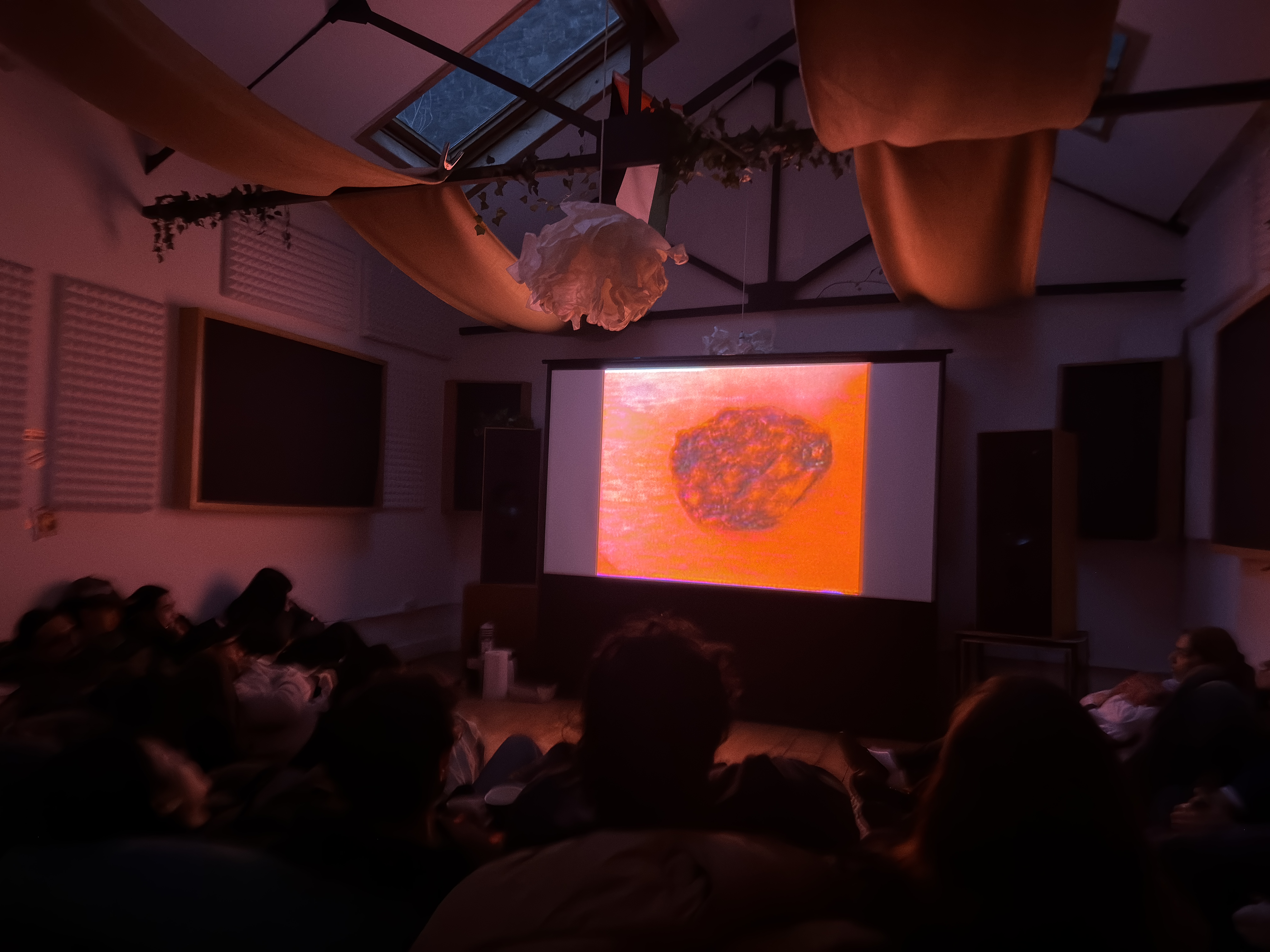
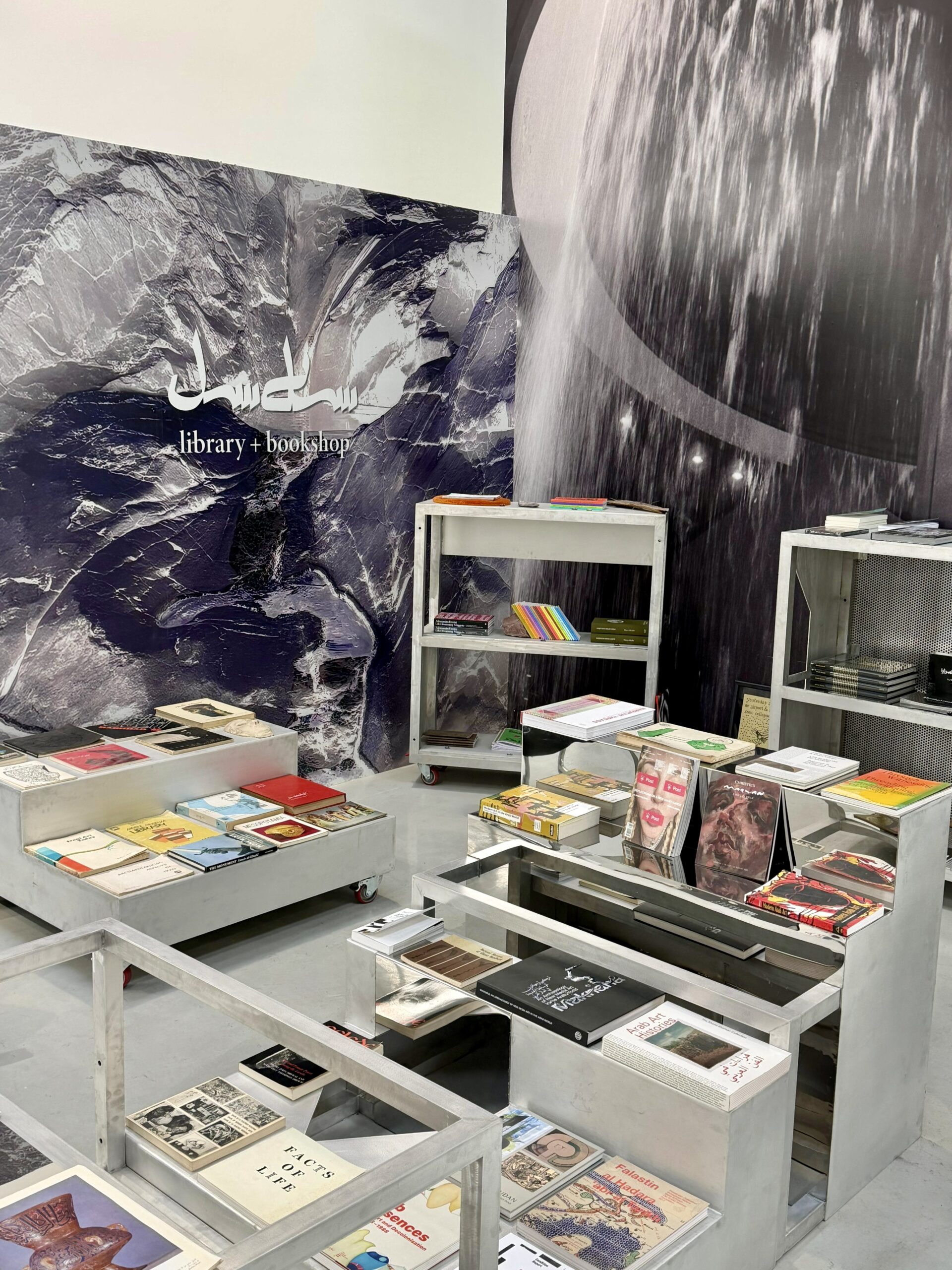
ZH: salasil’s library is the culmination of years of hand-picking, collecting, archiving and carefully selecting materials, a process of finding, storing and smuggling until it could finally be called a library. It contains rare and valuable materials that we consider as objects and artefacts that carry histories, sensibilities, visual languages and a timeline of artistic practice, helping us trace oral histories, understand the evolution of image, explore ephemeral experiments and the ongoing practices of regional artists.
The collection includes artist-made books, independent publications, collectable items, rare art magazines, exhibition catalogues from past shows and art fairs.
In bringing together artists like Ruba Al-Sweel, Hala Alsalman and Yara Asmar, the Film Club highlights how moving image practices in the region have evolved. What stories or shifts do you feel these films collectively reveal about the region’s artistic identity today?
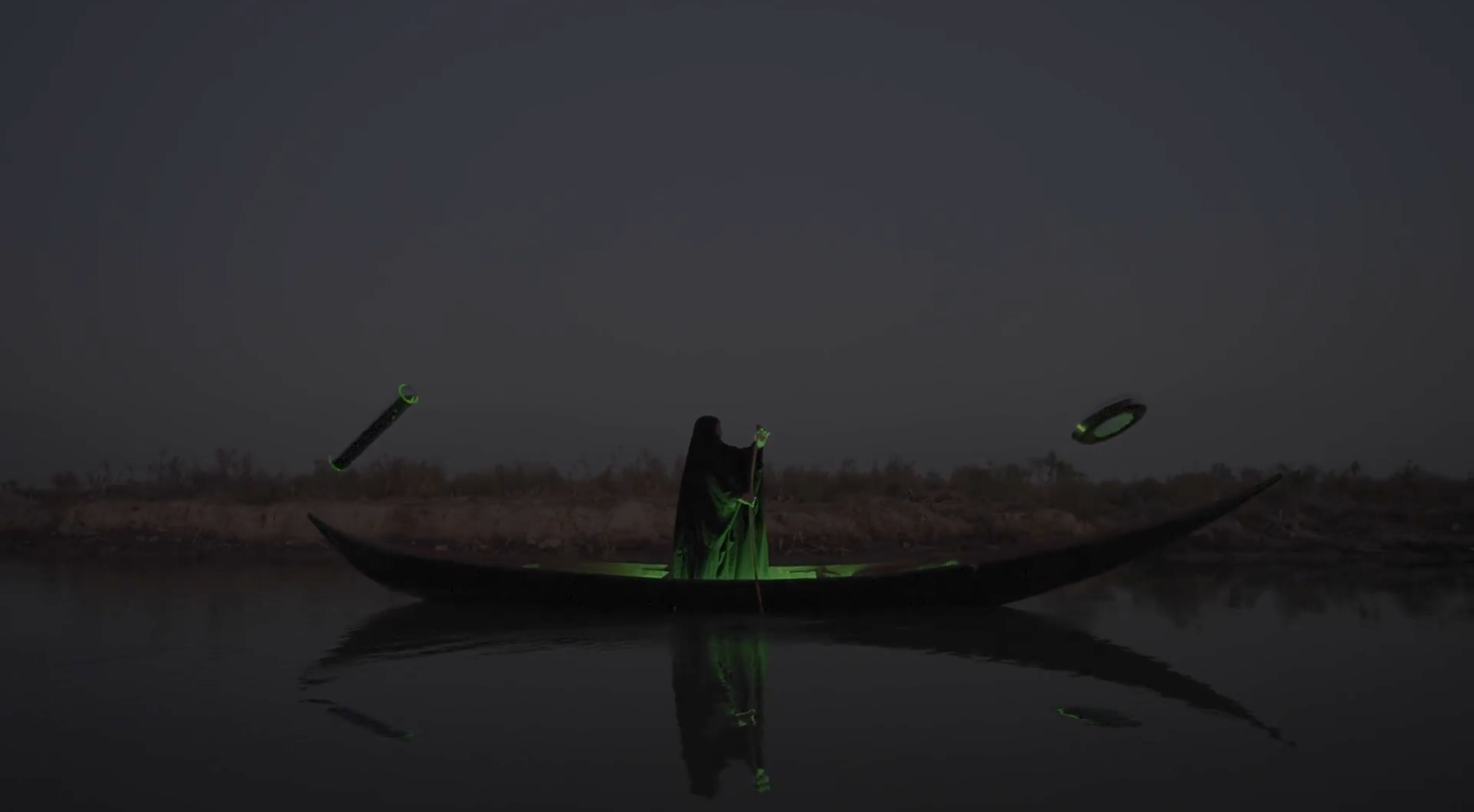
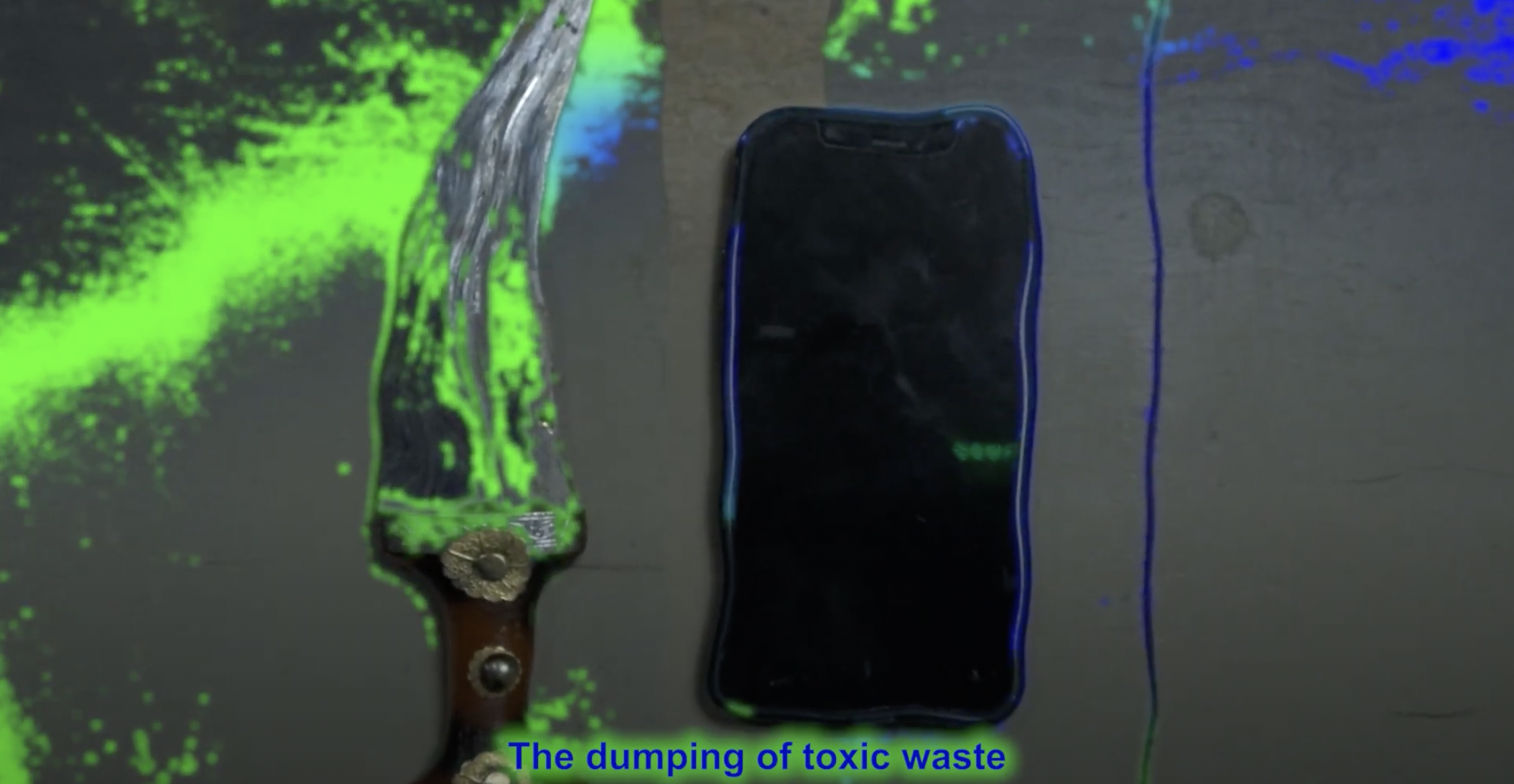
ZH: Ruba Al‑Sweel’s work interrogates how digital infrastructures, algorithms and visibility shape perception and experience, revealing an artistic identity that is attentive to mediation, temporality and the politics of information with a focus on networked communication and the online digital experience. Hala Alsalman excavates histories and futures simultaneously, using cinema, collage and material practices to explore memory, politics and temporality, showing how contemporary practices in the region are engaged with complex layers of time, experience and imagination. Yara Asmar, through her intimate, lo-fi and analogue approaches, weaves dreamlike narratives that merge personal memory with collective archive, demonstrating an experimental sensibility in which form, materiality and story are in continual dialogue. The program highlights these emergent practices, emphasising how moving-image work is inventive, responsive and constantly evolving, revealing shifts in perception, storytelling and artistic imagination and approach.
Taken together, these works reveal a regional artistic identity that is not defined by static categories but is actively shaping itself through risk, intuition and responsiveness. The film club does not rely on dialogue but rather on a new language created through the various approaches to moving images.


