
News


There is a school of thought in watchmaking that the most significant thing a house can do is not overhaul an already great design. Watches & Wonders 2026 was, for several major houses, a year defined by exactly that impulse. Rather than chasing pure novelty, Vacheron Constantin, Audemars Piguet, CHANEL, and TAG Heuer each turned back toward their own archives and asked a more demanding question: what would this look like if we got it exactly right?
The results are not flashy in the way that a first-ever complication or a radical new case shape tends to be flashy. But they are, in many ways, more interesting. Evolution is harder to sell than revolution, and harder to execute. It requires a clear-eyed relationship with the past and an openness to the future. What these four houses presented this season suggests that dialogue is very much alive.
Audemars Piguet: Deep in the Archive
In 2026, Audemars Piguet is operating at full momentum, delivering a series of launches that reinforce its position at the forefront of watchmaking. What defines the year is not a single breakthrough, but a consistent articulation of the brand’s core philosophy, a deep respect for heritage paired with a willingness to push technical and aesthetic boundaries.
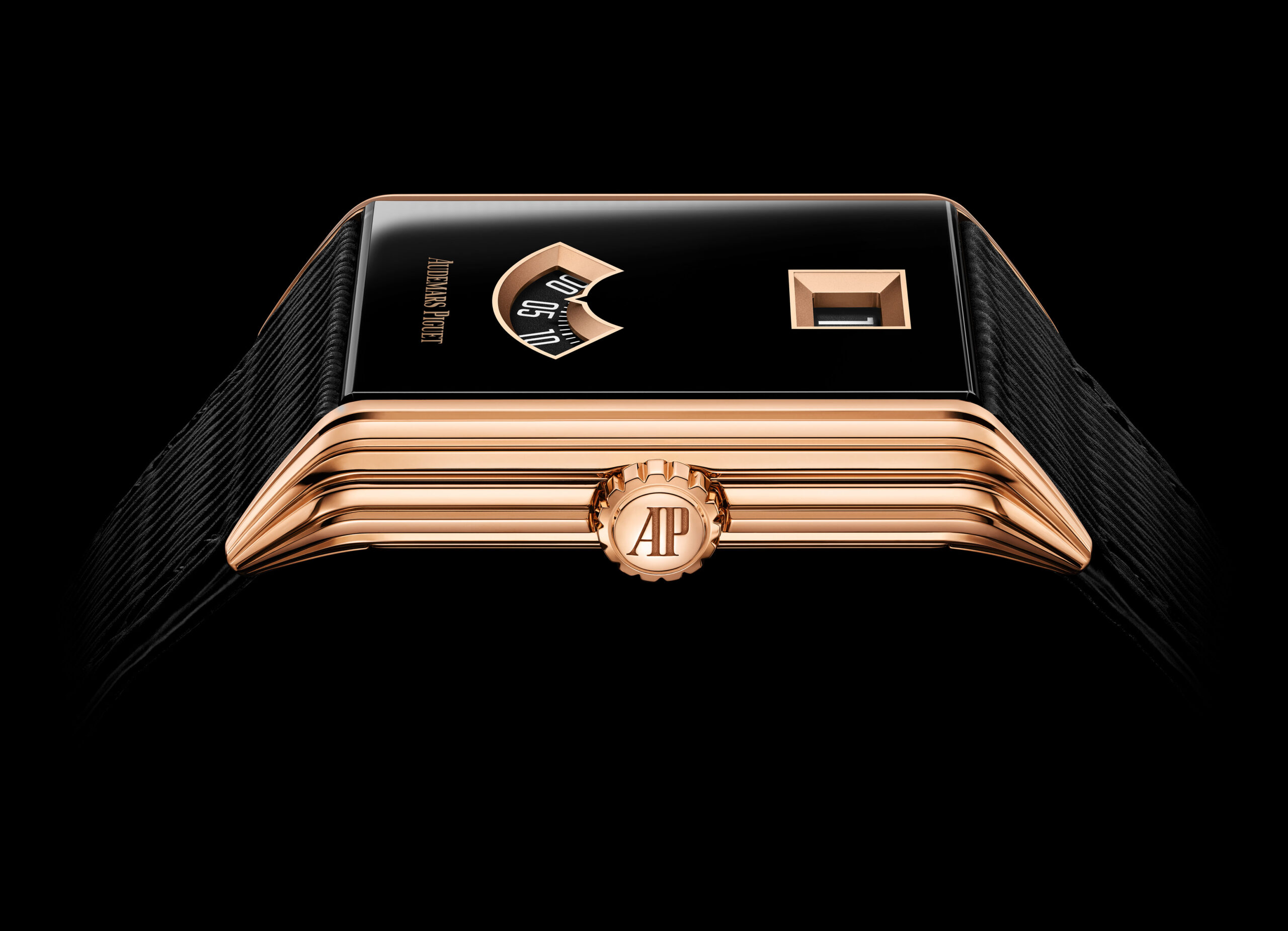
This balance is perhaps most clearly expressed in the Neo Frame Jumping Hour, a piece that revisits one of the Manufacture’s earlier complications through a distinctly modern lens. Drawing on a 1929 design rooted in the Streamline Moderne movement, the watch introduces the brand’s first selfwinding jumping hour calibre. Its construction, combining pink gold with exposed sapphire, transforms a historically functional display into something architectural giving it an almost graphic execution.
Elsewhere, the Royal Oak continues to serve as a platform for both experimentation and refinement. Two new open-worked models extend the collection’s exploration of tone-on-tone design, allowing case, movement and dial to merge into singular vision. Whether in titanium with Bulk Metallic Glass or fully rendered in yellow gold, the emphasis is on transparency and depth, where mechanics are not hidden but shared as part of the overall aesthetic experience.
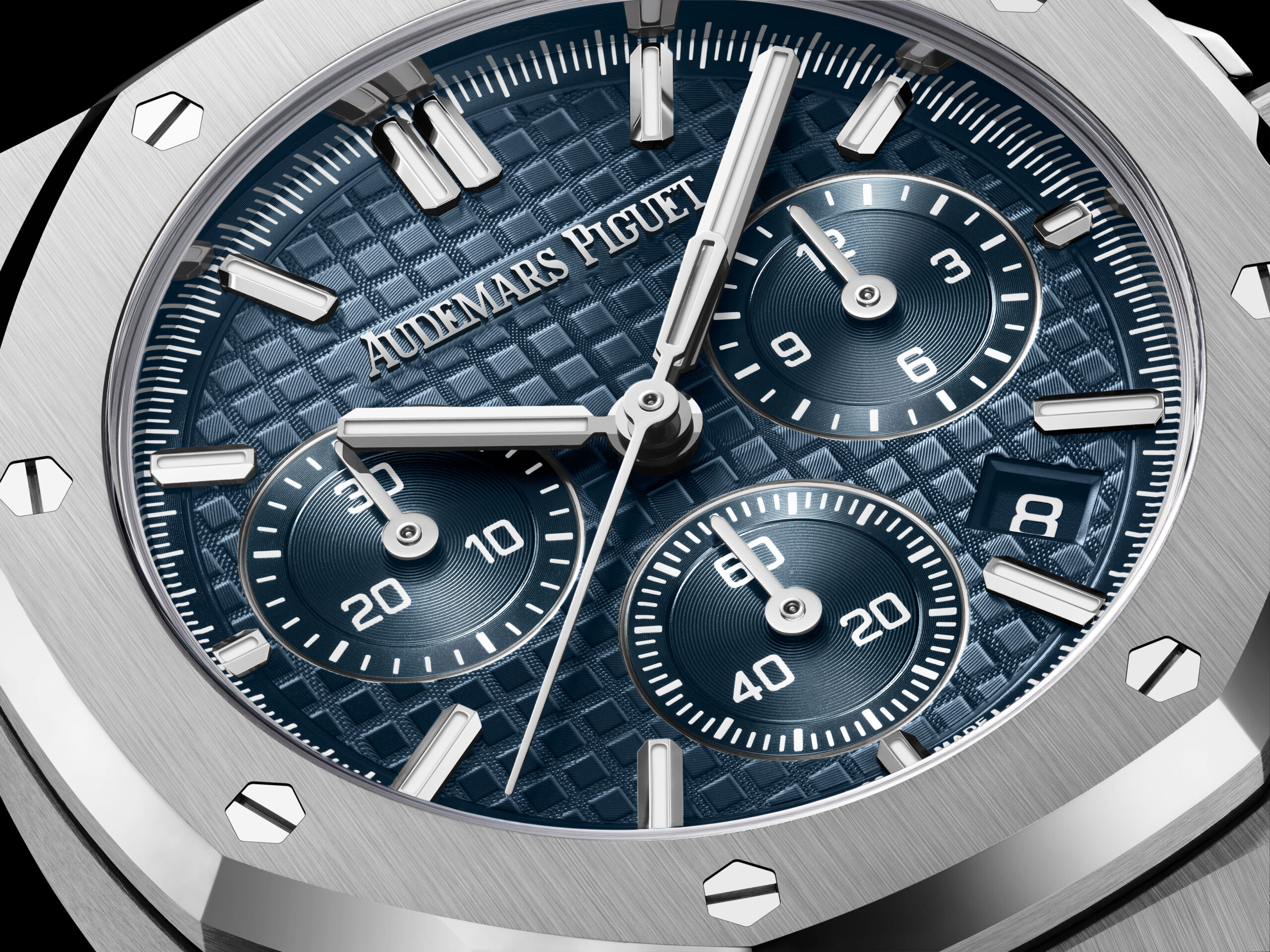
This same idea of evolution rather than reinvention carries through to the latest Royal Oak Offshore chronographs. Here, the focus shifts toward material contrast and performance, pairing ceramic and titanium with bold colour treatments. The result is a more technical, sport-driven expression of the Royal Oak identity, without losing the finishing standards that have become a hallmark of AP.
Beyond the watches themselves, the brand’s presence at Watches and Wonders marks another significant step. Its debut at the fair signals a broader openness, both to the industry and to a new generation of collectors. Through the AP lab, immersive exhibitions, public activations and the introduction of the Atelier des Établisseurs concept, Audemars Piguet is reframing how its craftsmanship is communicated, moving from closed tradition to shared experience.
Taken together, these developments point to a brand that is not simply iterating on past success, but actively reshaping its narrative. The strength of Audemars Piguet today lies in this ability to move fluidly between eras, drawing from its deep archive while continuously looking to the future.
Vacheron Constantin: The Art of the Iteration
Vacheron Constantin continues to refine its position through evolution rather than reinvention. It builds on existing icons with a renewed sense of purpose. This year’s releases feel both more expressive, balancing technical credibility with a more relaxed, almost playful approach to design.
The Overseas Dual Time Cardinal Points exemplifies this shift. An iteration of a long-standing travel companion within the Maison’s portfolio, the watch leans into the spirit of exploration that has defined the Overseas collection since its debut in 1996. Rendered entirely in titanium, it prioritises lightness and durability while introducing four dial variations inspired by the cardinal points. Each colour evokes a different landscape, turning an aesthetic variation into something more narrative. At its core, the in-house calibre delivers dual time, day/night indication and date, reinforcing its purpose as a true traveller’s watch, but the overall execution feels less utilitarian and more considered. It strikes a perfect balance by giving equal weight to design and storytelling.
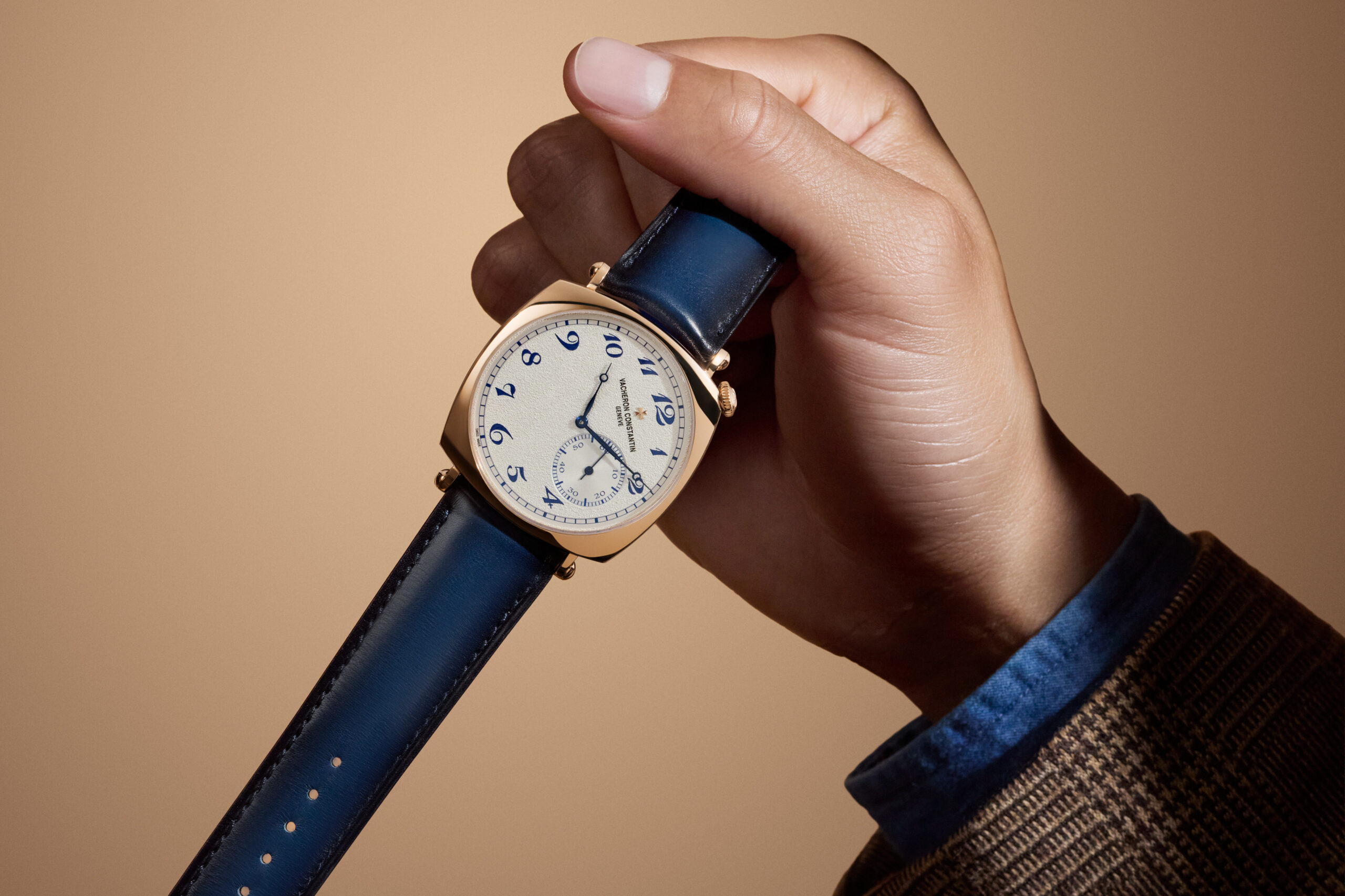
This idea of evolution continues with the Historiques American 1921, a piece that remains one of the most distinctive silhouettes in modern watchmaking. With its cushion case and 45-degree rotated dial, it has always stood slightly outside convention. The latest iterations introduce a grained silver-toned dial with blue accents, subtly refreshing the watch’s visual language. There is an ease to it, elegant yet unconventional, retaining the charm of its Roaring Twenties origins while feeling entirely relevant today. It is a dress watch, but not in the traditional sense. There is personality here, and a certain irreverence that makes it stand apart and cementing it as a personal favourite this season.
Across both releases, what emerges is a brand that understands the strength of its archives and existing desirablitiy. Rather than dramatic overhauls, Vacheron Constantin focuses on nuance, on refining proportions, materials and colour in ways that feel natural.
CHANEL: The J12 at Every Altitude
CHANEL continues to approach watchmaking through design first, combining technical development with a clear visual identity. While updates span Boy·Friend, Gabrielle, and Mademoiselle Privé, the J12 remains the center of gravity.
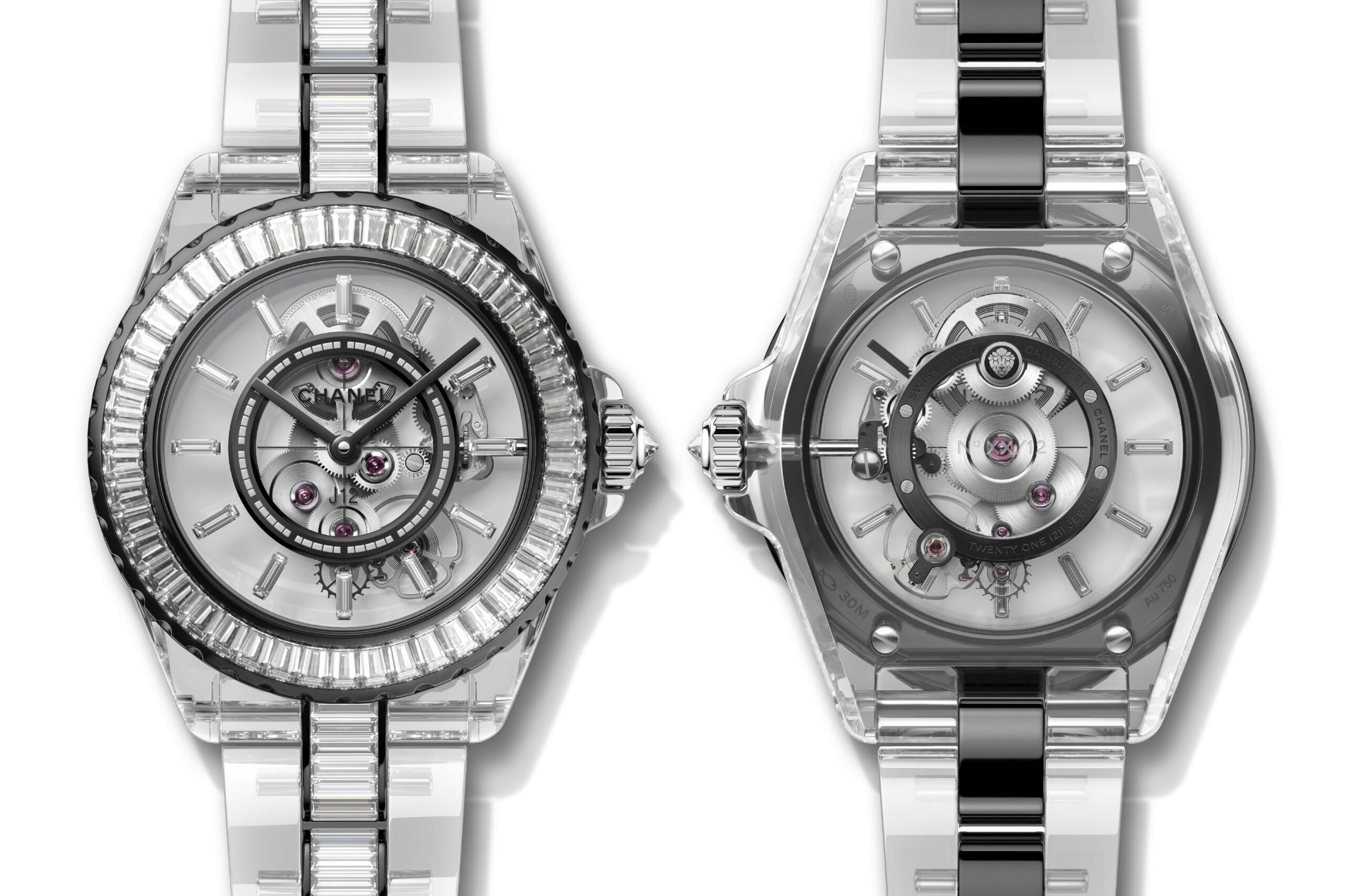
What stands out this year is range. At one end, the J12 X-Ray Coco Game pushes material execution with sapphire crystal construction that makes the movement appear suspended inside the case. The level of work in machining and assembly is significant, especially when paired with diamond-set details that keep it firmly in haute horlogerie territory.
At the other end, CHANEL leans into something more playful. The J12 Coco Game, limited to 55 pieces, features a pixel-style Gabrielle Chanel integrated into the seconds hand. Despite the concept, it remains technically serious, powered by the COSC-certified Caliber 12.1 and finished with baguette-cut diamond indexes.
The Golden Black editions sit in between, pairing yellow gold with black ceramic in quartz and automatic formats. They feel like the most wearable expressions of the line.
At the top of the range, the J12 Diamond Tourbillon Caliber 5 highlights CHANEL’s push into high watchmaking. Limited to 12 pieces, it combines a flying tourbillon with diamond setting that follows the movement of the complication itself.
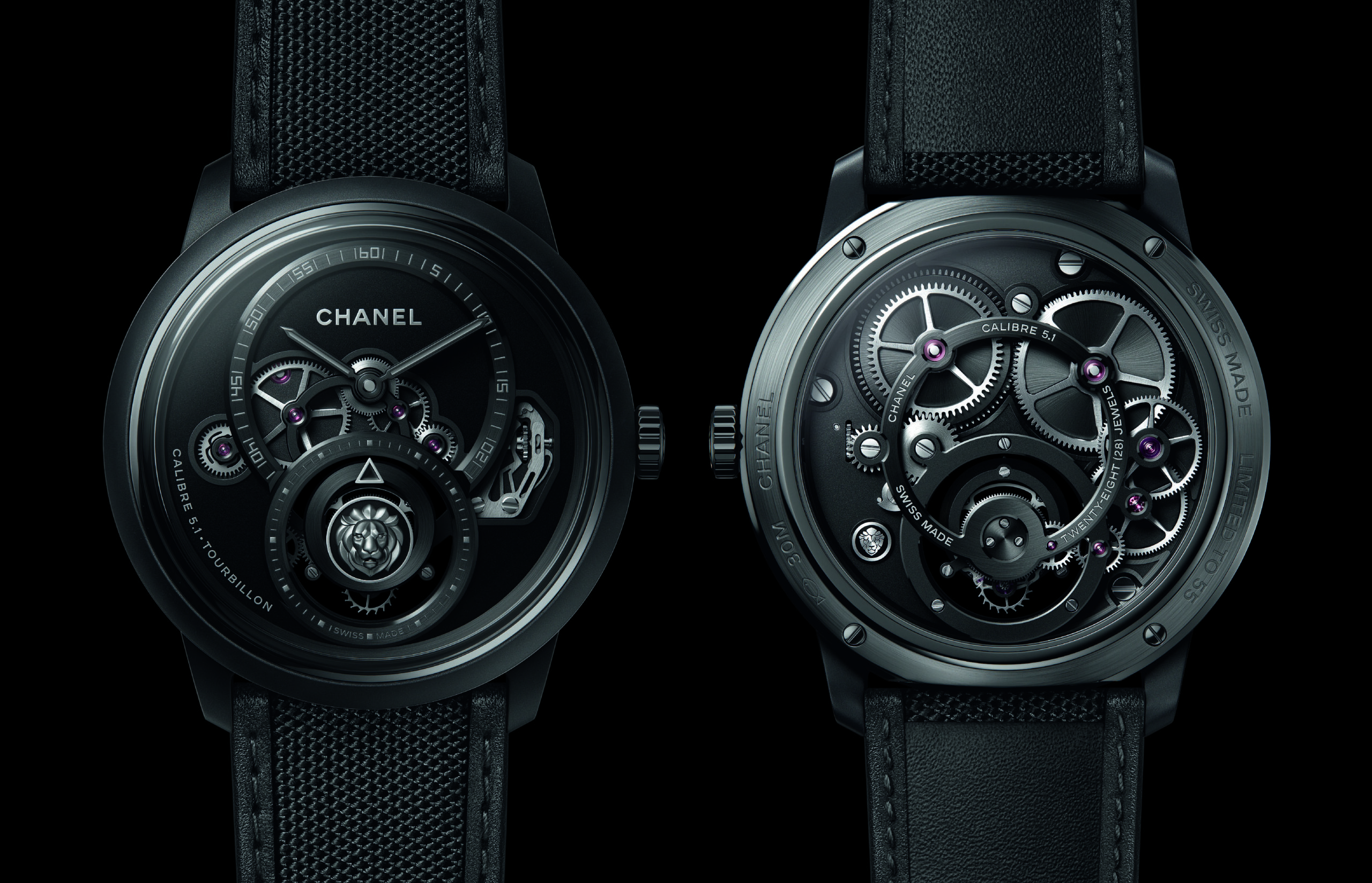
Outside the J12, the Monsieur line continues to develop. The Monsieur Lion Tourbillon Black Edition, limited to 55 pieces, places a flying tourbillon at 6 o’clock with a lion motif integrated into the cage, a subtle reference to Gabrielle Chanel’s astrological sign.
TAG Heuer: The Monaco Endures
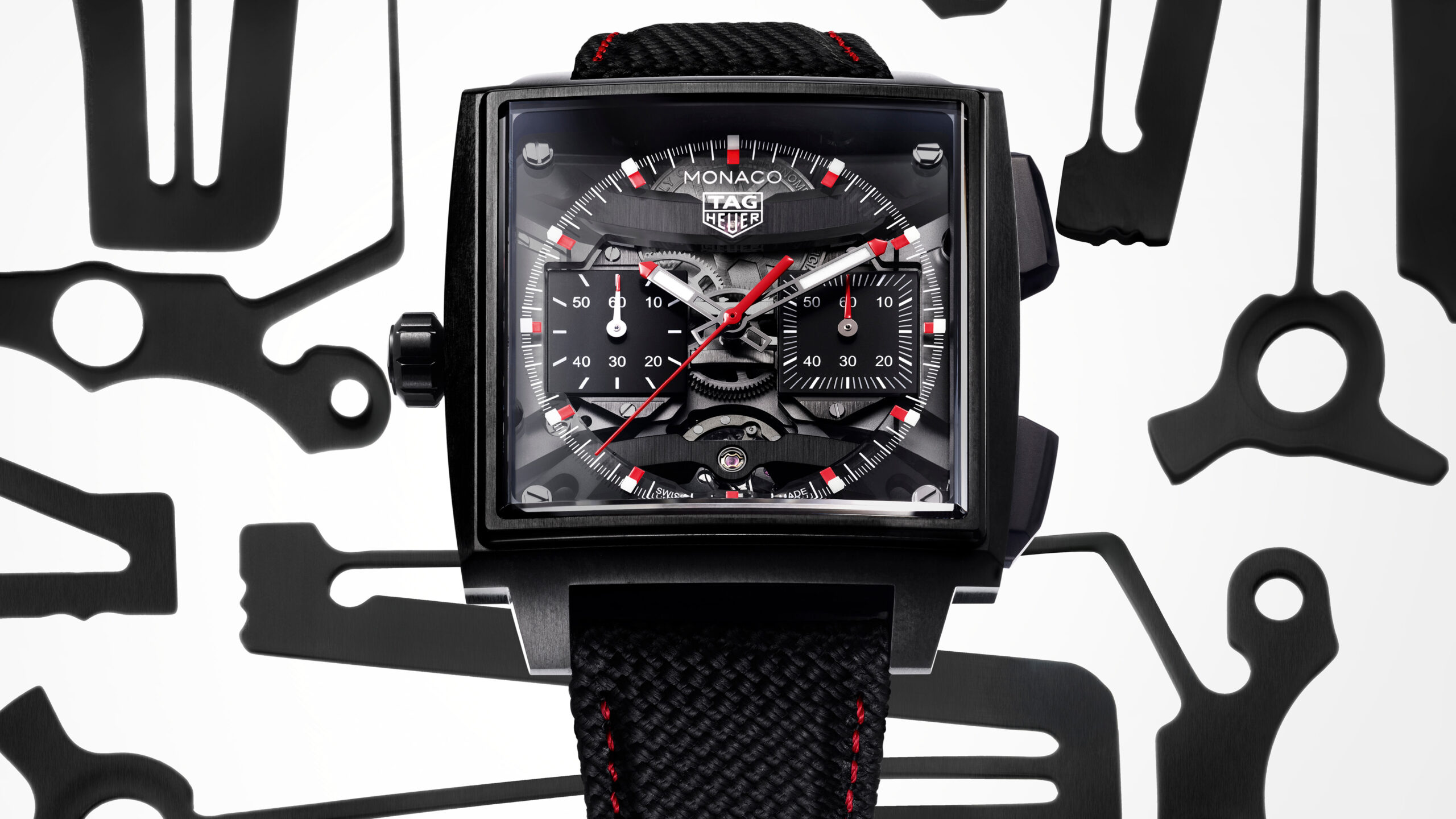
TAG Heuer returns to one of its most defining creations, the Monaco, reaffirming its place not just as an icon, but as a platform for ongoing innovation. While its cultural legacy is often tied to the figures who wore it, from drivers like Steve McQueen to artists like Sammy Davis Jr, what truly set the Monaco apart was its radical thinking at the moment of its launch.
Introduced in 1969 as the first square, water-resistant automatic chronograph, the Monaco challenged nearly every convention of watch design. Its geometry, its left-positioned crown, even its movement architecture, all signalled a break from tradition. It was forward-looking in a way that few watches of its time were, and that same spirit continues to define it today.
This year, that evolution takes a significant step forward. The new Monaco Chronograph refines the design with a more ergonomic case and updated proportions, but the real shift happens beneath the surface. Powered by the in-house Calibre TH20-11, the watch brings improved reliability, an extended power reserve, and a configuration that subtly reconnects it to its origins, while elevating it for contemporary wear.
Alongside it, the Monaco Evergraph pushes the concept even further, positioning the model at the forefront of technical innovation. Its new Calibre TH80-00 introduces a fundamentally reimagined chronograph mechanism, replacing traditional levers and springs with flexible components developed in-house. The result is not just a new movement, but a new way of thinking about how a chronograph functions, with gains in precision, durability and consistency over time.
What stands out is how naturally the Monaco absorbs these advancements. Despite the complexity of what lies within, it remains immediately recognisable. The square case, the bold dial, and the sense of presence on the wrist all translate to immediate recognition. It is not simply a heritage piece revisited, but an evolving object, one that continues to carry the same disruptive energy it had at its conception.


