
News


There is a particular tension that defines Watches & Wonders every year: the pull between legacy and reinvention, between the security of a recognisable icon and the industry’s compulsion to prove itself technically. In 2026, that tension resolved into something unusually coherent. The fair’s dominant mood was not spectacle for its own sake, but precision, whether mechanical, aesthetic, or both, applied with discipline across the board.
The macro trends included integrated bracelets, with the broader emphasis on wearability reflecting the industry’s awareness that collectors increasingly want watches they can actually live in. At the other end of the spectrum, a cluster of houses doubled down on mechanical extremity: tourbillons within tourbillons, movements assembled over weeks, complications that required years of development to even conceptualise. Colour also had its moment, with houses building entire frameworks around their palette choices. And there was a broader sense, across many of the most significant releases, of brands trusting their archives rather than straining for novelty. What follows is our edit of the fair’s standout performers.
Cartier: The Roadster & others
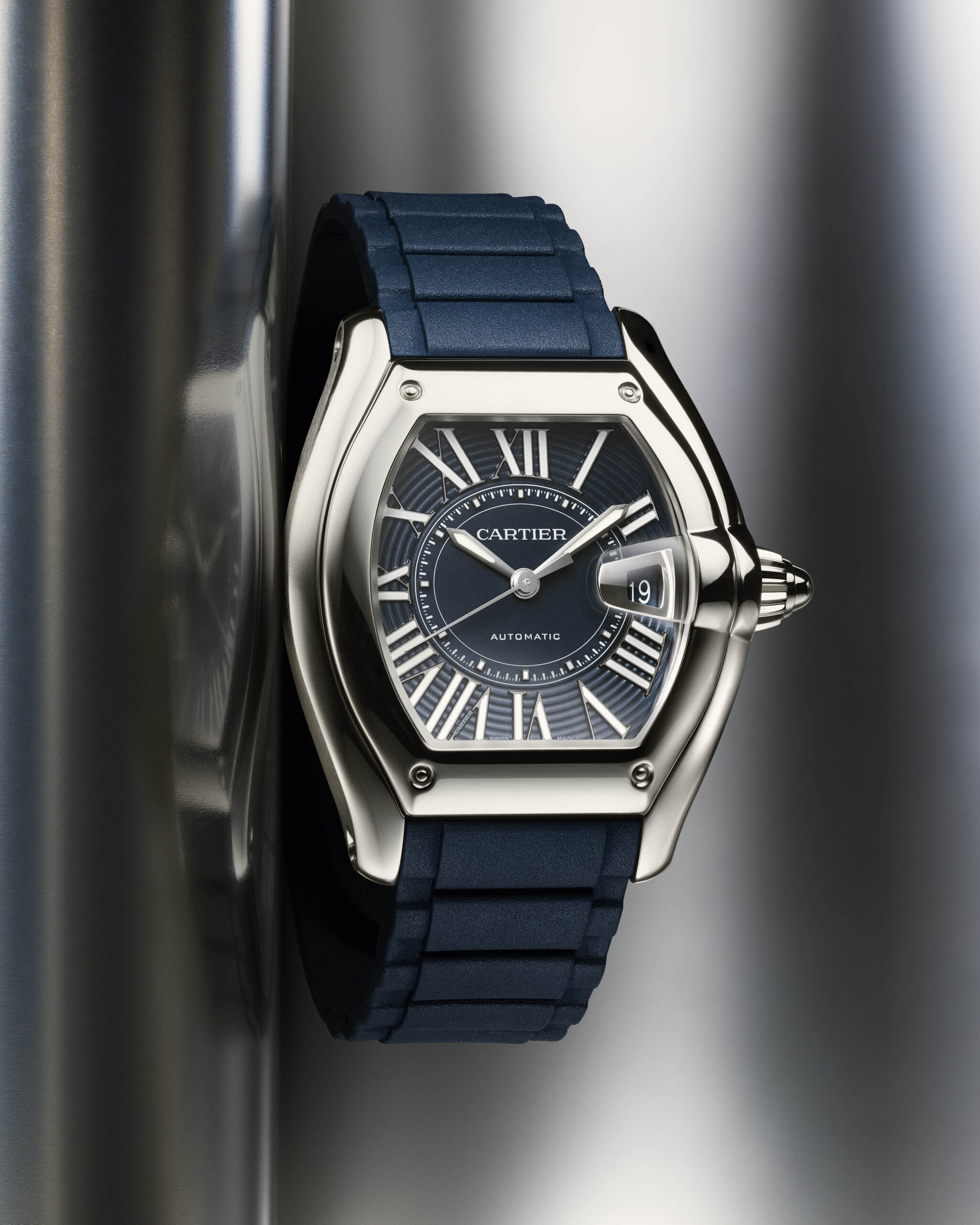
At Watches and Wonders 2026, Cartier turns its attention to refining its core design language, led by the return of the Roadster. First launched in 2002, it stood out for its automotive references, drawing more from mechanical design language than traditional watchmaking codes. The new version stays close to that original spirit, but everything feels more refined, the tonneau case is sharper, with cleaner integration between bezel, crown, and date magnifier. The familiar elements are all there: the speedometer-style dial, exposed screws, strong curves. But the execution is tighter, and sword-shaped hands on steel models bring the legibility the original occasionally sacrificed to aesthetic effect. The bracelet has been reworked with shorter, more ergonomic links and Cartier’s QuickSwitch system; power comes from the 1847 MC and 1899 MC automatics depending on size.
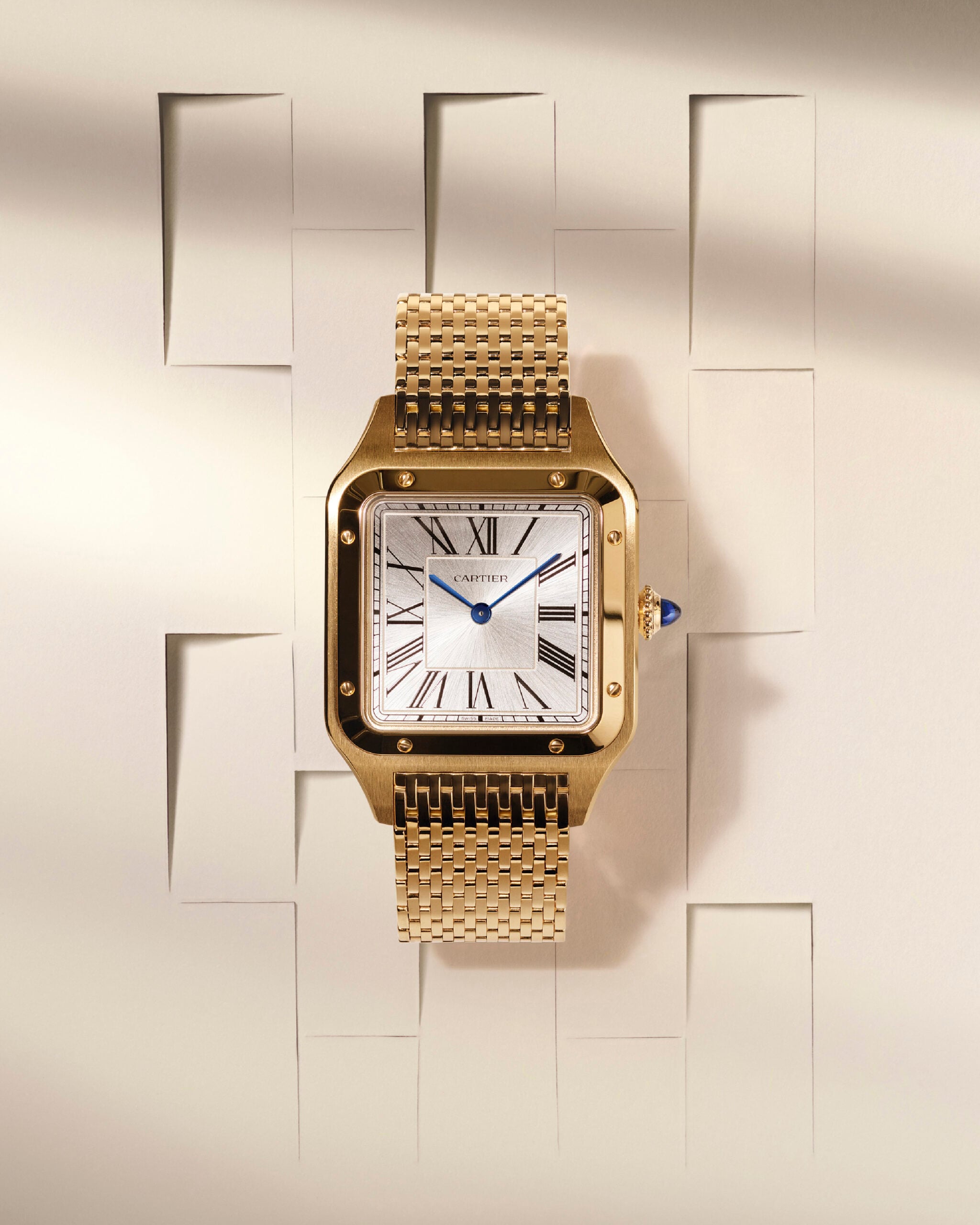
Alongside the Roadster, Cartier makes a compelling case for the Santos-Dumont, which arrives in a version built around a gilded obsidian dial, volcanic stone from Mexico, just 0.3mm thick, iridescent in a way that makes each piece genuinely unique. It’s the kind of material choice that demonstrates what a manufacture can do when it isn’t trying to impress with movement architecture alone. The bracelet, meanwhile, draws from the Maison’s own 1920s flexible mesh traditions: 394 links across 15 rows, each machined and assembled in-house.
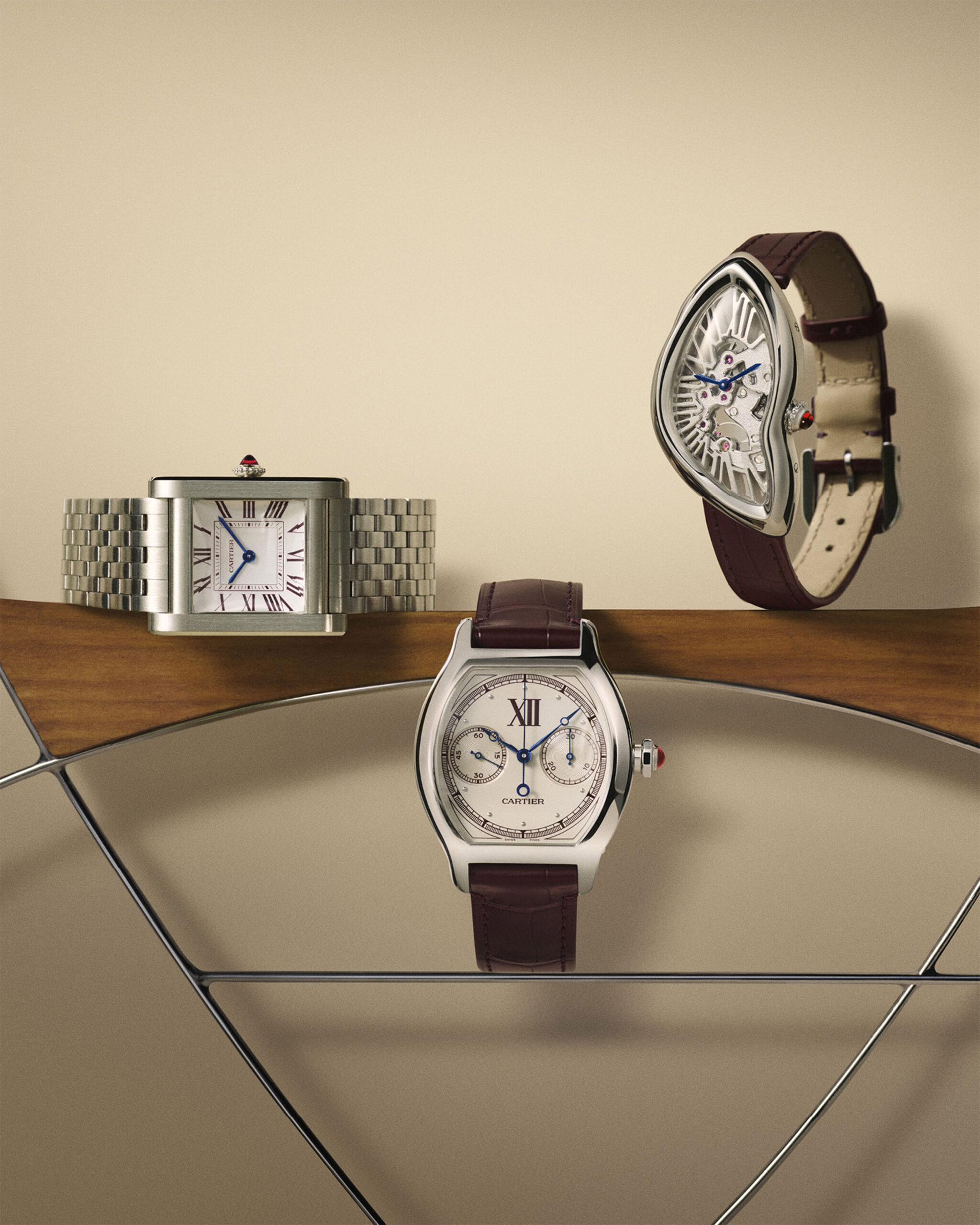
The Cartier Privé collection marks its tenth edition with a triptych bound together by platinum and burgundy; the Tank Normale, the Tortue Chronographe Monopoussoir, and the Crash Squelette. The last of these is the most remarkable: the Crash’s distorted 1967 silhouette has been reimagined as a skeleton watch with a bespoke movement whose bridges are shaped as Roman numerals, each hand-hammered using a technique requiring nearly two hours of precision work per piece. Limited to 150 numbered pieces. Rather than pushing entirely new designs, Cartier continues its focus on refinement and continuity. This is an equation that continually proves successful.
Jaeger-LeCoultre: Going Thin
Universally associated with the Reverso, Jaeger-LeCoultre takes a different direction at Watches and Wonders 2026, focusing on technical ambition expressed through restraint. Across its key releases, the priority is clear: complex mechanics housed in cases that remain slim and wearable, and, in at least one instance, something altogether more extreme.
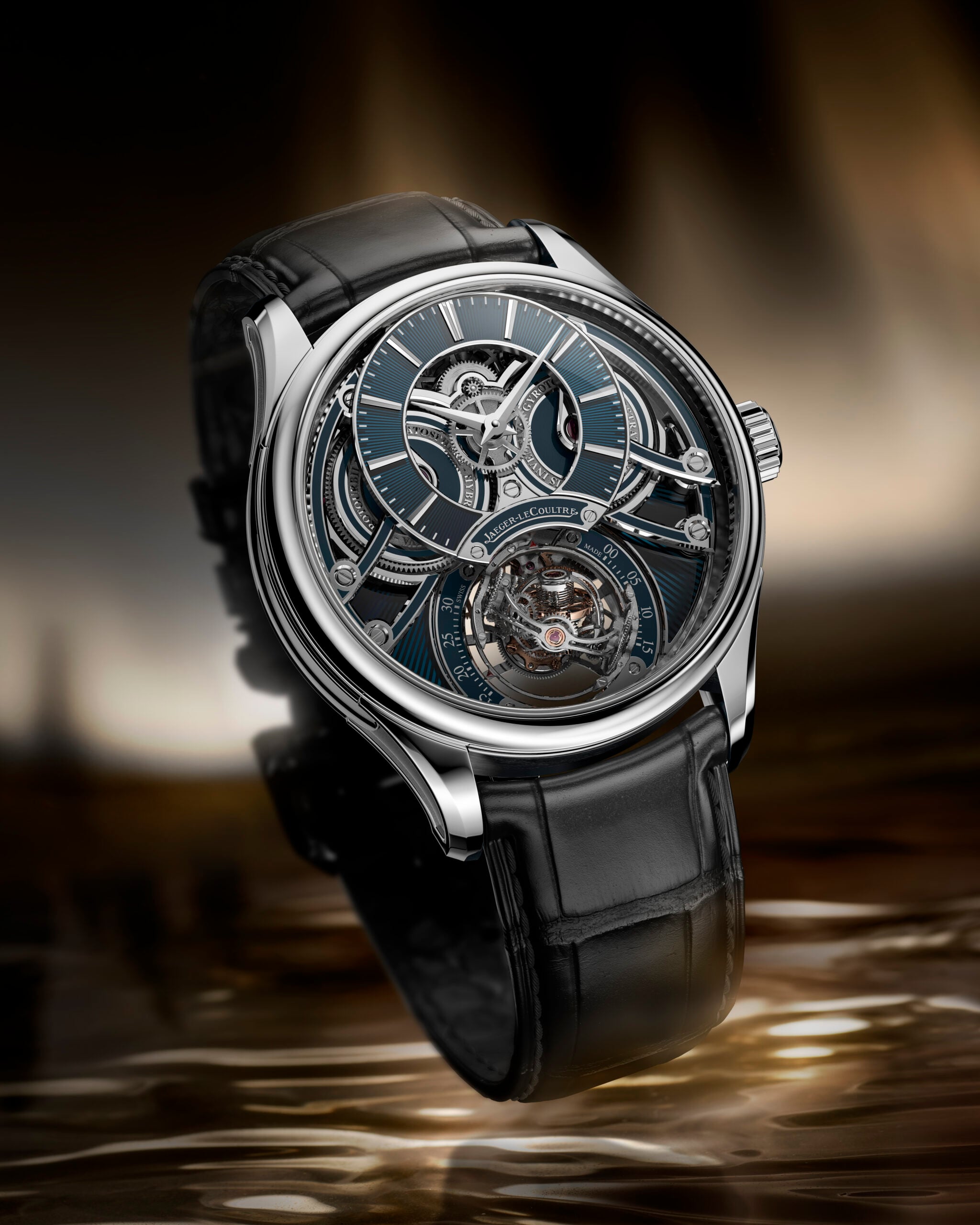
The Master Hybris Inventiva Gyrotourbillon À Stratosphère is almost certainly the most technically extraordinary wristwatch released this year by any house. A triple-axis tourbillon, a tourbillon within a tourbillon within a tourbillon, its three titanium cages rotate along X, Y, and Z axes at different speeds, covering 98 percent of all possible positional variables and giving gravity almost no chance to affect the oscillator’s precision. The construction comprises 189 components and weighs 0.783 grams. JLC has been developing this mechanism since the first Gyrotourbillon in 2004; this is the sixth generation. Set in a 42mm platinum case, the calibre is decorated with 16 different techniques, guillochage, enamel, lacquer, applied across barrel covers, plates, and bridges, collapsing the distinction between movement and dial. Limited to 20 pieces.
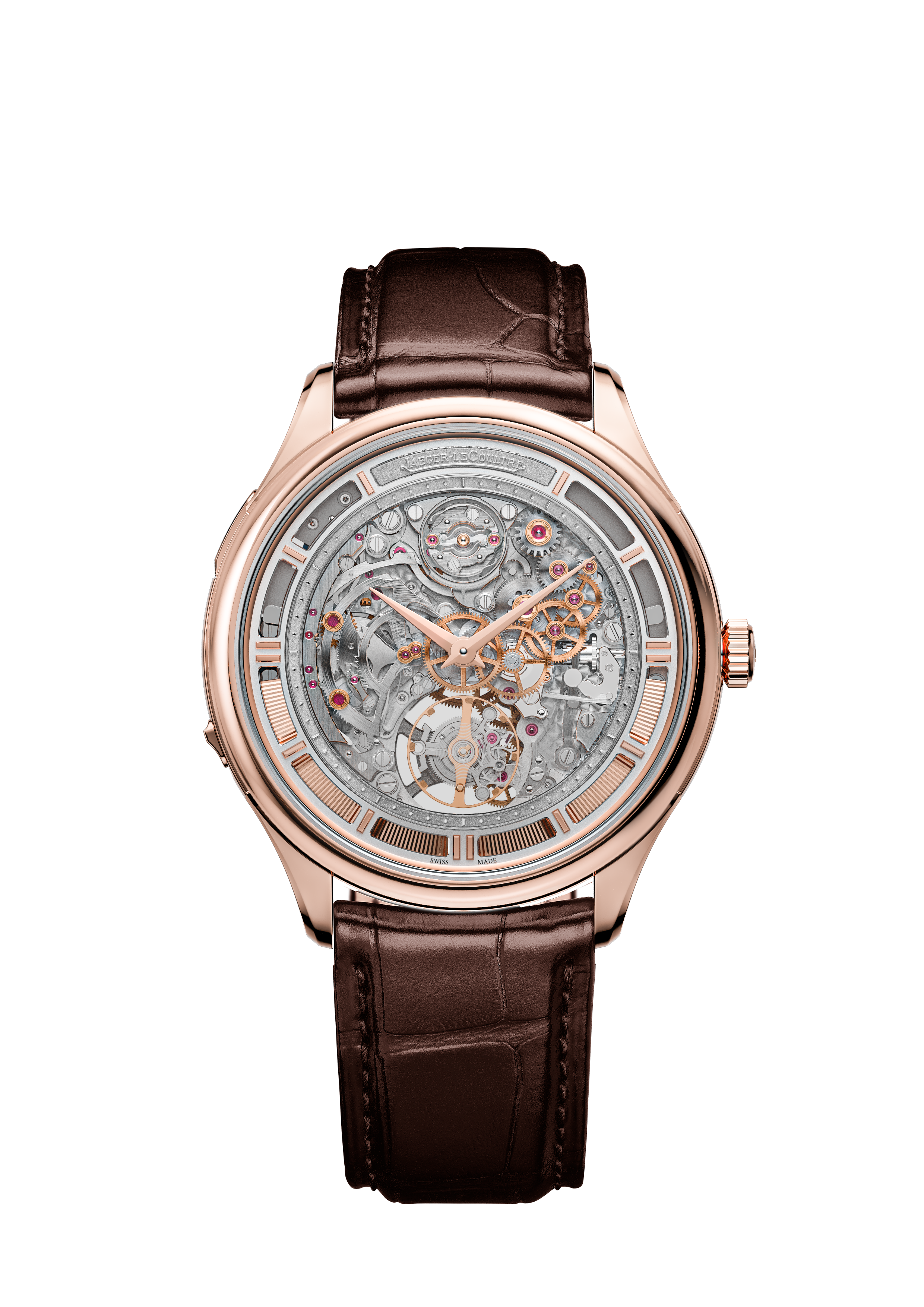
The same logic of complexity within restraint runs through the Master Hybris Artistica Ultra Thin Minute Repeater. At just 8.25mm thick, it holds the world’s thinnest automatic minute repeater tourbillon, a record it has held since Calibre 362 was introduced in 2014. This Hybris Artistica edition opens the movement entirely: sapphire bridges replace metal, the 537-component calibre is visible from every angle, and a pared-back dial ring frames rather than covers what lies beneath. Seven patents protect the construction. Assembly requires seven weeks. The Master Grande Tradition Tourbillon Jumping Date rounds out the technical picture, revisiting the competition-winning Calibre 978 with a restructured open dial that puts the jumping date mechanism and tourbillon on full display, the movement breathes without becoming visually heavy.
It’s pushed further in the new Master Control Chronometre, which brings the story back to everyday wear. Three models launch the line, all built around compact proportions between 38mm and 39mm, with a new fully integrated metal bracelet and a thickness staying under 9.2mm across the range. A new HPG (High Precision Guarantee) seal also debuts, testing watches under real-world conditions, shocks, temperature shifts, positional changes, rather than the controlled bench tests of standard certification. Combined with COSC, it reinforces a focus on consistency in daily wear. Across the board, the message is consistent: complexity is no longer about scale, and JLC will not be defined by one category.
Roger Dubuis: Biretrograde
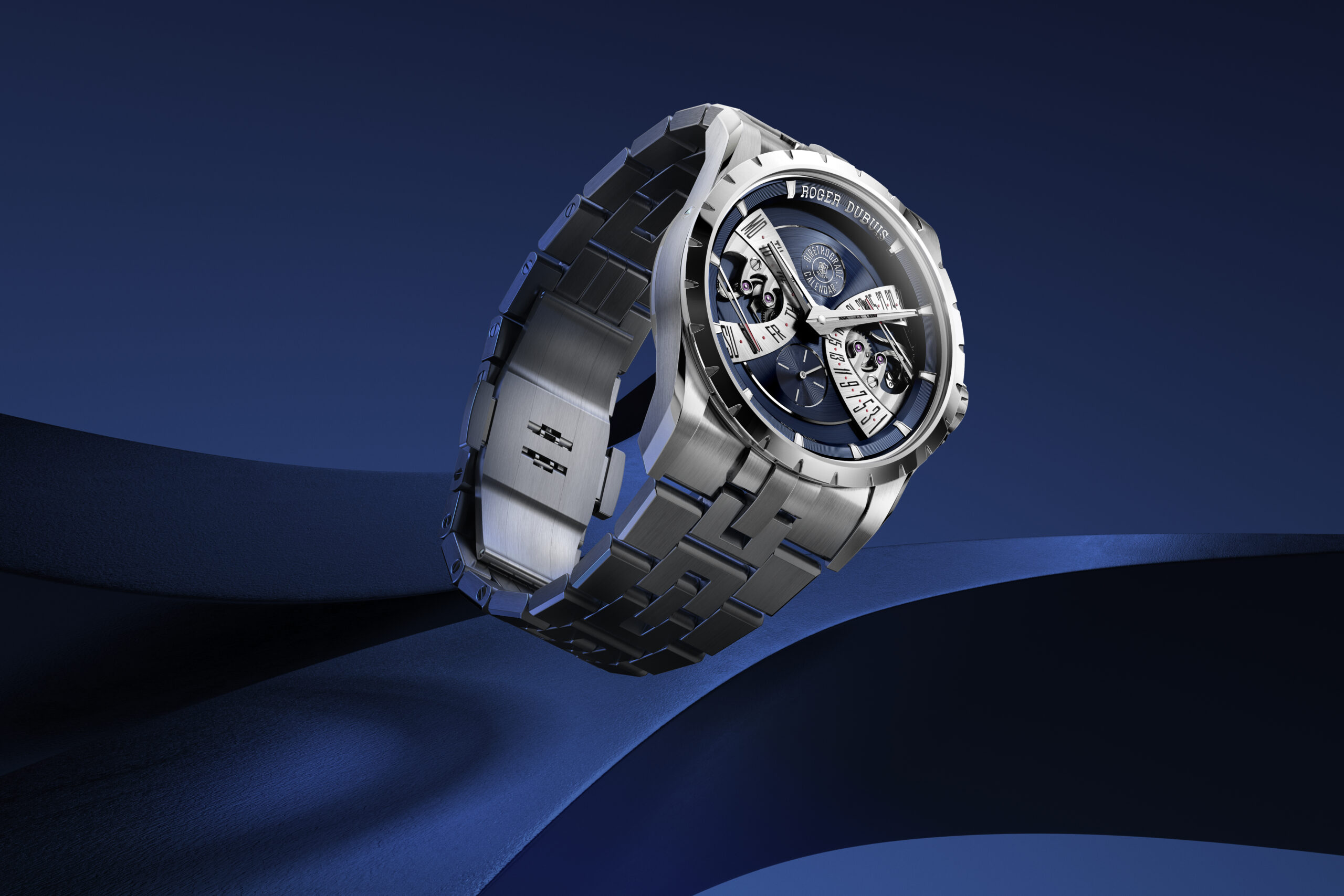
Roger Dubuis continues to build on its expressive approach to watchmaking, with this year’s focus centred on astronomy and its signature biretrograde display. Rather than reinventing itself, the Maison refines what it already does best.
The founder, Roger Dubuis, developed the patent for the biretrograde display in 1989; a mechanism in which hands sweep across curved retrograde scales and snap back with theatrical precision, engineered with spiral springs for greater stability and visual clarity. Three decades later, it remains the brand’s defining gesture, and two new Excalibur releases position it across different registers of the same idea. The Excalibur Biretrograde Perpetual Calendar leads in pink gold, combining perpetual calendar and moonphase through the biretrograde choreography, day and date sweeping and resetting across an open ‘Astral Blue’ dial layered with celestial depth. The Excalibur Biretrograde Calendar offers a more everyday take in steel: same 40mm footprint, same display, but finished in a ‘Cosmic Blue’ that the brand describes as the precise shade of sky at the moment it darkens into night. The dial itself is built across seven distinct layers; azuré flanges, sun-brushed ecliptic counters, circular-brushed plates, each coated and finished differently. It feels more relaxed, more wearable, without losing the visual impact of the complication.
Across the range, Roger Dubuis stays close to its identity: bold design, layered fantastical dials, and strong colour, balanced by compact case proportions that keep large watches from becoming overwhelming. The biretrograde still delivers its emotional payoff with every sweep and reset. That hasn’t changed. What has changed is the confidence with which it’s presented as enough.


