
News

There are many things to love about Tripoli — Lebanon’s Tripoli, because apparently there are three main Tripolis worldwide — the hammams, the Hallabs, and the architecture, whether Mamluki or Niemeyerian. And now, more recently, the Rumman Music Festival has earned its place on that list.
Running its fifth edition next week, Rumman remains the only independent music festival in Tripoli, presenting homegrown and regional musical talent to a local audience and attracting visitors and artists to discover a rich, authentic city and explore its hidden gems, but also, crucially, to nurture the next generation of musicians. Since its launch in 2022, that mission has only grown more urgent year after year.
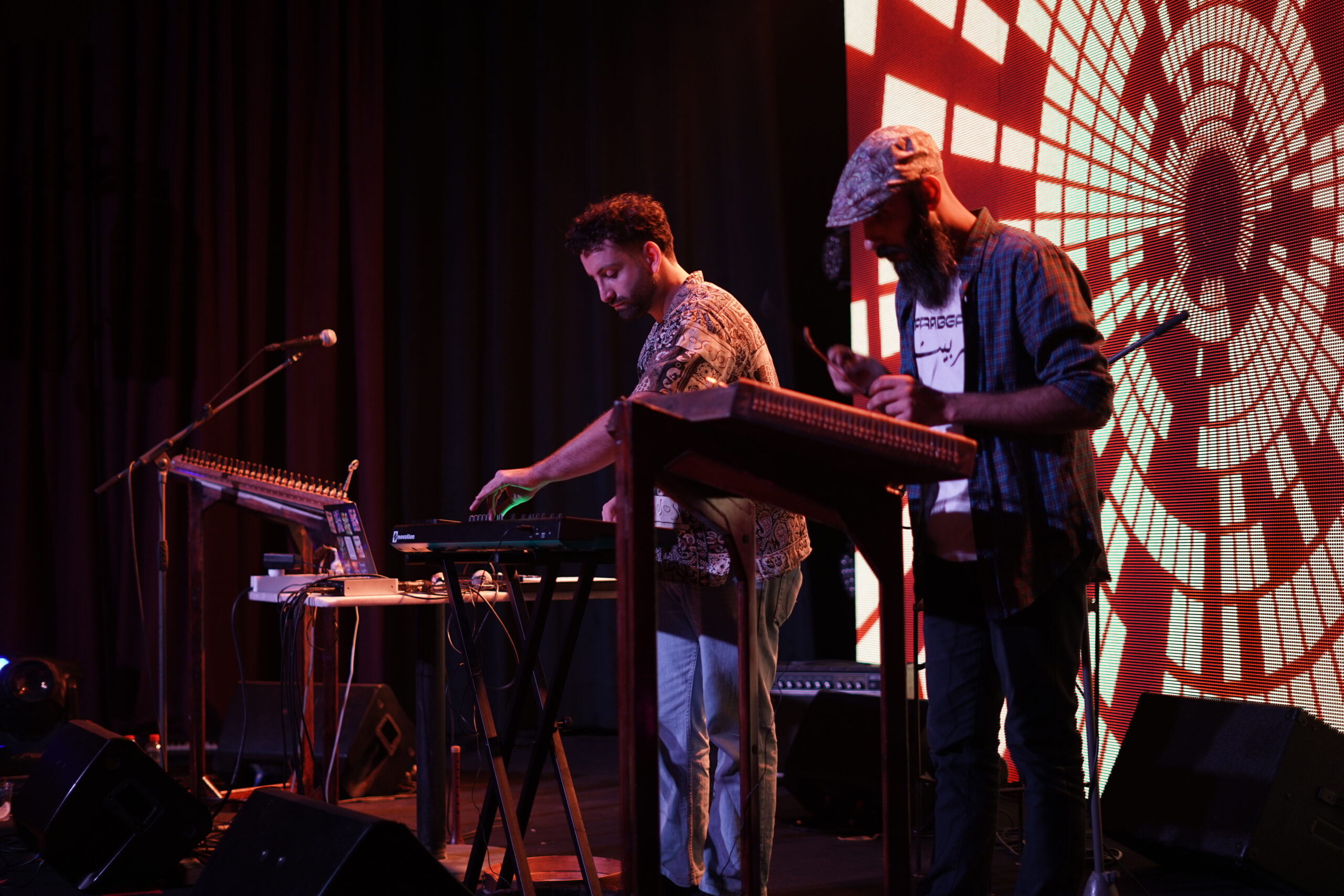
The festival doesn’t separate itself from the ongoings of the country and the region. This year’s theme asks: what if Tripoli, the South, and the wider Arab region were treated not as places defined by their struggles, but as one living geography, connected through music, movement, and care?
It might be a big question for a music festival to answer, but Rumman’s footprint extends well past the two festival days. The organisation runs Stereo Kawalis, an old Art Deco cinema converted into the city’s largest independent music venue. Opened in 1954 as Cinema Radio, it played to packed houses through Tripoli’s cultural golden years before the civil war and decades of state neglect caught up with it, and it went dark in 1995. Rumman revived the space in 2023, and it now runs a steady calendar of open, accessible musical and artistic programming year-round.
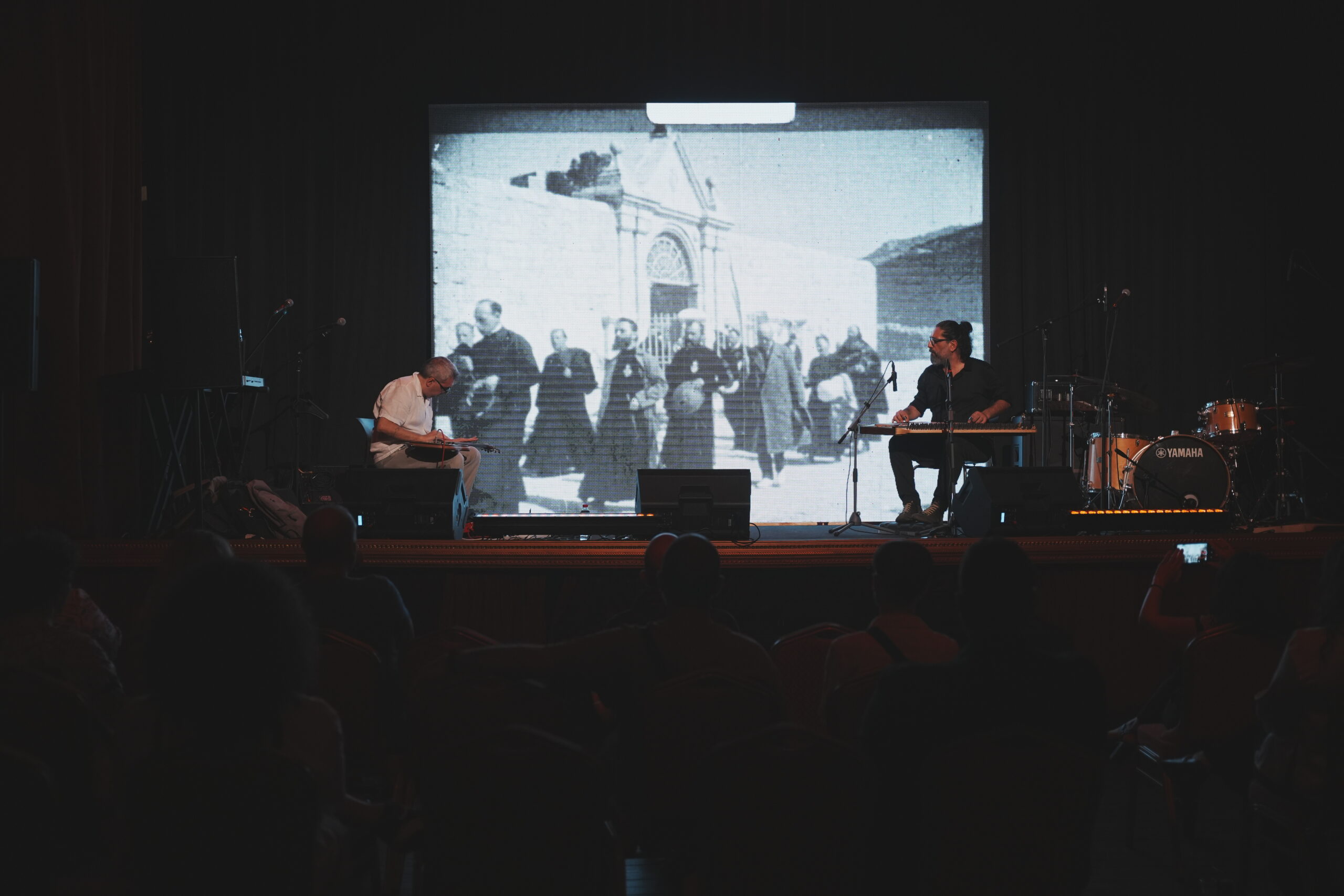
Here’s what the two days, running 4 and 5 September, actually look like.
Friday belongs to the experimentalists. SANAM, the Beirut sextet who’ve spent two albums fusing psych, skronk, goth, and jazz with traditional Egyptian song and modern Arabic poetry. Sharing the night is Black Mouse: Deconstructed, a live audiovisual reworking of Ahmad Naboulsi’s award-winning short staged inside the Rachid Karami International Fair, Niemeyer’s long-abandoned monument turned, for one night, into an instrument, with soprano Mona Hallab and sound artist Joy Moughanni reanimating a space that’s spent thirty years as a symbol of what Tripoli was promised and never got. SHAM LHAWA and ALSILK close out the night, the latter pairing violin and double bass with live electronics on what the festival calls “an ancient-to-future journey.”
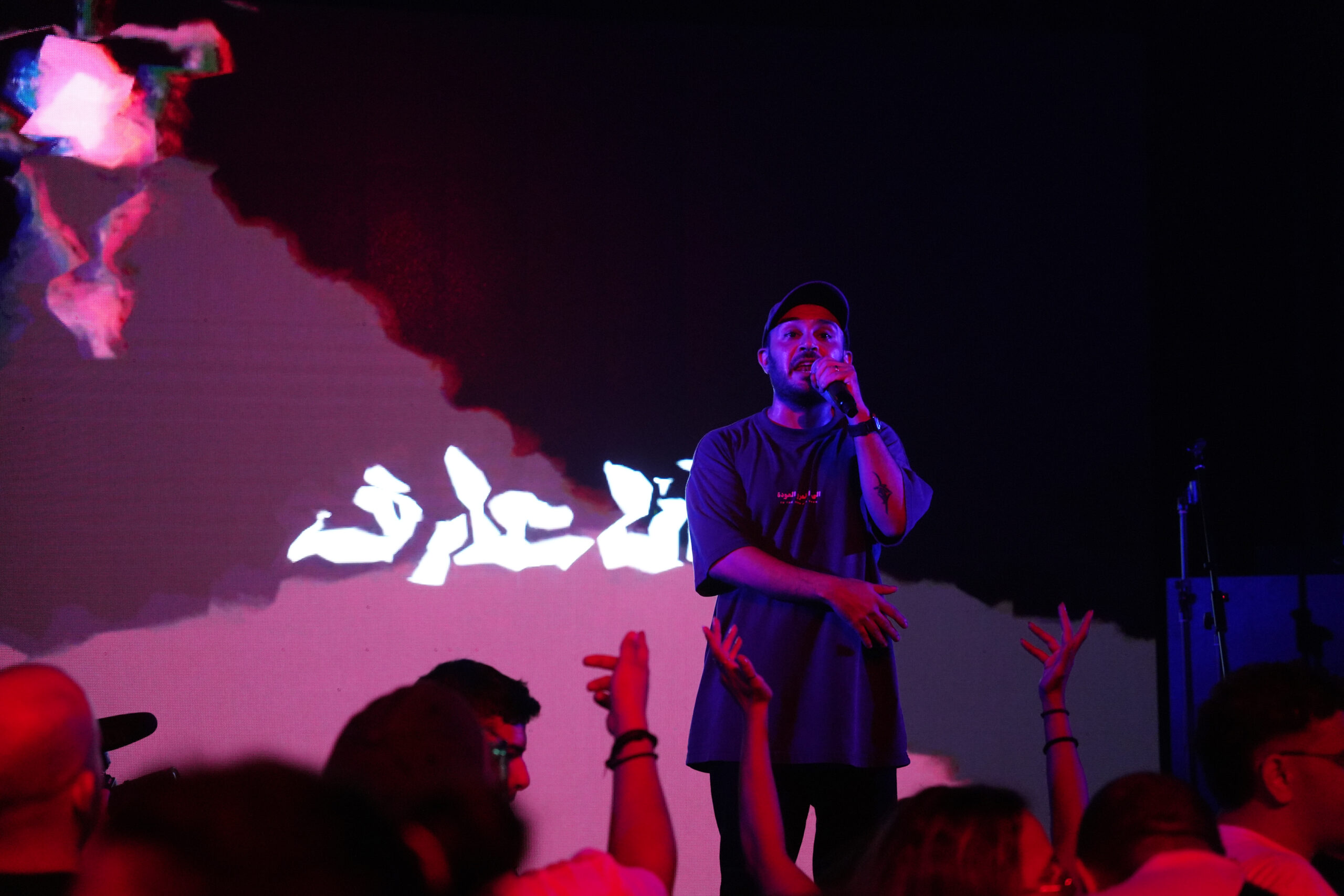
Saturday turns the mic over to hip-hop and rap. Jordanian-Palestinian rapper and visual artist EMSALLAM opens a lineup that includes Palestinian-Egyptian artist MA-BEYN, performing with a full band for the occasion, Lebanese rapper JAMUL, whose sharp political sarcasm has made him a fixture of the country’s new rap wave, and Tripoli’s own BILEL, shaping the city’s next generation of Arabic rap from the inside since 2018.
The festival treats all of this as inseparable from the city hosting it. Tripoli carries one of the highest unemployment rates in the Mediterranean basin, and Rumman builds its economics on that fact rather than around it by working with local hotels, small shops, and family-run restaurants as a matter of policy. Festival-goers get discounted rates at a handful of partner hotels in El Mina, including Azur Suites, Beit El Nessim, and Victoria Boutique Hotel, just by showing an Ihjoz ticket at check-in.
New this year is a two-day professional programme run in partnership with Tiny House Music, bringing emerging artists from across the region into workshops on intellectual property and publishing, roundtables with established industry experts, and rotating clinic sessions built to hand over practical knowledge to all artists and music practitioners. Rumman is betting on the long game, but four years, 3,500 attendees, and 50 artists later, it’s a winning game.


