
News

Words_Aylin Mustafa
There is a certain generosity to the date palm.
It stands beneath the unforgiving desert sun, its fronds offering shade, its fruit nourishment, its trunks and fibres once forming the very skeleton of the homes we inhabited. For centuries, the tree has found its way into our lives, through architecture, religion, literature and the smallest domestic rituals. Even its seeds were once roasted and ground into traditional kohl, carved into ornamental beads and used in medicinal preparations. Almost every part of the tree had something to give.
And yet, curiosity makes us wonder: how much more could a tree that has given us almost everything possibly have left to offer?
For Sara Farha and Khaled Shalkha, the married duo behind UAE based Datecrete Studio & Lab, the answer lay in a tiny, stubborn seed. Their years of material experimentation have transformed discarded date pits into an architectural composite free of cement and petrochemical resins, earning the studio the designboom Special Prize at the 2026 Seoul Design Award, alongside two shortlists at the 2026 Dezeen Awards, in Material Innovation and Sustainable Design.
The idea itself began rather unexpectedly.
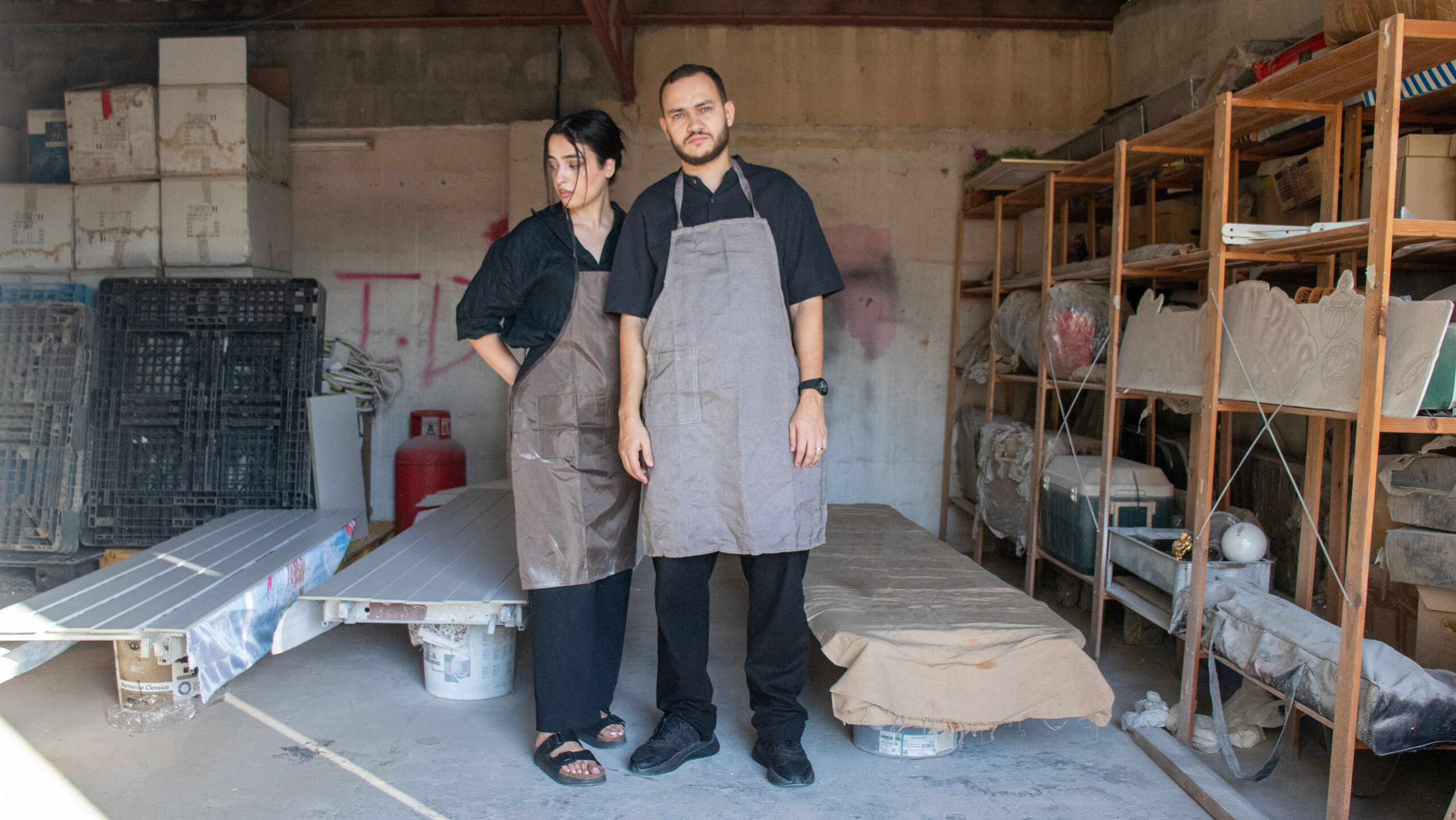
As the founders recalled in a 2025 interview with Objects Objects Objects, Khaled accidentally stepped on a date pit and compared the pain to stepping on a Lego. The sensation lingered, but so did a question. If something so small could be this hard, could it somehow be reconstituted into a material capable of bearing weight?
“Datecrete started with a very simple question: what could we make from something that was otherwise being thrown away?” the founders explain in a statement provided to us or ICON MENA.??
Before the awards, the architectural installations and the laboratory testing, there were experiments in a kitchen and garage. Spice grinders, seeds left to dry beneath the sun, different mixtures and binders, some samples that crumbled almost immediately and others that took far too long to cure. Their early investigations eventually developed into a material research practice combining Sara’s background in urban planning with Khaled’s expertise in chemical engineering.
The process itself is intriguingly tactile. Date pits collected from local processing facilities are dried and ground into a fine powder before being mixed with a specially developed natural binder, then cast and cured into solid forms. There are hands at almost every stage. Hands sorting, measuring, mixing, moulding and carefully refining something that once belonged naturally inside a fruit.
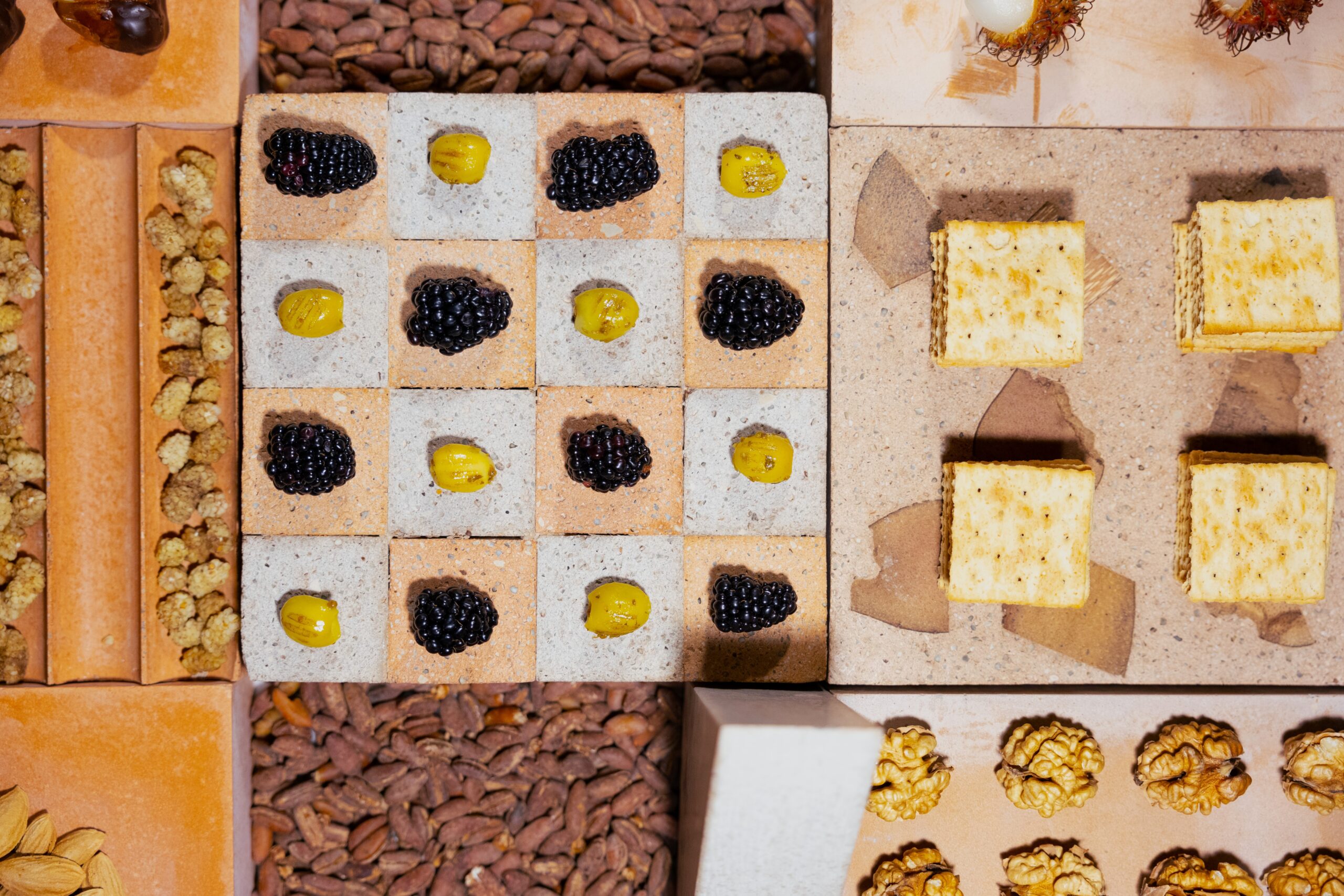
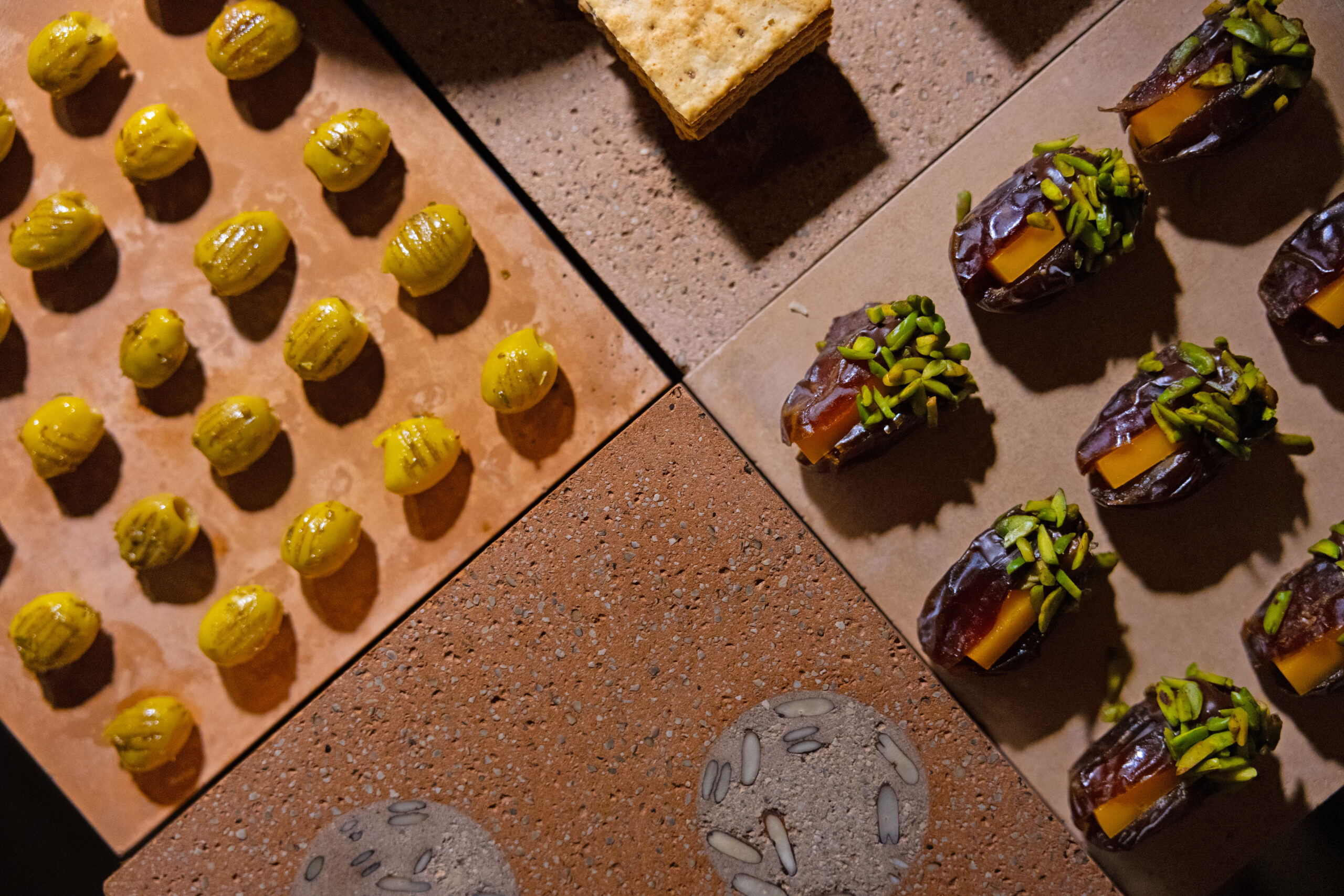
We often admire a finished object for its beauty, but knowing the labour behind it can make us look at it entirely differently. Especially when that object is a sculptural chair, a textured architectural panel or a floor tile that began its life as agricultural waste.
What makes Datecrete particularly interesting is that its creators looked towards regional building knowledge while developing a contemporary material. Long before Portland cement became commonplace, palm fronds, trunks and fibres were essential to construction across the Gulf. Traditional Arish houses relied on the tree for shelter and structure. Palm materials were never merely decorative. They were part of the house itself.
And beyond architecture, the date palm has occupied the imagination of poets and generations of storytellers. In Iraqi poet Badr Shakir al Sayyab’s Rain Song, the eyes of a beloved are likened to palm forests at dawn. The tree has long carried associations of endurance, beauty and belonging, surviving the harshness of its surroundings while continuing to provide for those living among it.
Perhaps there is something rather poetic about finding a new use for a material whose history is already so deeply rooted in the region.
And Datecrete has moved considerably beyond the experimental stage. At Expo 2025 Osaka, 35 tonnes of handmade Datecrete pavers were installed across the landscape of the UAE Pavilion, Earth to Ether. Some were coloured in warm Sienna shades, while others incorporated fibres from palm fronds. Visitors from across the world found themselves walking on a material made from a fruit so familiar to the region.
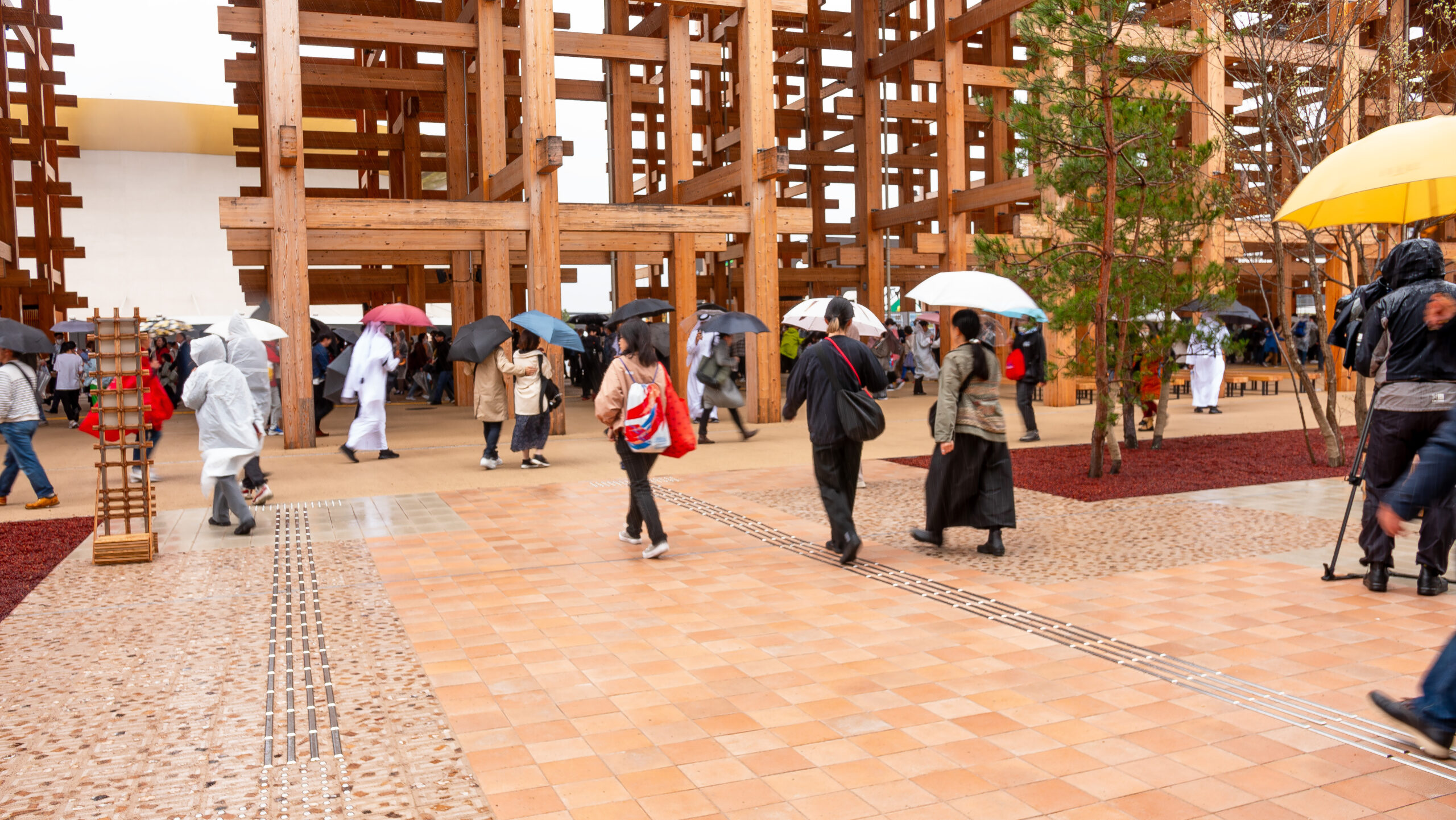
Imagine that. A seed small enough to disappear into the palm of your hand, now beneath thousands of feet.
The Seoul recognition marks another significant moment for the independent studio, whose work has travelled well beyond the regional context that first inspired it.
“We have always felt that, although Datecrete comes from a very particular material and regional context, the ideas behind it are universal,” the founders share. “Seeing the work resonate with people across the world is deeply fulfilling, particularly because we know how much research, experimentation and hands-on work has gone into getting it here.”
The designboom Special Prize holds particular significance for Sara and Khaled, who have followed the international design platform for years.
“It gives us confidence that the work, and all the effort behind it, is connecting in the way we hoped it would.”
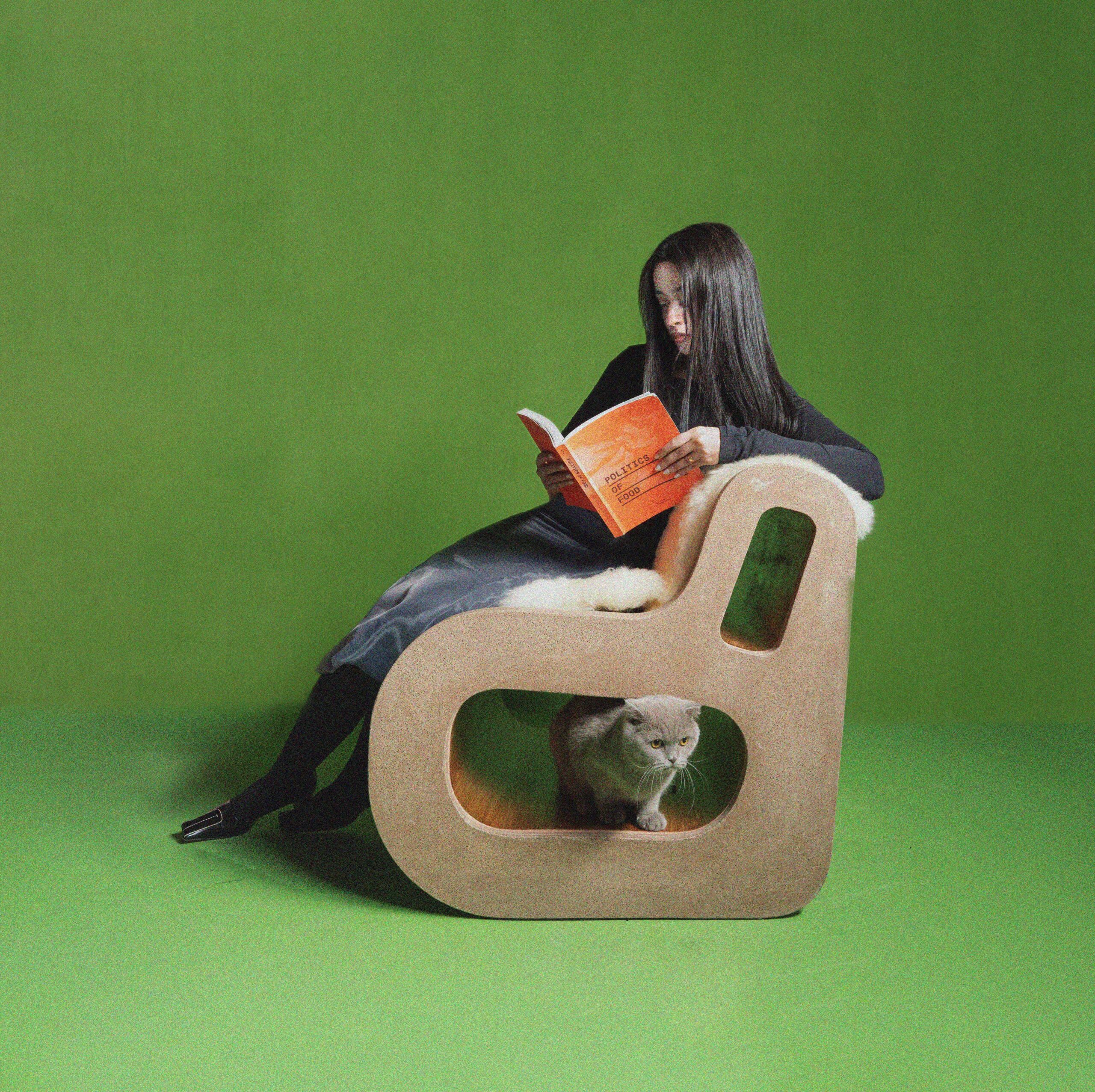
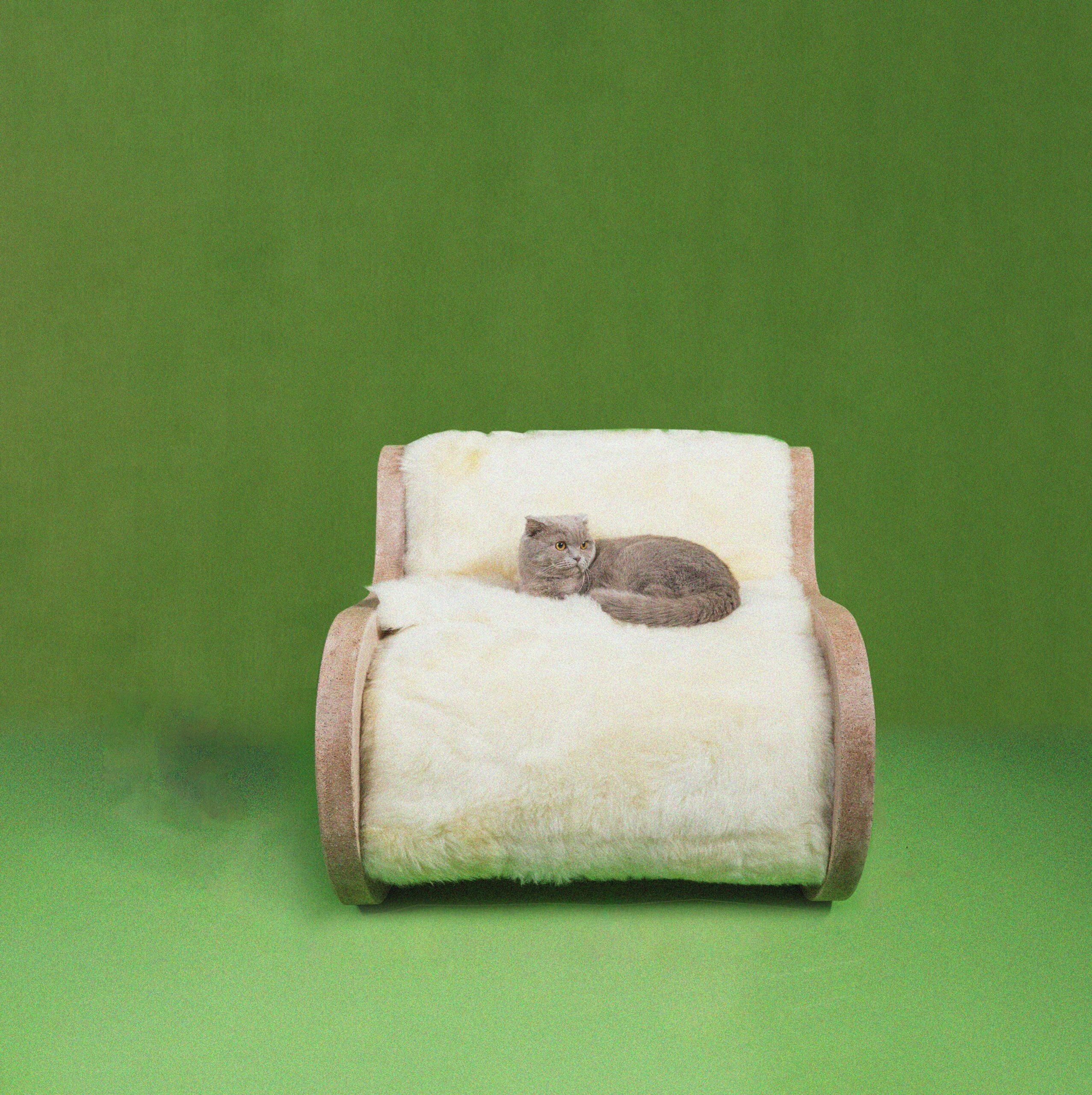
And perhaps that is what makes their story so compelling. The sustainable material they’ve created is an achievement in itself, but there is something equally fascinating about the curiosity that made it possible. The willingness to question what we think we already know, to see potential in something so familiar that we pass it countless times a day without a second glance, and to dedicate years to discovering how that overlooked possibility could become something tangible, something that might even find its place in the spaces we inhabit.
For a tree that has given so much throughout history, it seems there is still something left to discover after all.
Who would have thought that a discarded date pit could one day become something we walk on?


