
News


There is a certain type of traveller who no longer has one city. He lands in Riyadh on Monday, wraps a meeting in Nairobi by Thursday, and is back in Dubai before the weekend, not as a visitor to any of these places, but as a resident of all of them. He knows which hotel gym opens earliest. He has a preferred floor. He is not a tourist. He is not quite local either. He is something new.
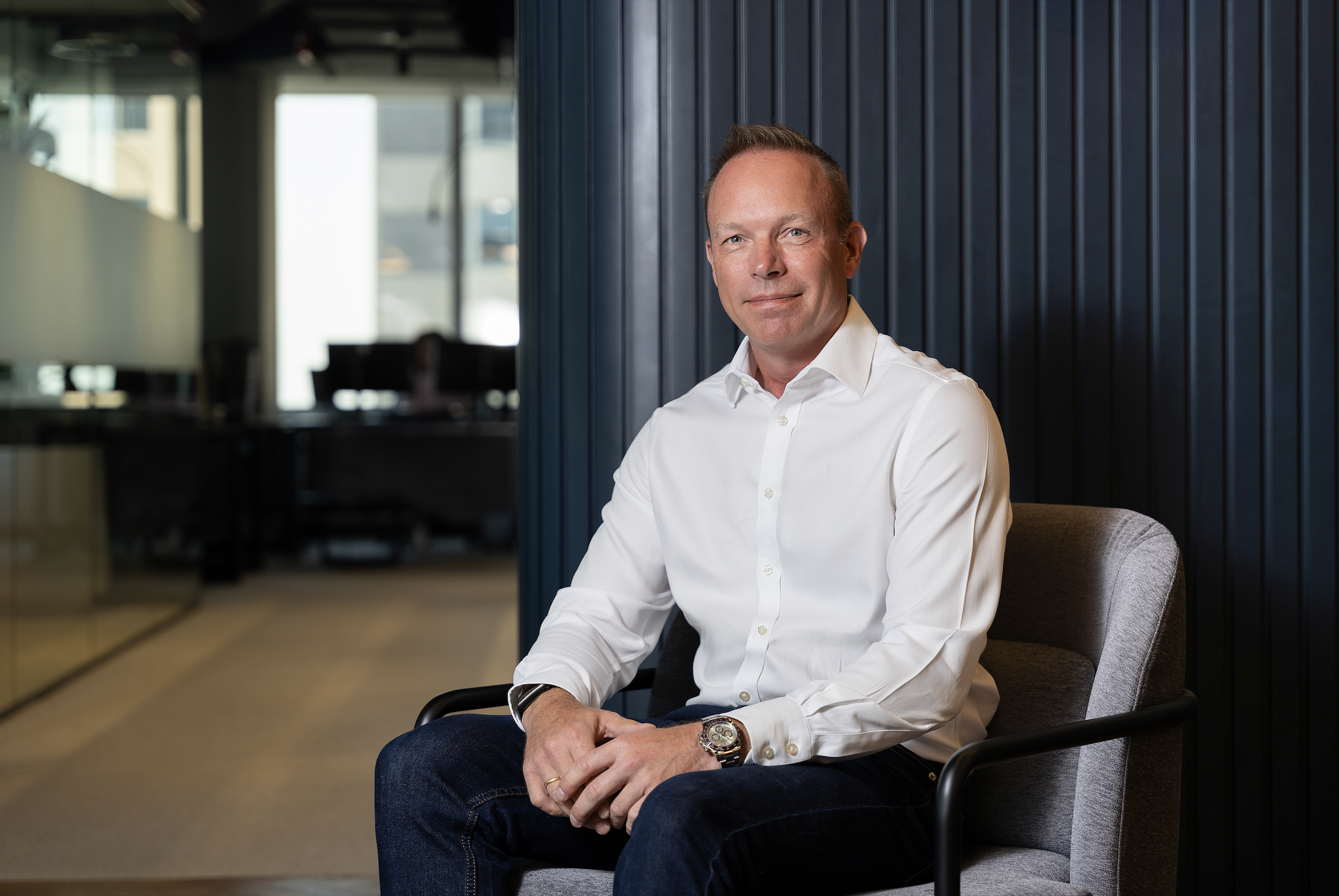
Tim Cordon knows this person well, because in many ways, he is this person. As Chief Operating Officer for the Middle East, Africa and South East Asia Pacific at Radisson Hotel Group, a territory that spans some of the world’s fastest-growing and most culturally dynamic markets, Cordon has spent the better part of two decades living the rhythm he now helps design for. Based in Dubai, he moves across regions with the kind of ease that only comes from having genuinely made peace with the idea that home is not a fixed address, but a set of reliable anchors in motion.
The hospitality industry spent much of the 20th century perfecting the art of the standardised stay as a proposition built on the logic that guests would slot themselves into whatever infrastructure was on offer. That model worked when travel was exceptional. When it becomes a mode of living, the calculus changes entirely.
The rise of remote work, the normalisation of multi-city careers, and the emergence of digital nomadism as a cultural category have collectively produced a new kind of traveller. One who is not visiting a city so much as cycling through it. Who notices, acutely, whether the light in a room is good enough for a video call, whether the lobby has the right energy for an impromptu meeting, whether there is somewhere worth being between checkout and the next flight.
For Cordon, this shift is not abstract. It is legible in occupancy patterns, in booking behaviours, in the way guests now engage with a property’s wellness offering or dining programme. The hotel has, quietly but decisively, become infrastructure for living.
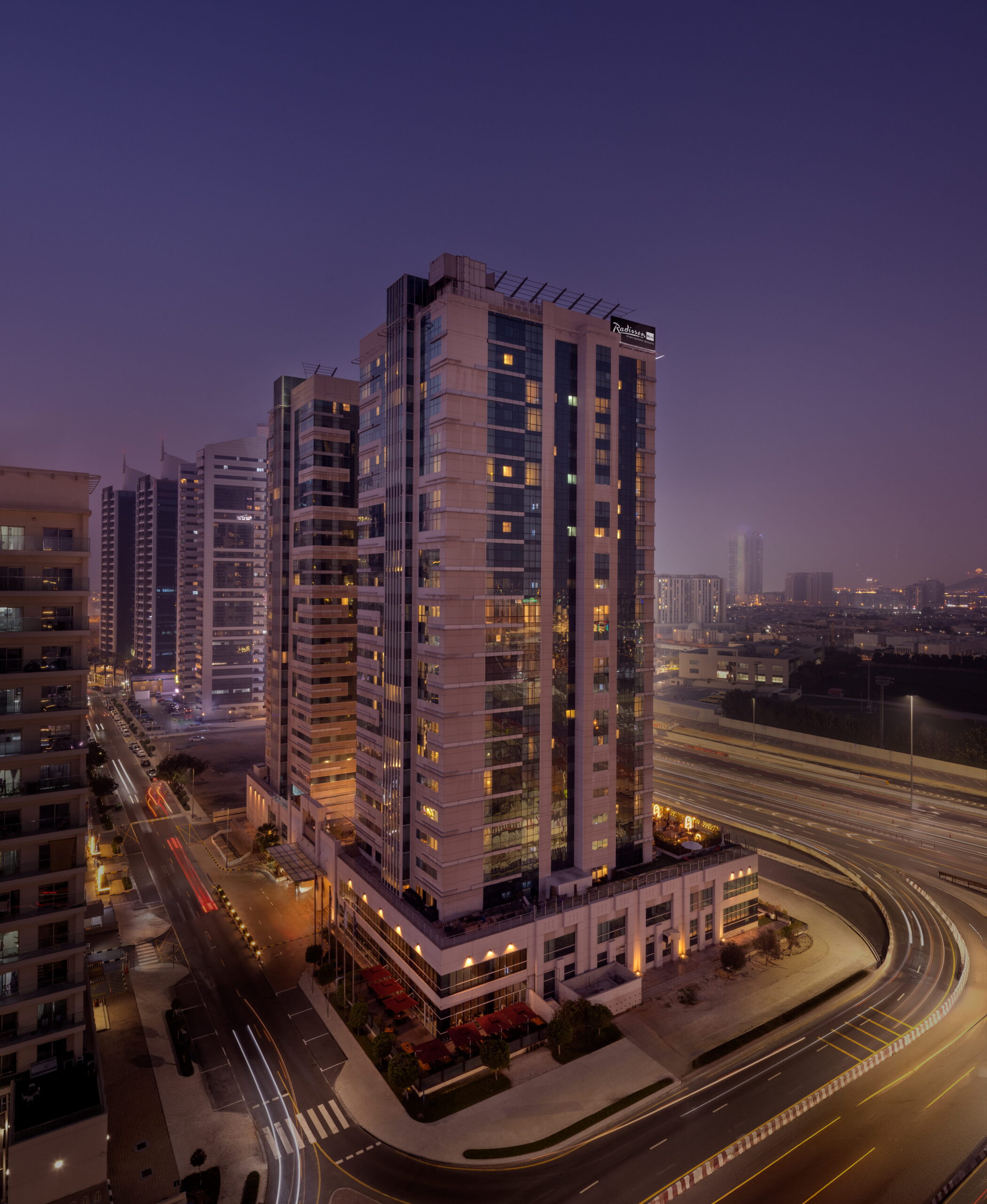
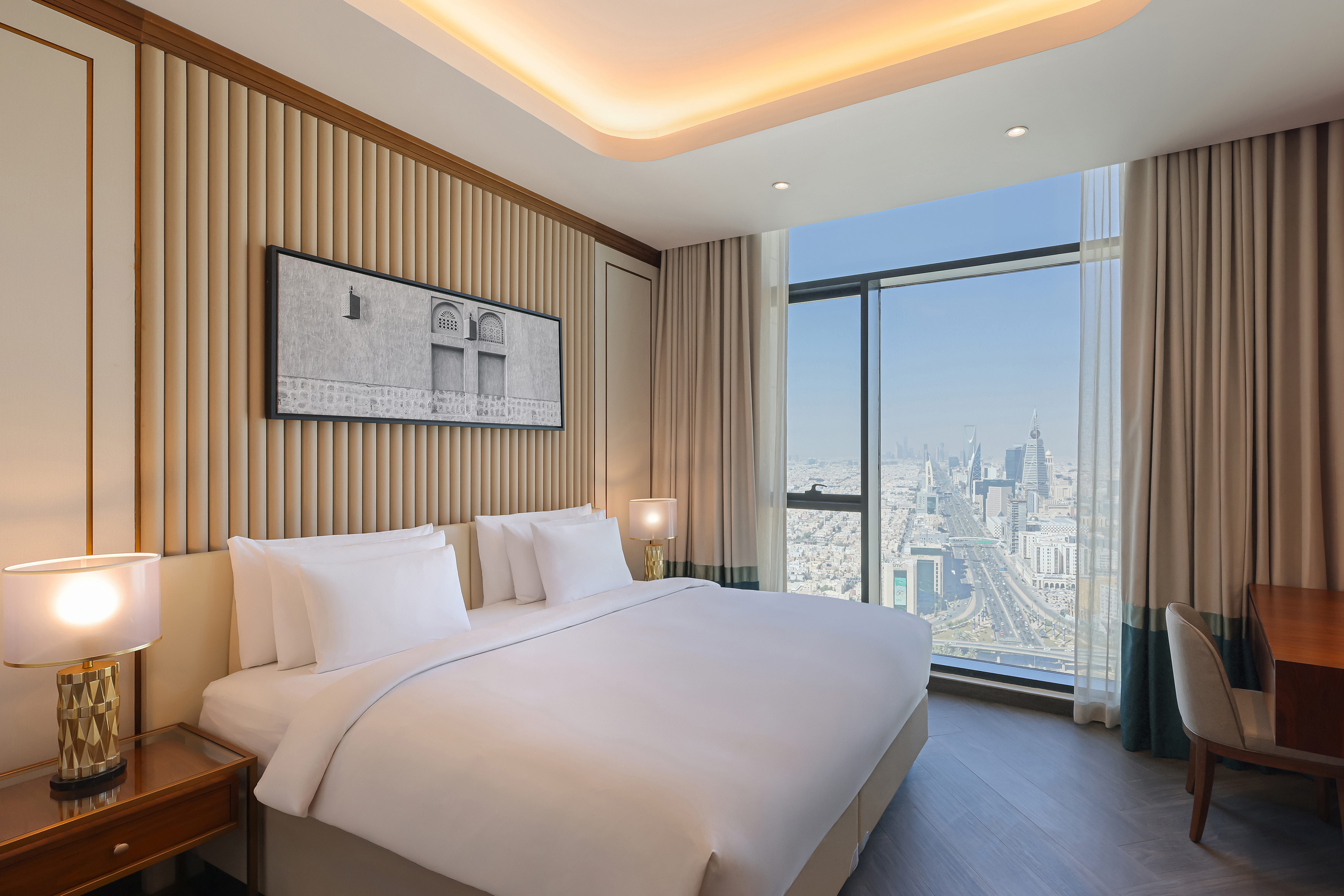
Radisson Hotel Group’s response has been quick and elevated. Across the group’s portfolio, from the sleek verticality of Radisson Collection Residences in Riyadh to the urban functionality of Radisson Blu in Dubai, the throughline is flexibility. Spaces that absorb the rhythms of people who need their environment to keep up with them with wellness amenities and designing experiences that live up to the standard, and to the pace.
Cordon, who has held leadership roles across the UK, Dubai and the wider region since joining what was then Carlson Rezidor in 2006, has watched the guest profile evolve in real time. His own life mirrors the very trend he is now architecting for. It is not unusual for the most compelling hotel thinking to come from people who genuinely use hotels to live.
The brands that will define the next era of hospitality are not those that built the most impressive lobbies, but those that understood the question had changed. It is no longer: how do we make a guest comfortable during their stay? It is: how do we become genuinely useful to the way this person’s life is actually structured?
For the nomadic traveller, the answer matters more than ever. And it starts with a hotel that already knows that.


